1. Open Shelving for Visibility and Easy Access
Installing open shelves from counter to ceiling is a highly effective way to keep your pantry staples organized. Exposing dry goods reduces double-purchasing because you can see inventory at a glance. For a high-end look, select warm white oak shelving and leave 2 inches of space between groupings to prevent shelves from looking overcrowded.
2. Clear, Labeled Canisters for Pantry Staples
Decant dry baking ingredients, grains, and cereals into clear glass or BPA-free acrylic canisters. Using uniform containers maximizes shelf space and keeps food fresh. Apply simple, water-resistant label tags to the front of each canister, specifying the item name and expiration date for quick reference.

3. Zoning Shelves by Category
Create distinct storage zones in your pantry based on cooking categories. Dedicate one shelf to baking supplies, another to canned soups, and another to snacks. Placing items in their specific zone ensures they are returned to the correct location, keeping the pantry organized long-term.
4. Pull-Out Drawers for Deep Storage
Deep lower cabinets are notorious for lost items. Replace standard bottom cabinet doors with deep wooden pull-out drawers. Drawers pull out fully to expose items stored in the back, making them highly practical for heavy dry bags, pet food bins, and canned goods crates.
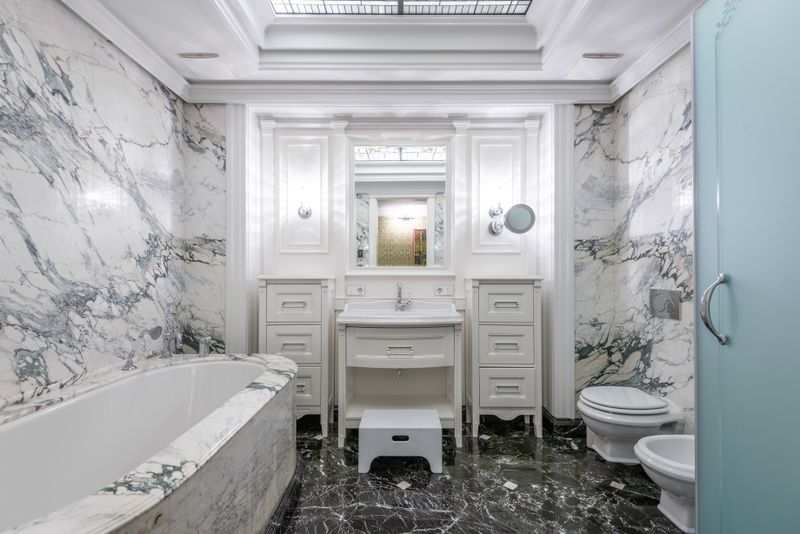
5. A Dedicated Coffee or Beverage Station
Free up valuable perimeter counter space in the main kitchen by building a custom coffee or bar station inside the butler's pantry. Install under-counter electrical outlets for your espresso machine, and add small overhead open racks to store coffee cups, sugar jars, and syrups close at hand.
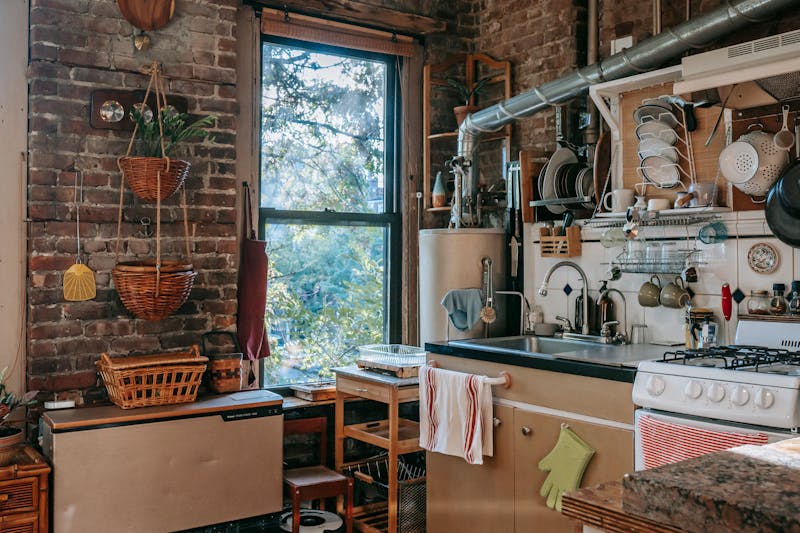
6. Wire Baskets for Produce Storage
Use open wire baskets to store root vegetables like potatoes, onions, and garlic. The wire mesh allows fresh air to circulate, extending the shelf life of produce while keeping dirt contained. Place the baskets on lower open shelves for easy access during meal prep.

7. Adjustable Shelving for Flexible Storage
Avoid fixed-height shelving. Instead, install adjustable tracking strips that allow you to raise or lower shelves as your storage needs change. This flexibility is highly practical when transitioning between small soup cans and tall beverage bottles or appliances.
8. A Butcher Block Counter for Prep
Install a durable hardwood butcher block countertop to serve as an auxiliary prep station. Hardwood block counters provide a warm, organic contrast to painted cabinet doors, offering a durable surface for chopping vegetables or assembling serving platters before hosting.
9. Under-Shelf Hanging Baskets
Maximize empty vertical space between shelves by sliding wire hanging baskets onto shelf edges. Under-shelf baskets are perfect for holding flat items like napkins, clean dish towels, or small snack bags, utilizing space that would otherwise go wasted.
10. A Small Sink in a Butler's Pantry
Adding a small prep or bar sink turns a dry pantry into a highly functional wet butler's pantry. A wet sink allows you to rinse glasses, dump coffee grounds, and prep cocktails out of sight from dining guests. Be sure to consult a licensed plumber to verify drainage clearance behind cabinets.
11. Labeled Bins for Small, Loose Items
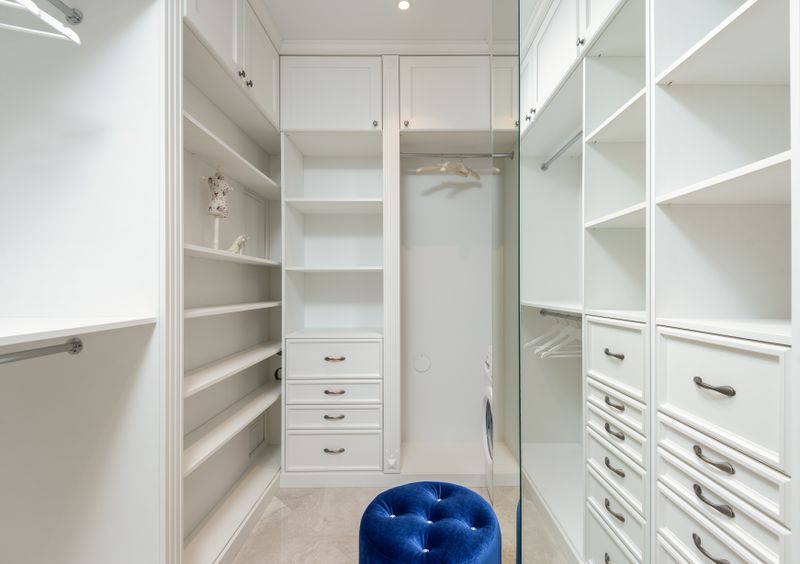
Store small, loose packets like gravy mixes, tea boxes, and spices in lightweight wooden or canvas bins. Bins keep small items from sliding behind larger jars, creating a clean, uniform look along the shelf row. Label each bin clearly with its category.
12. Door-Mounted Racks for Spices or Condiments
If you have a walk-in pantry with a solid swing door, mount slim wire spice racks to the inside door panel. Utilising the door structure for lightweight bottles and spices keeps them organized and frees up valuable shelf space inside the pantry cabinet layout.
13. A Rolling Ladder for Tall Pantry Shelving
If your butler's pantry features tall, floor-to-ceiling shelving that rises past 9 feet, install a rolling wooden library ladder. The ladder rolls along a top metal track, offering easy, safe access to seasonal serving platters and holiday baking supplies on top shelves.
14. Glass-Front Cabinets for a Curated Display Look
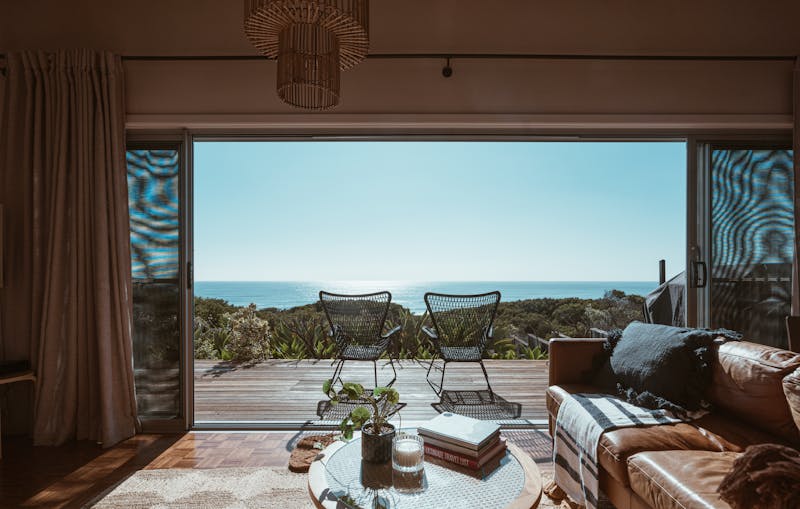
For a sophisticated look, install upper cabinets with clear or fluted glass doors. Glass panels protect wine glasses and china from dust while letting you display decorative serving ware, creating a beautiful transition between the kitchen and dining room.
15. Lazy Susans for Corner or Deep-Shelf Items
Corner cabinets are difficult to organize. Place 12-inch rotating Lazy Susans on corner shelves to store oils, vinegars, and condiments. Spin the turntable to bring hidden bottles to the front, eliminating the need to dig through deep shelves.
16. A Designated Space for Small Appliances
Free up main kitchen prep counters by parking heavy stand mixers, food processors, and slow cookers in the pantry. Check out our refrigerator buying guide for advice on choosing compact undercounter drawers that fit seamlessly below prep counters.
17. Chalkboard or Label Tags
Paint a cabinet door panel with black chalkboard paint or use hanging kraft paper tags to write shopping lists and inventory tallies. Keeping a running log of missing ingredients inside the pantry makes planning your weekly grocery trips simple.
18. Tiered Shelving for Cans and Jars
Install tiered wooden shelf risers to display canned goods in steps. Elevating back rows prevents small cans from being hidden behind front jars, ensuring all ingredients remain visible so nothing expires unnoticed.
19. A Butler's Pantry as a Staging Area
During large family dinners, use your pantry counters to plate desserts or store wine bottles. A dedicated staging counter keeps the main kitchen island clean for food preparation and cooking, keeping dirty plates out of sight of dining guests.
20. Statement Lighting to Feel Intentional
A pantry should not feel like a dark closet. Install a beautiful brass flush-mount ceiling light or a pair of modern pendant lights. Proper lighting illuminates work counters and adds design detail, making the space feel like a natural extension of the kitchen.