1. What is a Wave-Pattern Gypsum Ceiling?
A wave-pattern ceiling is constructed using high-quality gypsum boards, plaster of Paris, and specialized metal framing to sculpt three-dimensional curves. Unlike flat drywall, these gypsum panels are moistened to make them flexible, allowing installers to form wave-like shapes. The panels are then mounted to a custom metal support grid, taped, and sanded until seamless. The resulting undulating surface mimics the soft movement of sand dunes or ocean ripples, turning an ordinary ceiling into a custom plaster feature.
2. Why This Design is Trending in Modern Homes
Modern architecture is shifting away from blocky, industrial minimalism in favor of softer, organic forms. The wave-pattern gypsum ceiling has become highly popular because it addresses the "fifth wall" with sculptural movement. It replaces clinical plasterboard with a fluid wave design that feels customized and artistic. Additionally, the curved panels help scatter sound waves, reducing echoing in open-concept living rooms, which makes it a practical choice for contemporary homes.
3. The Visual Effect It Creates
The primary appeal of a wave ceiling is the visual movement and architectural softness it brings to the space. The repeating curved shadows break up the flat planes of walls and floors, creating a gentle visual flow. This texture catches both natural daylight and warm artificial light at varying angles, creating soft highlights throughout the day. The undulating curves make the overhead canvas look fluid, helping high ceilings feel structured and intimate.
4. Best Rooms and Spaces for a Wave-Pattern Ceiling
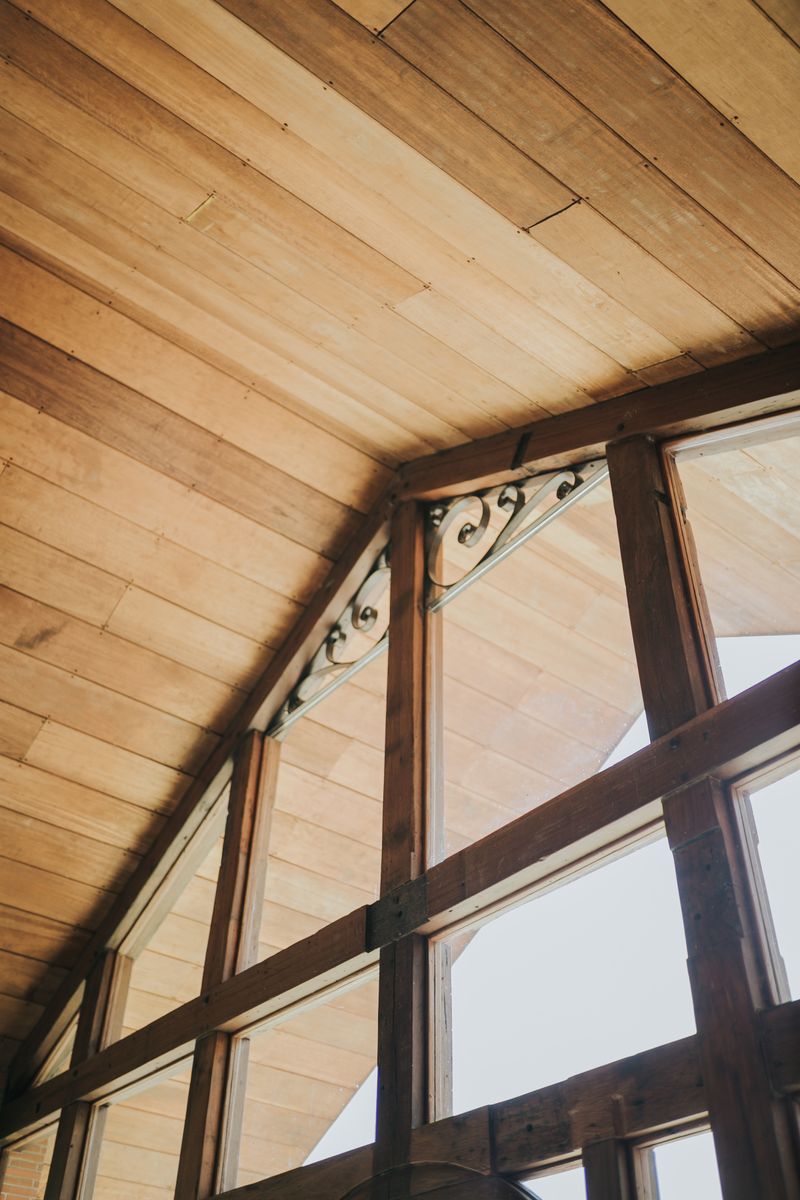
While wave ceilings can elevate any space, they work best in large, open-concept living rooms, bedrooms, and wide hallways. In a living room, the waves anchor the central seating arrangement visually. In a master bedroom, the flowing curves create a relaxing, cloud-like canopy above the bed, helping the sleeping zone feel quiet and welcoming. Avoid installing detailed waves in small bathrooms, where humidity and tight spaces can clutter the design.
5. Pairing Lighting with a Wave Ceiling
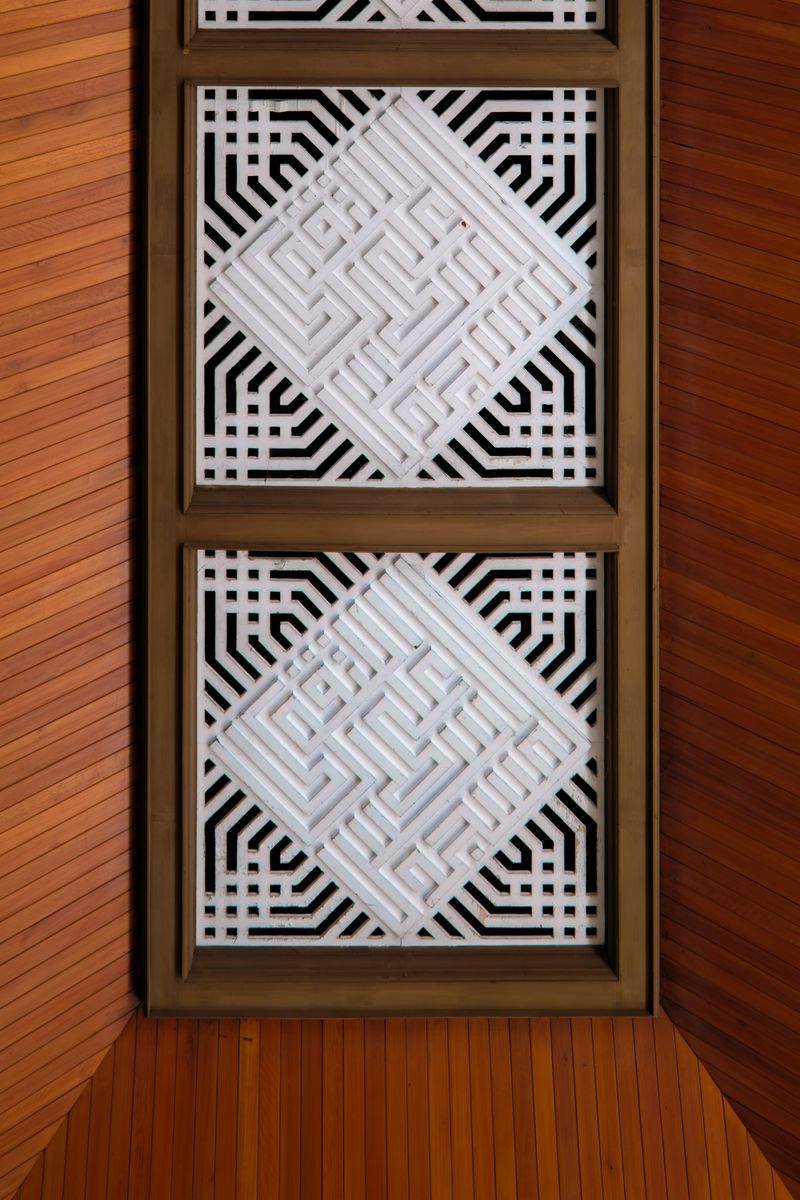
Lighting is essential to highlight the shape of a wave ceiling. Install dimmable LED strip lights inside the wave recesses to wash the plaster in a soft, glowing highlight. This indirect lighting casts gentle shadows that emphasize the curvature of the panels. Pair these hidden LEDs with simple, flush recessed spotlights to maintain clean lines, avoiding heavy chandeliers that can clutter the sculptural wave design overhead.
6. Color and Finish Options
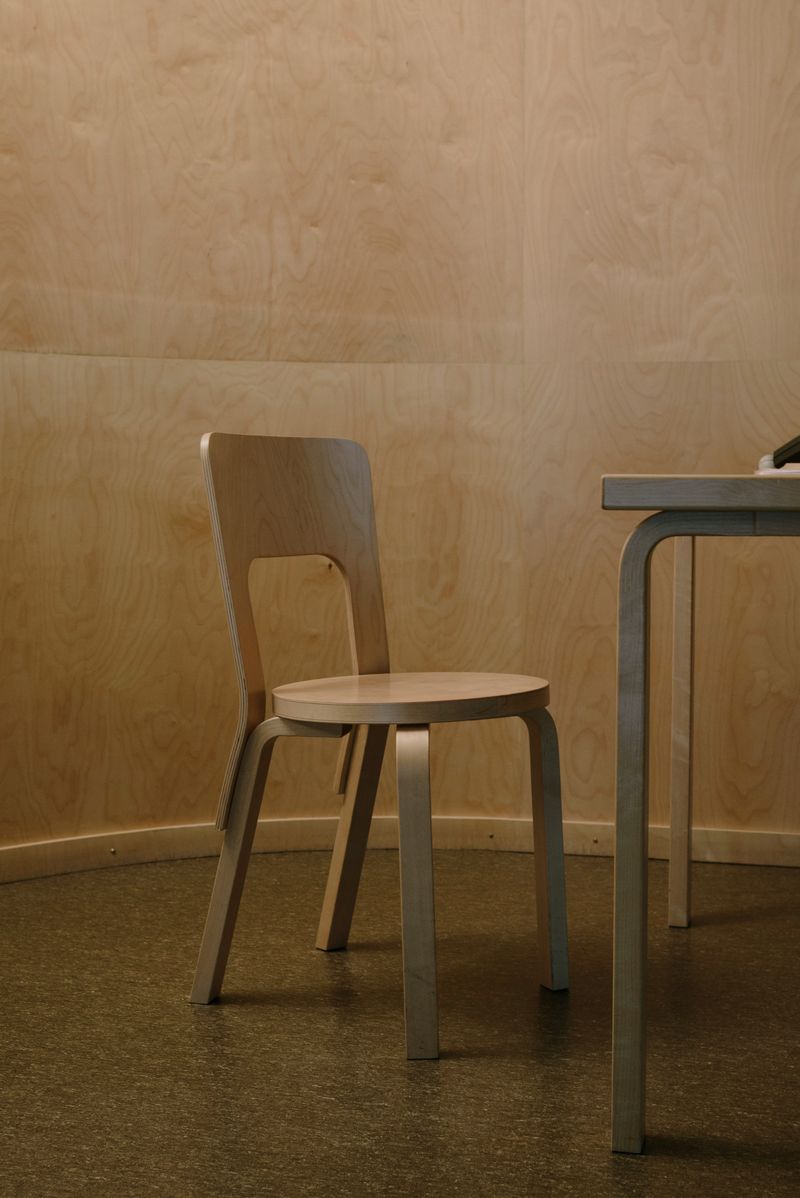
Matte white remains the most popular finish for wave-pattern ceilings, as it allows daylight to cast clean, natural shadows along the curves. However, painting the wave recesses in a soft beige or warm sand color can add sophisticated contrast. For a bold look, select a two-tone scheme: paint the flat ceiling borders white and keep the central wave panels a soft cream, coordinating with neutral plaster walls and wood furniture below.
7. Wave-Pattern Ceilings in Small vs. Large Rooms
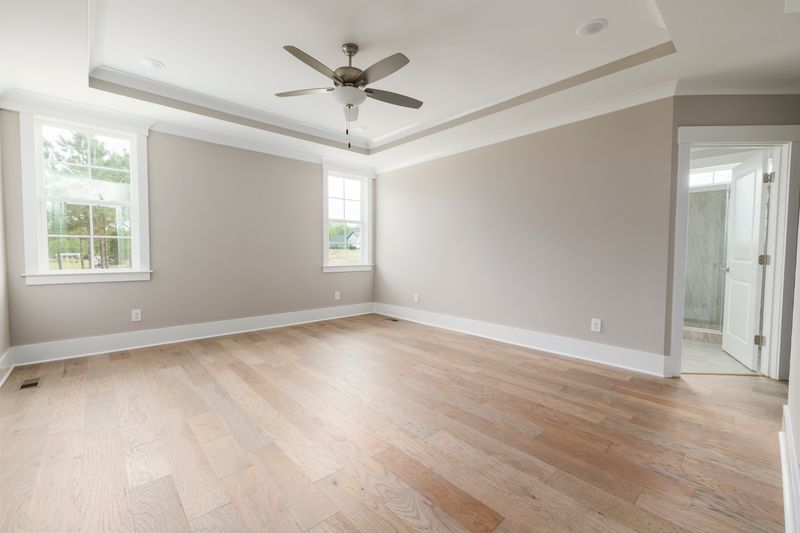
In large living rooms, you can install wide, deep waves that run across the entire ceiling to create a bold architectural statement. In compact rooms, however, choose narrow, low-profile waves along a single wall border to prevent the space from feeling enclosed. The key is scaling the depth of the curves to match the ceiling height: keep wave heights subtle in rooms with standard ceilings to maintain a bright, spacious feel.
8. Cost Considerations and Installation Process Overview
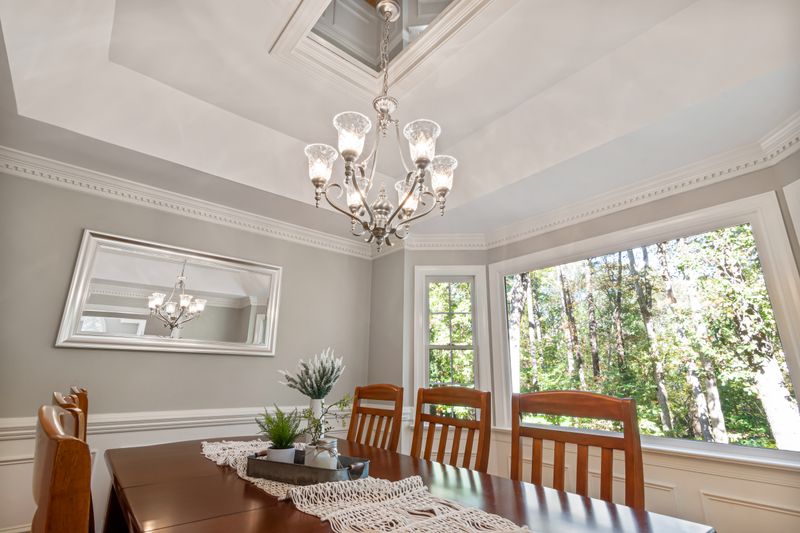
Installing a wave-pattern gypsum ceiling requires professional plastering skills and costs more than standard drywall. The process involves assembling a custom metal framework, cutting and moistening the gypsum boards to curve them, and applying plaster joint compound. Expect the installation to take three to five days to allow the plaster layers to dry completely before sanding and painting, making it a premium but durable home investment.
9. Complementary Furniture and Decor Styles
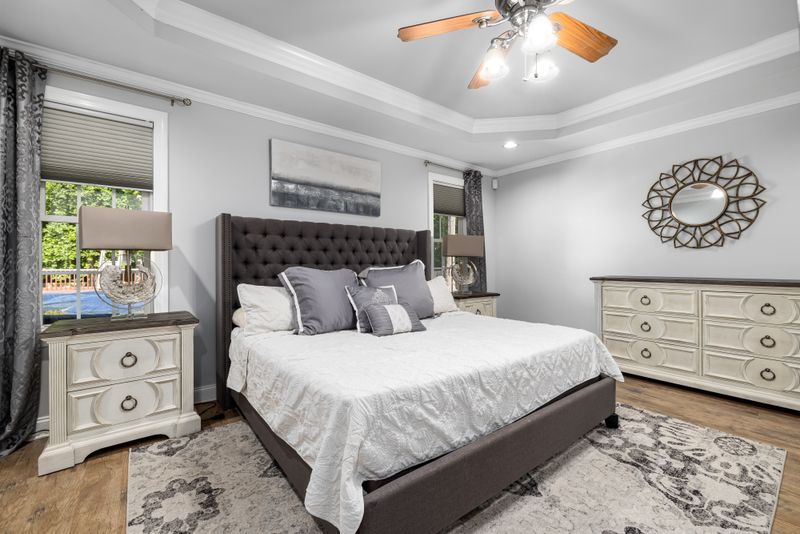
To balance the modern curves of a wave ceiling, choose furniture with clean, low-profile shapes. Pair the plaster curves with a low boucle sofa, curved oak coffee tables, and natural jute rugs. Sourcing organic textures and low-slung seating coordinates with the ceiling waves, preventing the room from looking top-heavy while keeping the living room layout looking cozy, unified, and spacious.
10. Maintenance and Durability Considerations
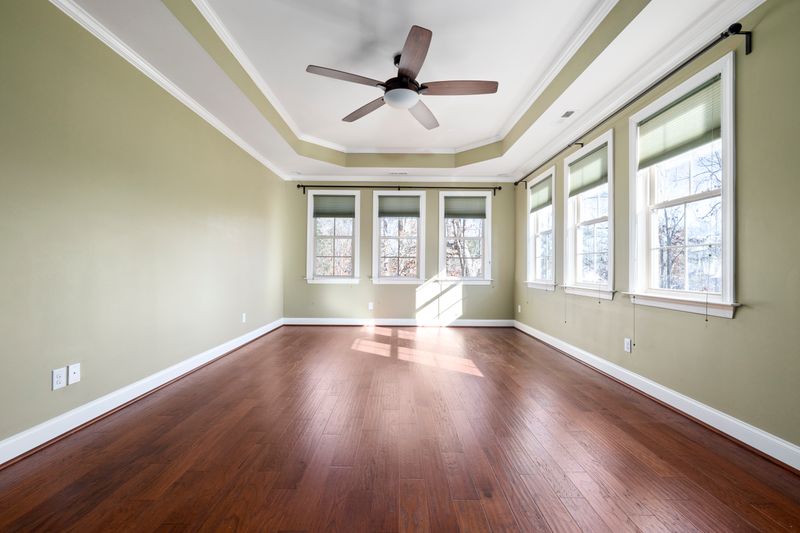
Gypsum is a highly durable material that resists sagging and fire, making it a reliable ceiling choice. To maintain the clean look of the waves, dust the curves occasionally with a soft brush attachment on a vacuum cleaner. Repairing water damage requires cutting out the affected section, framing a new curved panel, and plastering it to blend seamlessly, so ensure your roof and plumbing are sealed well.
11. Common Design Mistakes to Avoid
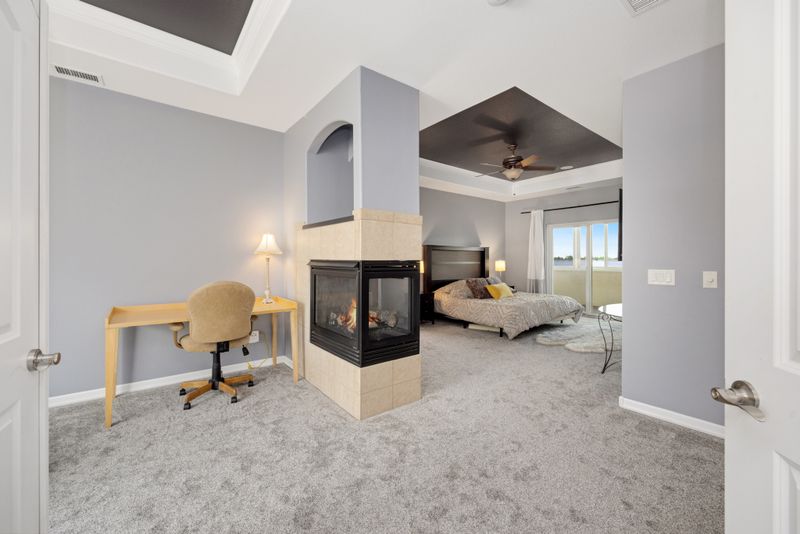
One of the most common mistakes is installing waves that are too deep for low ceilings, which can make the room feel cramped and dark. Another error is using harsh, unfiltered light bulbs that cast sharp, distorting shadows on the curves. Ensure your LED strips have diffuse covers, and keep the wave pattern simple near doors and windows to prevent the layout from looking busy or cluttered.
12. How to Decide If This Ceiling Style Fits Your Home
If you love modern, organic design and want to add architectural interest to your home, a wave gypsum ceiling is an excellent choice. Consider your room height: ceilings should be at least eight feet tall to accommodate the plaster curves. Evaluate your budget and find a skilled local plastering contractor to ensure the curves are seamless, giving you a beautiful design feature that elevates your daily living.