1. Porcelain vs. Ceramic: The Key Differences
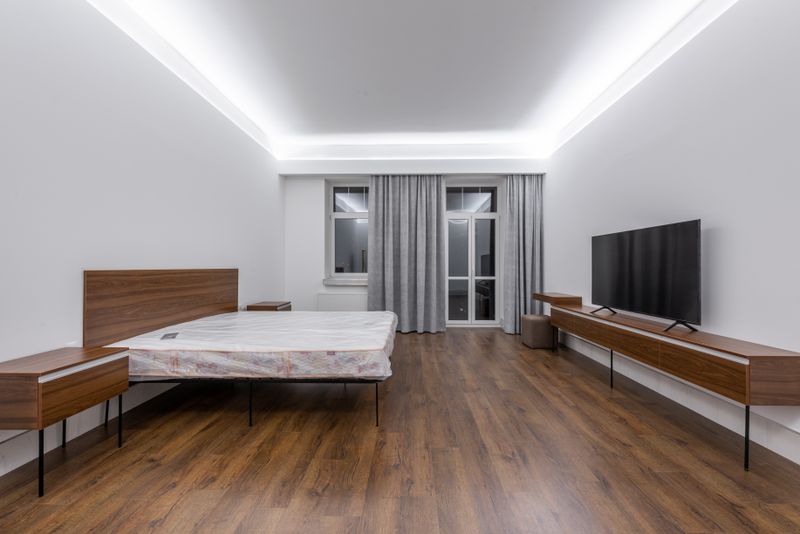
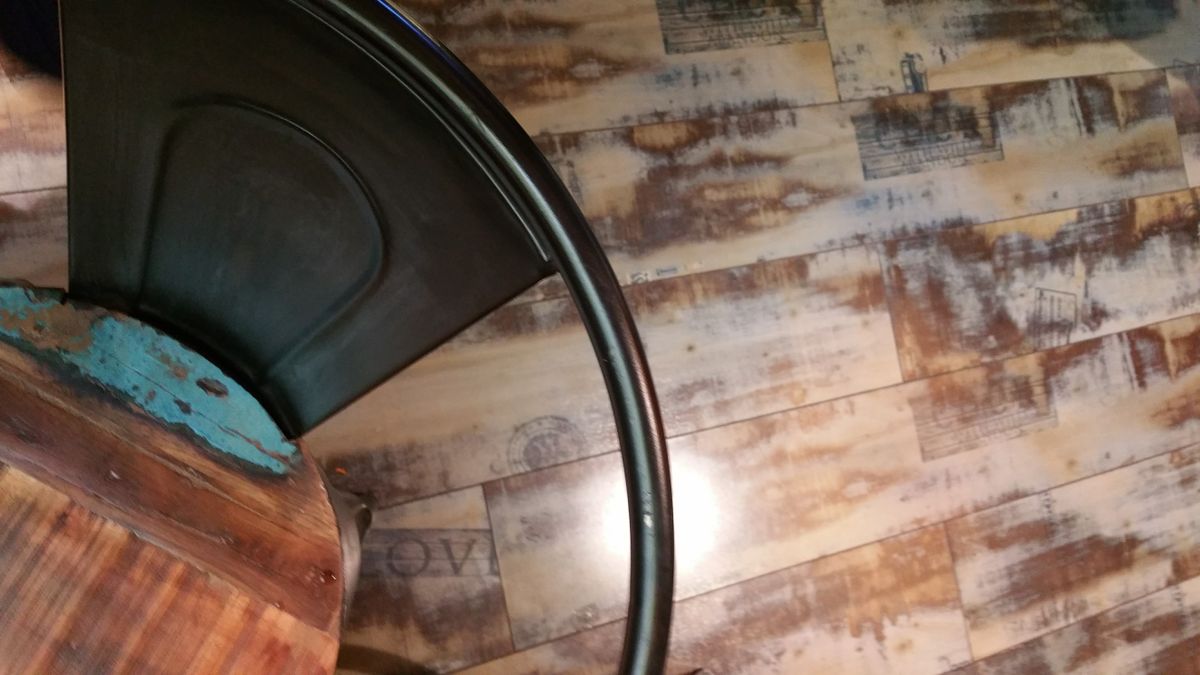
Porcelain tile is fired at higher temperatures than standard ceramic, resulting in a denser, less porous tile. Porcelain absorbs less than 0.5% water, making it frost-resistant and suitable for bathrooms, entryways, and outdoor walkways, while ceramic is better suited for light-traffic walls.
2. Elegant Marble-Look Porcelain
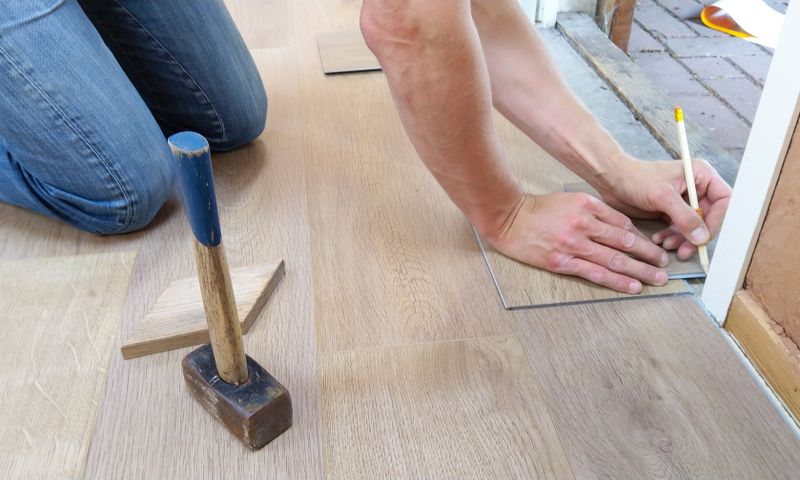
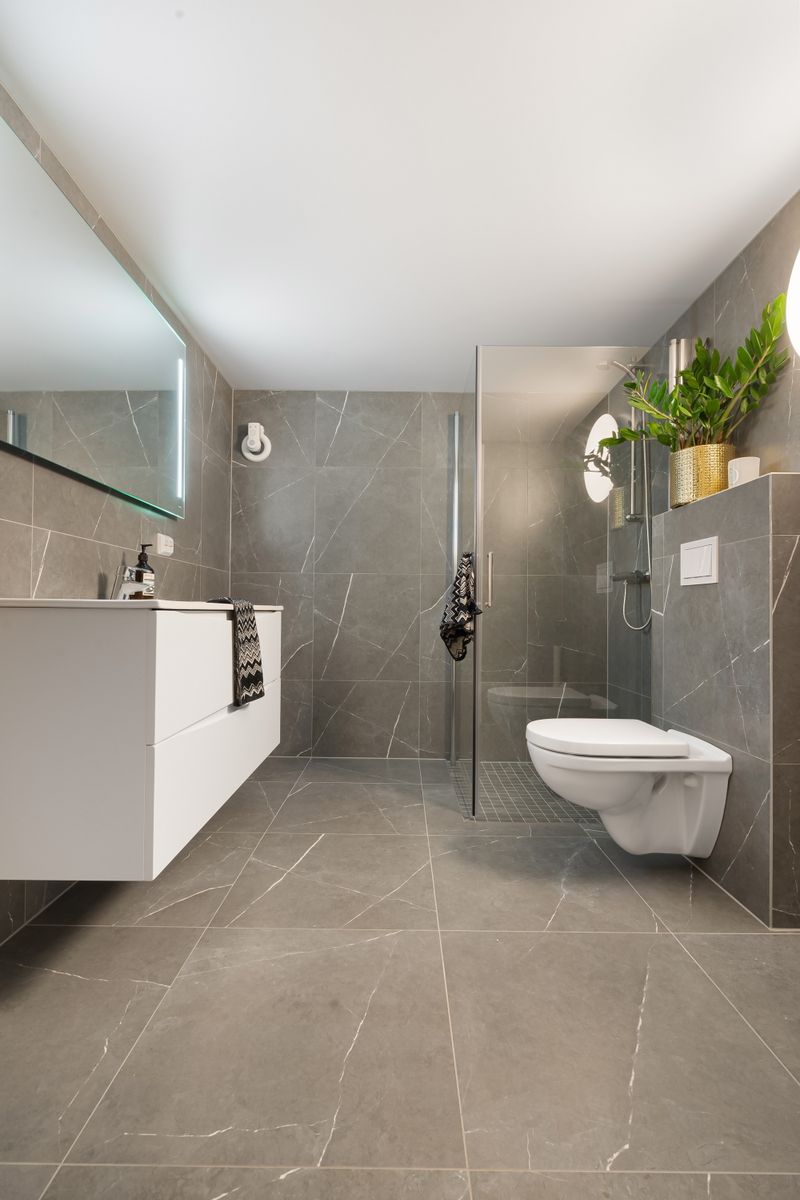
Marble-look porcelain replicates the soft grey veining of Carrara or Calacatta marble. Unlike natural marble, porcelain does not require sealing and resists acid stains from juices or soaps, providing an elegant kitchen or bathroom flooring surface that is easy to wipe clean.
3. Textured Slate-Look Tiles
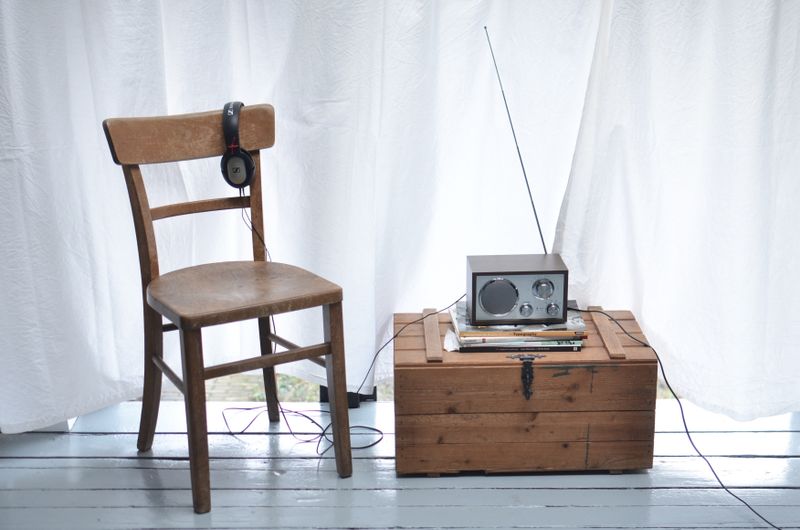
Slate-look porcelain features the split-face cleft texture of natural slate. The textured surface provides natural slip resistance, making it an excellent choice for wet bathrooms, mudrooms, and outdoor entryway steps. Choose dark grey or black tones to anchor light wall colors.
4. Serene Limestone-Look Formats
Limestone-look porcelain mimics the soft sand, cream, and beige colors of natural limestone. The neutral colors reflect window light cleanly, helping small layouts feel open. Porcelain limestone lookalikes avoid the acid-etching weaknesses of natural soft limestone.
5. Grounding Travertine-Look Tiles
Travertine-look porcelain replicates the pitted holes and linear veining of travertine stone. Unlike natural stone, porcelain does not require regular grout sealing or resin fills, offering a durable Mediterranean style that handles high-traffic family use easily.
6. Modern Concrete-Look Porcelain
Concrete-look porcelain offers a flat, matte surface that coordinates beautifully with minimalist designs. Select large-format panels (such as 24x24 or 24x48 inches) to minimize grout lines, creating a seamless flooring look that coordinates with black metal details.
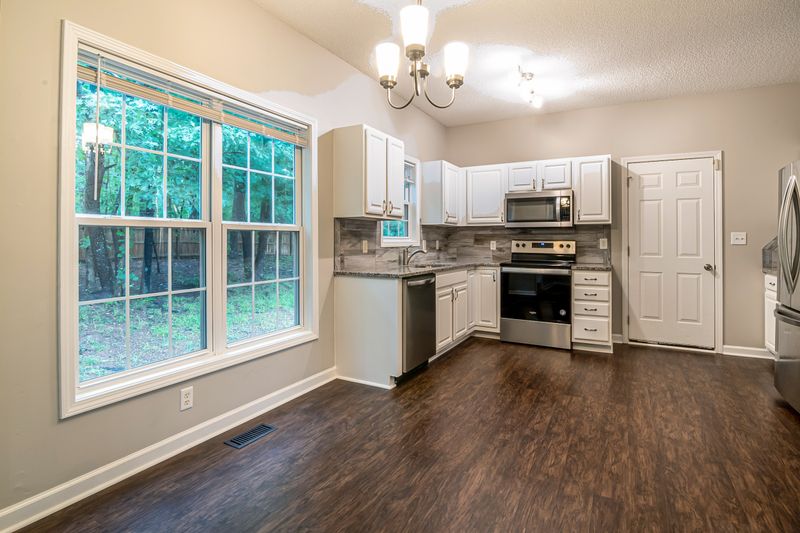
7. Kitchen Floor Considerations
Kitchen floors handle heavy foot traffic and spills. Select matte or textured stone-look porcelain with a PEI rating of 3 or 4 to ensure the tile surface resists wear from sliding chairs and dropped pots. Keep grout widths narrow to make cleaning easy.
8. Bathroom Wet-Area Planning
Bathroom floors are regularly exposed to water. Always select tiles with a Dynamic Coefficient of Friction (DCOF) rating of 0.42 or higher to ensure the surface is slip-resistant when wet. Use small mosaic tiles in showers to provide extra grout lines for grip.
9. High-Traffic Entryways
Entryways are exposed to mud, sand, and grit. Install slate or concrete-look porcelain tiles with a high PEI rating of 4 or 5. Denser tiles resist surface scratches from shoe dirt, protecting your entryway floor from early wear.
10. Living Room Floor Layouts
Large living spaces benefit from large-format porcelain tiles. Large tiles make rooms feel wider by reducing the grid lines. Pair tiles with warm area rugs to soften the floor underfoot and absorb room sound echo.
11. Outdoor Walkways and Patios
Ensure outdoor tiles are labeled as "impervious" (water absorption below 0.5%) to prevent freeze-thaw cracking in winter. Use textured surfaces and concrete subfloors to maintain stability under outdoor conditions.
12. Selecting Tile Sizes
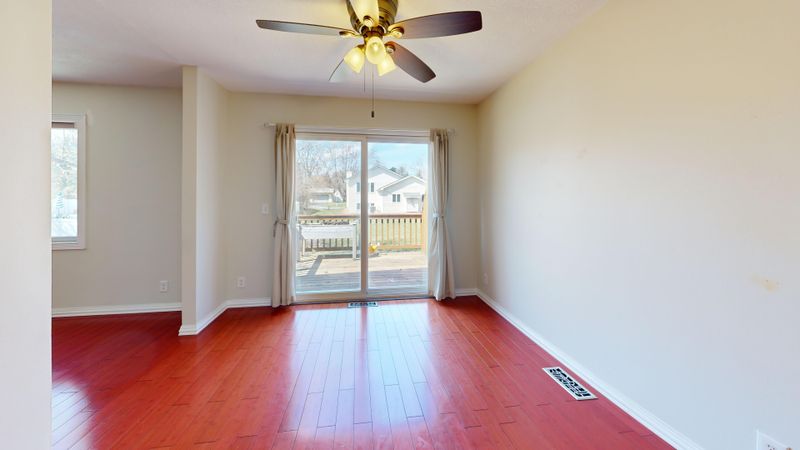
Match tile sizes to room scale. Use 12x24 inch tiles in narrow bathrooms to guide the eye outwards, and use large 24x48 inch tiles in open living spaces to minimize visual boundaries.
13. Grout Color Matching
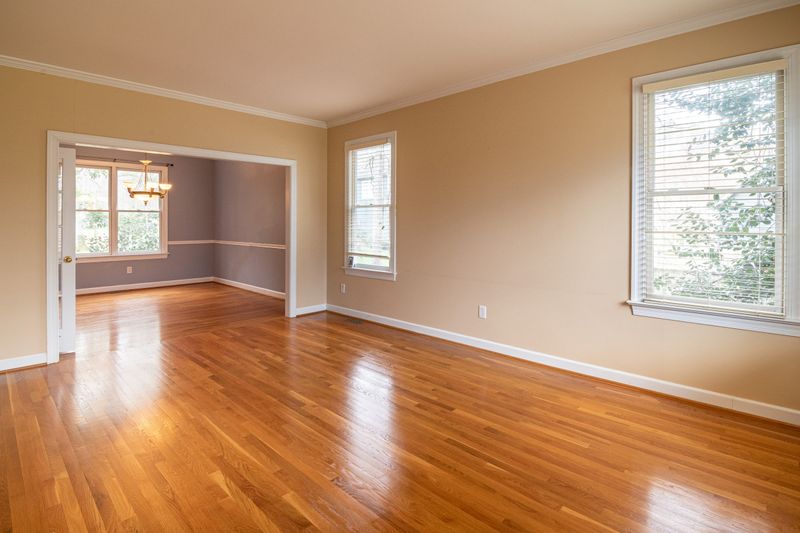
Select a grout color that matches the tile base tone. Matching the grout color removes grid lines, helping the stone patterns flow seamlessly. Avoid light white grout on floors as it darkens from foot traffic.
14. Grout Width Settings
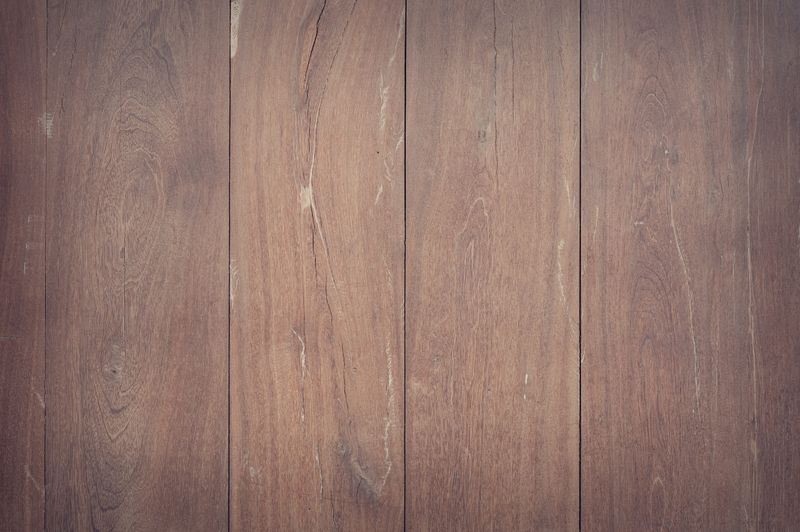
Use rectified tiles (tiles with ground, straight edges) to allow narrow grout widths of 1/16 to 1/8 inch. Narrow grout lines make the floor look modern and are easier to clean than wide grout joints.
15. Grout and Tile Maintenance
Porcelain tile is easily cleaned with pH-neutral stone cleaners. Avoid using acidic cleaners like vinegar, which can degrade grout over time. Re-seal grout lines annually to prevent moisture stains.