1. Invest in One Statement Furniture Piece
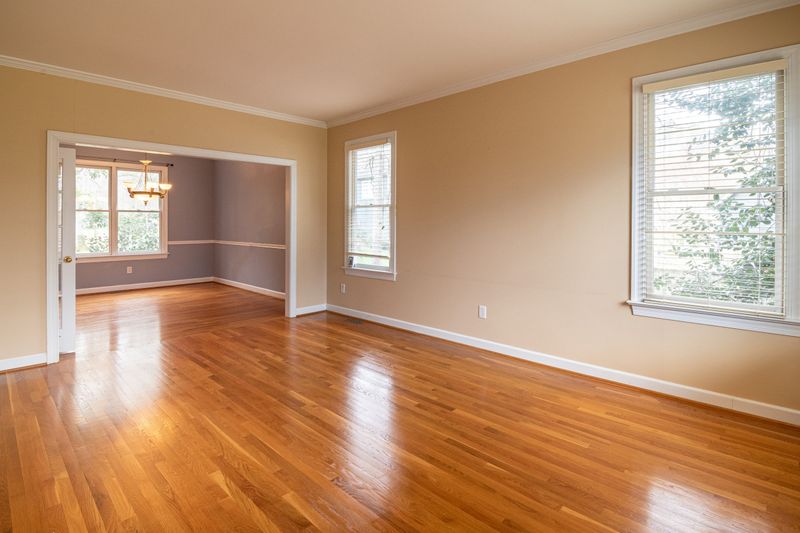
In a small living room, trying to fit multiple heavy furniture pieces makes the layout feel cluttered. Instead, focus your styling budget on a single, high-quality statement piece, such as a low-profile cream bouclé sectional sofa. A large, beautifully structured sofa anchors the room, drawing attention away from the small walls and setting a luxurious, high-end tone for the entire space.
2. Neutral, Elevated Color Palettes
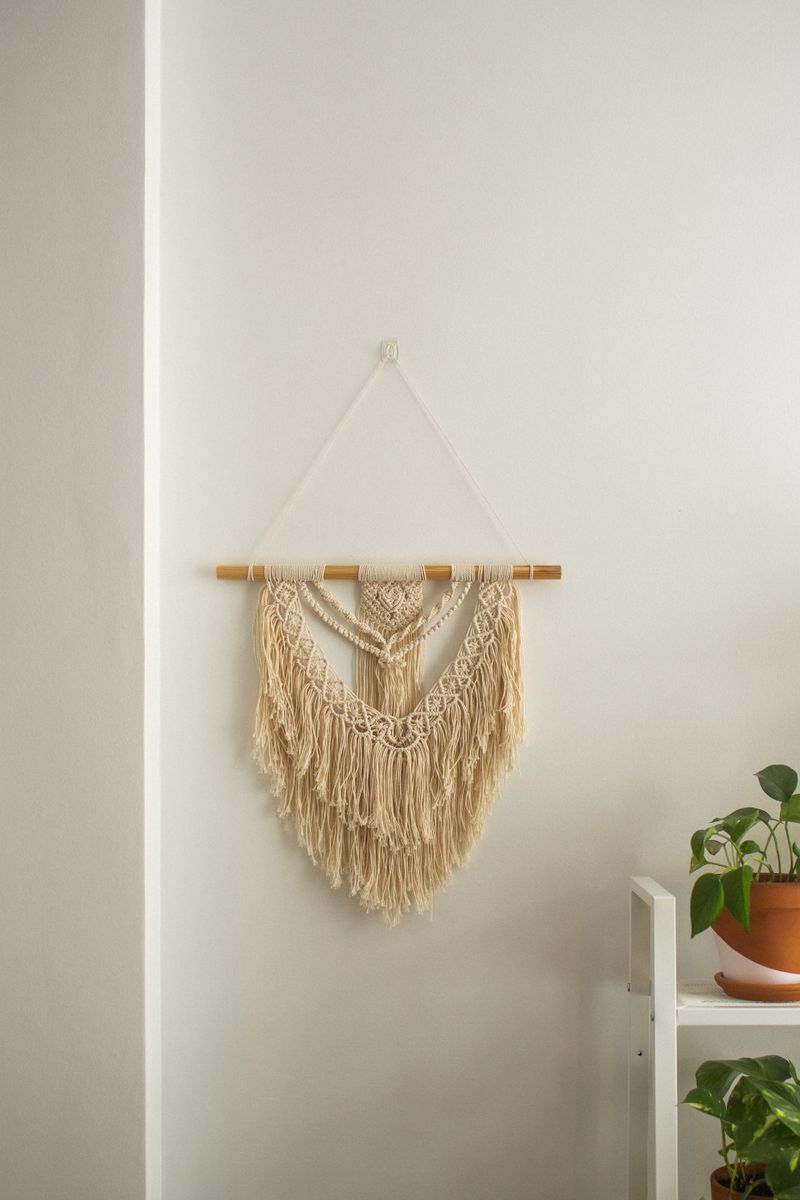
A monochromatic neutral palette is the easiest way to make a room look expensive. Paint your walls in off-white, warm sand, or pale grey, coating your baseboards and trim in the same color to remove visual boundaries. Layer textures like linen drapes and wool rugs in matching neutral tones to add dimensional depth without introducing loud colors that break up the space.
Elevated Neutral Palette
3. Layered Ambient Lighting
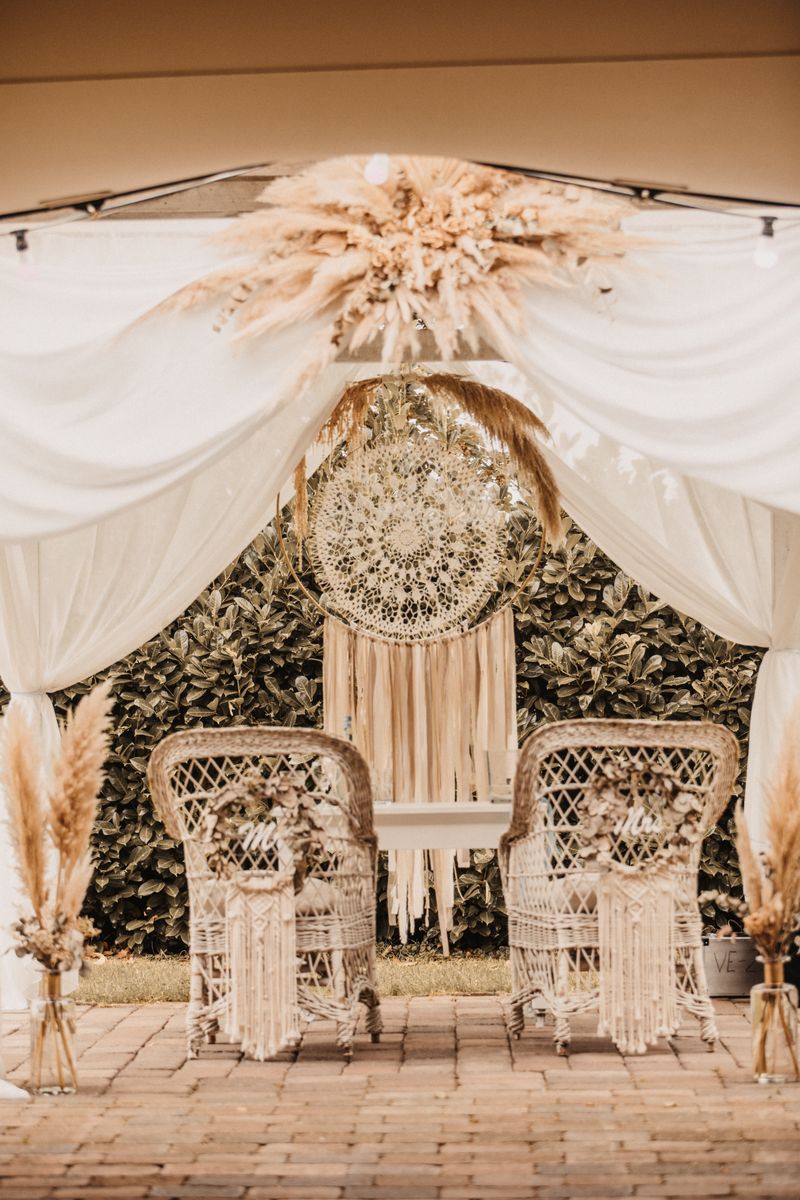
Avoid harsh central ceiling lights, which make a room look cheap and highlight wall drywall flaws. Instead, create a high-end, cozy feel by layering warm light sources (2700K). Install a brass floor reading lamp in the corner, place a ceramic table lamp on a side table, and hide LED tape lights inside baseboard coves to wash the floor level in light.

4. Quality Over Quantity Decor
In interior design, empty space is a luxury. Avoid filling shelves with cheap plastic trinkets. Instead, select three curated pieces of decor: a hand-made stoneware bowl, an abstract ceramic sculpture, and a stack of linen art books. The clean negative space around these items allows them to stand out, looking intentional and expensive.
Shelf Styling Tip
Follow the 40/60 rule: cover only 40% of your shelf surface with items, leaving 60% empty. This negative space keeps the layout looking clean, lightweight, and modern.
5. Mirrors to Expand Visual Space
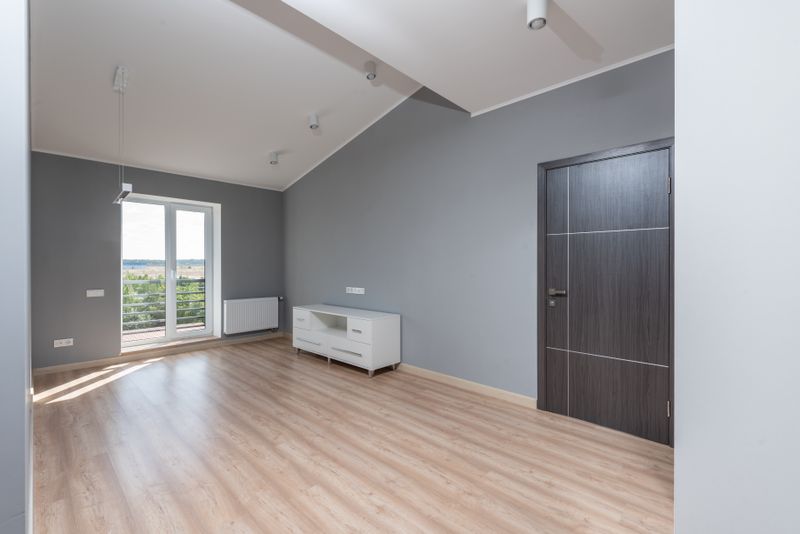
A large mirror is a key spatial tool. Hang a circular mirror with a thin brass frame opposite your main window. The glass reflects natural light, instantly doubling the visual depth of the living room. It breaks up flat walls and reflects window views, making the small room feel spacious, airy, and high-end.
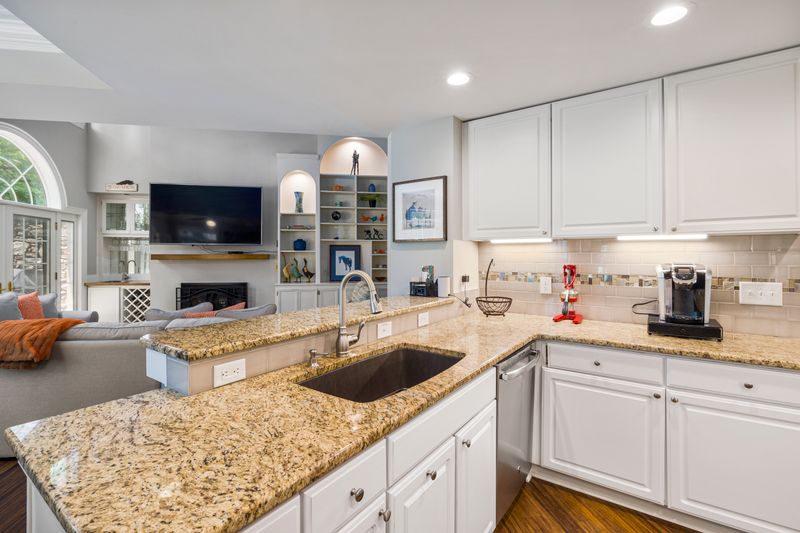
6. Textured Throw Pillows and Blankets
Introduce cozy comfort to your sofa by mixing touchable fabrics. Layer waffle-knit cotton pillowcases with velvet and boucle accent cushions. Mixing these natural fibers adds warmth and visual depth to the seating layout without requiring loud colors or complex print designs, looking expensive and structured.
7. Curated Coffee Table Styling
Your coffee table is the center of the seating zone. Keep it styled and clutter-free by grouping items in odd numbers. Place a flat oak tray holding a scented candle, a stack of linen art books, and a small stoneware vase with a delicate green branch. The structured layout keeps the table looking elegant and organized.
"A styled coffee table anchors the seating zone, telling a story through curated objects."
‚¬— Amanda Green, Interior Stylist
8. Built-In or Floating Shelves
Bulky storage cabinets can look heavy, blocking paths in a small living room. Instead, mount a stack of thick floating oak wood shelves. The lack of legs keeps the floor space open, and staining the wood in light oak coordinates with neutral plaster walls, keeping the lines clean and modern.
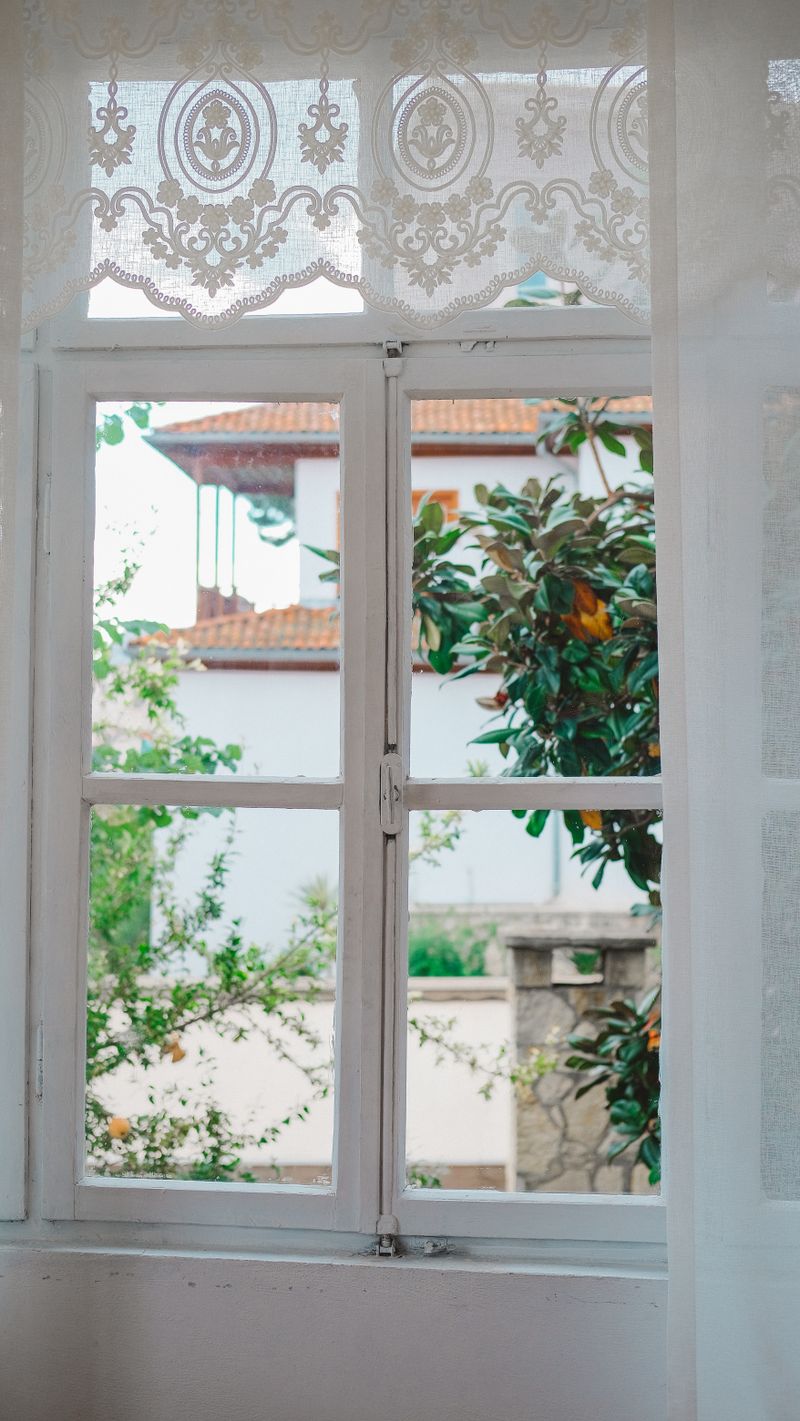
9. Statement Rugs to Anchor the Room
To ground the seating configuration, place a large, textured high-pile wool area rug under your sofa and coffee table. The rug should extend at least a foot past the sides of the sofa to provide a soft landing spot underfoot, breaking up wood floorboards and adding warmth.
10. Elegant Curtains That Add Height
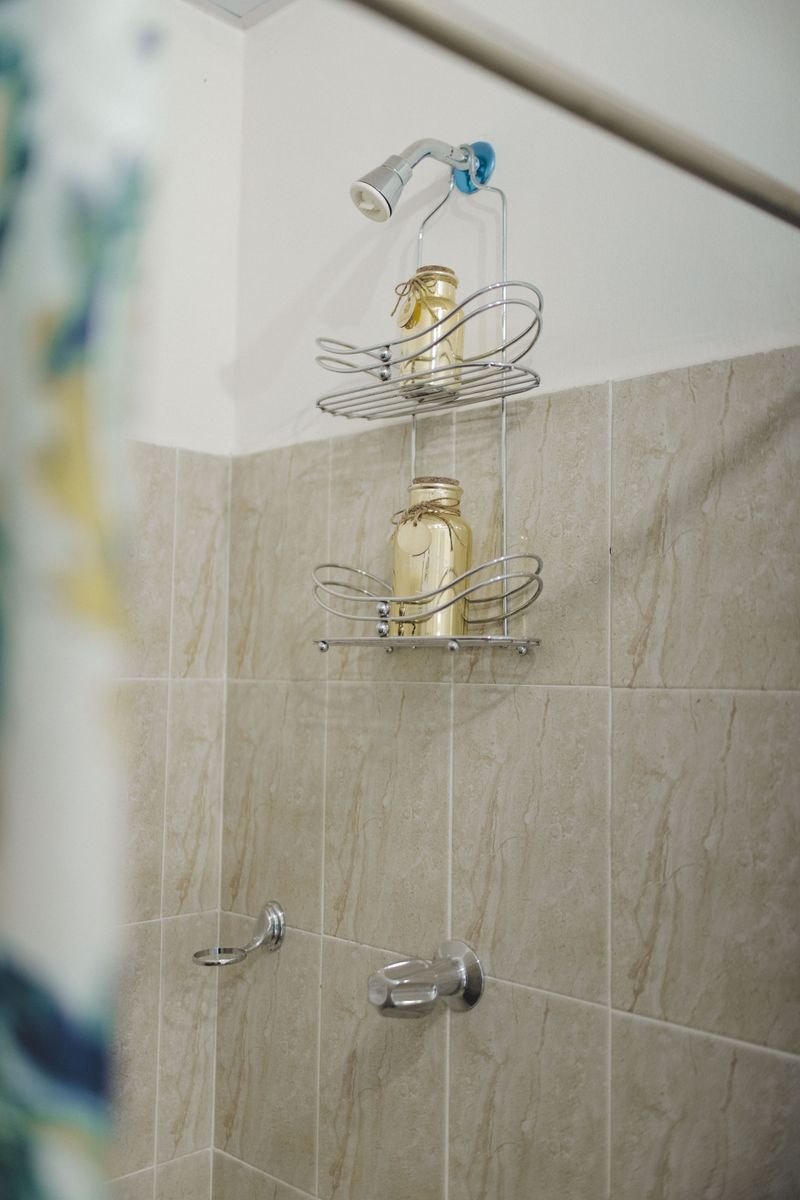
Hang your curtain rods close to the ceiling line, rather than just above the window glass. Floor-to-ceiling sheer linen curtains in sand or off-white draw the eyes upward, making low ceilings feel taller. Let the fabric pool slightly on the floor to soften the straight lines of the room.
11. Gallery Walls or Single Large Art
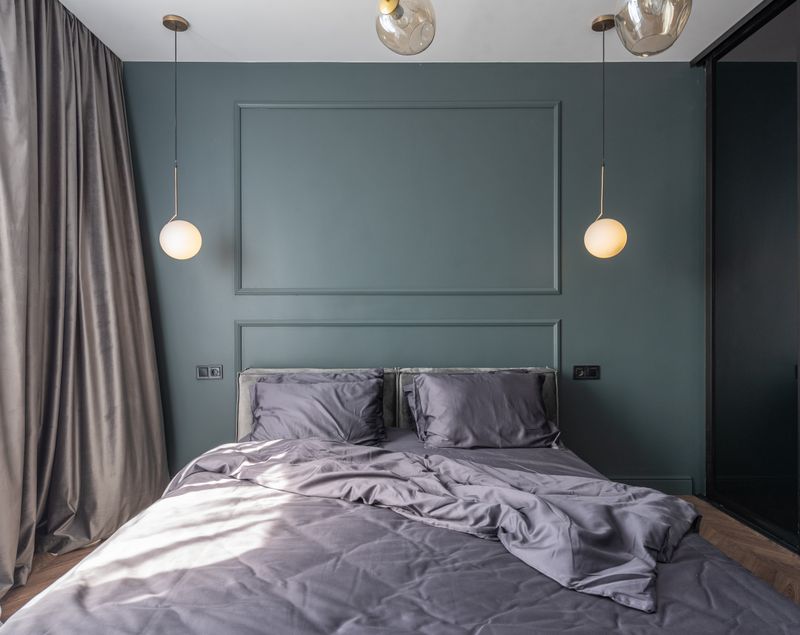
Avoid cluttered gallery walls with small frames. Instead, hang a single, large-scale abstract painting or minimalist sketch print in a thin oak frame over your sofa. The single piece acts as a clean focal point without overwhelming your visual palette, looking expensive and structured.
Art Placement Guideline
Choose a frame that is roughly two-thirds the width of your sofa frame. Mount it 8-10 inches above the back cushion to create a clean, modern grid layout.
12. Metallic and Matte Finish Accents
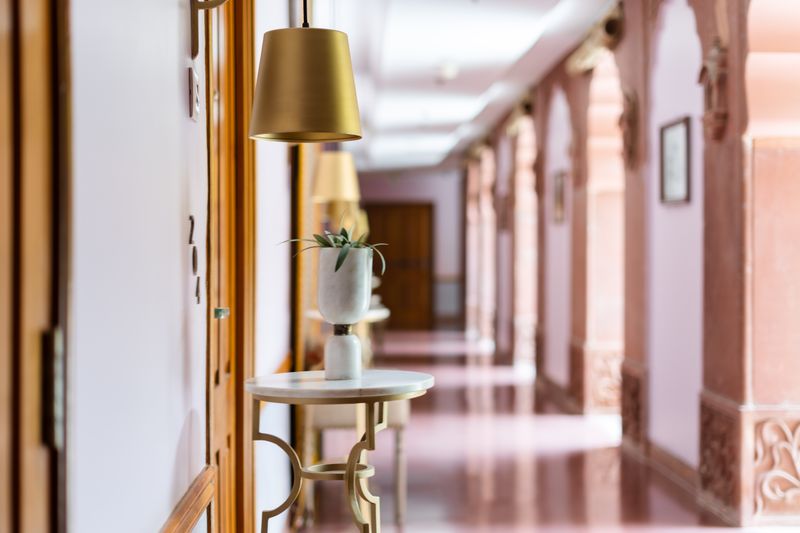
Contrast soft fabrics by introducing metallic accents like brass or black iron throughout the space. Install brushed brass cabinet handles, drawer pulls, and lamp stands. The brass adds a warm, metallic sheen that contrasts with light oak wood console tables, looking chic and modern.
13. Symmetry and Intentional Arrangement
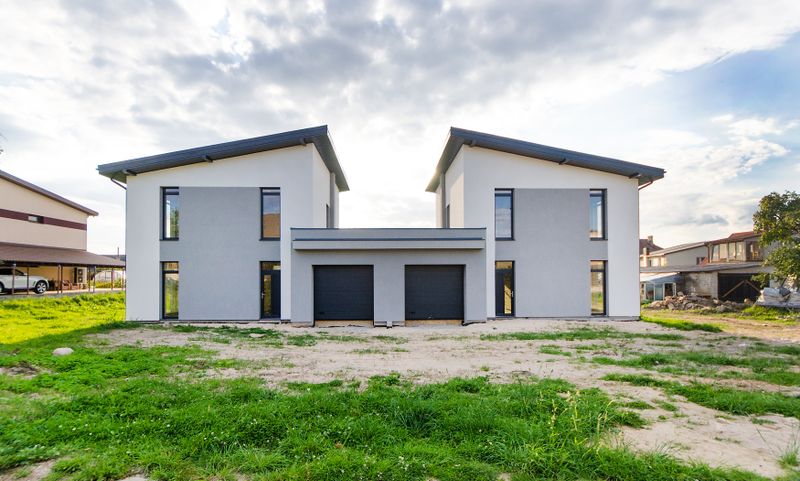
Symmetry is an easy way to create a structured look. Use matching side tables, bedside lamps, and wall sconces on both sides of your main sofa. This layout grounds the seating space, making the room look structured, balanced, and designer-curated.
14. Greenery and Fresh Florals
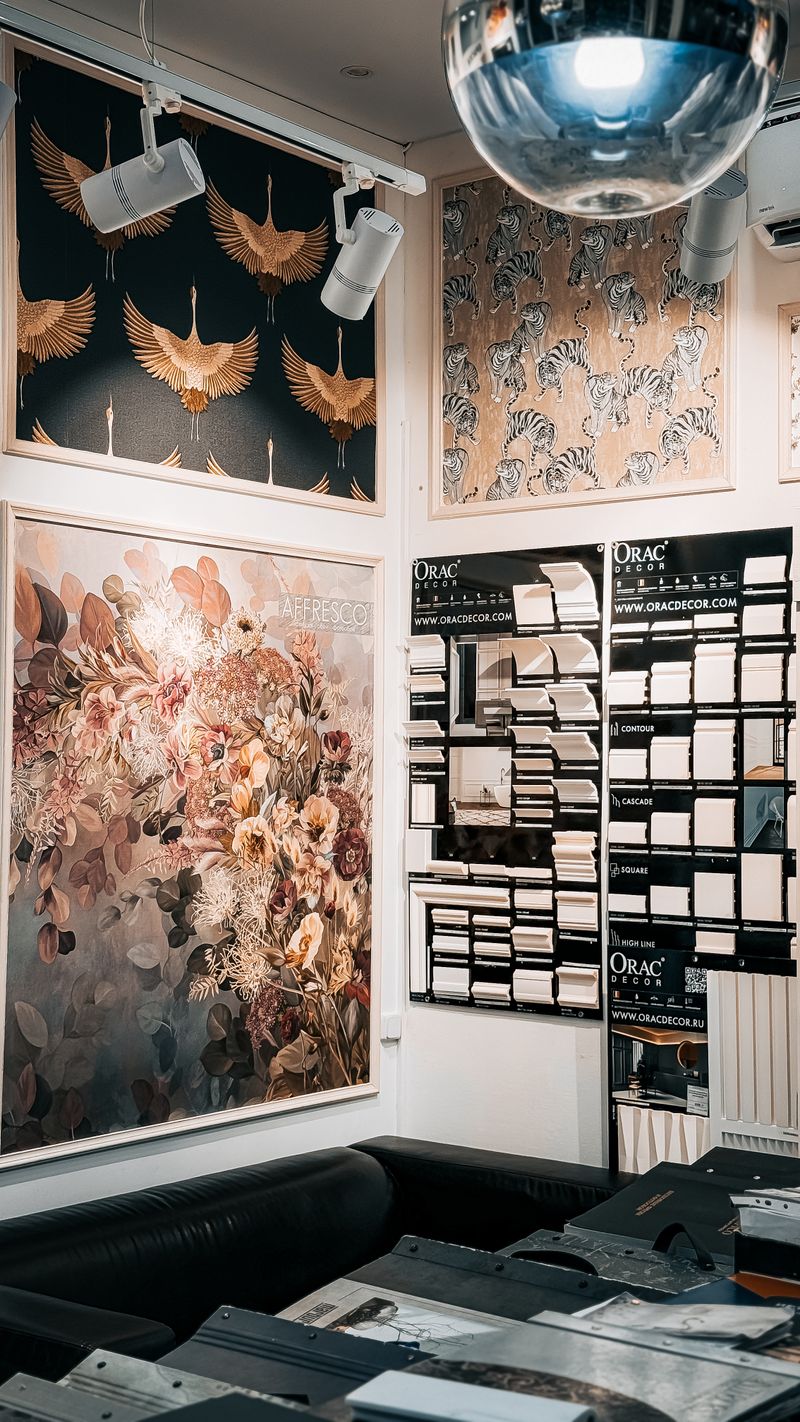
Introduce a finished designer touch by placing fresh floral stems on your console table. A simple ceramic jar holding fresh peonies, eucalyptus branches, or dried pampas grass brings natural beauty, letting the organic outlines shine.
15. Decluttering for a Curated Look
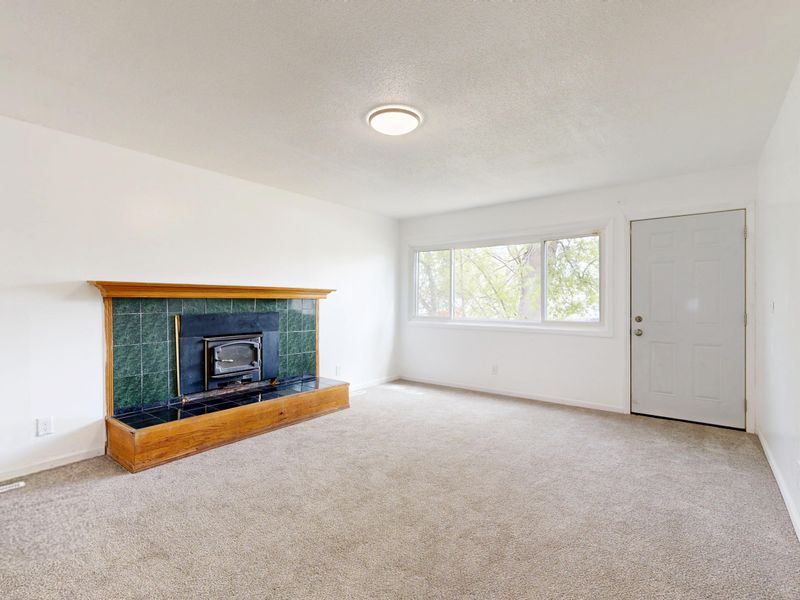
Clutter makes small living rooms feel cramped. Keep dresser and table surfaces clear, styling them with just a ceramic vase and a single olive branch. Follow the "one-in, one-out" rule for decor, and store books and electronics in closed drawers to keep the layout feeling open.