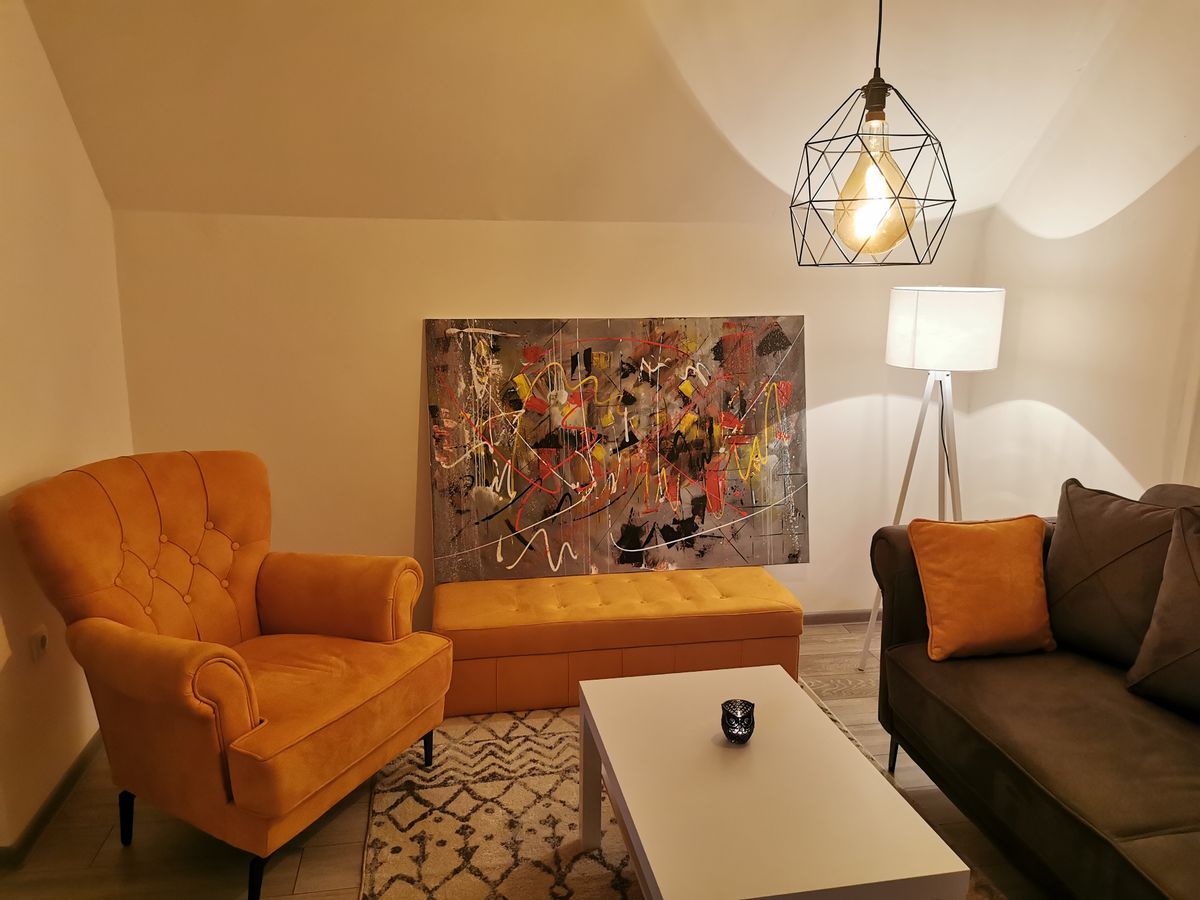
1. Multi-Functional Furniture for Maximum Space
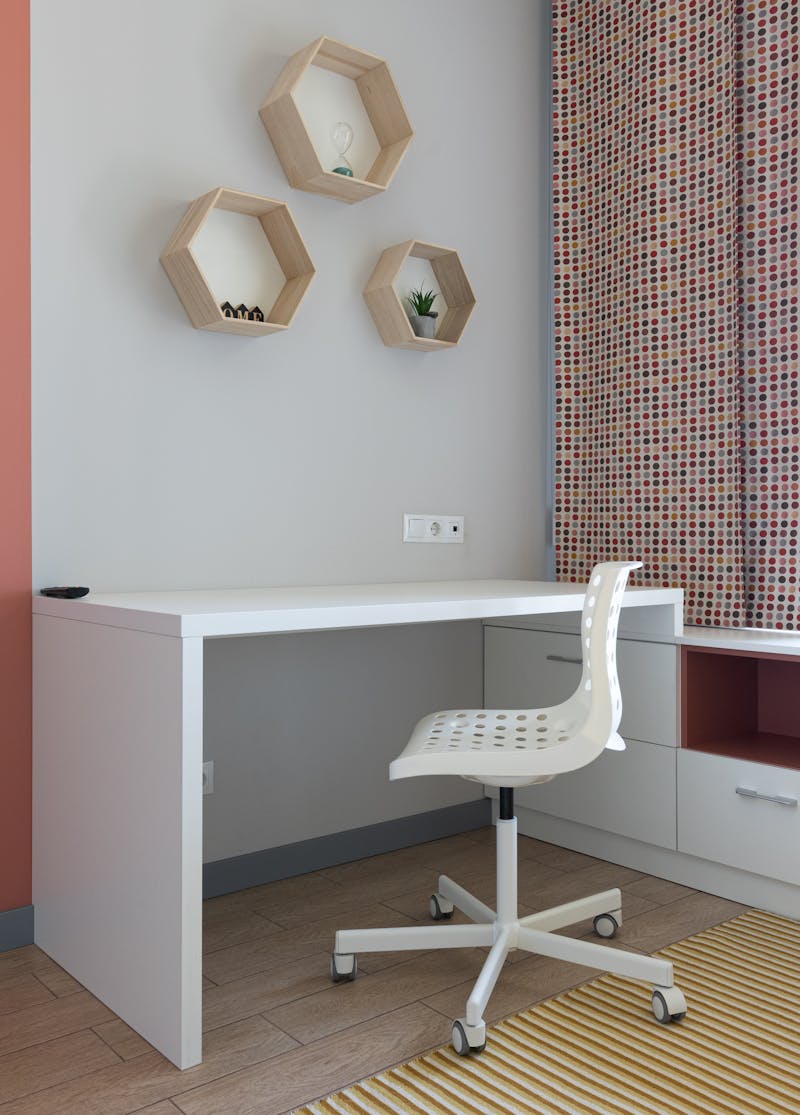
In a tiny bedroom, every piece of furniture must serve multiple purposes. Choose a platform bed frame with built-in storage drawers or a headboard with side shelving. Select folding desks that mount to the wall and can be closed after work hours. This saves valuable floor space, keeping your paths clear and maintaining clean visual lines.
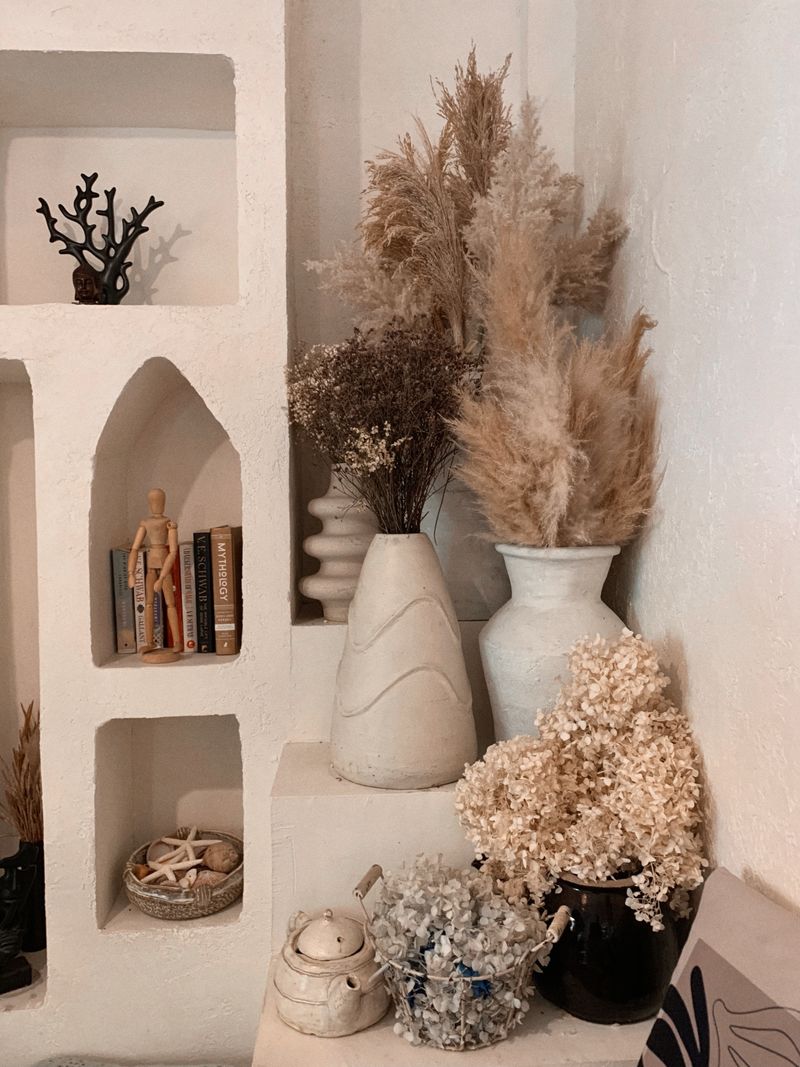
2. Light and Neutral Color Palettes
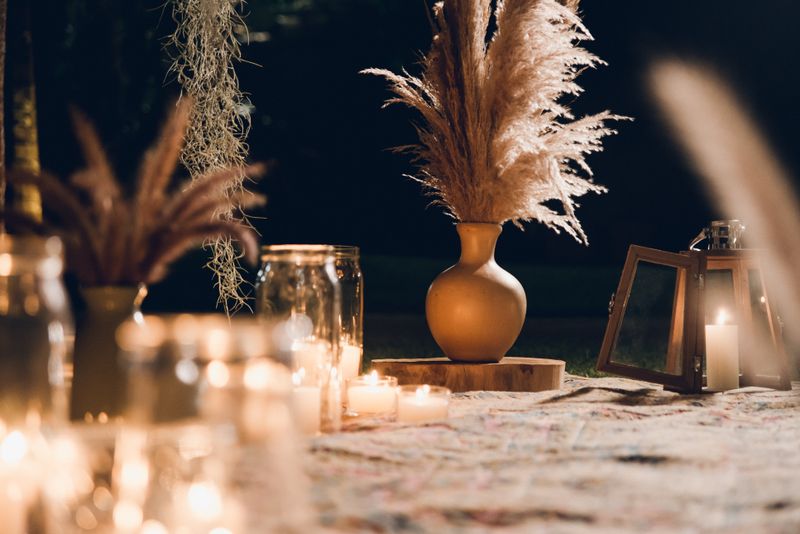
To make a small bedroom feel open and bright, use a soft, neutral color palette. Shades of soft white, cream, warm gray, and light beige reflect natural window light, visually expanding the walls. You can introduce pops of color through secondary accessories like pillows, dried foliage, and small art frames, keeping the base layout calm and airy.
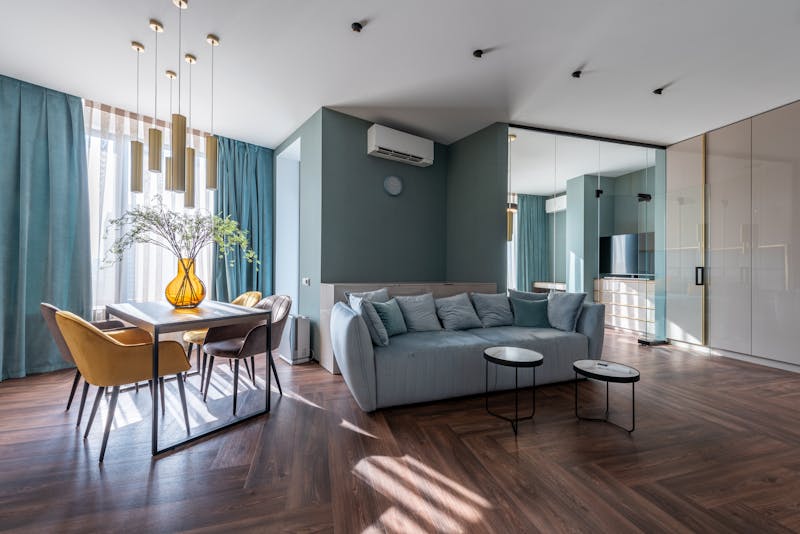
3. Mirrors for Visual Expansion and Depth
Mirrors are a classic tool for doubling visual space. Mount a large, full-length mirror on the wall opposite your bedroom window to reflect daylight and outdoor views deep into the room. If wall space is limited, choose mirrored closet sliding doors to open up the room while offering a clean, contemporary layout.
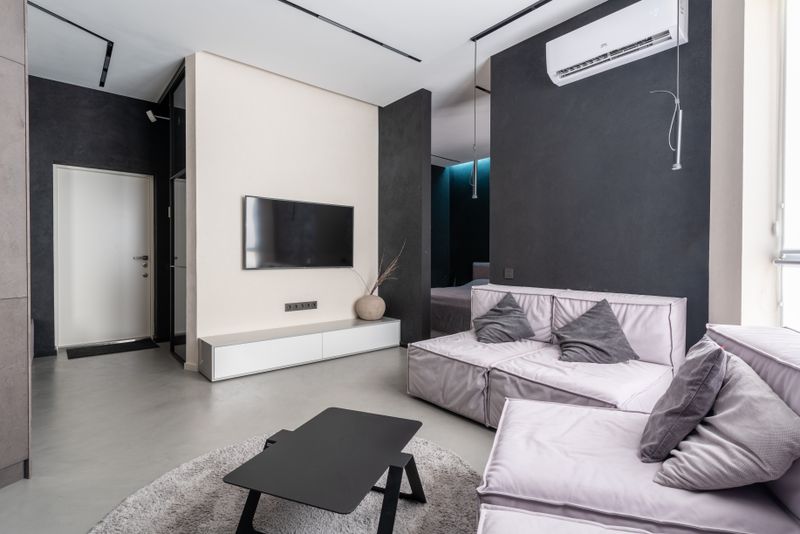
4. Vertical Storage Solutions
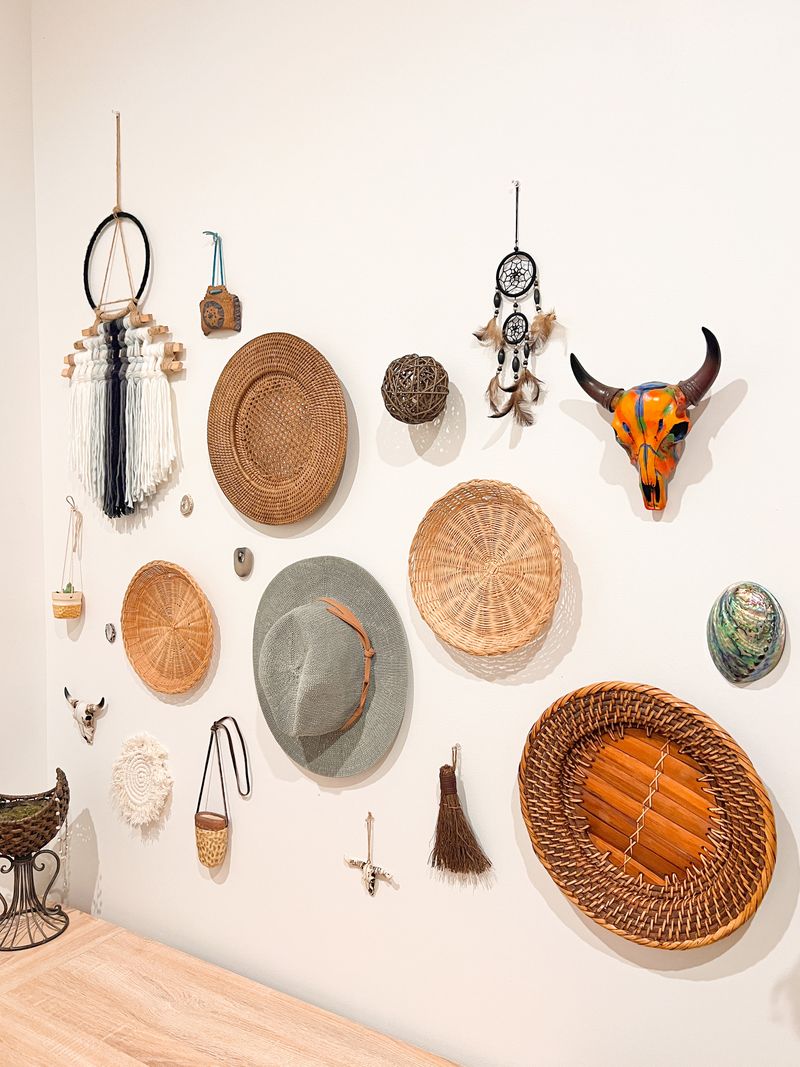
When floor space is scarce, design upward. Install tall, ceiling-height wardrobes or open display shelves to maximize vertical storage. Floating clothes racks and wall pegs are excellent for organizing bags, hats, and coats, drawing the eyes up and keeping the floor clear of bulky dressers.
5. Under-Bed Storage Ideas
The space beneath your bed is a hidden storage goldmine. Opt for under-bed storage containers on wheels to easily access off-season clothes, extra bedding, and shoes. Alternatively, choose a hydraulic lift storage bed frame, which lifts the entire mattress platform to expose a large, dust-free storage bay.

6. Loft or Elevated Bed Setups
If you have high ceilings, an elevated loft bed setup can double your bedroom's usable footprint. Placing the mattress on a secure mezzanine platform frees up the entire floor below for a desk, a cozy reading chair, or additional dressers. Loft beds are exceptionally practical for studio apartments and tiny rooms.

7. Compact Nightstands and Slim Furniture
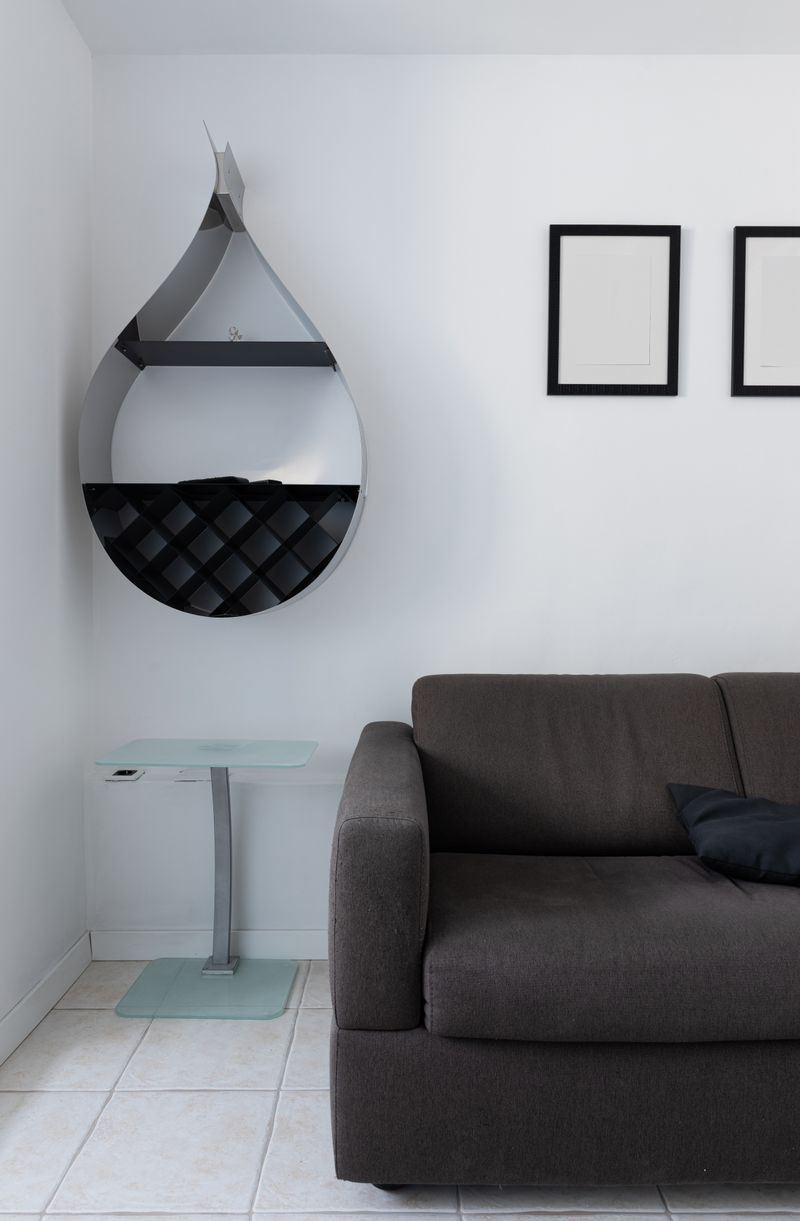
Bulky nightstands can squeeze your bed layout. Replace them with floating wall shelves or slim, leggy bedside tables. A floating nightstand keeps the floor visible, giving the illusion of a more open room. Keep tabletops organized by mounting wall lamps instead of using table lights.

8. Statement Wall Behind the Bed
Introduce personality without overwhelming the room by creating a single statement wall behind your bed. Use horizontal wood paneling, textured wallpaper, or a soft accent paint color. Keeping the other three walls neutral ensures the bedroom looks designed, structured, and intentional without feeling small.
9. Smart, Layered Lighting
Harsh ceiling lights can flatten a small space, making it feel cramped and casting dark shadows in storage corners. Instead, layer soft, warm light sources (2700K) at different heights. Mount brass wall sconces to clear nightstand surfaces, and place a small floor lamp in the corner. Dimmable warm lights highlight textures and soften walls, making the bedroom feel cozy, inviting, and visually open.

10. Curtains That Add Height and Openness
Hang your curtain rods close to the ceiling line, rather than just above the window glass. Floor-to-ceiling sheer linen curtains in sand or off-white draw the eyes upward, making low ceilings feel taller. Let the fabric pool slightly on the floor to soften the straight lines of the room, adding a relaxed look.

11. Decluttering and Minimalist Styling
Clutter makes small bedrooms feel cramped. Keep dresser and nightstand surfaces clear, styling them with just a ceramic vase and a single olive branch. Follow the "one-in, one-out" rule for decor, and store books and jewelry in closed drawers. This negative space keeps the bedroom feeling fresh, peaceful, and open.
"In a very small bedroom, negative space on surfaces is as important as floor space."
Amanda Green, Interior Stylist
12. Textiles and Rugs That Add Warmth
Soft underfoot surfaces ground a small layout. Place a textured, high-pile wool area rug under the bed frame, extending at least two to three feet past the sides. Choose a rug in a light cream tone to contrast with dark wood floors, adding warmth and visual comfort without clutter.
13. Floating Shelves for Display + Storage
Corners are often neglected in bedroom layouts, but in a small space, they offer valuable storage opportunities. Mounting a stack of three thick, white oak floating corner shelves creates a display zone for ceramics and books. Floating shelves have no brackets or legs, keeping visual lines lightweight.

14. Zoning Sleep vs. Work Corner
If you use your bedroom for work, separate the sleep and work zones. Set up a floating desk in a corner, and use a small folding screen or a tall plant to partition the workspace. This biophilic approach not only adds organic texture but keeps the bed as a restful zone, helping your mind wind down after work hours.

15. Small-Space Color and Pattern Mixing
Mixing patterns in a small room requires restraint. Stick to a simple rule: choose one main pattern (like a large windowpane check) and balance it with solid-colored textiles in matching tones. This introduces design interest to bed linens without visual noise.
Pattern Mixing Tip
Select patterns with a white or neutral base color. This maintains background continuity, helping the room look structured and clean.