1. Warm Whites and Creams as a Base
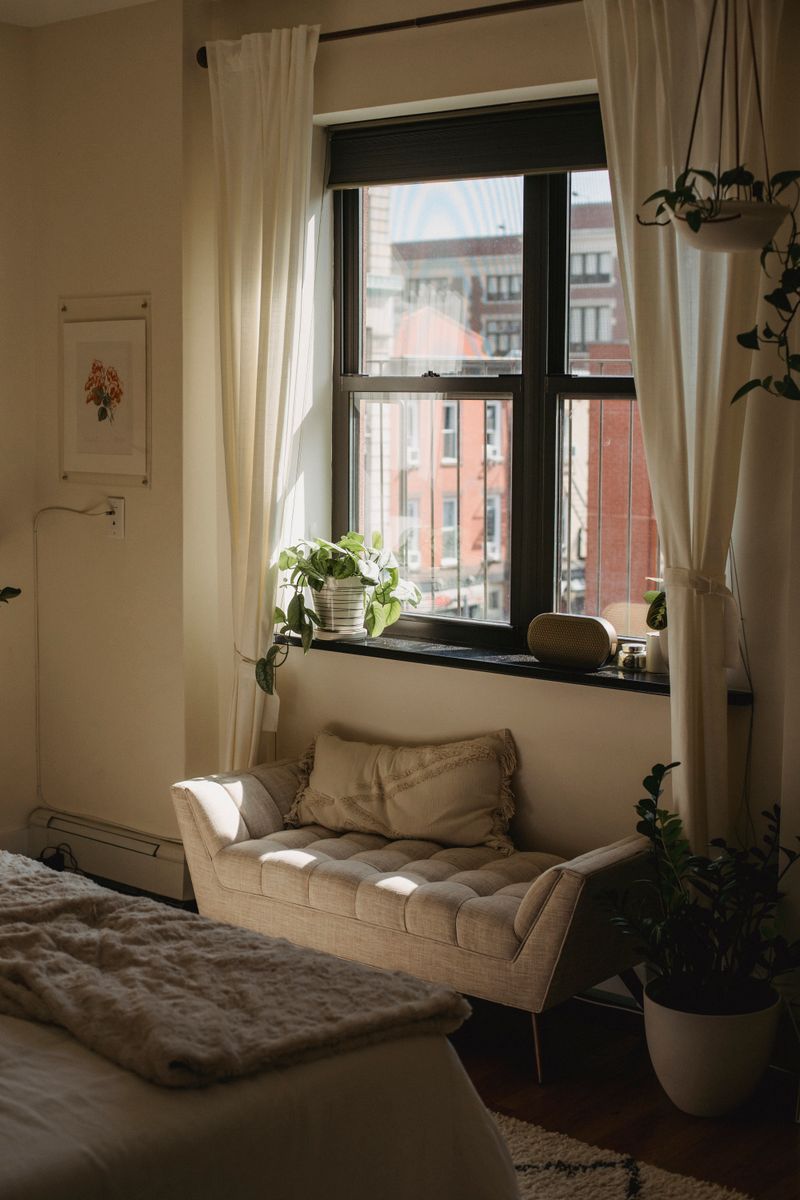
Select a warm alabaster white or cream paint color to serve as your room canvas. Warm whites reflect incoming daylight softly, preventing window walls from looking cold. Paint baseboards, door frames, and ceilings in the same neutral color to remove visual boundaries, helping small living room footprints feel open and spacious.

2. Layering Different Shades of Beige and Tan
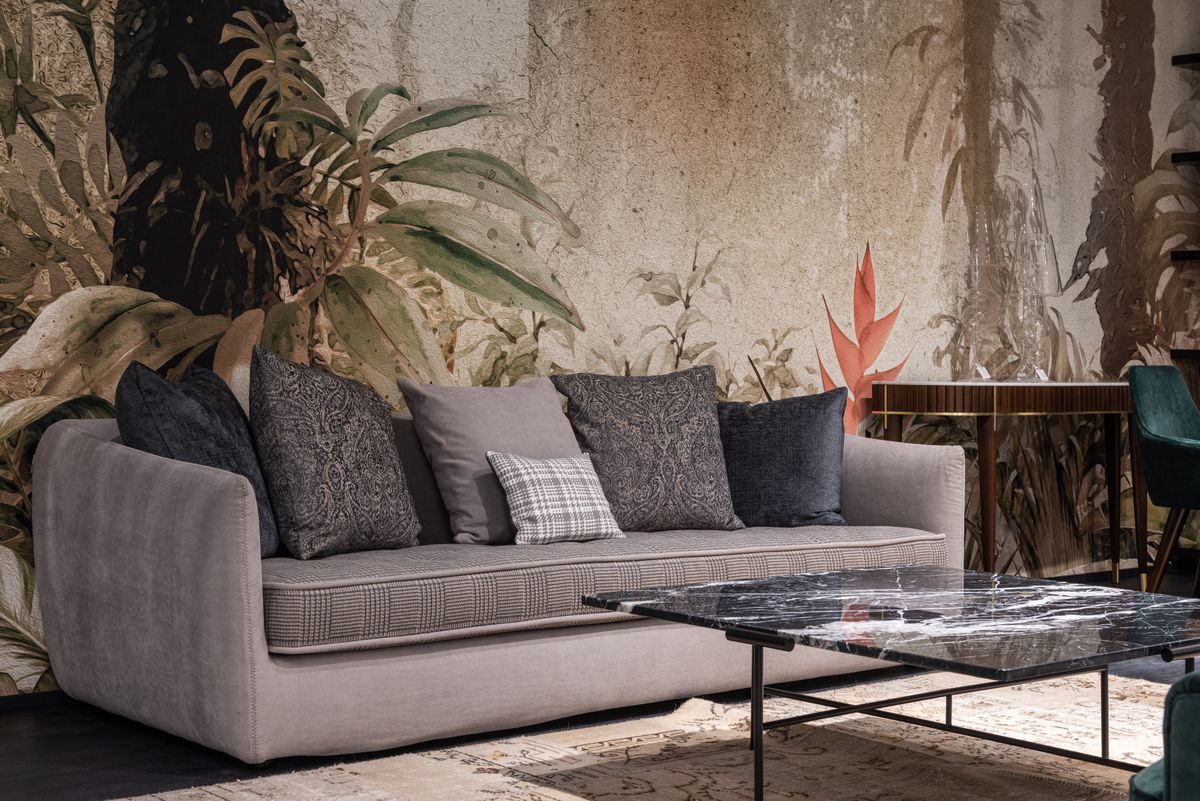
Avoid matching all furniture in a single shade. Combine a warm beige linen sofa with tan leather armchairs and soft cream pillows. Mixing light sand and rich tan shades creates depth, keeping the seating zone visually interesting under natural window light.
3. Greige Walls for Ultimate Versatility
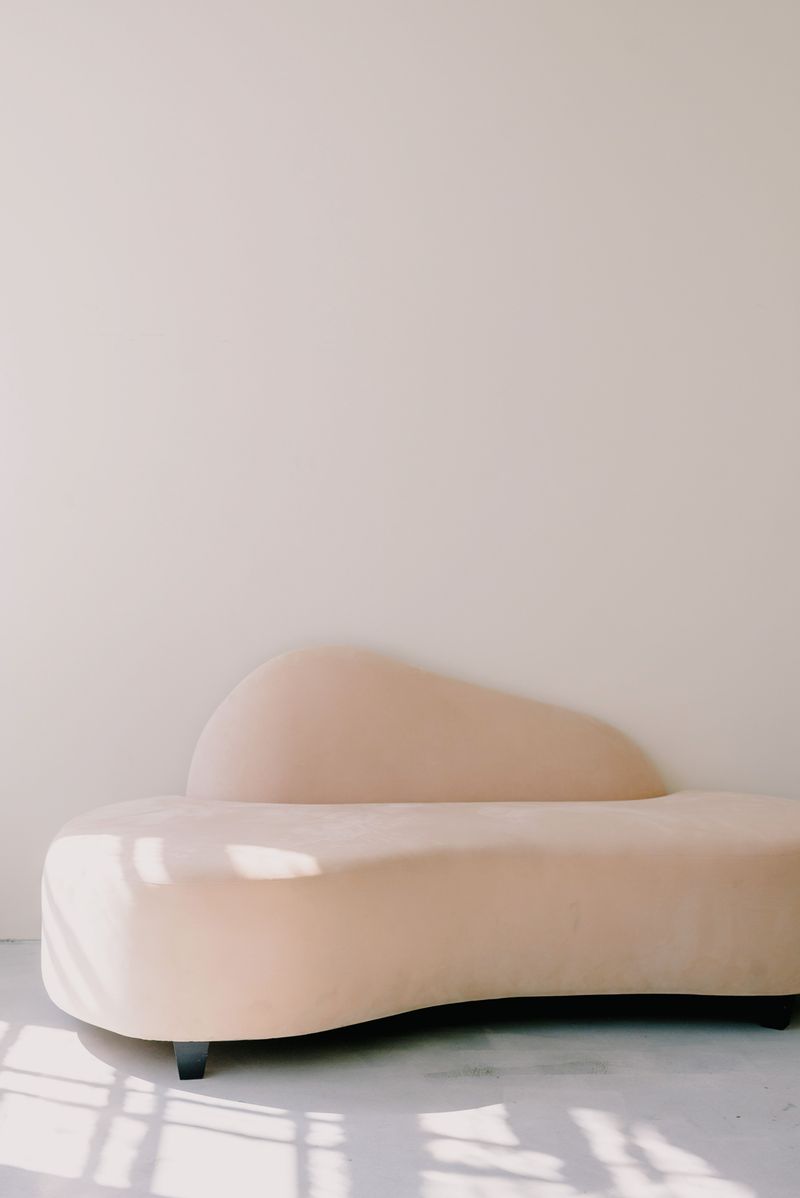
Greige (a blend of gray and beige) offers a neutral wall color that transitions between warm and cool tones. Greige coordinates beautifully with white ceilings and oak wood trim, serving as a neutral backdrop for white or cream area rugs and linen furniture.
4. Adding Warmth with Wood Tones
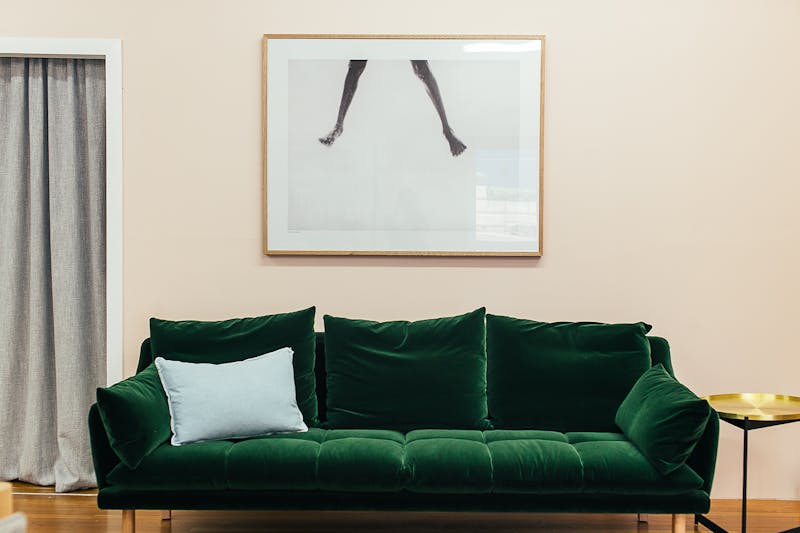
Incorporate natural wood furniture elements to ground the neutral colors. Use warm oak, cherry, or teak wood for coffee tables, floating bookshelves, or ceiling beams. Leaving the wood in its natural stain allows the organic grain to serve as the primary texture in the layout.
5. Mixing Textures (Linen, Wool, Jute)
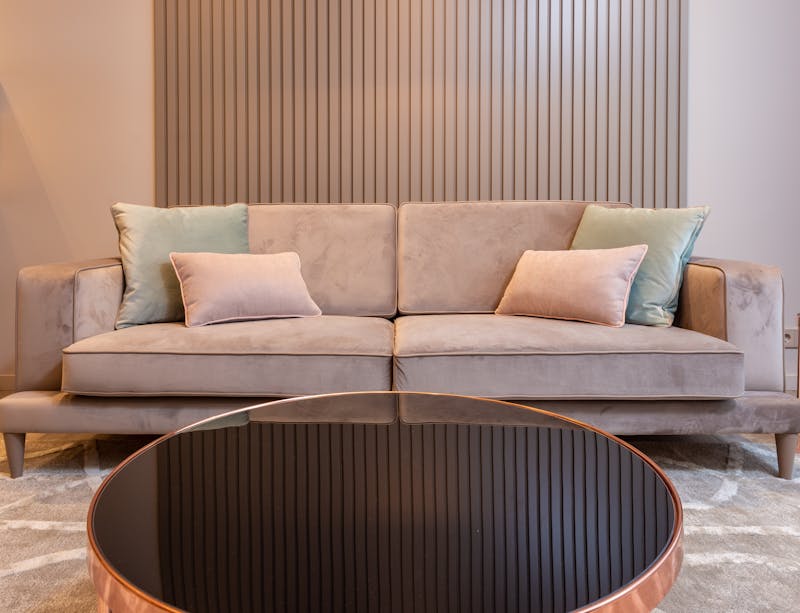
To prevent a flat appearance, layer touchable materials. Combine a linen sofa with a chunky wool throw, a jute rug, and cotton pillows. Mixing different textures adds physical comfort and visual interest, keeping the seating zone looking warm and inviting.
6. Black or Dark Accents for Contrast
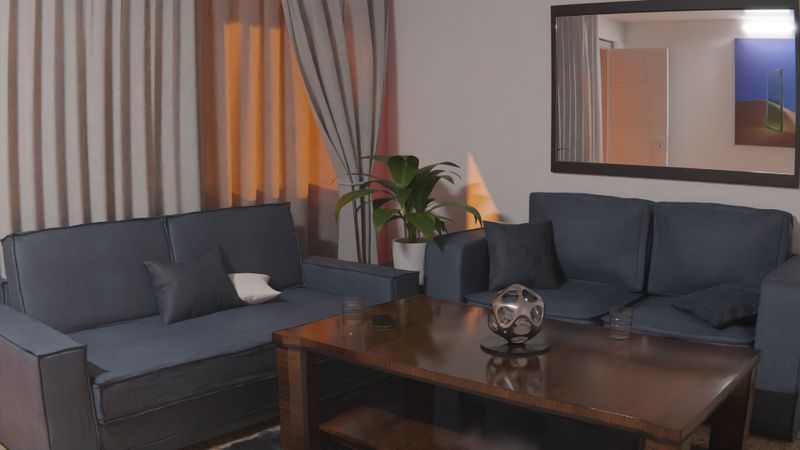
Avoid highly polished chrome. Instead, install matte black metal finishes to ground the warm wood grain elements. Install a black iron chandelier, black metal curtain rods, or black frames. The clean black lines act like a frame, highlighting the warm tones.
7. Natural Materials (Rattan, Stone, Woven Fibers)
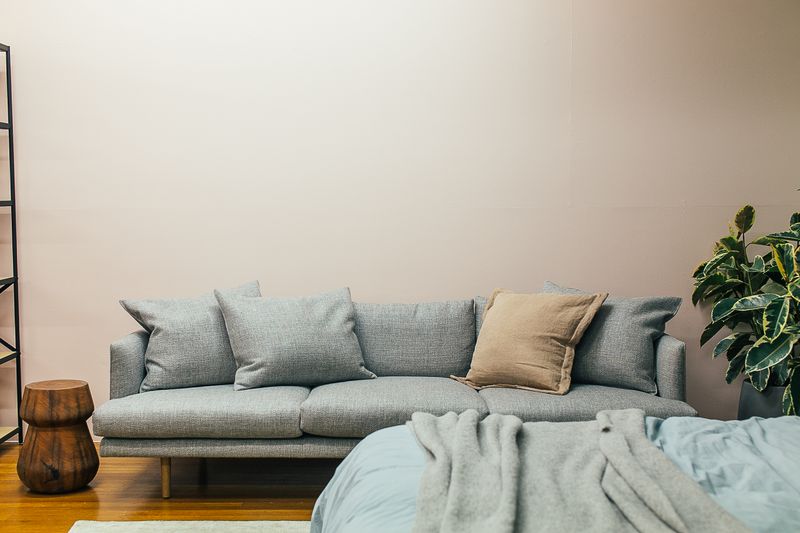
Introduce natural woven jute rugs or large wicker storage baskets. Woven textures reflect light softly while dampening sound, and rattan baskets provide a charming, practical solution for hiding loose items, keeping the layout looking clean.
8. Neutral Rugs with Subtle Pattern
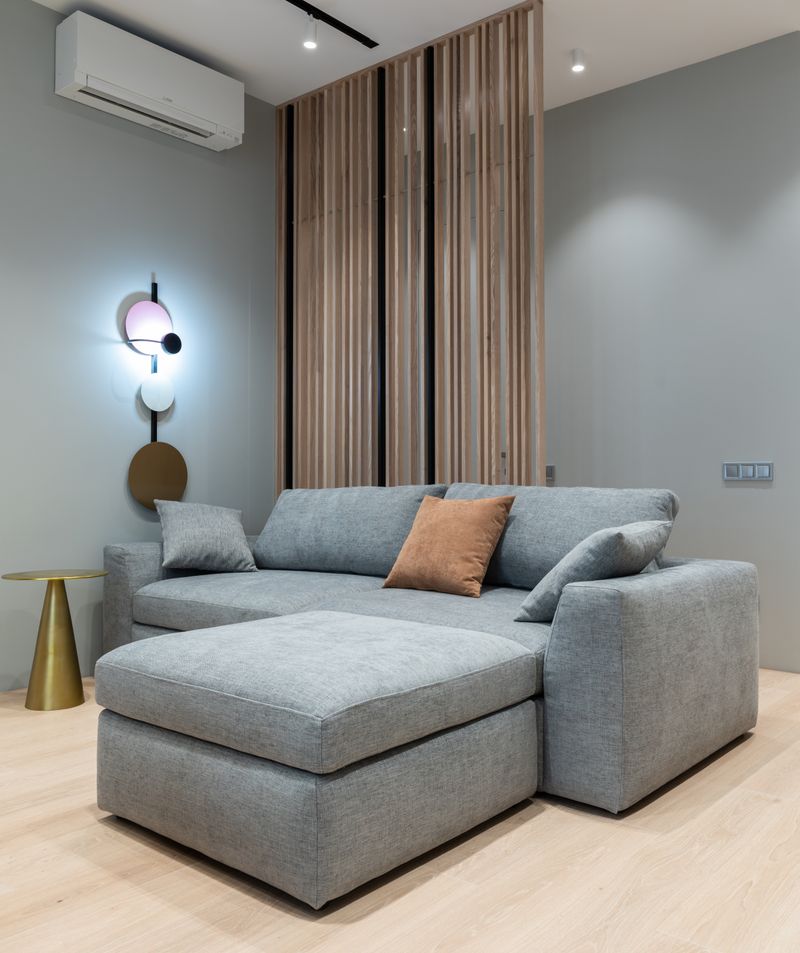
Select a large, low-profile wool or cotton rug in cream or soft gray featuring a subtle geometric or washed vintage pattern. A neutral rug anchors the seating layout, defining the lounge area while protecting floorboards. If you are planning a flooring renovation, check out our home flooring guide for details on matching light wood planks.
9. Soft, Muted Earth Tones
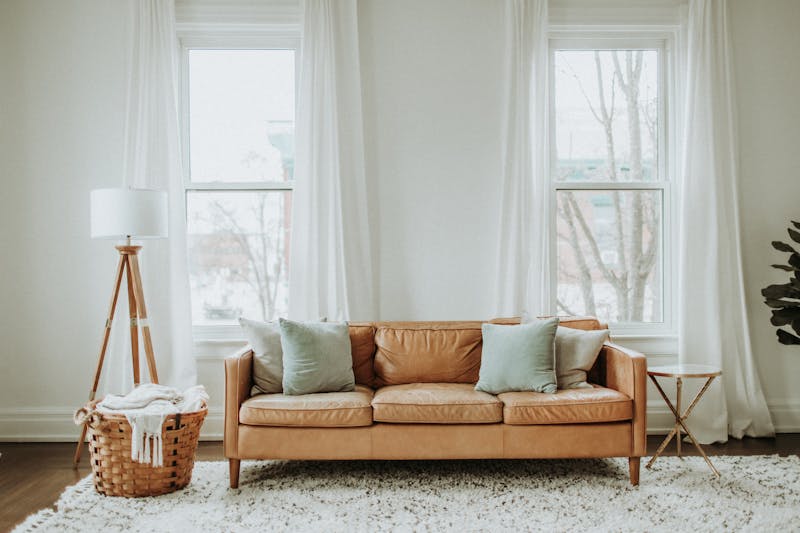
Introduce subtle earth tones like sage green, terracotta, or warm sienna. Using muted shades for throw pillows, art prints, or ceramic accessories adds color highlights without clashing with the grounding beige and white wall paint.
10. Layered Neutral Throw Pillows and Blankets
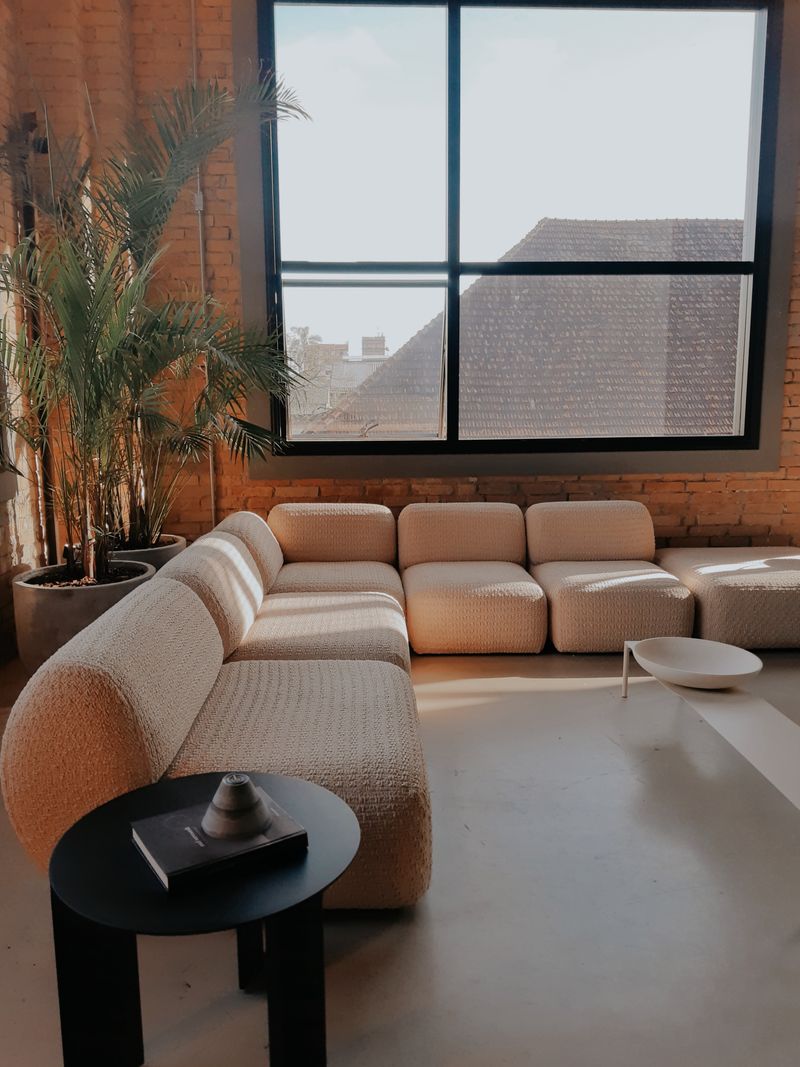
Layer throw blankets and pillows in contrasting materials like bouclé, chunky wool knit, and washed linen. Mixing touchable materials adds physical comfort and visual depth to neutral sofas, keeping the room looking warm and inviting.
11. Sheer or Light Linen Curtains
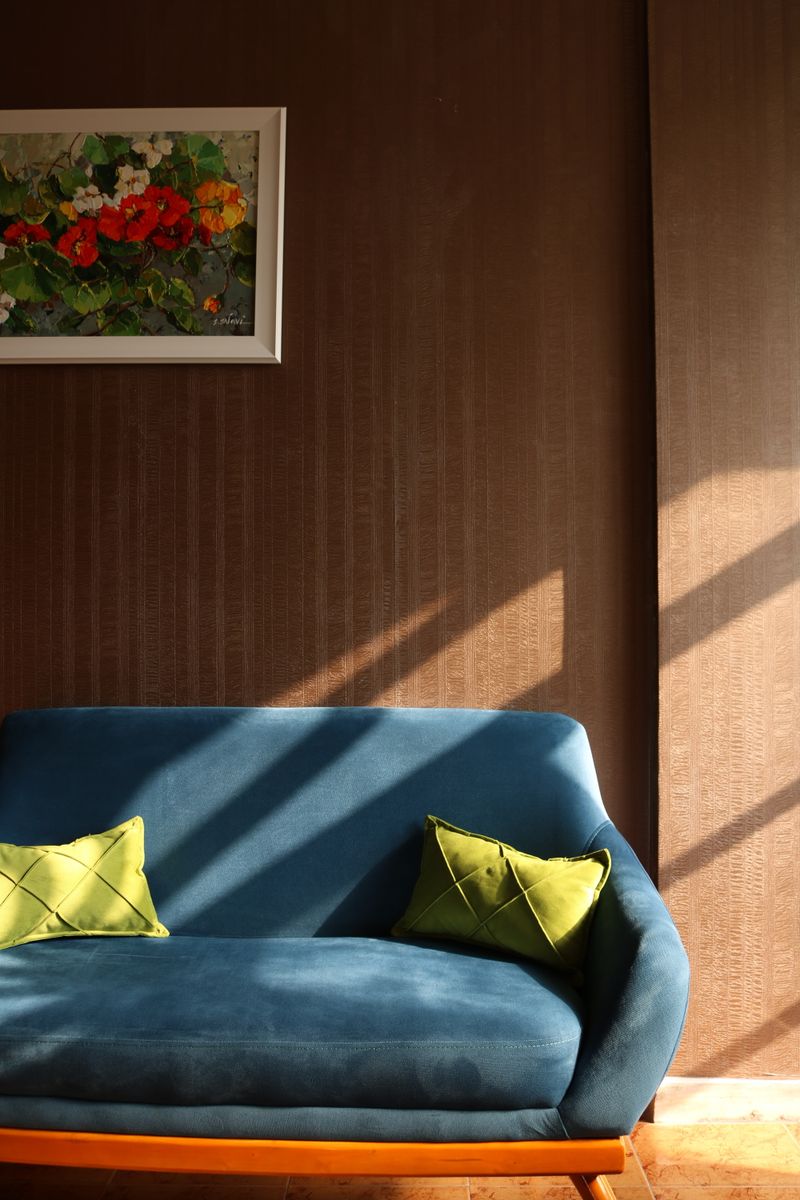
Hang lightweight white or beige linen curtains high and wide outside the window frames. Linen curtains filter daylight softly while making windows feel larger, maintaining an open feel in compact neutral lounges.
12. Matte and Organic Finishes Over Glossy Ones
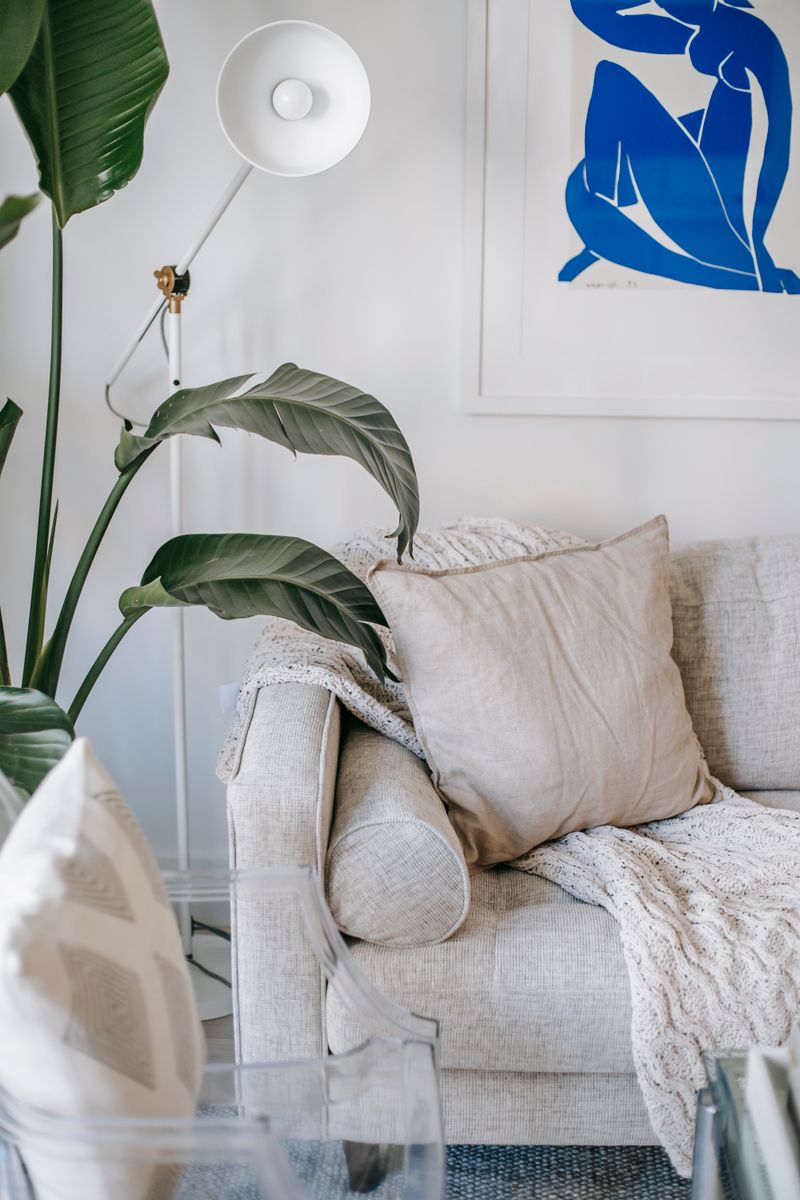
Select matte or satin-finished surfaces to brighten your space without the intense glare of polished surfaces. Matte paints and soft plaster wall finishes offer a soft glow and provide a calming atmosphere in the lounge.

13. Greenery to Add Life to a Neutral Scheme
Place a large clay vase filled with fresh olive branches on the coffee table. Natural plants break up hard table lines, bringing color and organic texture into the center of the seating zone.
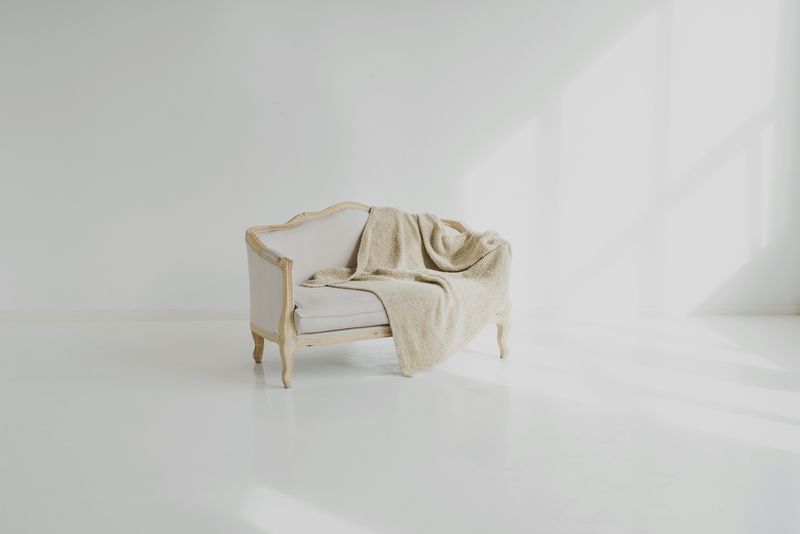
14. Tonal Art and Neutral Gallery Walls
Hang framed art prints or landscape paintings in neutral tones. Hanging art on empty walls brings the lounge to life, bridging the design transition between the functional seating area and the dining space.
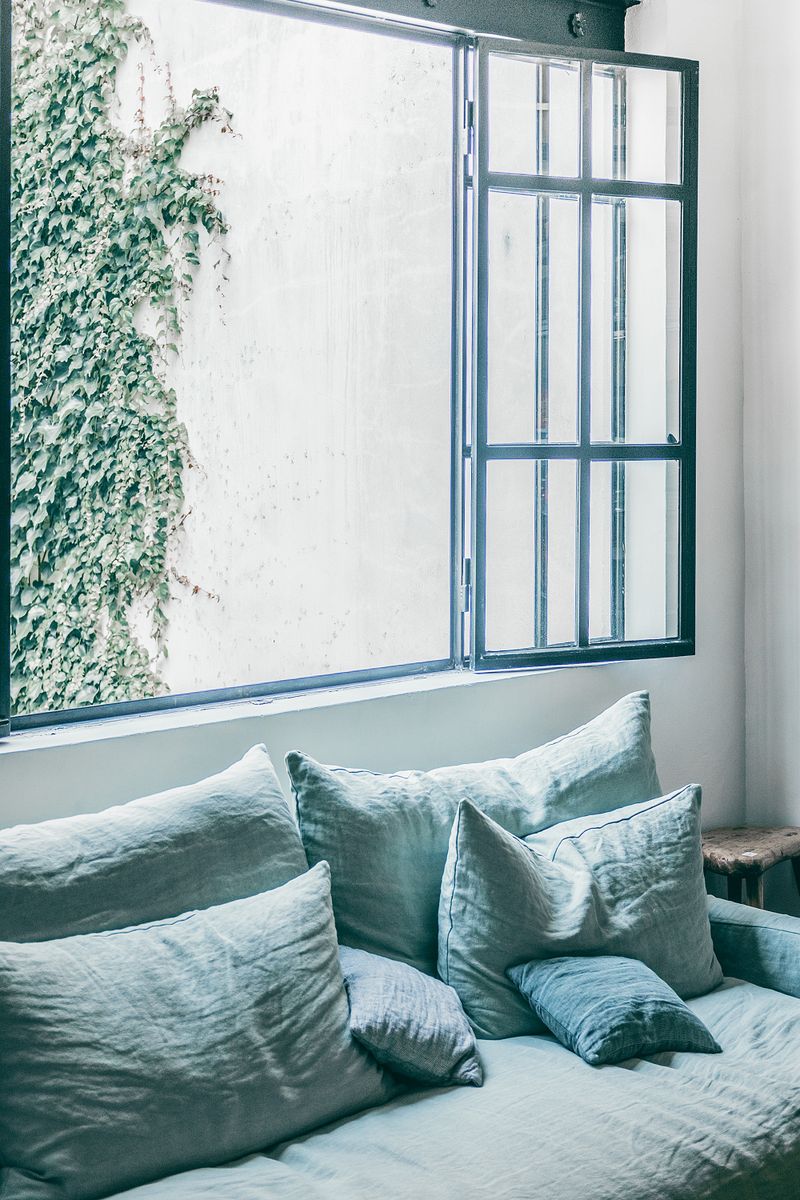
15. Mixing Metals (Brass, Black, Nickel)
Mix finishes naturally by installing warm brass floor lamps alongside matte black iron picture frames and brushed nickel table accents. Keeping the metals in complementary warm or cool undertones adds design depth.