1. Choosing a Limited, Cohesive Color Palette
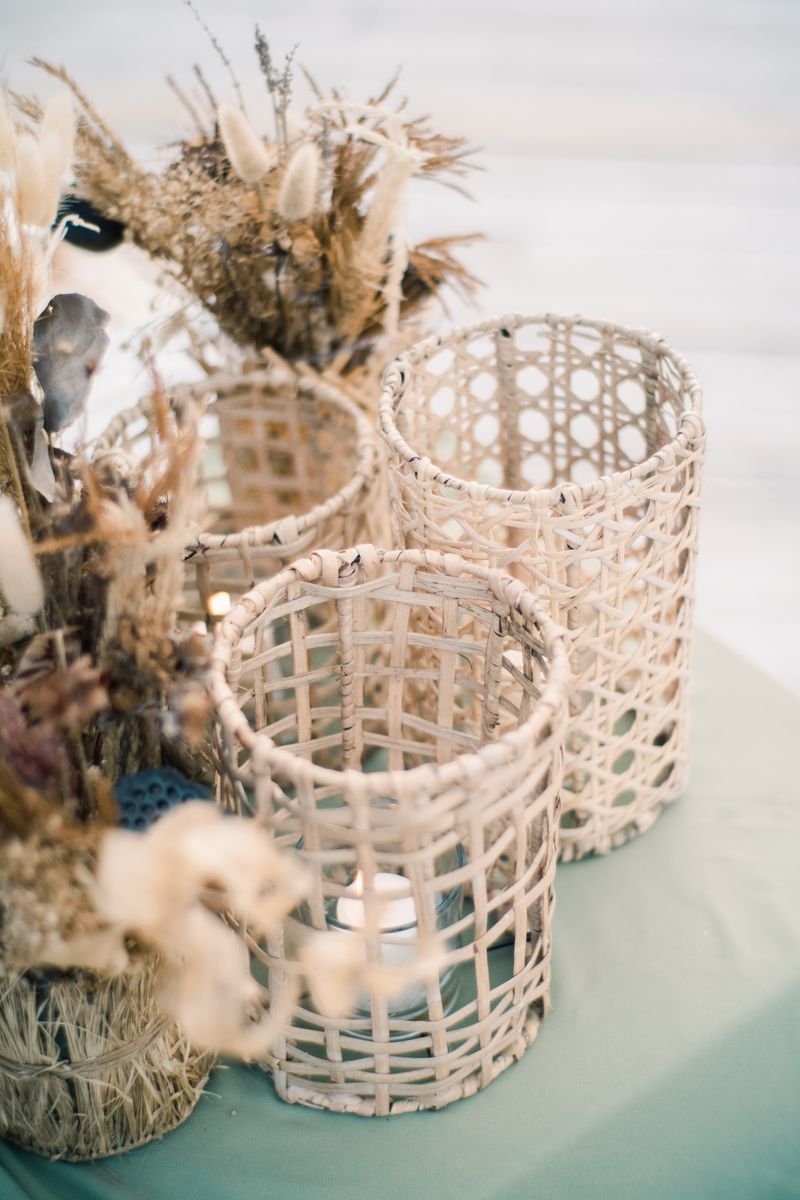
Start your design by choosing a simple three-color palette to coordinate the space. Stick to one dominant background color (60%), one secondary shade for large furniture (30%), and one subtle accent color for cushions and vases (10%). Keeping colors cohesive avoids visual chaos, letting space breathe.
Minimalist Palette Study
2. Decluttering as the First Step, Not an Afterthought
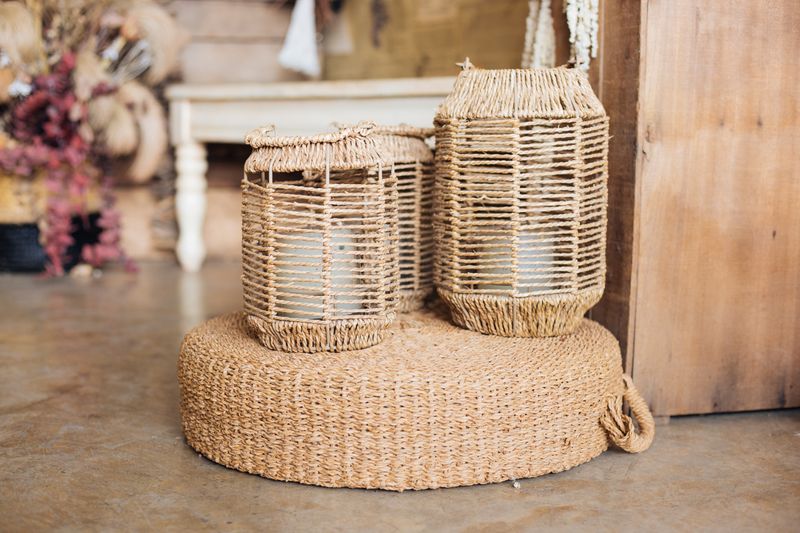
Clutter causes mental distraction and prevents relaxation. Keep console tables and nightstand surfaces clear, styling them with only three objects: a candle, a book stack, and a vase with dry eucalyptus leaves, leaving negative space to let the layout breathe.
3. Furniture with Clean, Simple Lines
Select armchairs and sofas with exposed wooden or metal legs rather than boxy skirts. Seeing the floor surface continue under the furniture trick the brain into thinking the room is larger, keeping the visual weight lightweight and modern.
4. Hidden Storage to Keep Surfaces Clear
In a tiny living room, every piece of furniture must serve multiple purposes. Choose modular sectional sofas that can be rearranged, or coffee tables with built-in hidden storage compartments. This saves valuable floor space in small rooms, keeping pathways open.
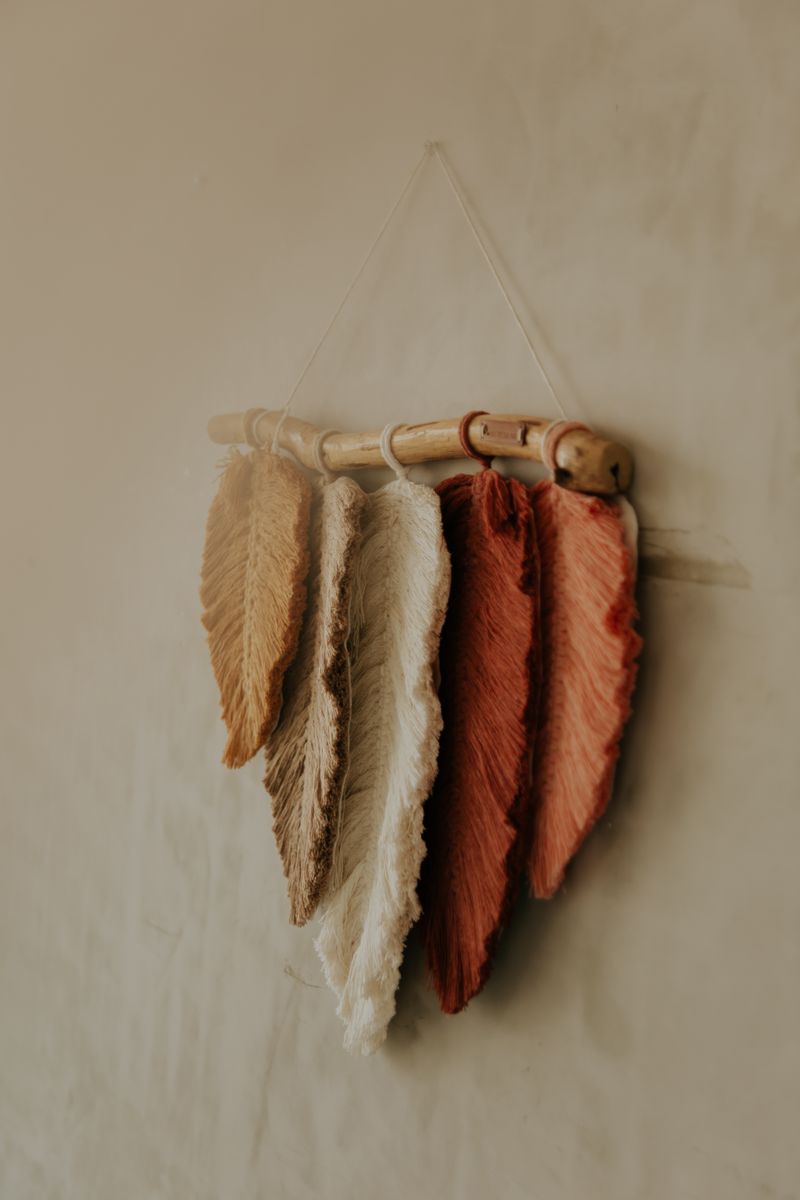
5. Quality Over Quantity in Furniture Choices
In a small living room, trying to fit multiple heavy furniture pieces makes the layout feel cluttered. Instead, focus your styling budget on a single, high-quality statement piece, such as a low-profile cream bouclé sectional sofa. A large, beautifully structured sofa anchors the room.

6. Negative Space as a Design Element
Flat drywall is shifting out in favor of texture. Applying a beige limewash paint or installing vertical wood panels behind your sofa creates depth that catches light. The plaster variations create subtle shadows throughout the day, looking organic and expensive.
Zoning Guide
Maintain at least 30-36 inches of walking room between furniture edges and walls. This keeps the traffic flow smooth and natural.
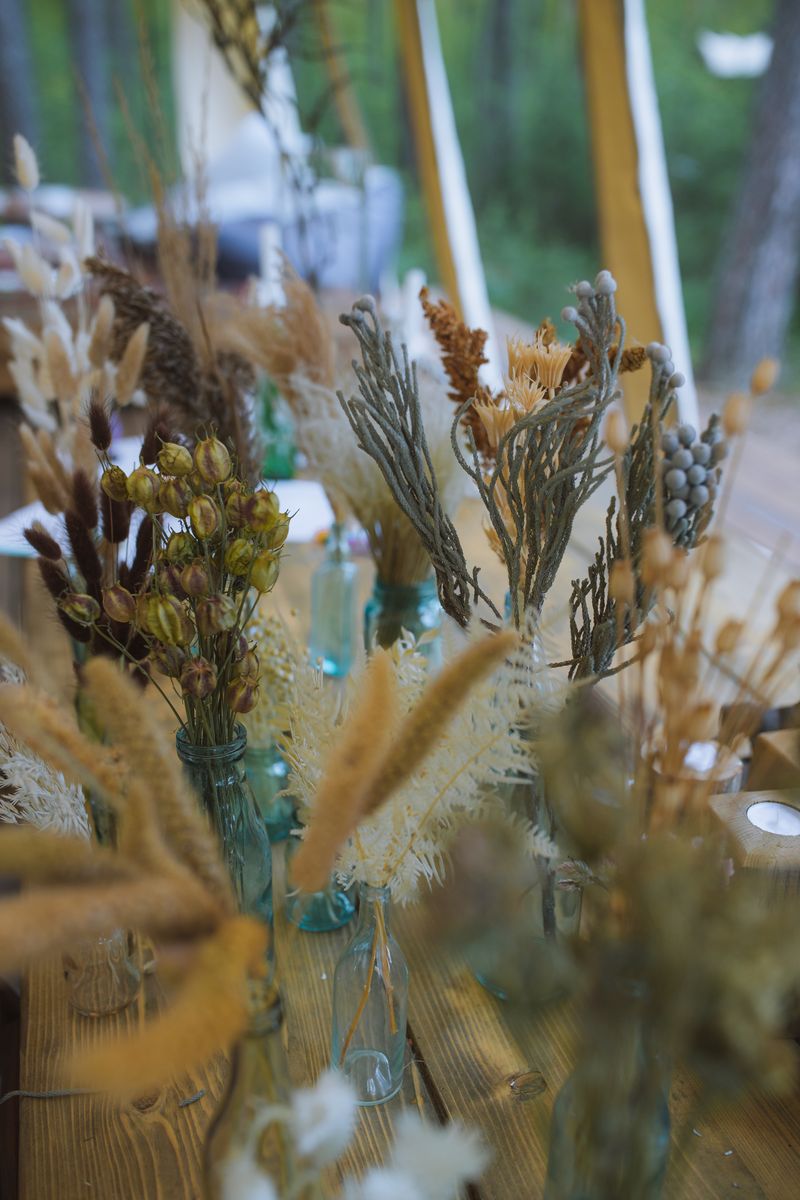
7. Natural Materials in Simple Forms
Stained white oak tables, clay pottery, wicker baskets, and linen drapery bring organic variations that ground your design. These natural materials age beautifully, obtaining a rich patina that adds cozy, historic character to modern smooth walls.
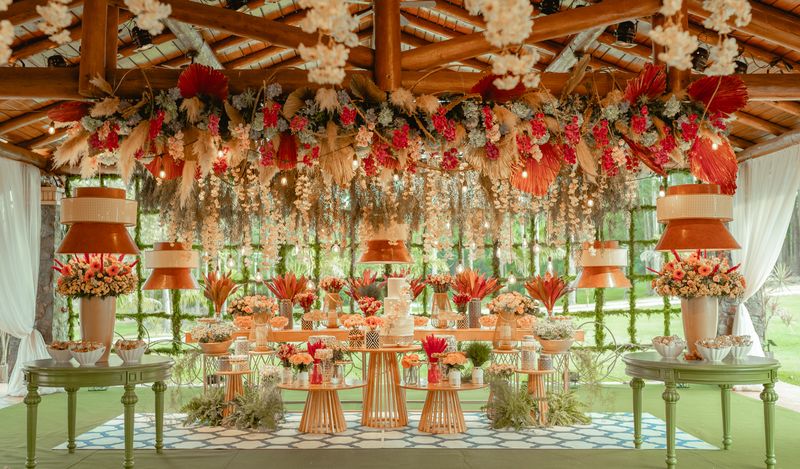
8. One or Two Intentional Statement Pieces
Hang a large round mirror opposite your window to double the daylight in your room. The glass panel acts as a visual window, breaking up solid drywall planes and bouncing sunlight into dark corners. Frame your mirror in a thin, elegant brass band to add a chic highlight.

9. Simple, Unfussy Window Treatments
Hang sand-colored sheer linen curtains to filter natural sunlight into a soft glow. Let the curtain fabric pool slightly on the floor to soften wall corners, and extend the rod past the window frames to expose the full glass pane.

10. A Single, Well-Placed Piece of Art
Avoid cluttered gallery walls with small frames. Instead, hang a single, large-scale abstract painting or minimalist sketch print in a thin oak frame over your sofa. The single piece acts as a clean focal point without overwhelming your visual palette.

11. Neutral Textiles Without Heavy Patterns
Introduce cozy comfort to your sofa by mixing touchable fabrics. Layer waffle-knit cotton pillowcases with velvet and boucle accent cushions. Mixing these natural fibers adds warmth and visual depth to the seating layout without requiring loud colors.
"Minimalism depends entirely on texture. Mix linen, wool, and stone to add warmth."
‚¬— Amanda Green, Interior Stylist
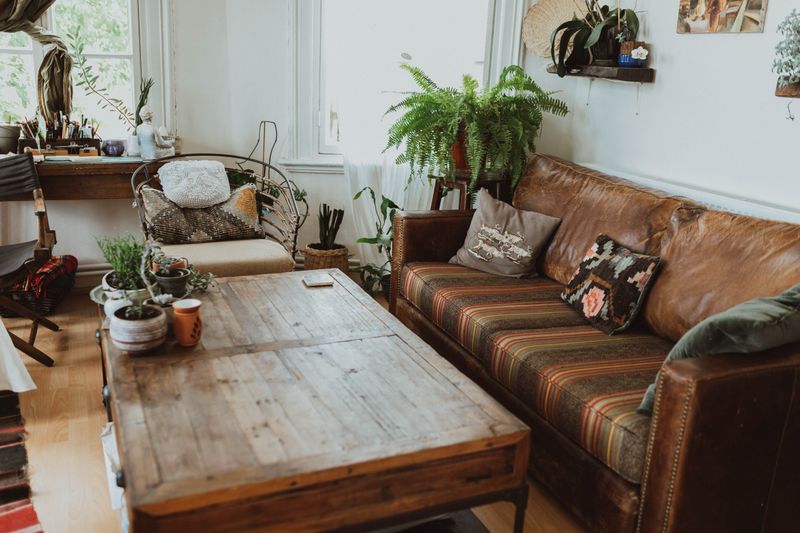
12. Functional Furniture with No Unnecessary Ornamentation
Your coffee table is the center of the seating zone. Keep it styled and clutter-free by grouping items in odd numbers. Place a flat oak tray holding a scented candle, a stack of linen art books, and a small stoneware vase with a delicate green branch.

13. Soft, Natural Lighting Over Busy Fixtures
Harsh overhead ceiling lights make rooms look cold. Recreate a cozy glow by layering warm white accent lights (2700K). Install low bedside table lamps with ceramic shades, brass wall sconces, and indirect dimmable LED strip lights inside coves.
14. Limiting Decor to a Few Meaningful Objects
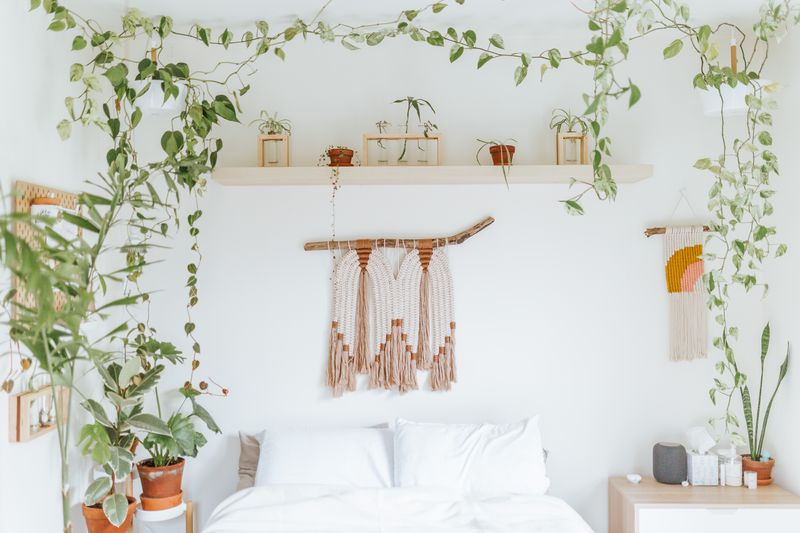
Avoid buying generic matching decor sets. Display handmade pottery, a vintage travel book, or framed photos from family trips. Personal details inject cozy soul and warmth into your home layout, making it feel like a real sanctuary.
15. Keeping Surfaces Mostly Clear
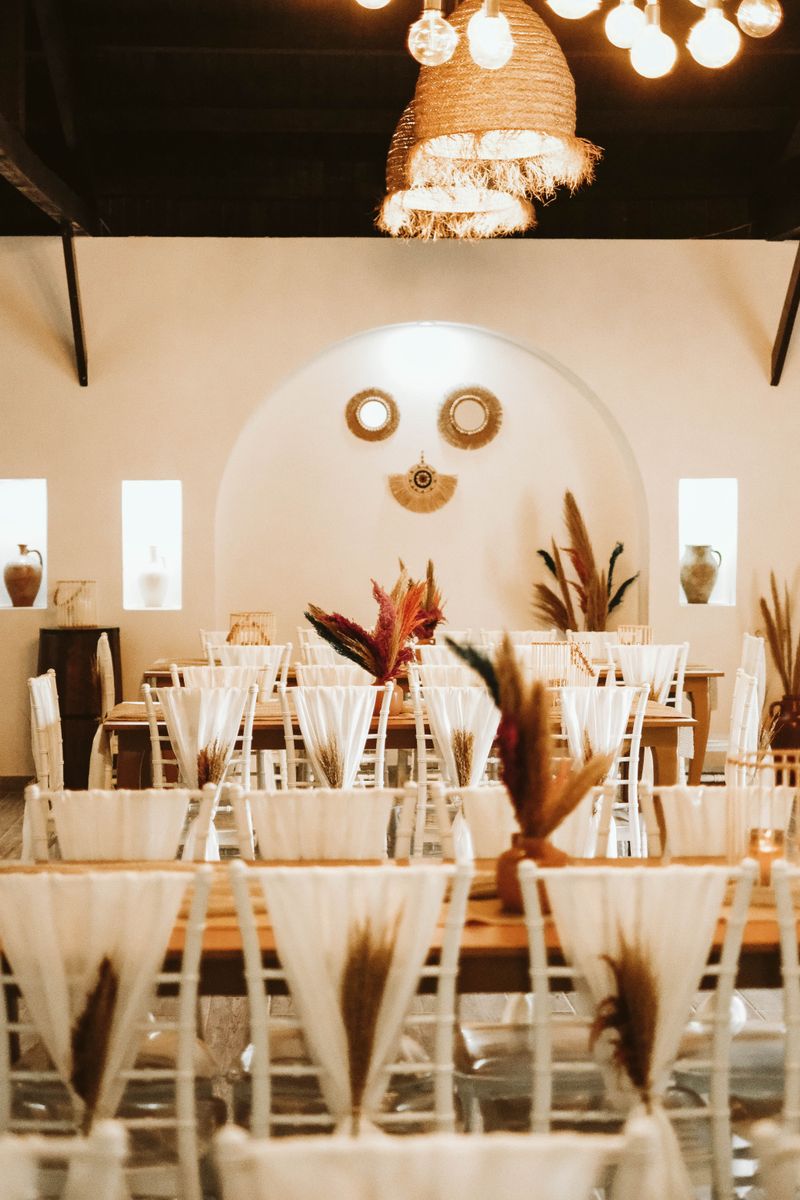
Ground your layout by placing a textured high-pile wool area rug under the bed or coffee table. The rug should extend past the sides of the furniture to provide a soft landing spot underfoot, breaking up cold wood floorboards.