1. What Defines a Curved Marble-Pattern Tile?
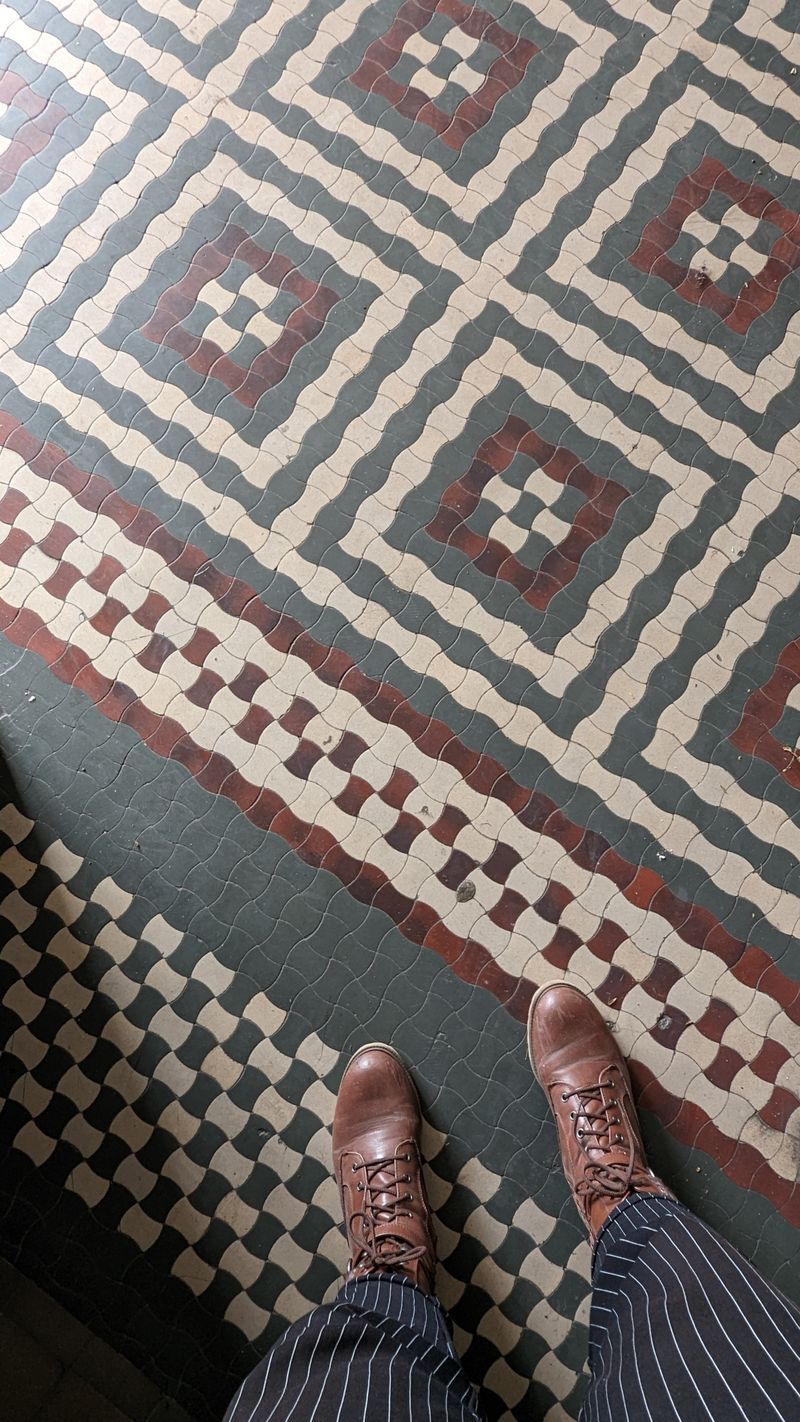
Unlike traditional marble slabs cut in linear blocks, curved marble-pattern tiles are manufactured to highlight sweeping, curvilinear mineral patterns. This design technique is achieved by selecting stone blocks with naturally rounded veins or using advanced digital printing on porcelain. The curved veins sweep across the surface of each tile, breaking up standard grid lines and creating an organic, flowing look. When laid side by side, these curved patterns form continuous visual waves that frame your home layouts cleanly.
2. Why This Style Feels More Luxurious Than Traditional Tiles
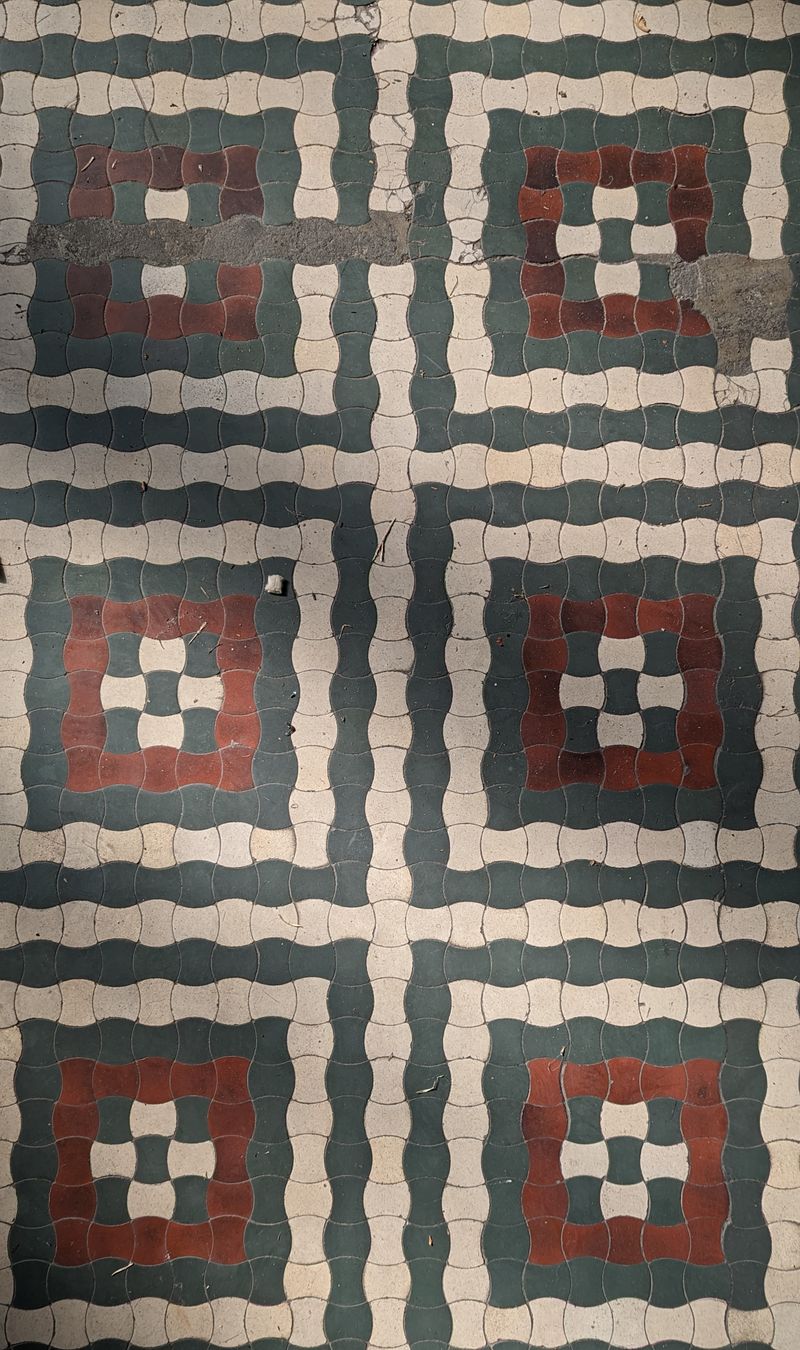
Traditional straight-veined tiles can look boxy and rigid when laid in a large room grid. Curved marble-pattern tiles feel more luxurious because they mimic rare, custom-cut bookmatched stone slabs. The organic, sweeping lines soften the sharp corners of modern furniture and plaster walls, creating a sense of custom craftsmanship. The fluid patterns visually connect separate living zones, helping open floor plans look balanced, unified, and high-end.
3. Popular Color Palettes
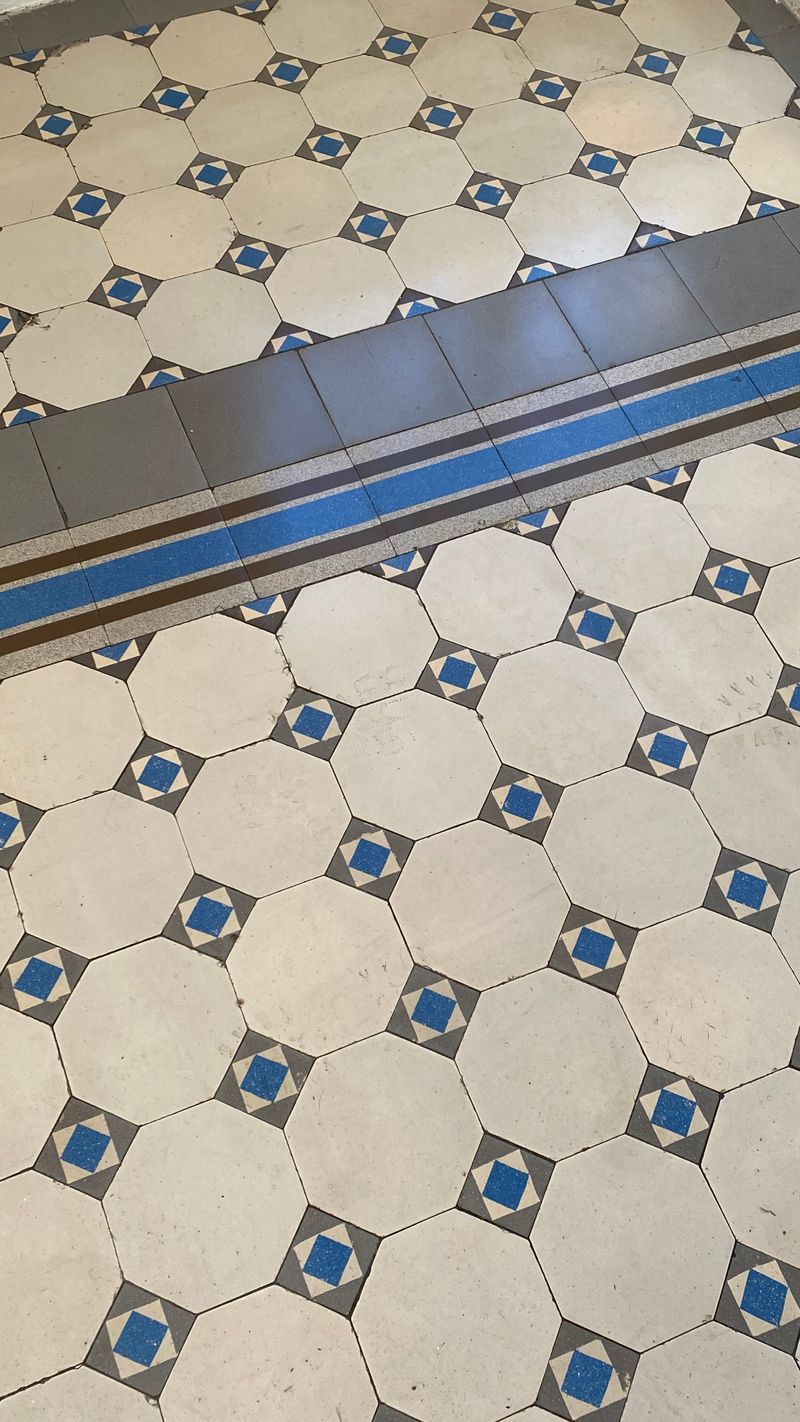
Curved marble tiles are available in several sophisticated color palettes to suit your design theme. Classic white marble with sweeping grey veins remains the signature choice for bright modern look. For a moody, high-contrast look, select black Calacatta marble tiles with gold or white curved veining. Warm beige-toned marble with sand and cream veins brings organic warmth, coordinating beautifully with oak furniture and neutral linen drapes.
4. Best Rooms for Curved Marble-Pattern Tile
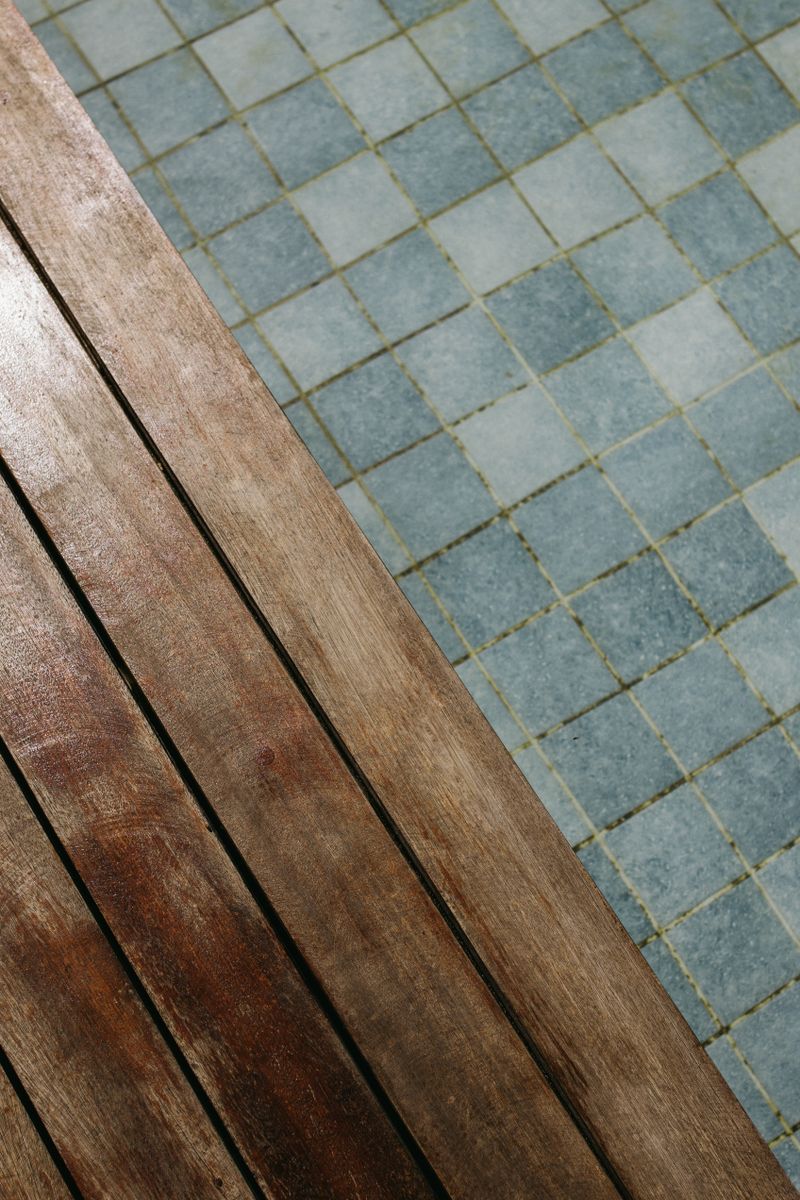
Because curved veining creates a strong visual statement, it works best in rooms with open layouts. An entryway is the ideal location to establish a clear design statement that greets visitors. In a master bathroom, polished curved marble tiles reinforce a spa-like environment. In a wide living room, the sweeping patterns guide the eye toward large windows, keeping the layout looking bright, open, and spacious.
5. Laying Patterns That Enhance the Curved Effect
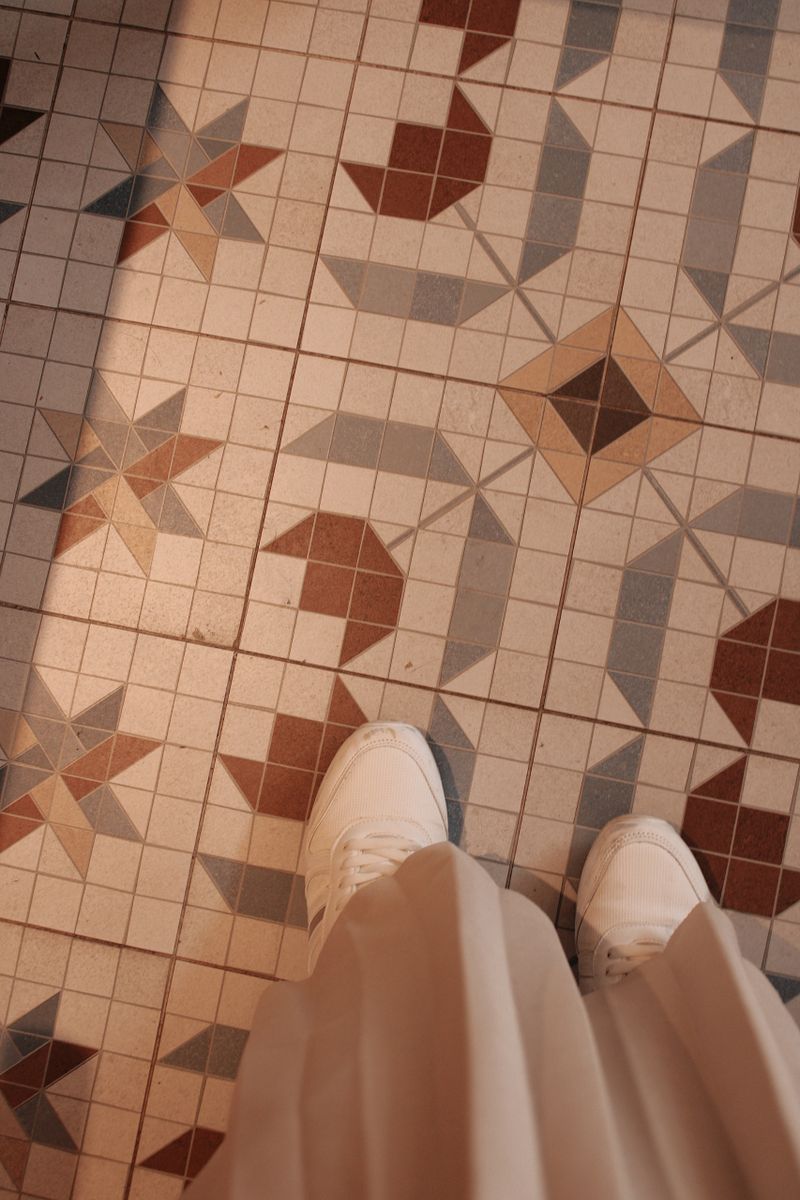
How you lay curved marble tiles affects the flow of the entire room. A bookmatched pattern mirrors the curved veining across adjacent tiles, forming large circular or wave-like shapes. Radial layouts align the curves to flow outward from a central point, making large entryways look grand and structured. Sourcing rectified tiles is crucial, allowing for paper-thin grout lines that keep the curved pattern completely seamless.
6. Pairing Lighting to Highlight the Finish
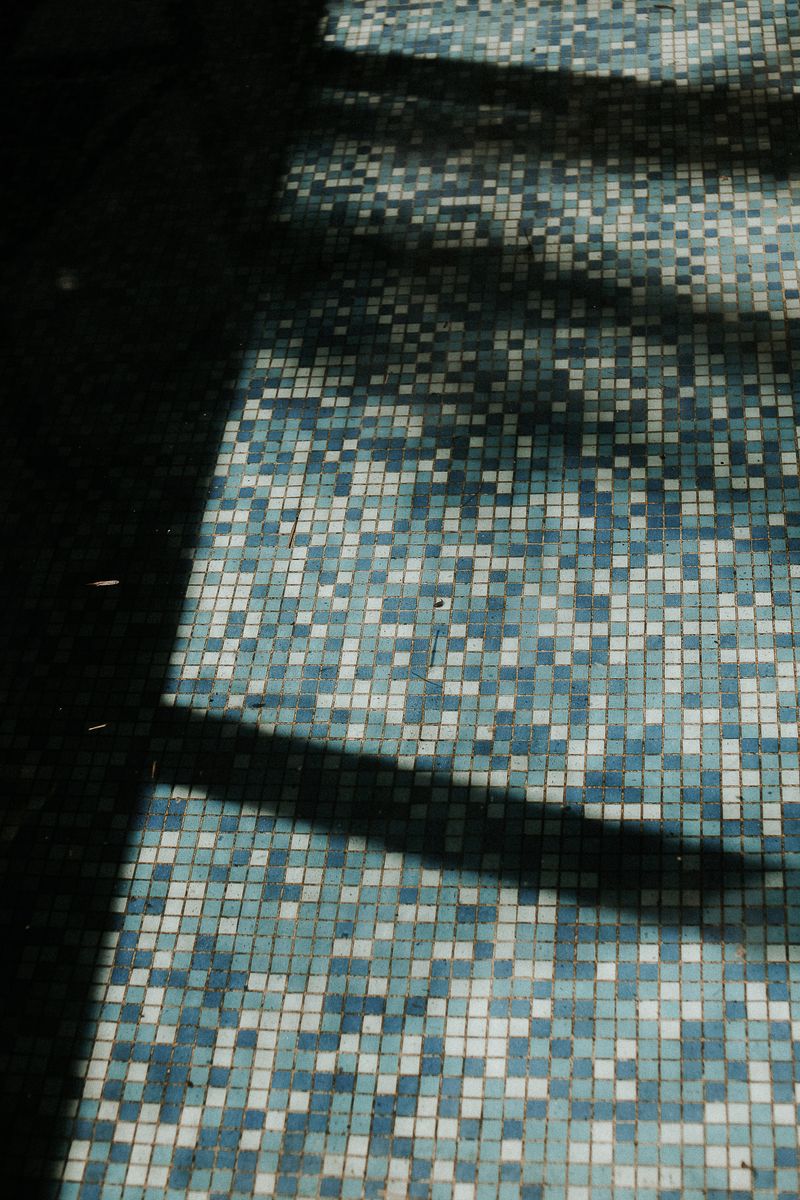
Lighting plays a major role in highlighting the polished reflectivity of marble. Install dimmable recessed spotlights in the ceiling to project warm light cones onto the polished floor, creating soft highlights that emphasize the curved veins. Avoid using unshielded spotlight bulbs that cast harsh glare on the glossy surface. Diffused LED light strips along baseboards wash the floor in a soft, even glow.
7. Complementary Furniture, Wall Colors, and Finishes
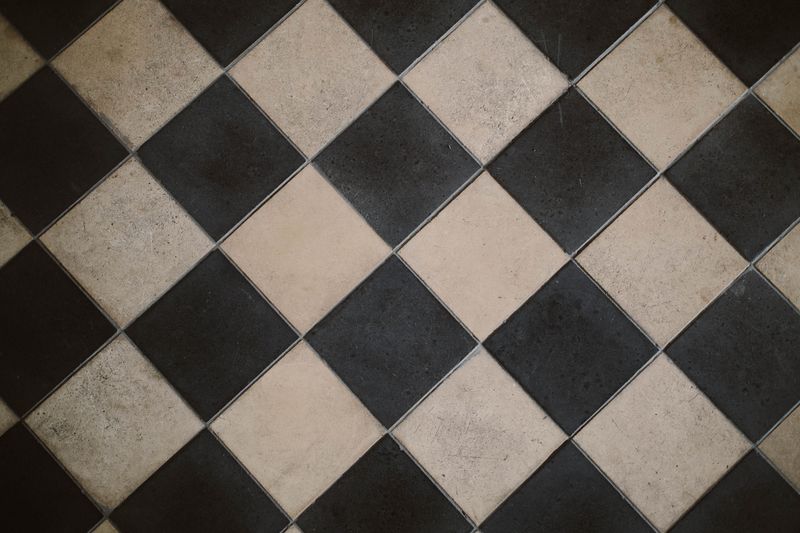
To balance the striking curved floor, keep surrounding furniture and wall treatments minimal. Choose low-profile furniture in solid colors, like a matte black coffee table or a simple oak credenza. Paint walls in a solid neutral color like matte cream or pale grey. Sourcing minimalist styling pieces lets the curved floor serve as the design focus, keeping the room looking balanced and organized.

8. Real Marble vs. Porcelain/Ceramic Alternatives
Real marble is a premium material that requires periodic sealing and handles traffic carefully. Porcelain marble-look alternatives offer excellent durability at a fraction of the cost. Porcelain is denser than natural stone, completely waterproof, and scratch-resistant, making it ideal for high-traffic kitchens. Advanced digital printing mimics the curved veins of real Calacatta marble with incredible realism, providing a luxury look with zero maintenance.

9. Cost Considerations and Installation Process
Installing curved marble-look porcelain tile is a premium project, costing between $12 and $22 per square foot. The installation requires a perfectly flat concrete subfloor to prevent cracks. Hire a professional tiling contractor who uses a clip leveling system to keep the tile edges aligned perfectly flat. Laying out a bookmatched pattern requires careful planning and dry laying the tiles first to ensure the curves align seamlessly.
10. Maintenance and Care Tips
To preserve the high-gloss shine of polished tiles, sweep the floor daily with a soft broom to remove dirt. Mop weekly with warm water and a pH-neutral cleaner. Avoid using abrasive scrubbing pads or harsh acid cleaners that can scratch or dull the polished finish. Place protective felt pads under furniture legs to prevent scratching, keeping your luxury floor looking pristine for decades.
11. Common Design Mistakes to Avoid
One of the most common mistakes is selecting wide grout lines (greater than 1/8 inch), which breaks up the seamless curved pattern. Another error is over-decorating the room with busy wallpapers and colorful rugs, which competes with the floor and makes the space feel cluttered. Ensure you use thin grout joints, choose a matching grout color, and keep surrounding furniture styling minimal to maintain clean lines.
12. How to Decide If Curved Marble-Pattern Tile Fits Your Space
If you love classic luxury and modern, flowing lines, curved marble-pattern floor tiles are an excellent choice. Consider your room scale: entryways and bathrooms are ideal locations. Evaluate your budget and choose a high-quality rectified porcelain tile. Sourcing a skilled tiling contractor ensures the curved joints align perfectly, giving you a durable, beautiful design feature that elevates your daily living.