1. The Rule of Three in Styling Groups
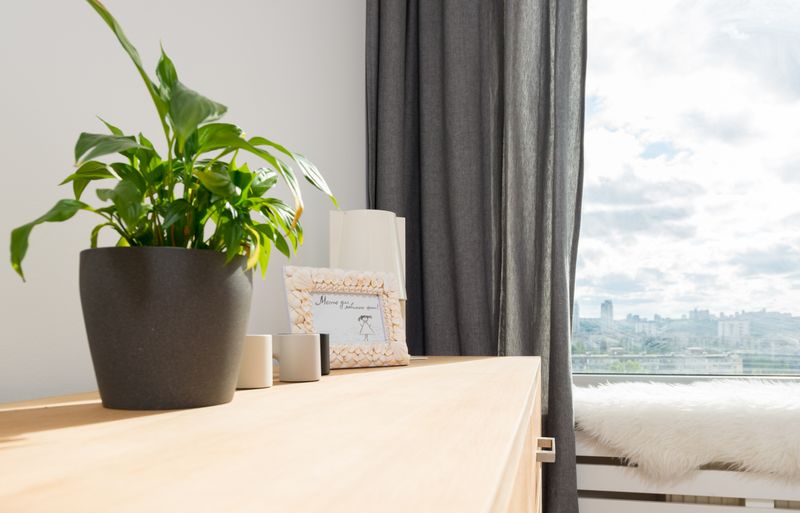
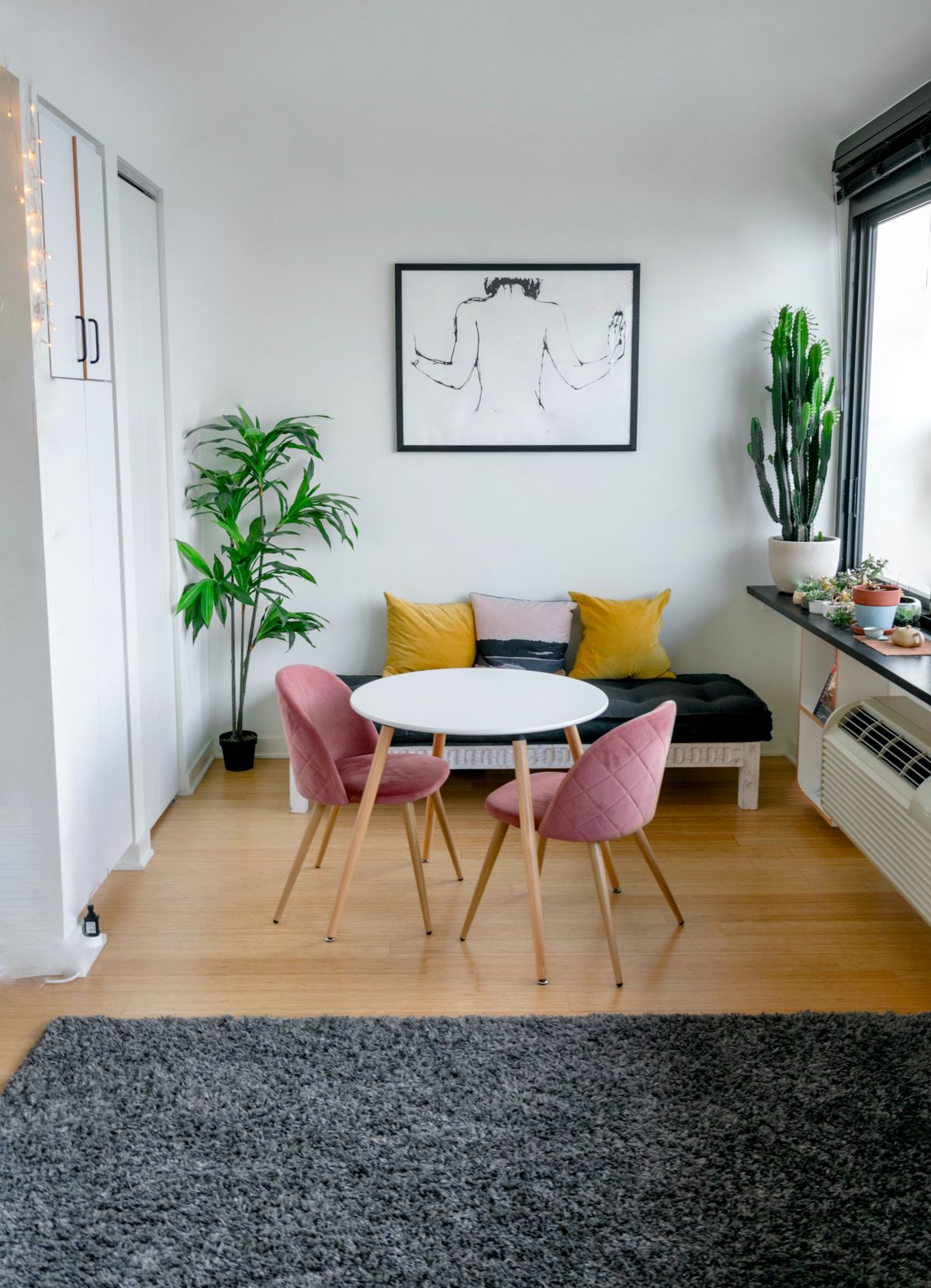
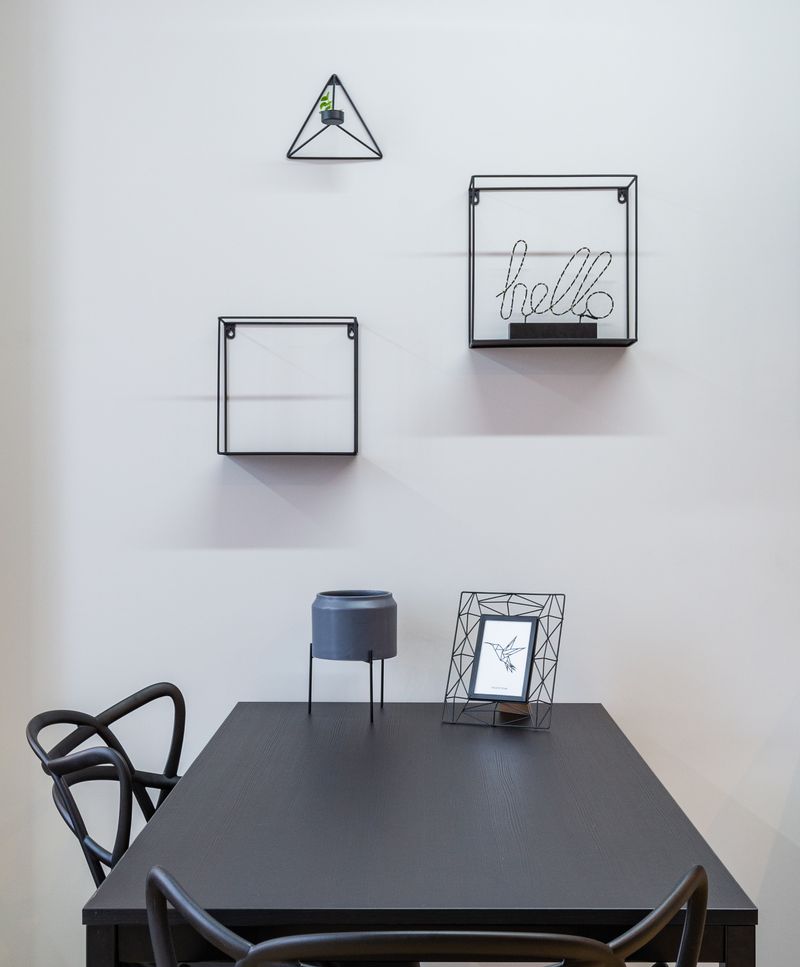
When styling shelves or tables, group items in odd numbers like three or five. The eye naturally moves across uneven groups, finding them visually interesting. Group a tall clay vase, a stack of two books lying flat, and a small round candle. This creates a balanced, organic vignette that looks professional and designer-curated.
2. Layered Lighting Instead of One Overhead Source
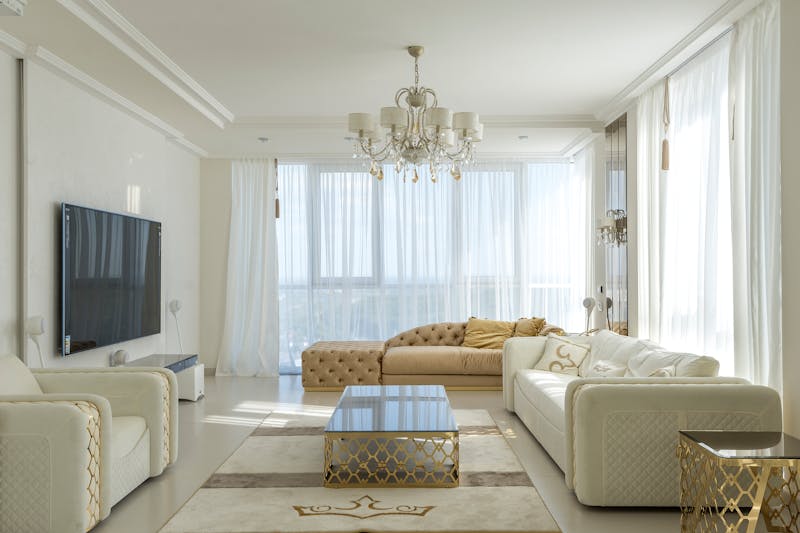
Harsh overhead ceiling lights make rooms look cold. Recreate a cozy glow by layering warm white accent lights (2700K). Install low bedside table lamps with ceramic shades, brass wall sconces, and indirect dimmable LED strip lights inside coves to wash walls in amber light, casting soft shadows.
3. Anchoring the Room with a Properly Sized Rug
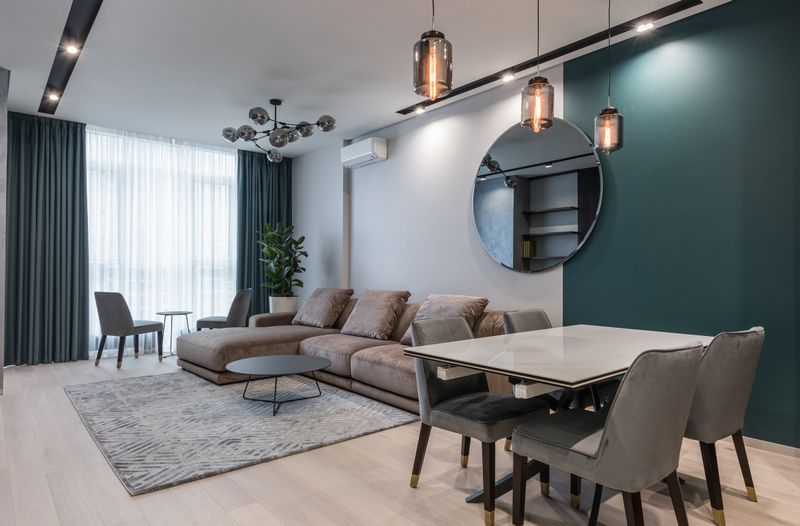
Ground your layout by placing a textured high-pile wool area rug under the bed or coffee table. The rug should extend past the sides of the furniture to provide a soft landing spot underfoot, breaking up cold wood floorboards and defining the seating zone.
4. Creating a Clear Focal Point
Every room needs a central visual anchor. In the living room, make the fireplace or statement sofa the focal point by framing it with matching sconces. In the bedroom, make the bed frame the center by painting a single accent wall, drawing the eyes immediately.
5. Mixing Textures for Dimensional Depth
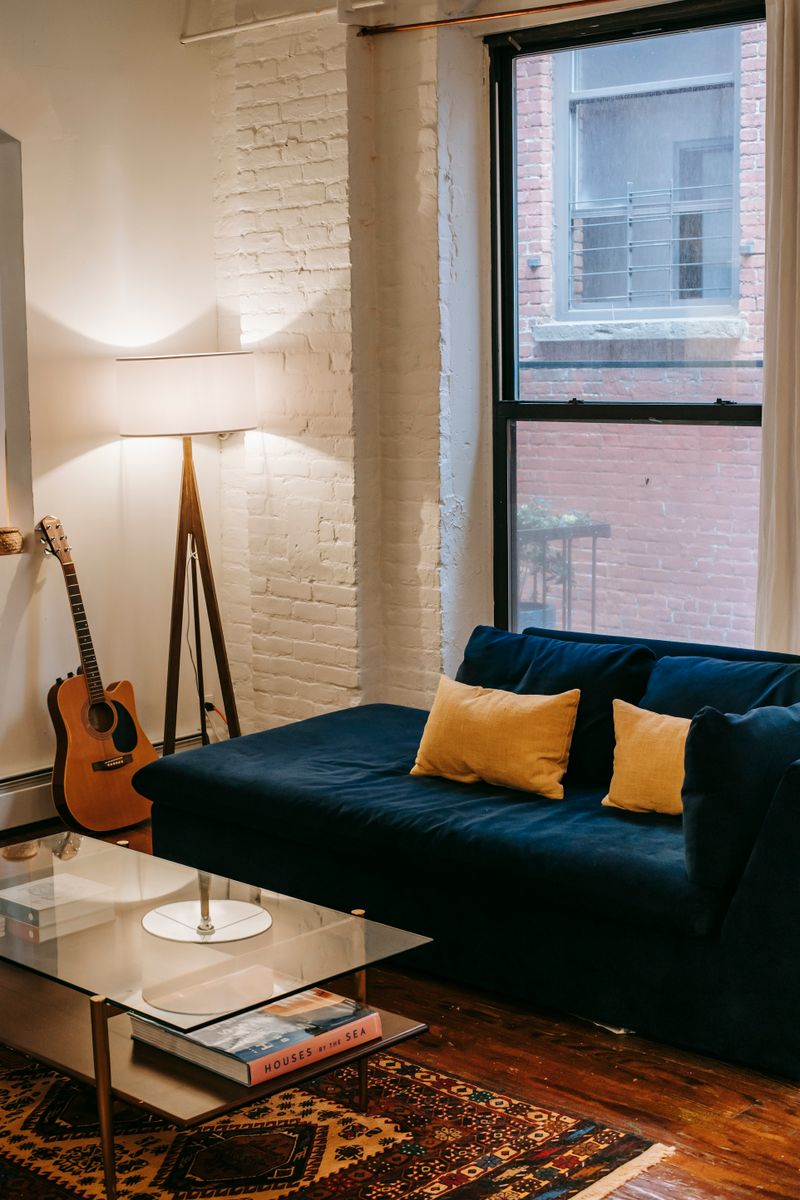
Introduce cozy comfort to your sofa by mixing touchable fabrics. Layer waffle-knit cotton pillowcases with velvet and boucle accent cushions. Mixing these natural fibers adds warmth and visual depth to the seating layout without requiring loud colors or complex print designs.
6. Hanging Curtains High and Wide
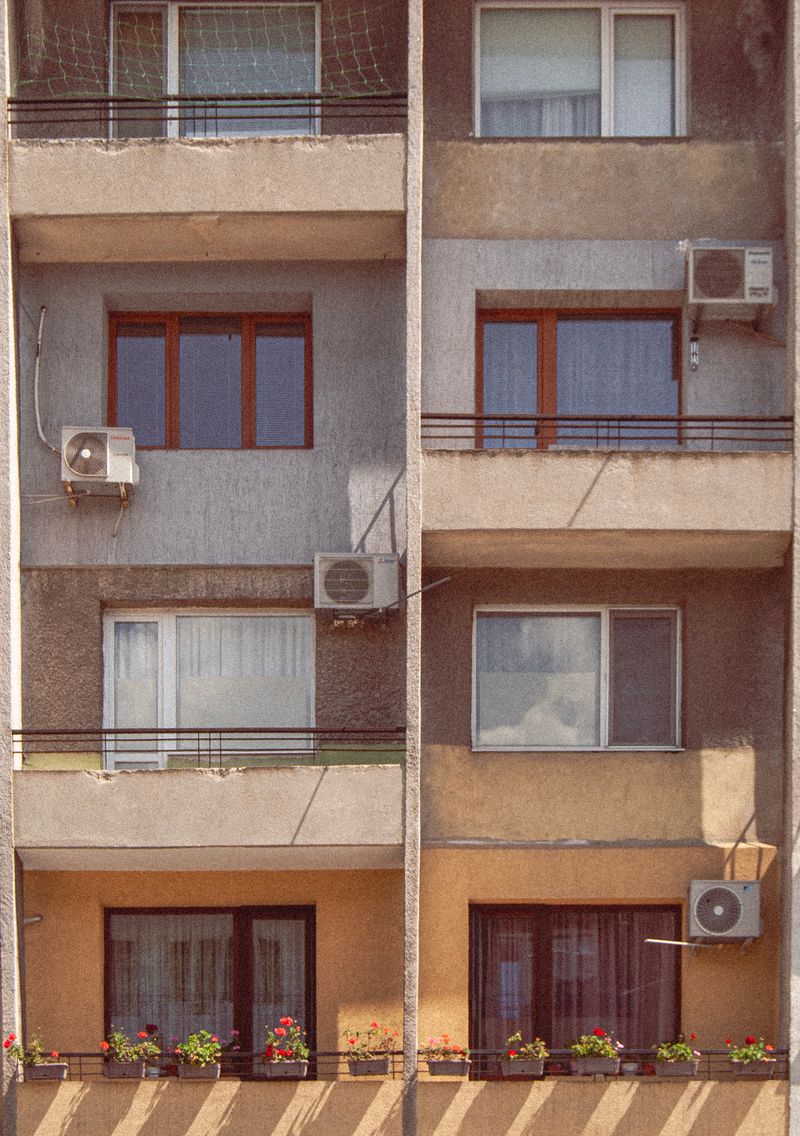
Hang sand-colored sheer linen curtains to filter natural sunlight into a soft glow. Let the curtain fabric pool slightly on the floor to soften wall corners, and extend the rod past the window frames to expose the full glass pane.
7. Using Odd Numbers when Arranging Decor
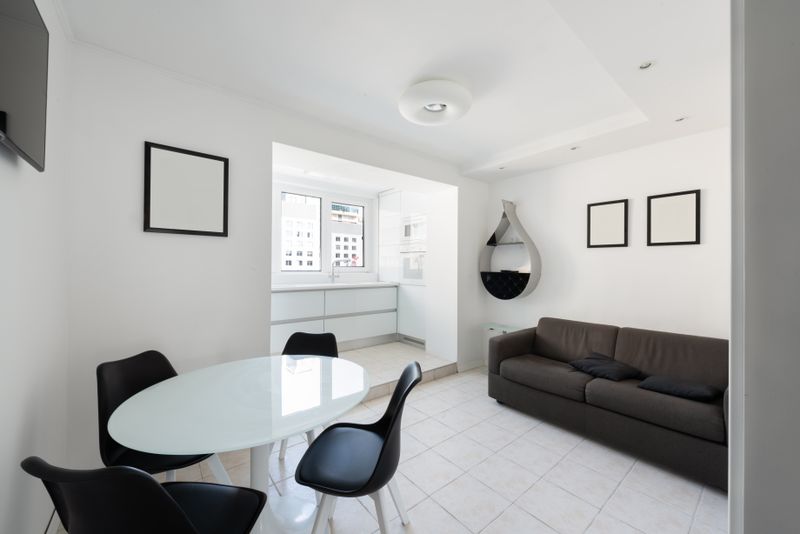
Similar to the rule of three, styling items in groups of five or seven prevents layouts from looking staged or corporate. Group a series of clay vases on your fireplace mantel, vary the heights, and let the negative spaces balance the outlines.
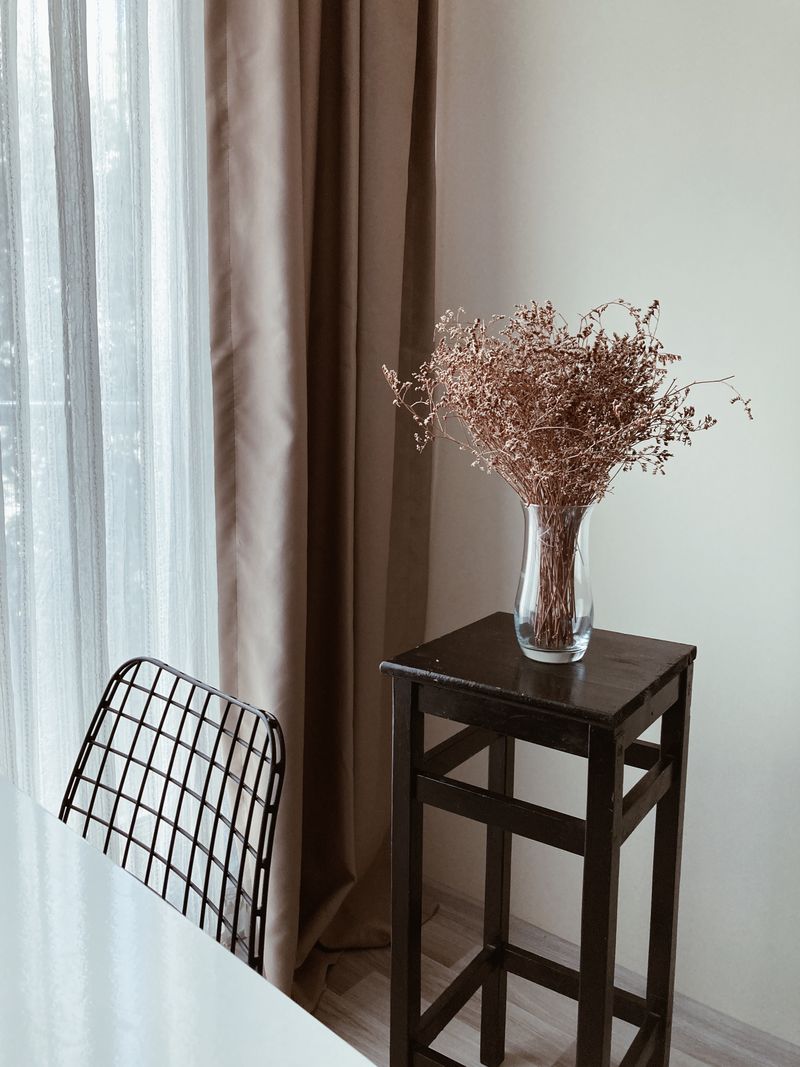
8. Balancing the Room with Symmetry
Symmetry is an easy way to create a structured look. Use matching side tables, bedside lamps, and wall sconces on both sides of your main sofa. This layout grounds the seating space, making the room look structured, balanced, and designer-curated.
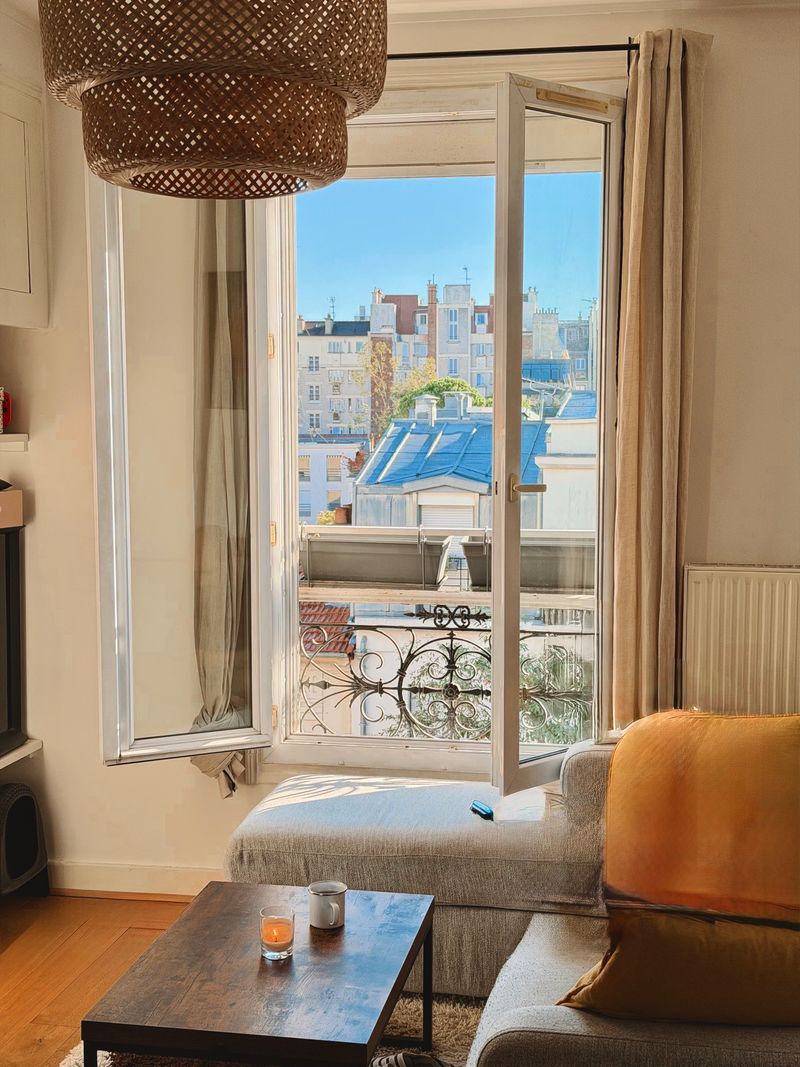
9. Choosing a Cohesive Color Story
Before purchasing furniture or decor items, choose a simple three-color palette to coordinate the space. Stick to one dominant background color (60%), one secondary shade for large furniture (30%), and one bold accent color for pillows and vases (10%).
Beginner 60-30-10 Palette
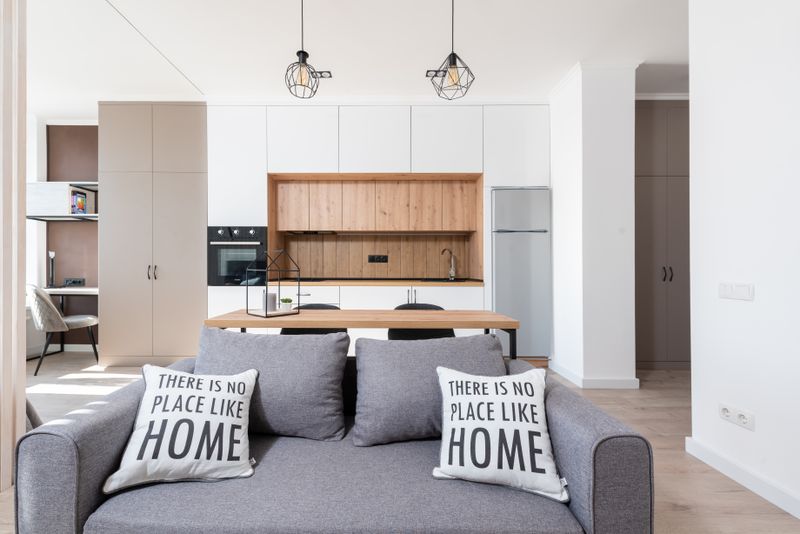
10. Leaving Negative Space Instead of Overfilling
Clutter causes mental distraction and prevents relaxation. Keep console tables and nightstand surfaces clear, styling them with only three objects: a candle, a book stack, and a vase with dry eucalyptus leaves, leaving negative space to let the layout breathe.
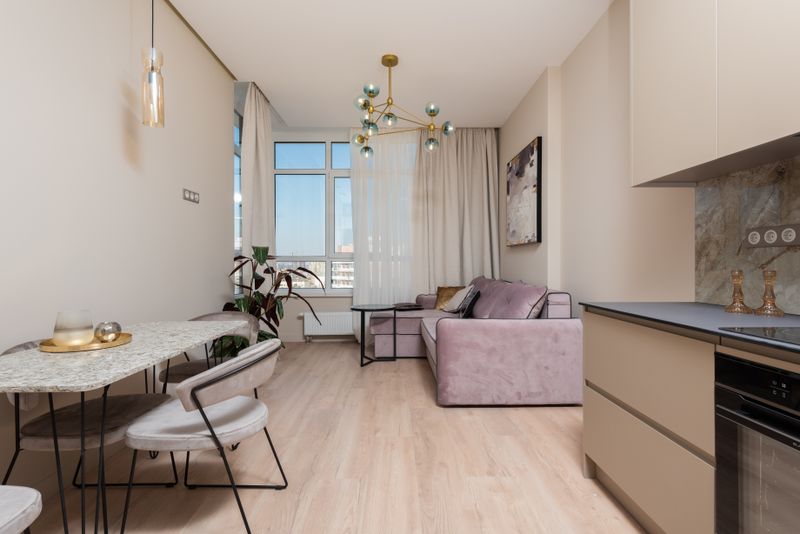
11. Scaling Furniture to the Room's Proportions
Avoid placing oversized furniture in compact spaces. Select low-profile sofas and slim wood tables to keep sightlines clear, ensuring there is plenty of room to walk and maintaining clean, minimalist styling that feels open.
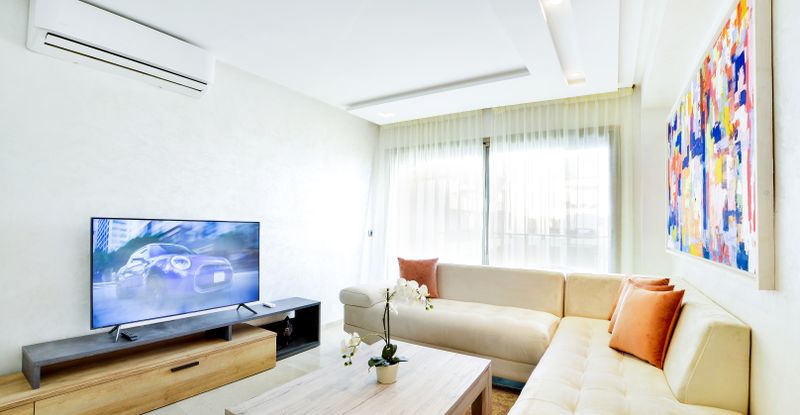
12. Layering Rugs for Texture and Warmth
Ground your layout by placing a textured high-pile wool area rug under the bed or coffee table. The rug should extend past the sides of the furniture to provide a soft landing spot underfoot, breaking up cold wood floorboards.
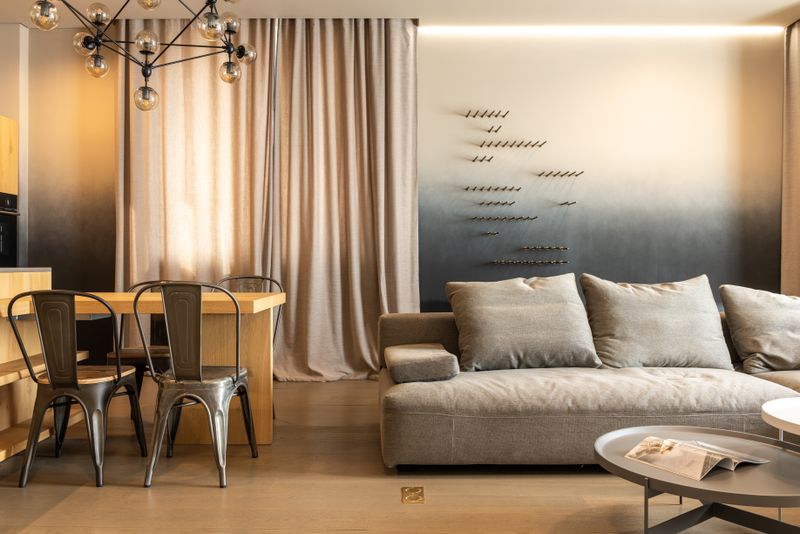
13. Styling Shelves with Varied Heights
Organize your books in small groups on open white oak shelving, stacking some flat and others vertically. Place a handmade ceramic cup or candle on top of horizontal stacks to break up straight lines, keeping bookshelf surfaces looking artistic.
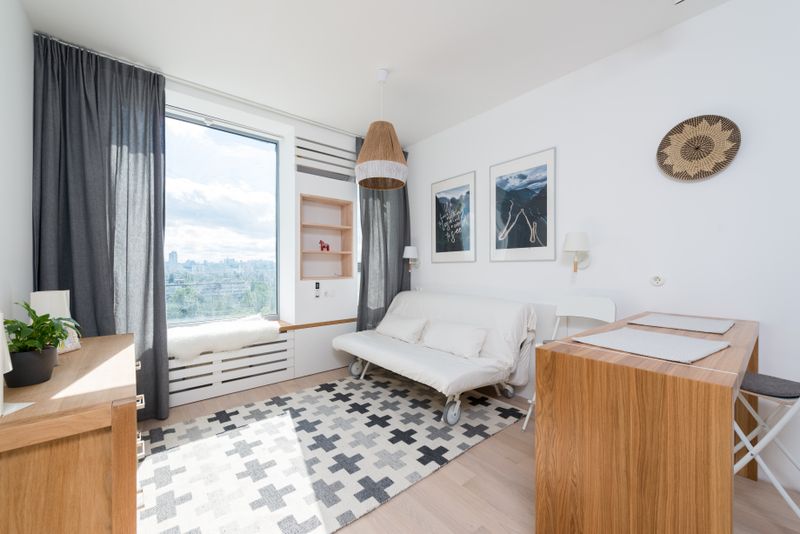
14. Investing in One High-Quality Statement Piece
In a small living room, trying to fit multiple heavy furniture pieces makes the layout feel cluttered. Instead, focus your styling budget on a single, high-quality statement piece, such as a low-profile cream sectional sofa. A large, beautifully structured sofa anchors the room, setting a luxurious, high-end tone.
"Buy the best sofa you can afford. It's the physical and visual anchor of your daily life."
‚¬— Amanda Green, Interior Stylist

15. Bringing the Outdoors in with Greenery
Plants bring life to plain corners. Grow snake plants, trailing pothos, or fiddle leaf figs in terracotta pots. Place a trailing ivy plant on your bedroom shelves to let the vines drape down, adding height to wall corners.