1. What Makes 32x32 Porcelain Tile Different from Standard Sizes
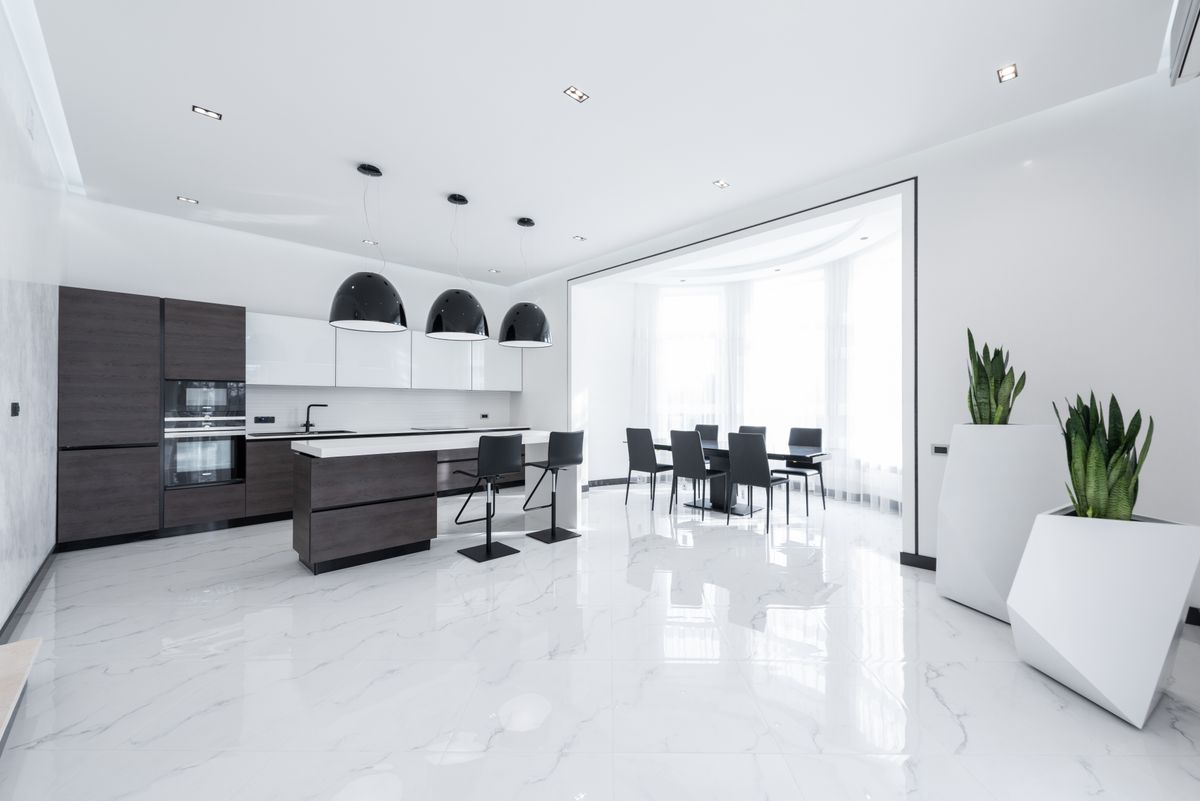
Standard tiles commonly measure 12x12 or 24x24 inches, requiring many grout joints that fragment the floor plan. In contrast, 32x32 large-format tiles cover a massive surface area per tile, creating a cleaner, more spacious look. The square shape aligns perfectly with modern, geometric designs. Additionally, porcelain is fired at higher temperatures than standard ceramic, resulting in a denser, less porous tile that resists cracking, chipping, and heavy dining chair scuffs.
2. Why Large-Format Tile Works So Well for Open Spaces
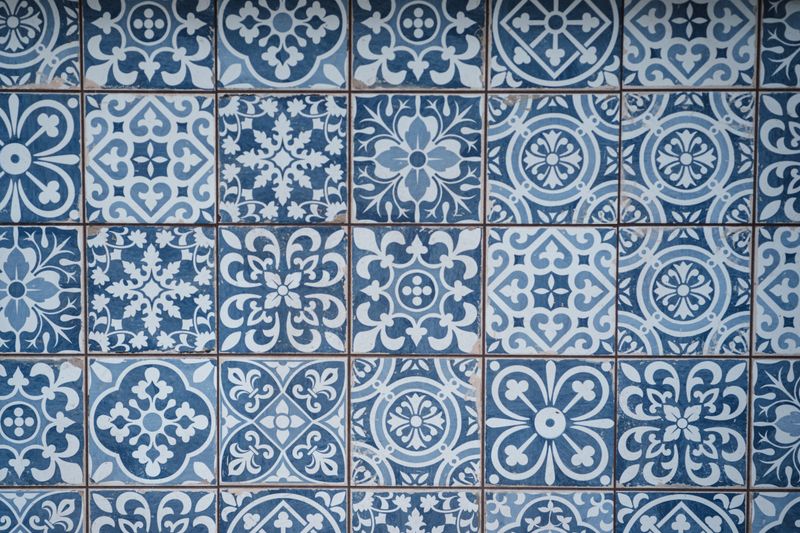
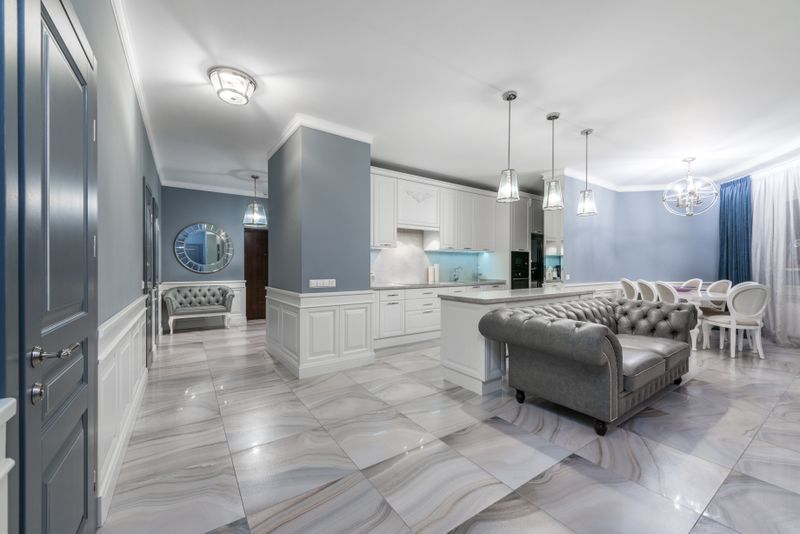
Open-concept living and dining rooms benefit from a unified flooring material that guides the eye smoothly between zones. Using large 32x32 tiles reduces the number of grout joints, creating a continuous flow underfoot. The lack of visual interruptions tricks the brain into perceiving the space as larger and more open. This seamless finish is especially effective in open floor plans, uniting the lounge seating and dining table areas into a cohesive, high-end environment.
3. Popular Finishes and Looks
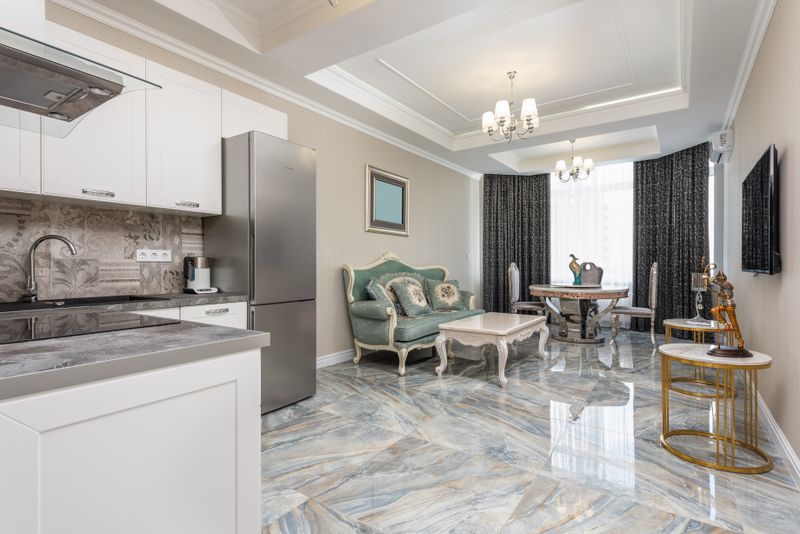
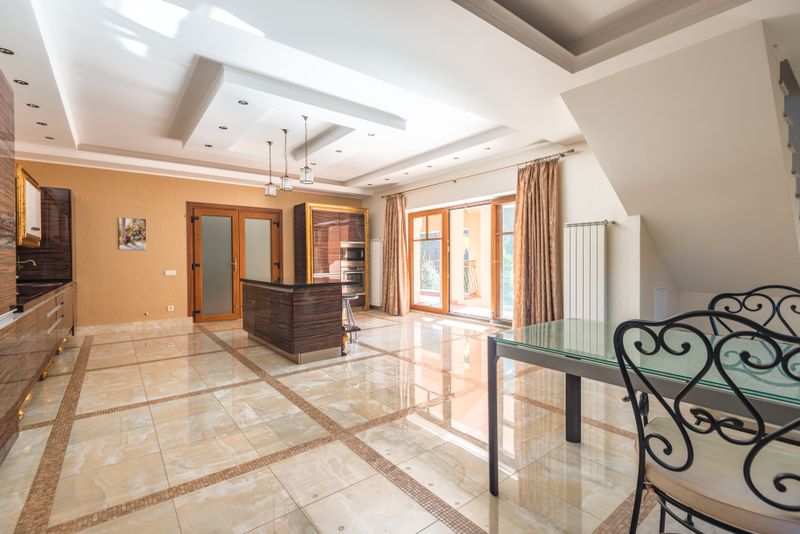
Large-format porcelain tiles can mimic high-end materials with incredible realism. High-gloss polished finishes reflect ceiling sconces, brightening dark corners. Matte finishes provide a modern, industrial concrete look with excellent slip resistance. Marble-look porcelain features natural veining that mimics solid white marble slab flooring. You can also opt for stone-look or wood-look finishes, giving you the warmth of wood grain with the extreme durability of porcelain.
4. Best Tile Colors and Patterns for a Cohesive Flow
Selecting the right tile color is key to establishing a clean, unified flow between the living room and dining room. Muted neutral colors like sand, cream, warm grey, or soft taupe are excellent choices. These light colors reflect natural daylight from windows, keeping the open layout looking bright and spacious. Choose tiles with subtle, non-repetitive mineral patterns to mimic natural stone, helping your flooring look authentic and high-end.
5. Laying Patterns for Large-Format Tile
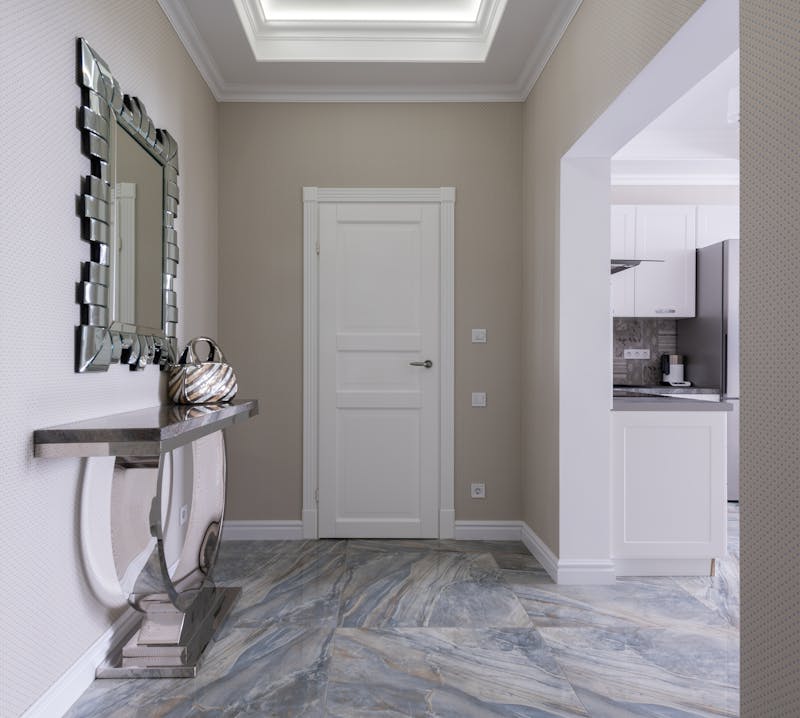
How you lay large tiles affects how the room's proportions are perceived. A classic straight lay aligns tiles in a clean grid, emphasizing the square 32x32 dimensions. Laying tiles diagonally in a diamond pattern guides the eye forward, visually widening narrow walkways. For a softer look, choose a running-bond brick pattern offset by one-third. Sourcing flat, rectified tiles allows for thin, clean grout lines that preserve the seamless flow.
6. Grout Color Choices
Grout color can dramatically alter the visual effect of large-format tiles. To achieve a seamless, slab-like look, select a grout color that matches the tile paint shade as closely as possible. For example, pair beige tiles with a matching beige grout. The low contrast makes the joint lines disappear, creating a continuous stone plane. Avoid contrasting dark grout lines, which outline each square and break up the open layout visually.
7. Pairing Furniture and Rugs
Pairing furniture and rugs with large porcelain tiles helps define separate zones within an open floor plan. Place a large, textured wool runner rug under the living room sofa to absorb sound and bring warmth underfoot. In the dining area, choose a flat-weave rug that lets dining chairs slide easily. Sourcing furniture with natural wood legs, like oak or walnut, balances the hard tile surface beautifully.
8. Lighting Considerations to Highlight the Tile's Finish
Lighting plays a major role in how your tile finish is perceived. Polished porcelain tiles reflect natural light and pendant lamps, brightening the room but casting potential glare. Use sheer linen curtains to soften direct sunbeams. Matte-finish tiles absorb light, creating a soft, warm environment. Dimmable recessed spotlights in the ceiling cast vertical light cones, highlighting the subtle mineral texture of matte stone-look porcelain.
9. Cost Considerations Compared to Smaller Sizes
While 32x32 tiles are a premium flooring choice, their cost-efficiency is comparable to smaller tiles when factoring in installation time. Large tiles require fewer pieces to cover the room, speeding up layout prep. However, large tiles are heavy and require specialized tools to cut, which can increase labor costs. The finished look is highly luxurious, mimicking expensive solid marble slab floors at a fraction of the price.
10. Installation Considerations
Installing large 32x32 tiles requires a perfectly flat concrete subfloor. Any unevenness can cause tiles to crack underfoot, a problem known as lipage. Hire a professional tiling contractor who uses self-leveling underlayment and a clip leveling system. This setup keeps the tile edges aligned perfectly flat, ensuring a smooth, seamless walkway. Professional installation is highly recommended to avoid costly cutting mistakes.
11. Durability and Maintenance Tips
Porcelain is incredibly tough, scratch-resistant, and impervious to water spills, making it the ideal flooring choice for high-traffic dining rooms. Sweep the tiles daily with a soft broom to remove dirt. Mop weekly with warm water and a mild, neutral cleaner. Sourcing high-quality porcelain tiles ensures the floor resists dining chair scuffs, water spills, and stains, keeping your space looking pristine for decades.
12. Common Design Mistakes to Avoid
One of the most common mistakes is selecting wide grout lines (greater than 1/8 inch), which ruins the seamless, slab-like appearance of large tiles. Another error is neglecting to align the tile grid with the room's main entrance walls, resulting in awkward angled cuts. Ensure you use thin grout joints, choose a matching grout color, and plan the grid layout carefully to keep the design looking modern and clean.