1. Warm, Neutral Color Palettes
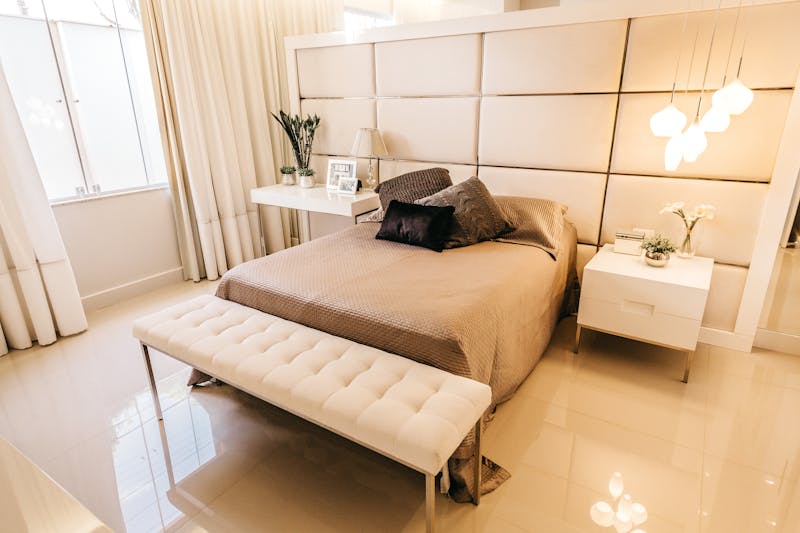
A successful Japandi bedroom starts with a soothing, neutral color palette that balances Japanese minimalism and Scandi warmth. Instead of cold whites, choose warm, earthy tones like cream, oatmeal, sand, and soft greige for your walls. These shades absorb light gently, creating a cozy and relaxing background. To ground the space, introduce subtle contrasts using charcoal grey, olive green, or warm terracotta in your fabrics or pottery accents. This muted color palette ensures the room feels bright and airy during the day, while remaining cozy and comforting during the evening hours.
2. Low-Profile Platform Beds for a Grounded Feel
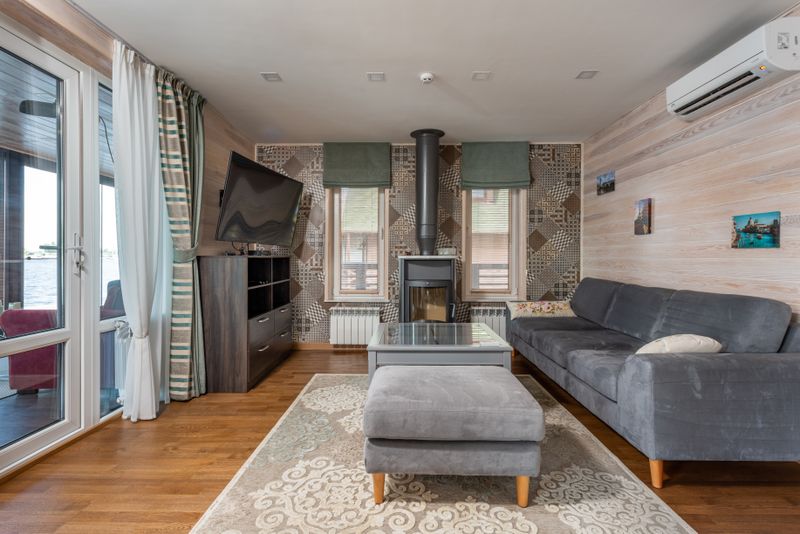
In Japanese interior design, furniture is traditionally kept close to the floor to create a grounded, spacious, and calming environment. Adopting a low-profile platform bed frame crafted from solid oak or ash wood is a key step in building a Japandi bedroom. The low height keeps the visual profile of the room clean and uncluttered, making compact spaces feel taller and more open. Pair the low wooden frame with a high-quality mattress and simple neutral linens, allowing the bed to serve as a clean, peaceful centerpiece that encourages relaxation and restful sleep.
3. Natural Wood Furniture with Clean, Simple Lines
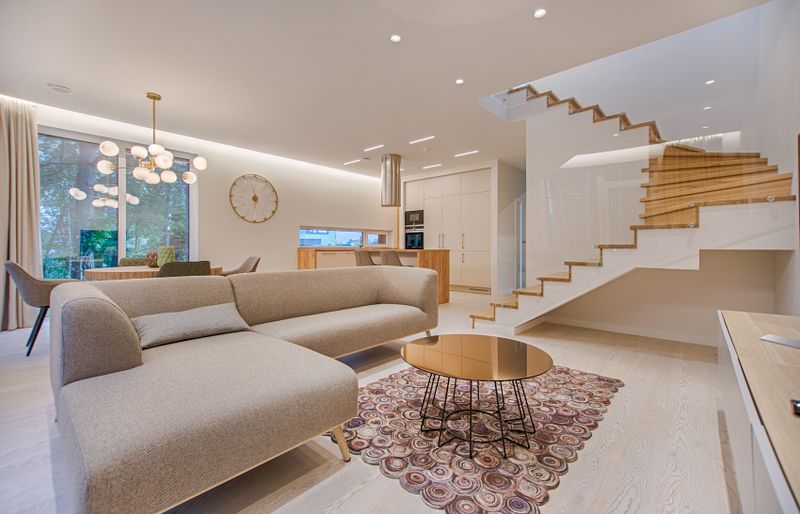
Wood is the primary material used to connect Japanese and Scandinavian styles. To keep your Japandi bedroom cohesive, choose nightstands, dressers, and benches crafted from natural, light-colored hardwoods like oak, maple, ash, or pine. Prioritize furniture with clean, simple lines and no unnecessary ornaments or elaborate hardware. The visible wood grains and warm, natural timber tones provide rich organic texture, making the room feel cozy and grounded while maintaining a sleek, modern, and uncluttered silhouette.
4. Woven Textures (Paper Cord, Rattan, Jute)
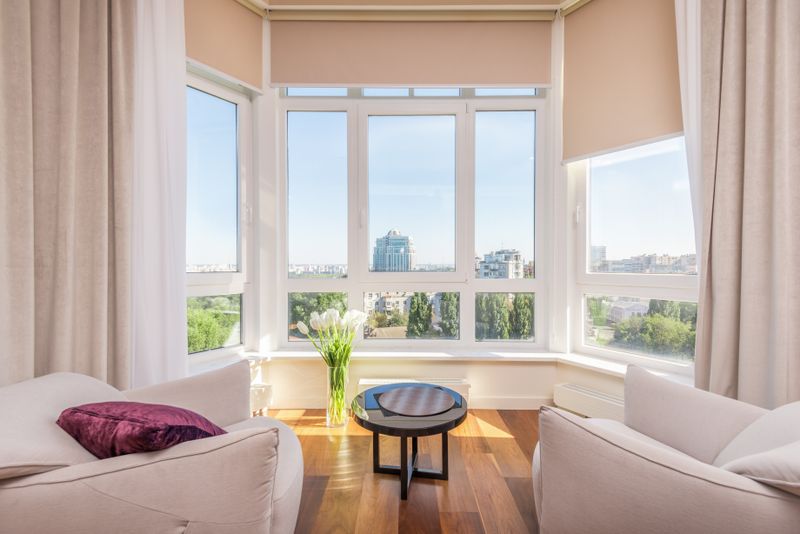
To prevent a minimalist bedroom from feeling sterile, introduce natural woven textures that provide physical warmth and sensory depth. Incorporating items made from paper cord, rattan, jute, or bamboo adds raw, organic texture. A woven rattan bedside chair, a paper cord bench at the foot of the bed, or a woven jute floor basket details the layout beautifully. These tactile materials break up the flat surfaces of painted walls and wooden furniture, adding cozy interest while keeping the color palette neutral.

5. Soft, Natural Linen Bedding
Japandi design values natural imperfections and simplicity. For your bed linens, choose high-quality sheets and duvet covers made from 100% natural, washed linen. Linen has a beautiful, slightly rumpled texture that feels soft and relaxed, perfectly capturing the Scandinavian cozy concept of hygge. Opt for soft, earthy tones like oat, clay, light olive, or warm grey. Layering these natural linens makes the bed look incredibly inviting and comfortable, while the breathable fabric keeps you cool in summer and warm in winter.
6. Minimal, Functional Nightstands with Hidden Storage
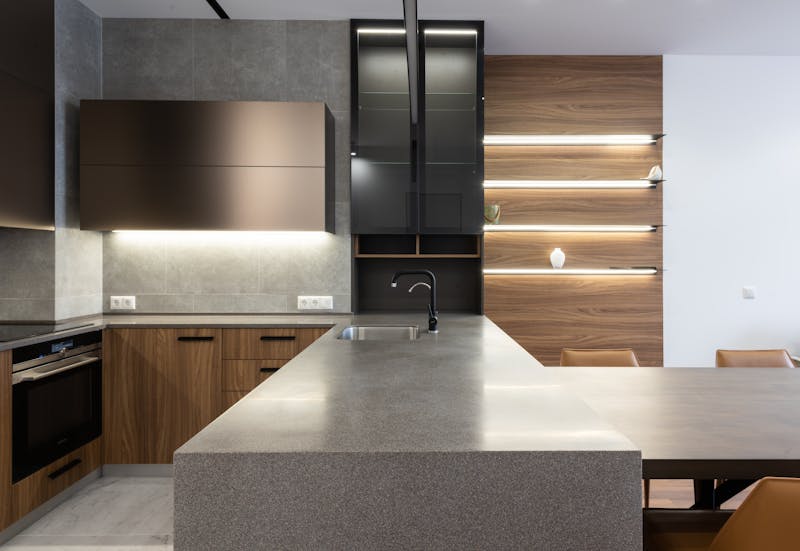
A key principle of Japandi style is functionality. Nightstands should have a clean, minimal appearance while offering hidden storage to keep the bedside clutter-free. Choose floating wooden nightstands or small drawers with touch-to-open latch doors in oak or ash wood. Keeping chargers, books, and lotions hidden inside preserves the clean, quiet look of the room. Style the top of the nightstand sparsely, with just a simple ceramic lamp and a cup of water, ensuring a peaceful space to wake up to.

7. Warm Wood Tones Paired with Matte Black Accents
To prevent a light wood and cream bedroom from looking too soft, introduce a few matte black accents. In Japandi design, small black details act as visual punctuation marks, adding clean structure and modern contrast. Use matte black on door knobs, cabinet pulls, light switches, or thin picture frames. This contrast anchors the neutral palette, highlighting the warm wood grains and white plaster walls without cluttering the layout.
8. Paper or Rice-Paper Style Pendant Lighting
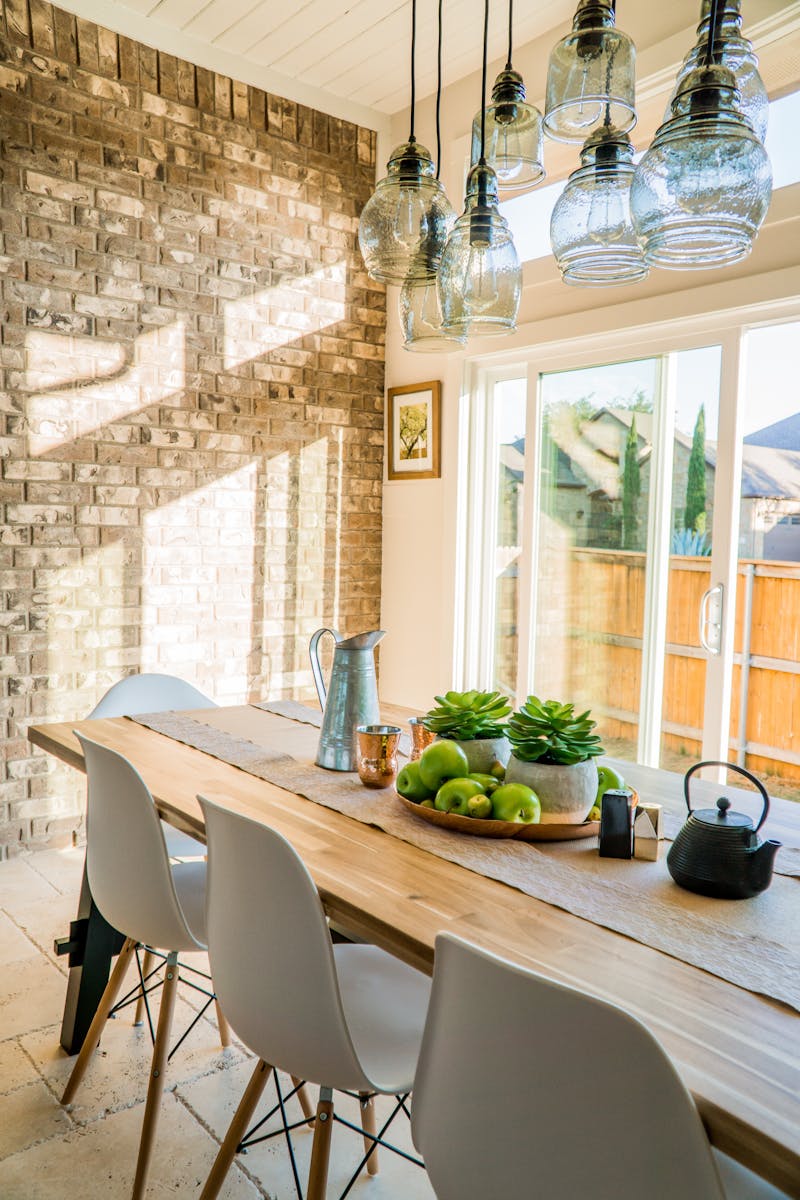
Lighting is crucial for establishing a serene, calming environment. A large, delicate rice-paper style pendant light hanging over the bed is a signature Japandi element. Rice-paper shades diffuse light evenly, casting a soft, warm, and shadowless glow that immediately relaxes the eyes. The lightweight, delicate paper structure adds an airy, organic shape that pulls the room layout together without feeling heavy or industrial.

9. Negative Space as an Intentional Design Choice
Unlike Western design, which often seeks to fill every corner with decor, Japandi style values negative space (known in Japanese as "ma"). Leaving portions of your walls and floor empty is a deliberate design choice that allows the room to breathe. This emptiness creates a sense of peace, reducing visual noise and helping you feel calm. Focus on having fewer, higher-quality items rather than multiple cheap decor pieces, allowing each item to stand out and hold value.
10. Natural Fiber Rugs in Muted Tones
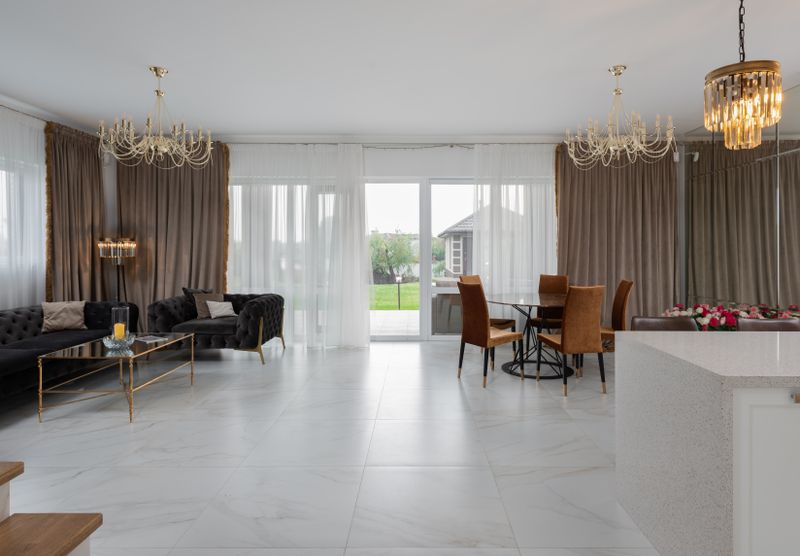
Ground your Japandi bedroom floor layout with a natural fiber rug in a muted, neutral color. A large flat-weave wool, jute, or sisal rug in cream, sand, or light grey introduces organic texture underfoot while keeping the design clean. The raw texture of natural fibers balances the smooth wood surfaces of your bed and nightstands, providing a soft, comforting canvas that ties the room's seating and sleeping areas together.

11. A Single, Curated Piece of Art or Ceramic Object
To avoid a cluttered look, swap small collections and busy gallery walls for a single, curated piece of art or a beautiful ceramic object. A large framed sketch, a black-and-white ink wash painting, or a handmade clay vase placed on a dresser is all you need. Choose art that feels personal and calming. The simple display invites quiet reflection, acting as a serene focal point that aligns with wabi-sabi principles.

12. Sliding or Shoji-Inspired Screen Room Dividers
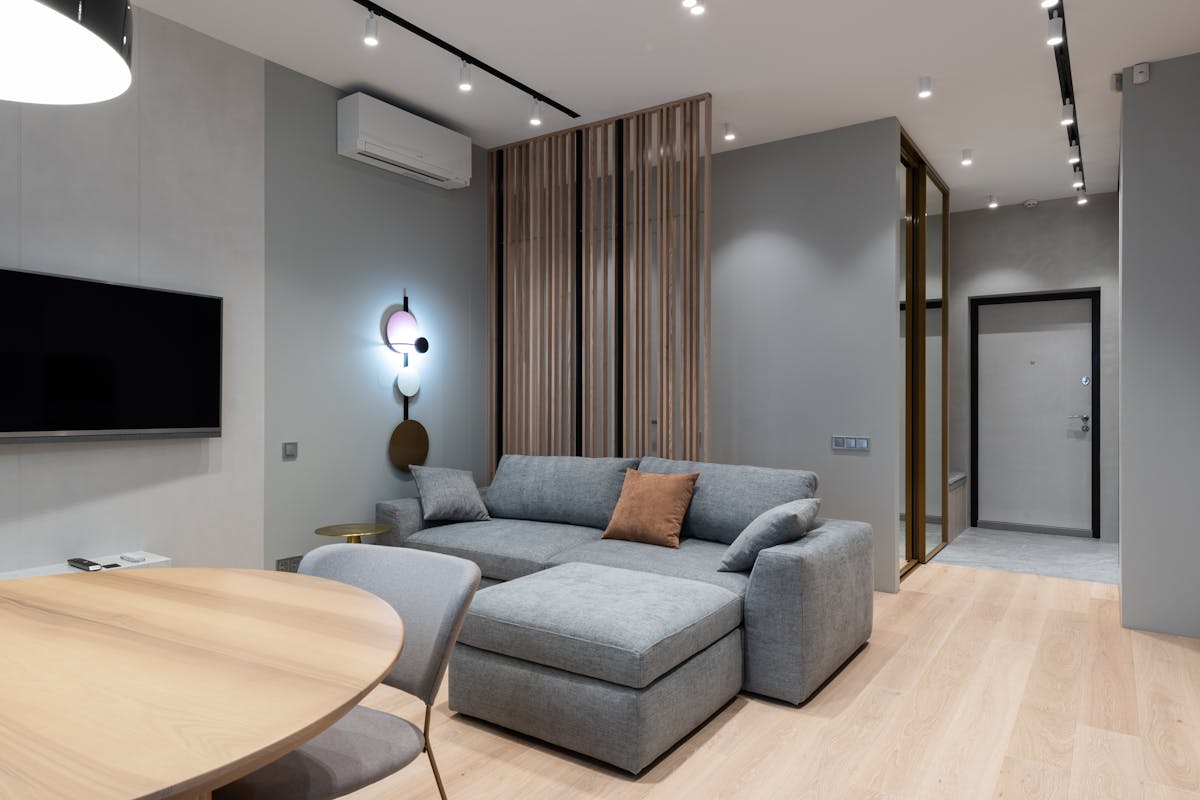
In traditional Japanese architecture, sliding paper doors (shoji screens) are used to divide spaces while letting light pass through. You can bring this element into your bedroom using a shoji-inspired room divider or sliding door. The delicate wood frame and translucent paper panel block direct views of a closet or entry door, while filtering light softly to keep the space looking open and peaceful.
13. Soft, Diffused Natural Lighting Through Sheer Curtains
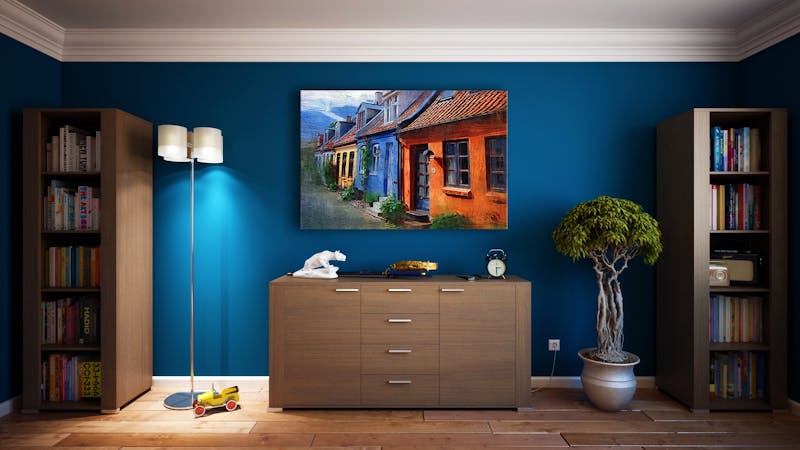
Japandi design emphasizes a strong connection to natural light. To soften harsh sunlight, use floor-length sheer curtains made from lightweight, natural fabrics like linen or cotton gauze in cream or white. These curtains filter the light softly, casting a gentle, warm glow across the room. Pulling them back during the day lets in plenty of light to keep the space looking bright and open.
14. Handcrafted Ceramic or Pottery Accents
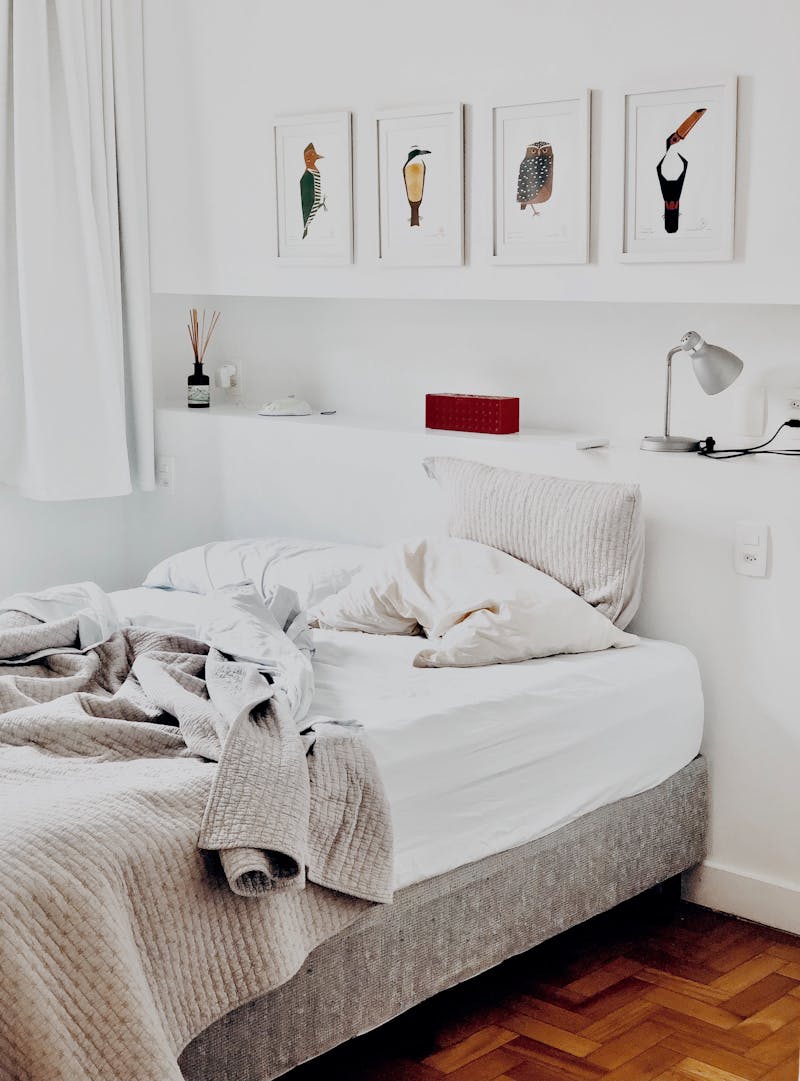
Wabi-sabi principles remain highly influential in Japandi design, celebrating the beauty of natural imperfections. Display a few handmade, irregular ceramic pots or clay vases on your nightstands or shelves. These pieces show raw clay textures and asymmetric shapes that introduce character and a sense of craft, keeping the bedroom looking unique and inviting without needing extra color.
15. A Small, Curated Plant for a Natural Touch
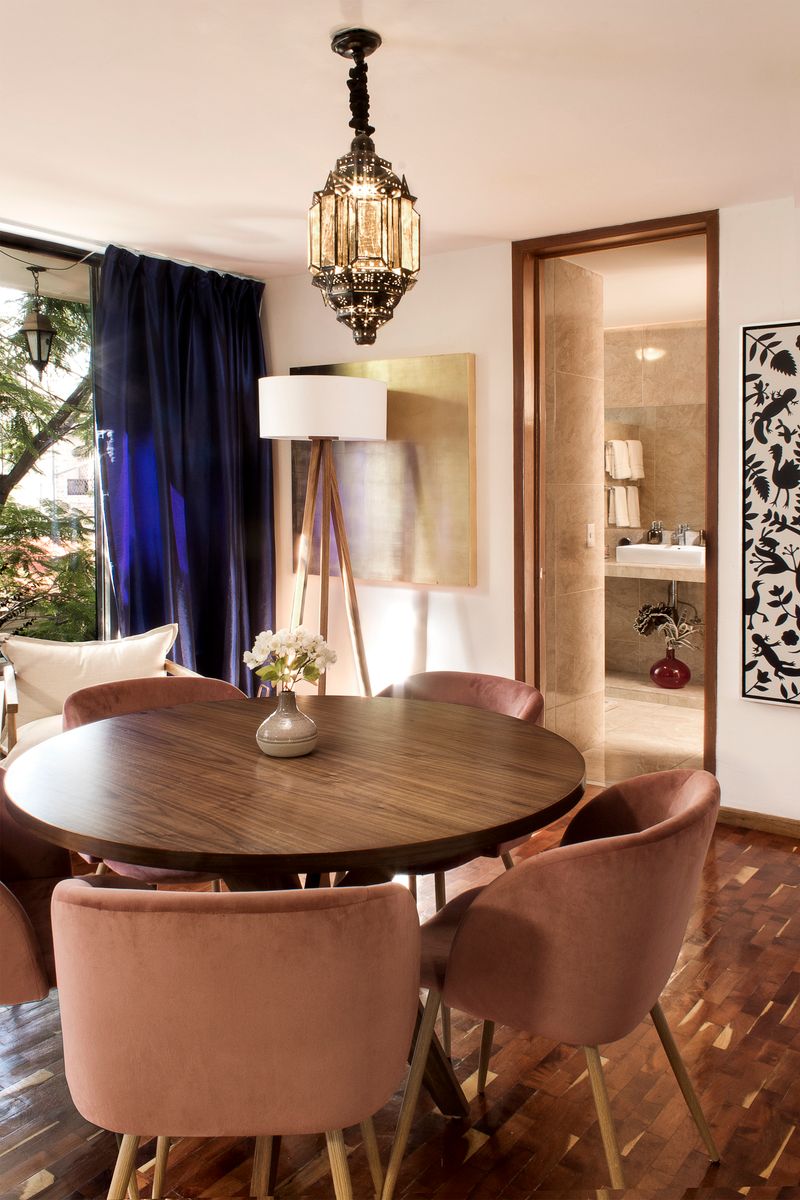
Bring a touch of nature into your Japandi bedroom using a single, curated plant. Instead of crowding the room with multiple small plants, select a single potted bonsai, a structural money tree, or a simple green branch in a ceramic vase. Sourcing a beautiful, handmade clay pot ensures the plant looks like a natural extension of the room's design, adding organic lines and color.