
1. Choosing the Right Pot and Soil for a Snake Plant
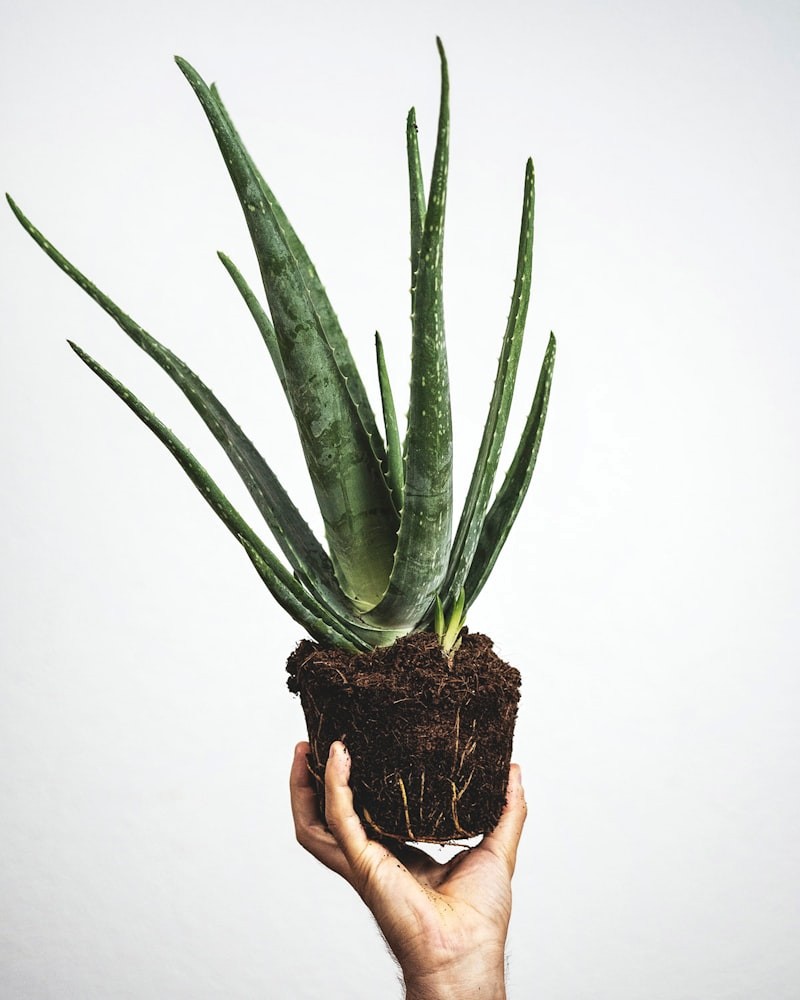
To establish a healthy foundation for your snake plant, selecting the correct container and potting medium is essential. Snake plants are susceptible to root rot if moisture accumulates in the soil. Therefore, you should always choose a heavy pot crafted from a porous material like terracotta or unglazed ceramic. Terracotta breathes easily and allows excess moisture to evaporate. Additionally, ensure the pot has at least one large drainage hole at the base. For the soil, use a highly aerated, well-draining potting mix. A standard indoor potting soil is too heavy and retains too much water. Instead, mix two parts of a premium succulent or cactus soil with one part perlite or coarse sand. This sand-based soil structure allows water to drain rapidly, keeping the roots dry and healthy.
2. Ideal Light Conditions for Healthy Growth
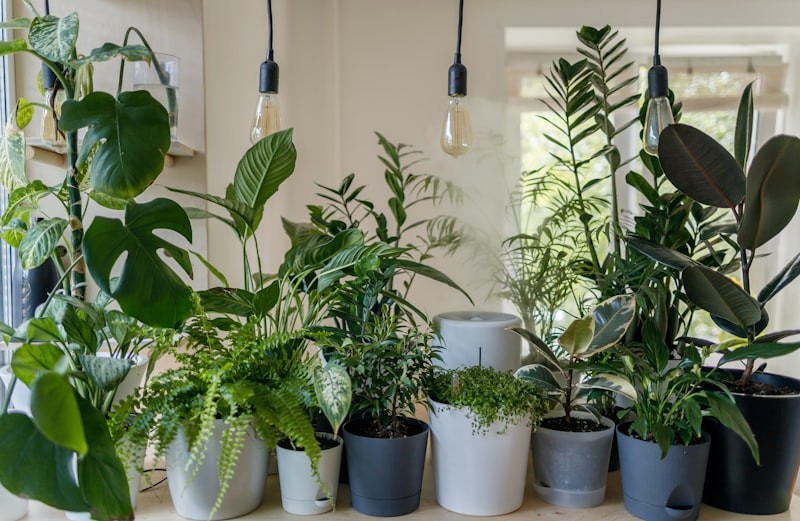
While snake plants are famous for surviving in low-light conditions, they grow best when placed in bright, indirect sunlight. In their natural habitat, they receive filtered light under tree canopies. Indoors, placing your plant near an east-facing window or a few feet away from a sunny south-facing window provides the ideal balance. The bright, indirect light supports active photosynthesis, helping the leaves retain their vibrant gold stripes and deep green patterns. Avoid placing the plant in direct afternoon sun, as the harsh rays can sunburn the leaves, leaving white, crispy patches. Conversely, if your plant is kept in low light, its growth will slow down, and new leaves may look thin or lose their beautiful variegation.

3. Watering Schedule and How to Avoid Overwatering
Understanding how to water your snake plant is the most critical aspect of its care, as overwatering is the most common cause of plant decline. Snake plants are succulents that store water in their thick, fleshy leaves, making them highly drought-tolerant. The general rule is to allow the soil to dry out completely between waterings. During the active spring and summer growing season, you will likely need to water every two to three weeks. In the winter dormancy period, this frequency decreases to once every four to six weeks. To check if it is time to water, insert a wooden chopstick or your finger deep into the soil. If there is any moisture present, wait a few days. When you do water, pour water thoroughly until it drains out the bottom hole, and empty the tray immediately.
4. Ideal Temperature and Humidity Levels
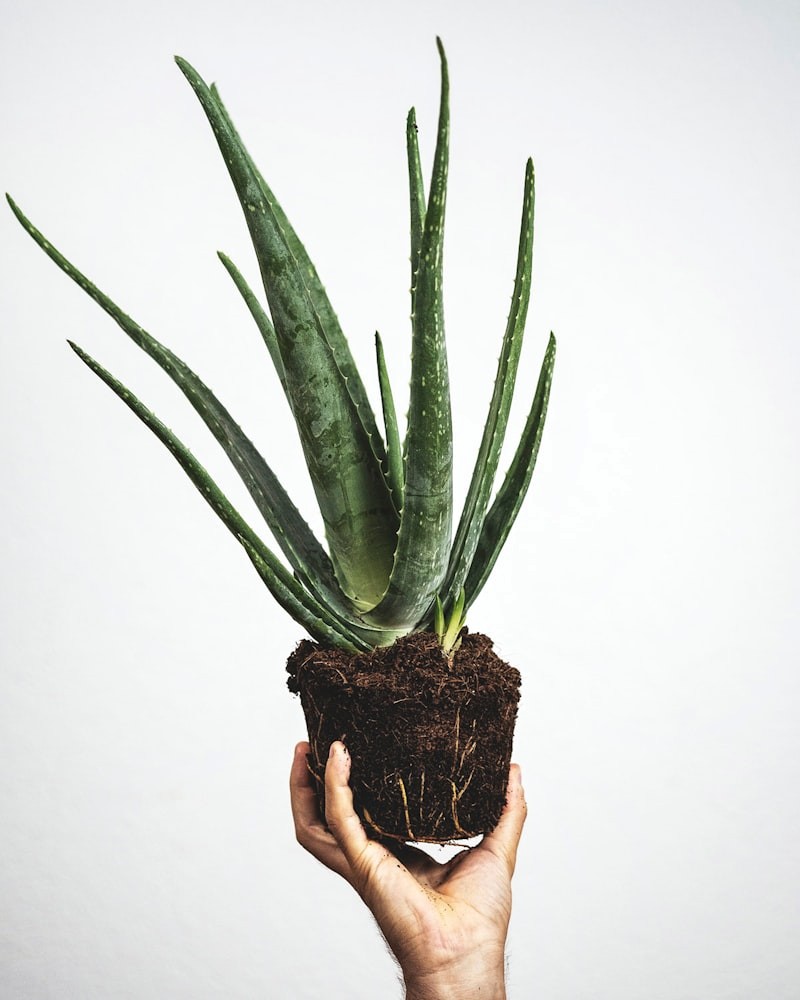
Snake plants thrive in standard indoor temperatures and humidity levels, making them excellent choices for residential spaces. They prefer warm temperatures ranging between 65°F and 85°F (18°C to 29°C). Because they are native to warm tropical regions, they are highly sensitive to cold drafts. Keep your plant away from cold windows, air conditioning vents, and exterior doorways during the winter months, and ensure temperatures do not drop below 50°F (10°C). Regarding humidity, snake plants prefer dry environments and do not require misting or pebble trays. Standard home humidity (around 30% to 50%) is perfect. High humidity, especially in winter or when combined with cold temperatures, can encourage fungal growth on the leaves, so keep the room dry and well-ventilated.
5. Fertilizing Needs and Feeding Schedule
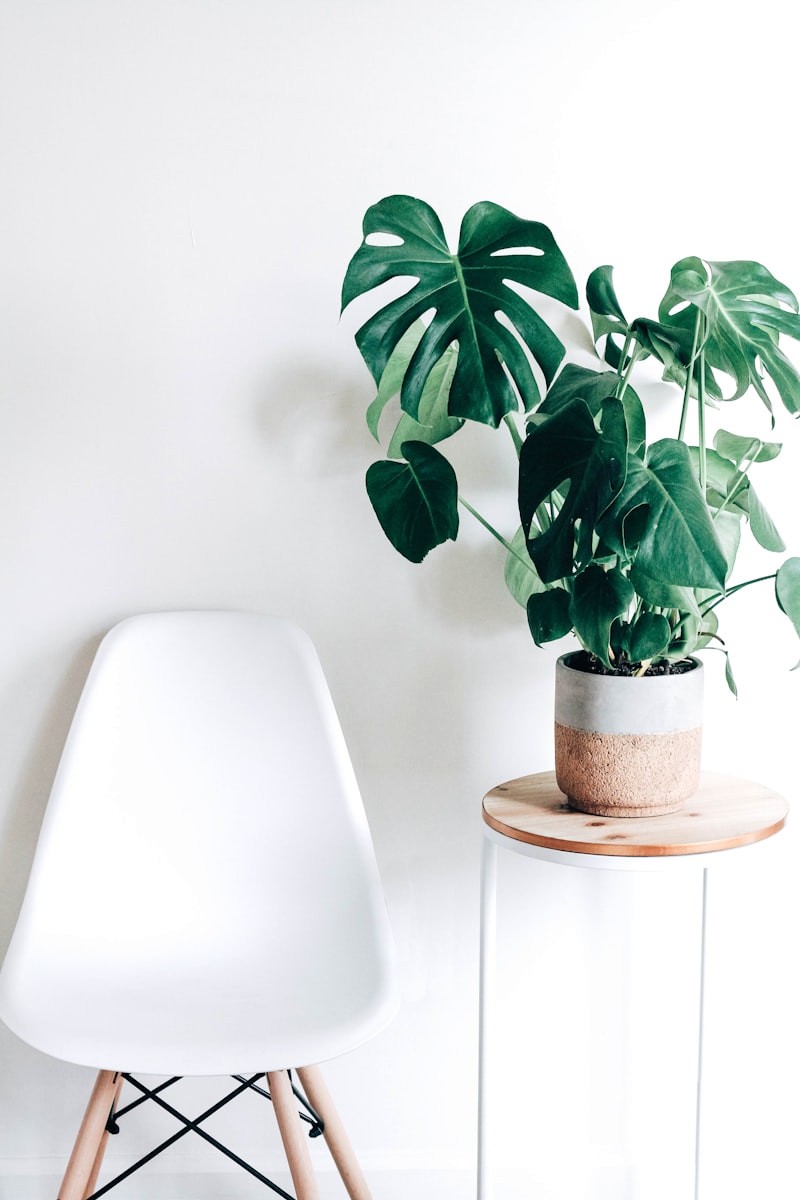
Snake plants are slow growers and light feeders, meaning they require very little fertilizer to stay healthy. Feeding them too much or too often can damage their roots and cause the leaves to droop or split. To support healthy growth, fertilize your plant only during the spring and summer active growing season. Use a balanced, water-soluble houseplant fertilizer or a specialized cactus and succulent liquid food. Dilute the fertilizer to half of the manufacturer's recommended strength to avoid chemical burn. Apply the diluted food once in early spring and once in mid-summer. Do not feed your snake plant in the autumn or winter months, as the plant enters a natural dormancy period and cannot absorb the nutrients.

Looking for Budget-Friendly Decor Alternatives?
Browse our handpicked styling lookbook with verified vendor links and affordable material alternatives.
6. How to Propagate a Snake Plant
Propagating a snake plant is an easy and rewarding project that allows you to create new plants for your home. The two main propagation methods are division and leaf cuttings. Division is the easiest method and is performed when repotting. Gently pull apart the plant's underground rhizomes, ensuring each clump has a healthy set of roots and leaves, and plant them in separate pots. The second method involves leaf cuttings. Cut a healthy leaf near the base, allow the cut end to dry and calluses over for 24 hours, and place it in a jar of clean water or insert it directly into moist soil. Ensure you place the cutting in the same direction it grew, as upside-down cuttings will not grow roots.

7. Common Pests and How to Treat Them
While snake plants are highly resistant to pests, they can occasionally suffer from infestations of mealybugs and spider mites. Mealybugs appear as small, white, cottony clusters on the undersides of the leaves or near the base of the plant. Spider mites are tiny pests that spin fine webbing between the leaves. Both pests feed on the plant's sap, weakening the foliage and causing yellow spots. To treat an infestation, wipe the affected leaves immediately using a cotton swab dipped in rubbing alcohol to kill the bugs. For larger infestations, spray the plant with neem oil or a mild insecticidal soap. Keep the plant isolated from your other houseplants until you are sure the pests are completely gone.
8. Common Problems: Yellowing, Drooping, and Root Rot
If your snake plant shows signs of distress, it is usually a response to improper care. Yellowing, mushy leaves, and a foul odor from the soil are classic signs of root rot caused by overwatering. If the roots rot, they cannot absorb nutrients, causing the plant to droop and die. To save a waterlogged plant, remove it from the pot immediately, trim away any mushy, brown roots, and repot it in fresh, dry soil. On the other hand, wrinkled or curling leaves indicate underwatering. Wrinkled leaves mean the plant has depleted its internal water storage. Give it a thorough watering, and the leaves will plump back up. Drooping or leaning leaves can also be caused by insufficient light, so move the plant to a brighter spot.
9. Repotting: How Often and How to Do It
Snake plants are slow growers and actually prefer to be rootbound, meaning they do not need to be repotted very often. You will typically only need to repot your plant every two to three years. Look for signs like roots growing out of the bottom drainage hole, cracked plastic pots, or water running straight through the pot without soaking. To repot, select a new container that is one size larger (no more than 2 inches wider in diameter) than the current pot. Gently slide the plant out of its old pot, brush away loose soil, and place it in the new container filled with a fresh succulent soil mix. Water the repotted plant lightly and place it in bright, indirect light to recover.

10. Snake Plant Varieties and Their Differences
There are several unique snake plant varieties available, each bringing different shapes, sizes, and variegations to your plant collection. The most common variety is Dracaena trifasciata 'Laurentii', which features dark green leaves edged in bright yellow. For smaller spaces, the 'Hahnii' or bird's nest snake plant is a dwarf variety that grows in a tight rosette pattern, reaching only six inches tall. If you prefer a modern, architectural look, the 'Cylindrica' variety features round, spear-like leaves that can be braided. Another striking variety is the 'Whale Fin' (Sansevieria masoniana), which produces a single, massive, paddle-shaped leaf with beautiful mottled patterns, making a bold statement in any plant layout.
11. Toxicity and Pet Safety Considerations
While the snake plant is a beautiful and air-purifying addition to your home, it is important to know that it is toxic to pets. The plant contains saponins, which are natural chemical compounds that act as a defense mechanism against pests. If ingested by dogs or cats, saponins can cause mild to moderate gastrointestinal distress, including drooling, nausea, vomiting, diarrhea, and loss of appetite. To keep your pets safe, place your snake plants on high shelves, plant stands, or wall mounts where dogs and cats cannot reach them. If you suspect your pet has chewed on or eaten a snake plant leaf, contact your veterinarian or animal poison control center immediately for guidance.

12. Seasonal Care Adjustments
To keep your snake plant healthy throughout the year, you must adjust your care routine to match the changing seasons. During the warm spring and summer months, the plant is in its active growing phase. It requires brighter light, more frequent watering (every 2 weeks), and occasional fertilizing. As temperatures drop in late autumn, the plant's metabolism slows down, and it enters a winter dormancy period. During dormancy, reduce watering to once every 4 to 6 weeks, stop fertilizing completely, and protect the plant from cold drafts. Ensure it still receives sufficient light, and wipe the leaves with a damp cloth occasionally to remove dust and support light absorption.