1. Choosing the Right Spot
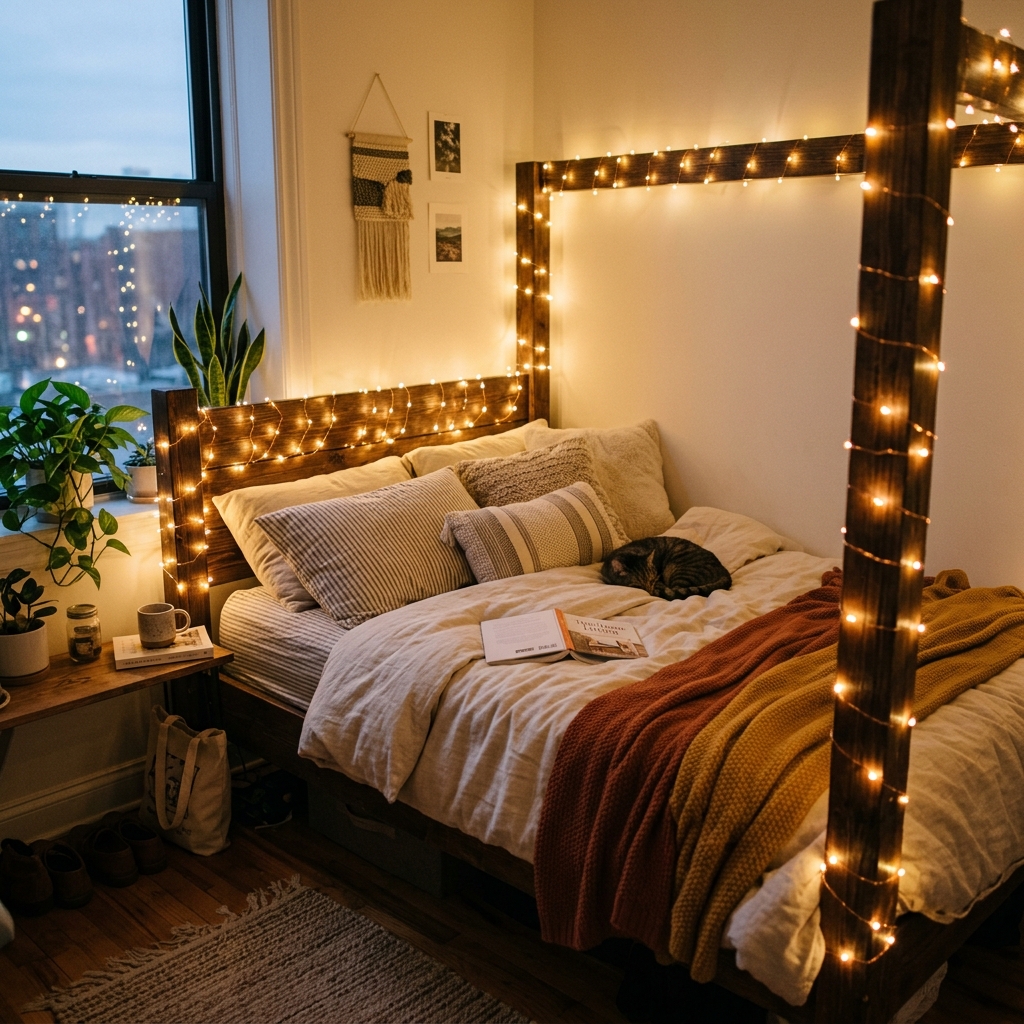
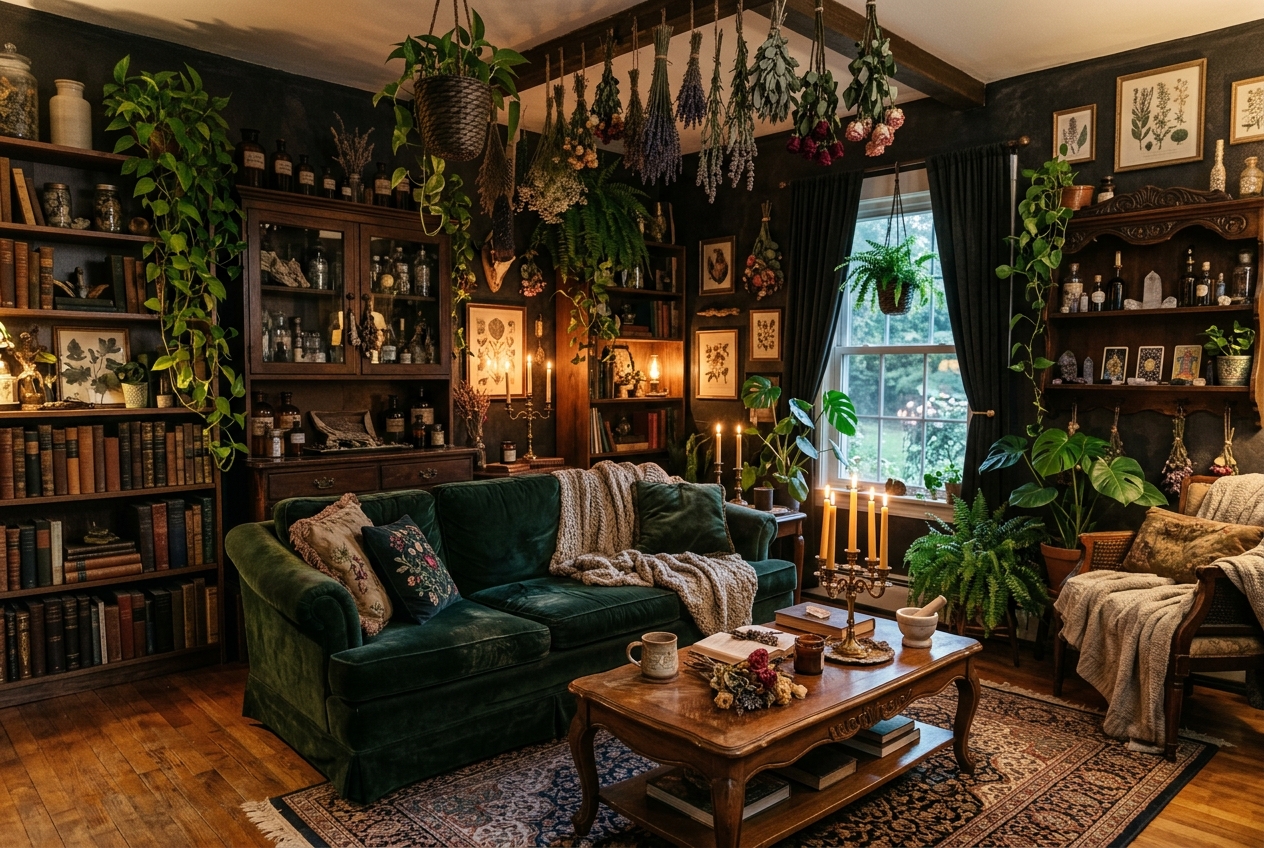
The first step in creating your reading corner is finding the perfect location. Look for quiet, underused spaces in your home that feel naturally separate from high-traffic zones. A sunlit window nook, a quiet corner of your bedroom, or an empty space under the stairs are all excellent choices. If you enjoy reading during the day, a spot near a window allows you to take advantage of natural light. If you prefer evening reading, focus on finding a quiet corner where you can set up ambient lighting. The goal is to choose a space that feels calm and isolated, allowing you to relax without distractions from TV screens or kitchen activity.
2. Selecting the Right Seating
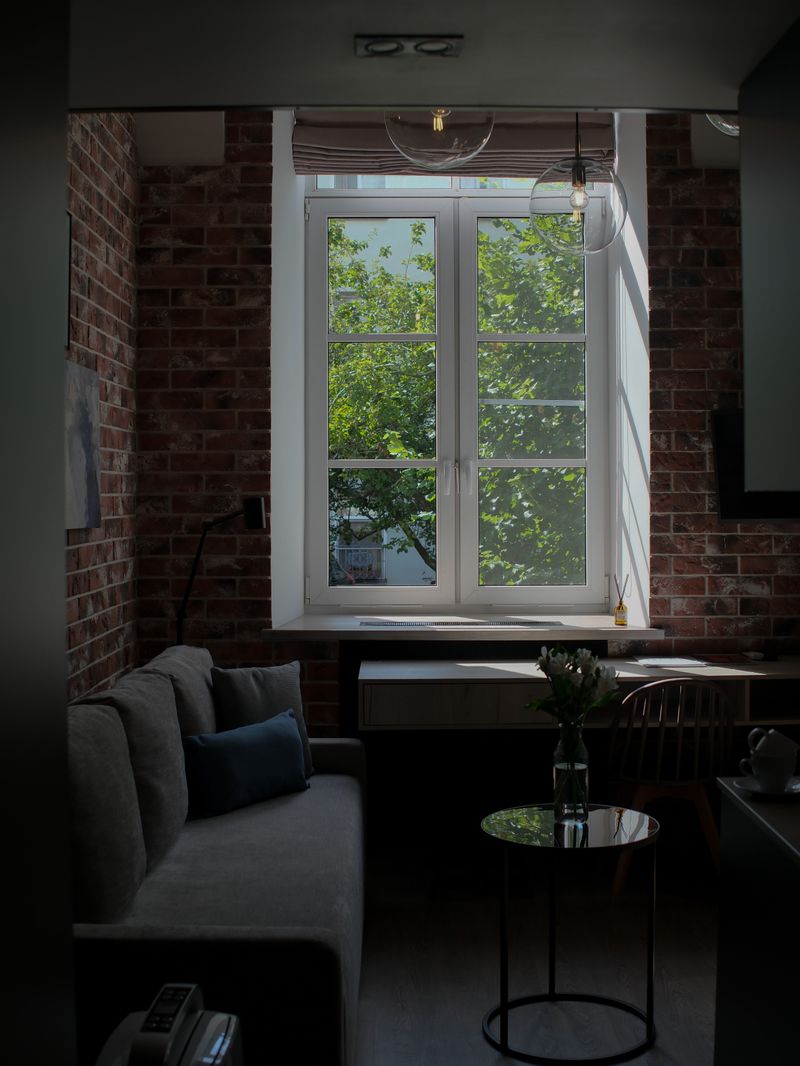
Your seating is the centerpiece of your reading corner and will determine how long you want to spend there. Choose a chair that supports your body comfortably for long reading sessions. A deep armchair with wide armrests is a classic choice, offering support and a sense of enclosure. If you have a deep window sill, a custom window seat cushion creates a seamless, built-in look. For a more casual, bohemian vibe, you can use large floor cushions or a comfortable beanbag chair. Whichever style you choose, ensure the seat height allows you to rest your feet comfortably on the floor or an ottoman, encouraging a relaxed, ergonomic posture.
3. Layering in Soft Textiles
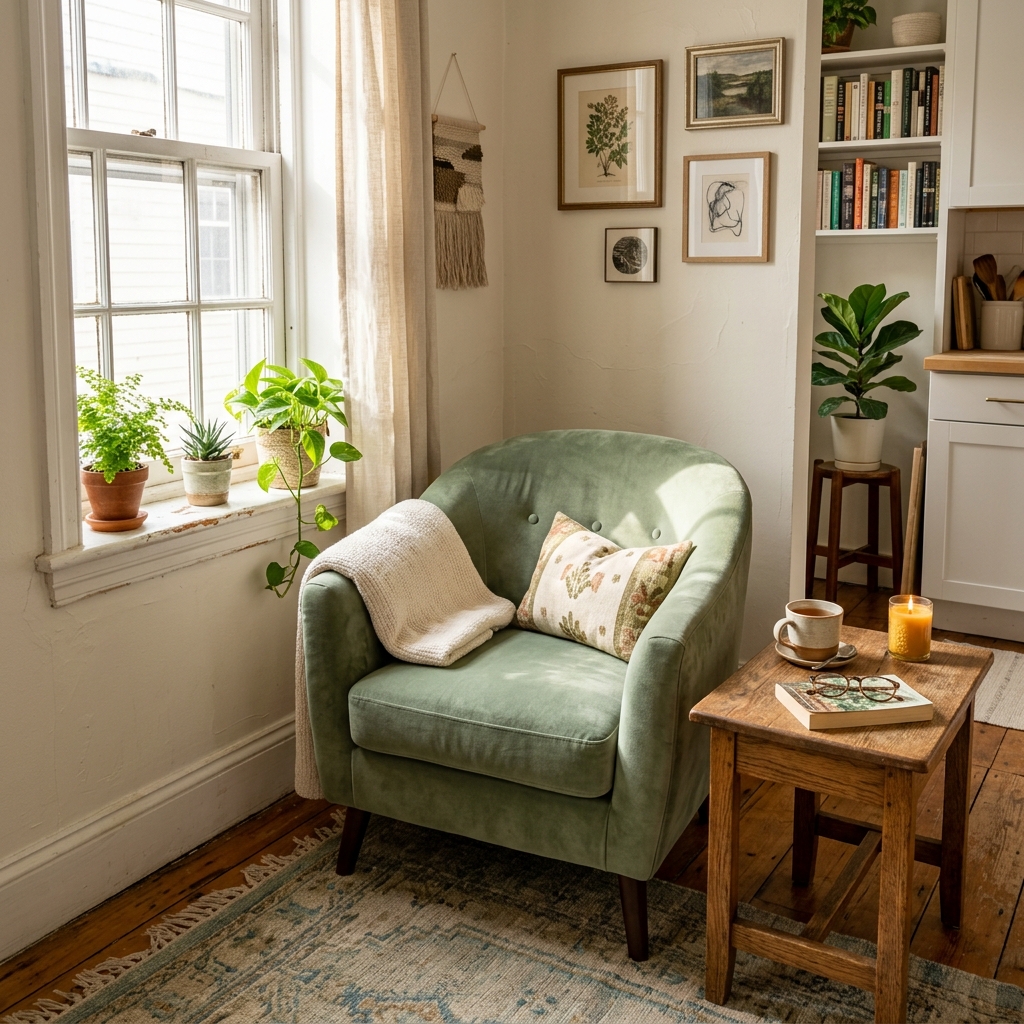
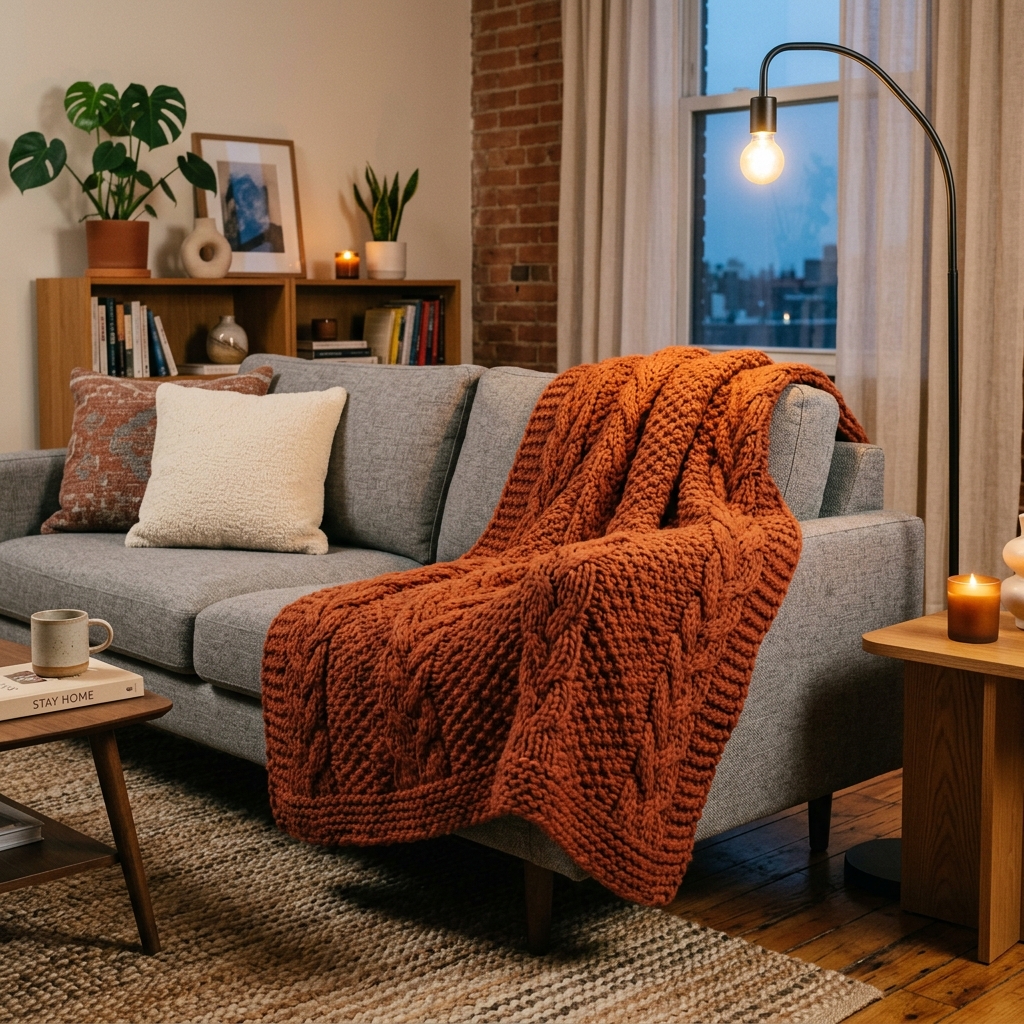
Once you have your seating in place, it is time to layer in soft textiles to maximize comfort and warmth. Start with a plush throw pillow to provide lumbar support and add a pop of color or pattern to your chair. Next, drape a soft, textured throw blanket over the armrest. Materials like chunky knits, wool, or faux fur add physical warmth and visual interest to the space. Layering different textures prevents the corner from looking flat and makes it look instantly inviting. During colder months, keep an extra blanket nearby in a basket so you can easily grab it and wrap yourself up for a long reading session.
4. Getting the Lighting Right
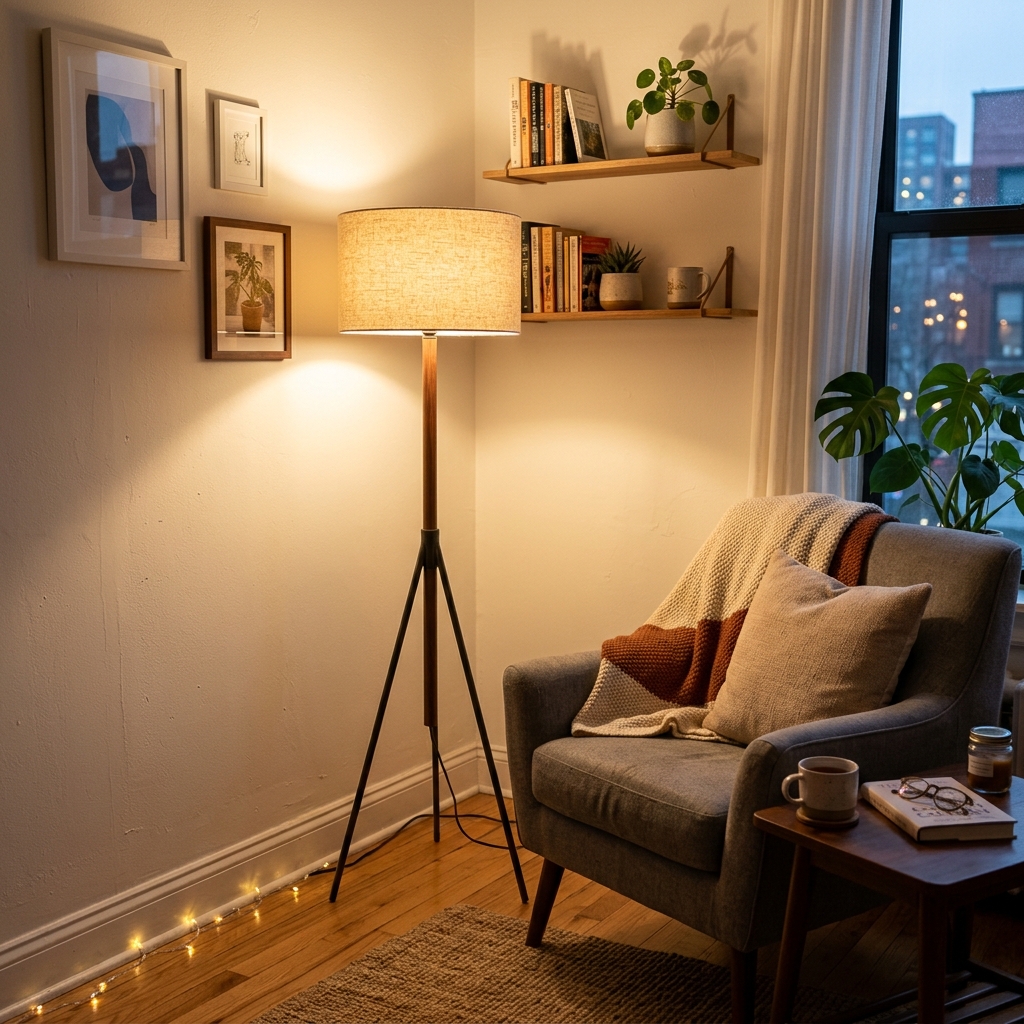
Good lighting is essential for a reading corner to protect your eyes and create a relaxing atmosphere. Avoid harsh overhead lighting, which can cause glare and feel clinical. Instead, place a dedicated floor lamp or an adjustable wall sconce next to your chair. Position the lamp so the light shines directly onto your book from behind or the side, preventing shadows. Use a warm LED bulb (around 2700K) to create a soft, golden glow that mimics candlelight. This warm lighting signals to your brain that it is time to wind down, making your reading sessions feel calm and peaceful.
5. Adding a Side Table
A side table is a highly practical addition to any reading corner, providing a place to set down your essentials. Choose a small table that matches the height of your chair's armrest, making it easy to reach without stretching. Your side table should hold a warm mug of tea or coffee, a glass of water, and a place to rest your book when you take a break. Small wooden stools, vintage drink tables, or floating wall shelves are all great options that don't take up too much floor space. Keep the tabletop clean and organized, leaving room only for your current read and a drink.

6. Storage for Books
To keep your reading corner functional and organized, incorporate dedicated book storage. Having your favorite books within arm's reach makes the space feel like a true home library. If you have extra wall space, a tall bookshelf or a leaning ladder shelf creates a beautiful visual backdrop. For smaller spaces, a woven basket or a stylish metal magazine rack placed next to your chair works perfectly. Displaying your books adds personality to the corner, turning your collection into a key design feature. Keep only your current reads and a few favorites in this zone to prevent clutter.
7. Adding a Soft Rug
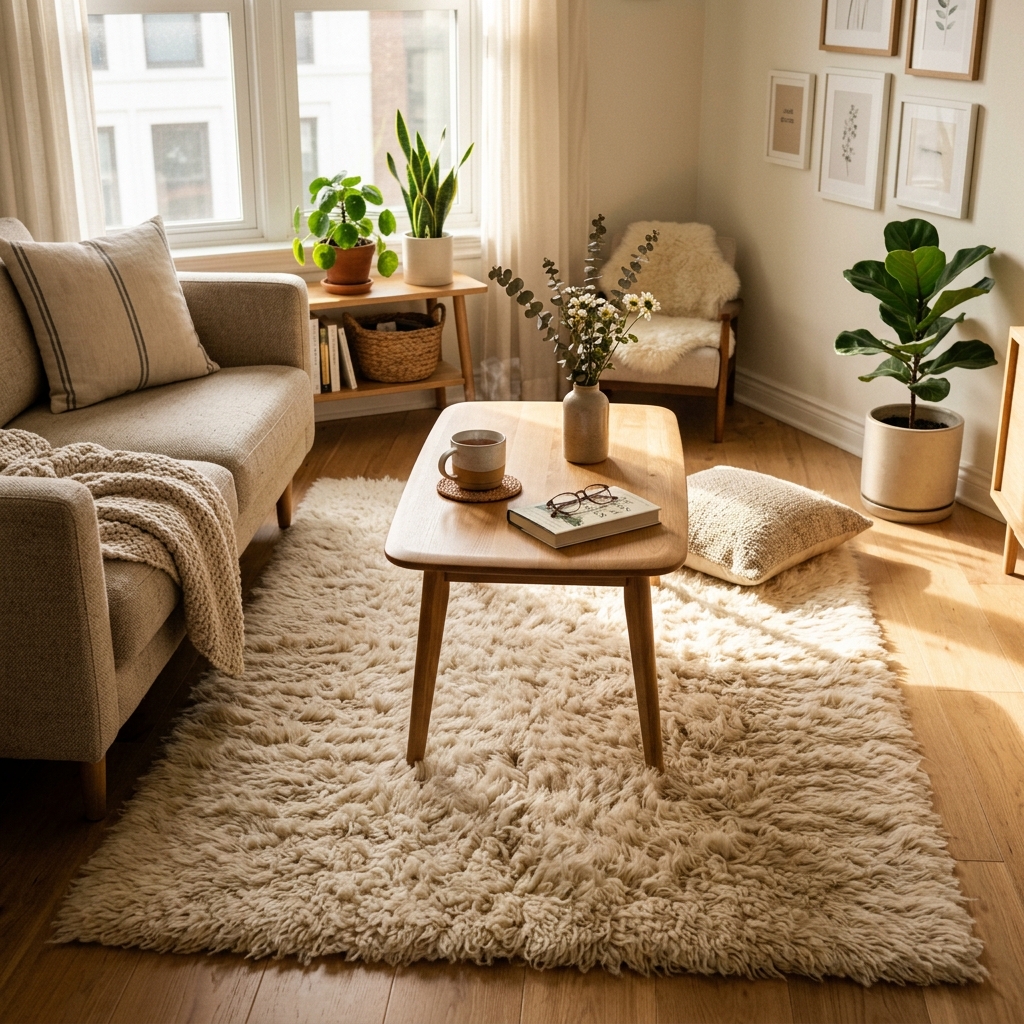
An area rug is a powerful design tool that helps define your reading corner and separate it from the rest of the room. Placing a rug under your chair and side table anchors the furniture, creating a distinct zone within your space. Choose a rug with a soft, plush texture, such as a high-pile shag, a woven wool rug, or a faux sheepskin. A soft rug adds physical warmth underfoot, especially on hardwood or tile floors. Opt for neutral colors or subtle patterns that complement your chair, enhancing the cozy, grounded feel of your reading nook.
8. Bringing in a Plant
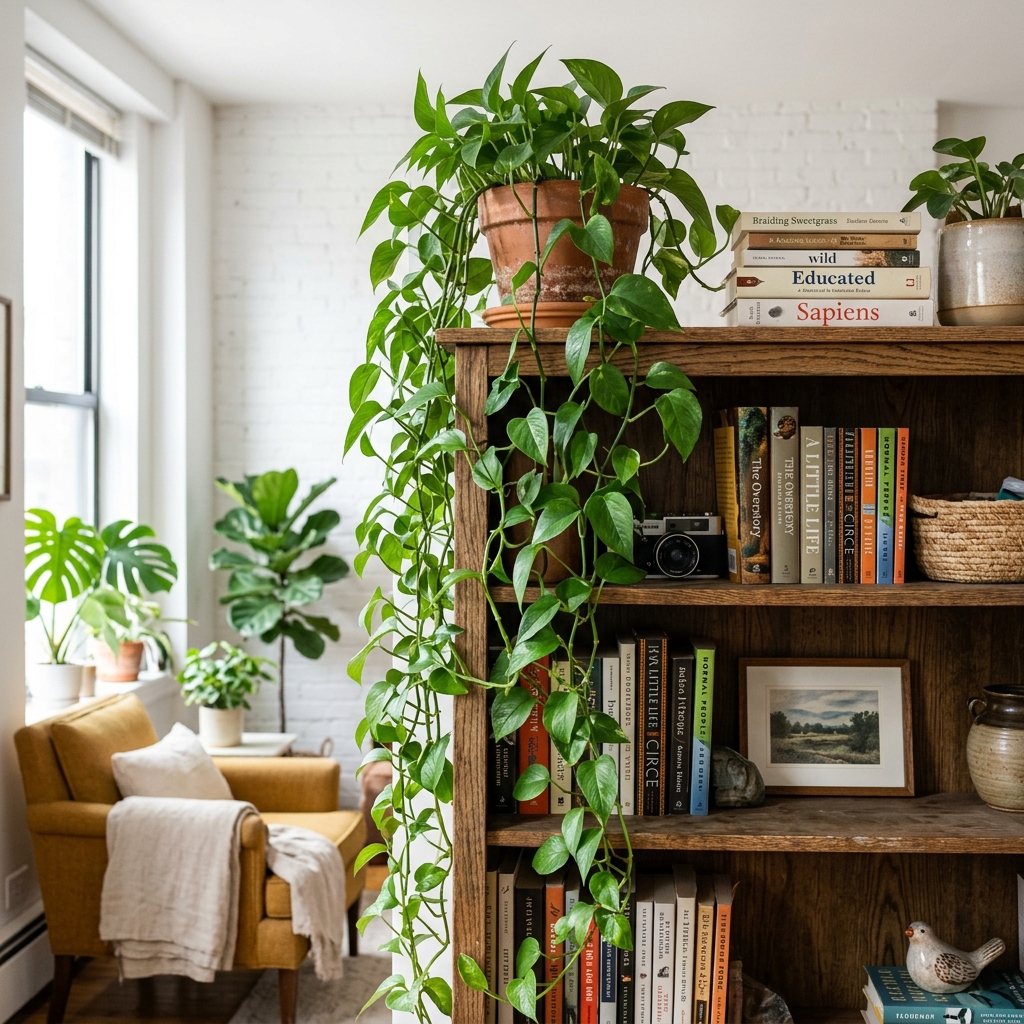
Bringing nature into your reading corner adds a fresh, calming, and organic touch to the design. Indoor plants improve air quality and introduce vibrant green color that contrasts beautifully with neutral paint tones. Place a potted plant on your side table, or set a tall floor plant, like a fiddle leaf fig, next to your chair. Hanging plants or trailing ivy placed on floating shelves above your chair can create a beautiful canopy effect. The presence of greenery helps lower stress levels and creates a peaceful atmosphere, making your reading corner feel like a quiet garden retreat.
9. Personal Touches
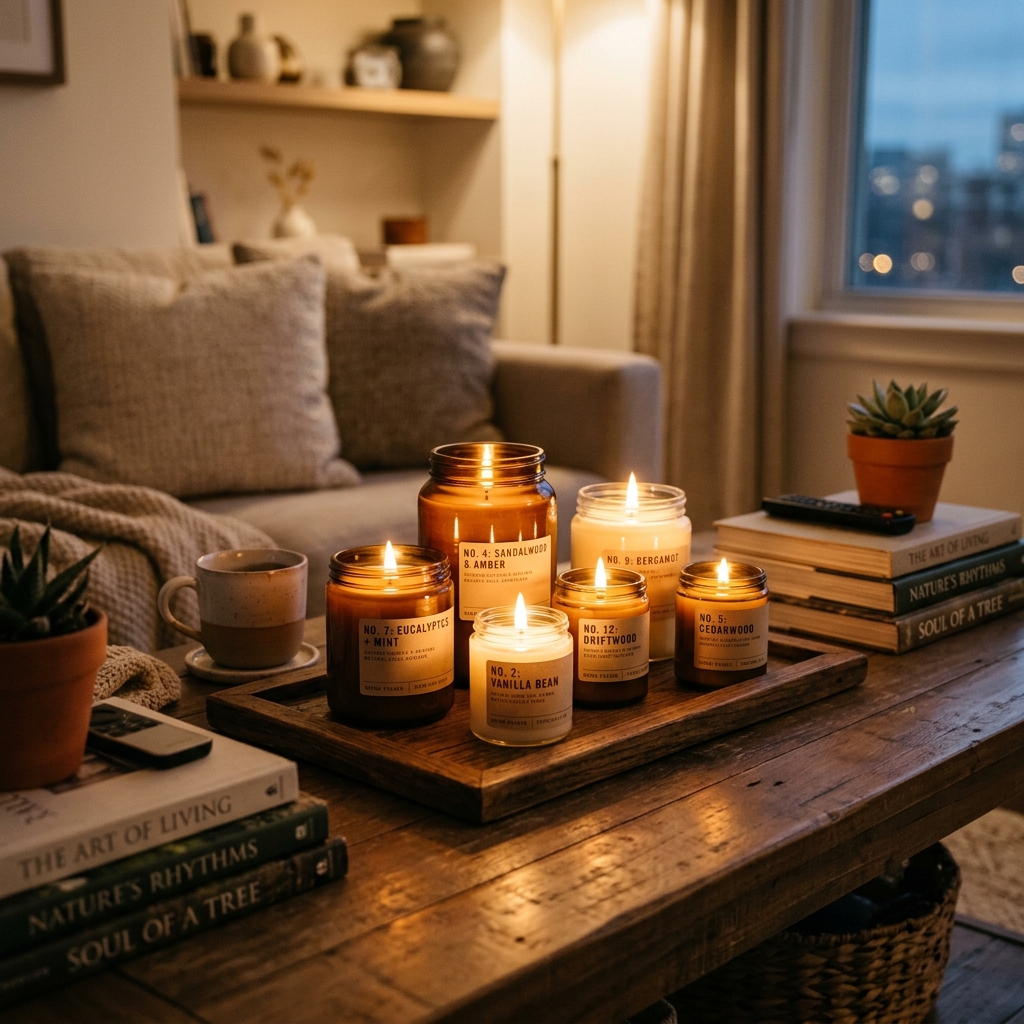
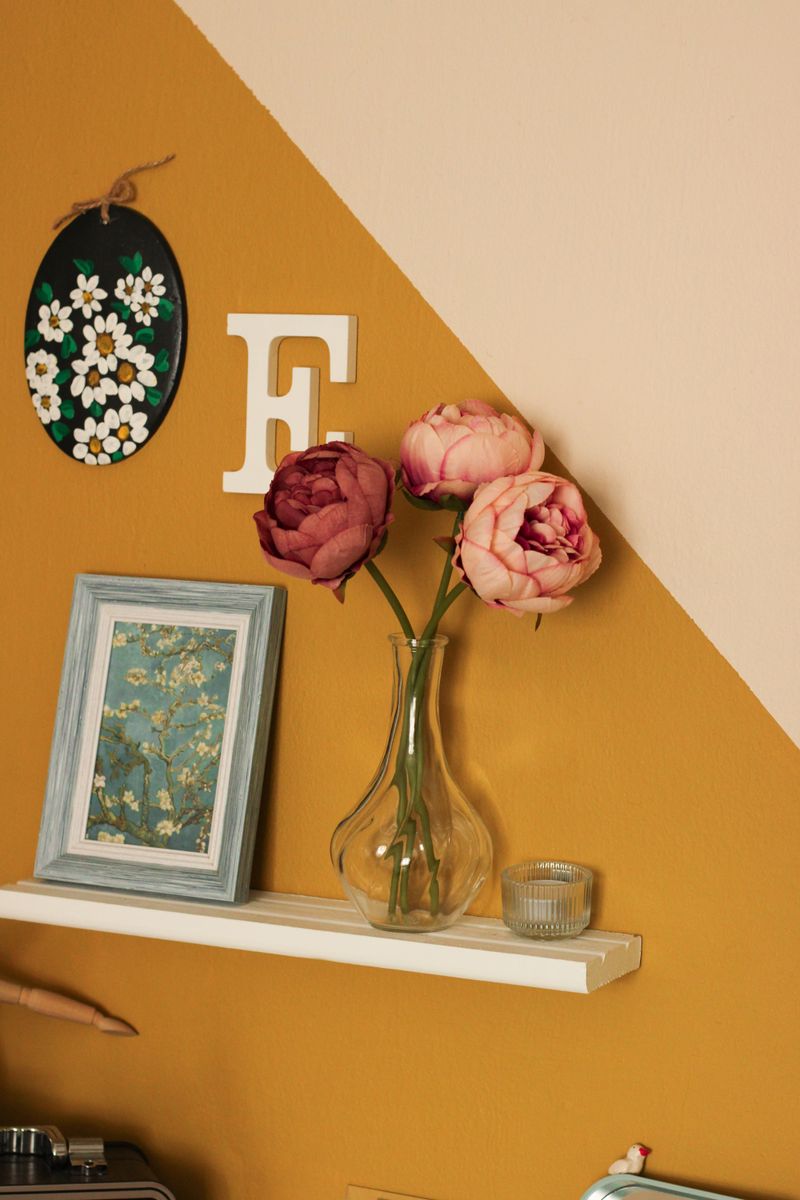
To make your reading corner feel like a true reflection of you, add a few meaningful personal touches. Hang a favorite piece of art on the wall, display family photos on your shelves, or place a scented candle on your side table. Scents like lavender, amber, or vanilla can enhance the relaxing mood of the space. A blanket ladder leaned against the wall offers a stylish way to store extra throws while adding height and structure. Be selective with your decor pieces; choose items that bring you joy and help you feel relaxed, ensuring the space remains calm and clutter-free.
10. Keeping the Space Clutter-Free
A calm, relaxing environment requires a sense of order. Clutter can distract your mind and make it difficult to unwind. Keep your reading corner organized by returning books to their shelves when you finish them and clearing away empty mugs or glasses. Use small decorative boxes or trays on your side table to hold smaller items like reading glasses, bookmarks, and pens. Regularly review your reading nook to ensure only the essentials remain, keeping the space open, tidy, and inviting for your next quiet moment.
11. Adapting the Idea for Small Spaces
If you live in a small apartment or have a shared room, you can still create a functional reading corner. Focus on using multi-functional furniture and compact designs. Swap a large armchair for a slim-profile accent chair, or use a comfortable floor cushion that can be tucked away when not in use. Use a floating wall shelf instead of a bulky side table, and take advantage of vertical wall space for book storage. A simple folding screen or a tall plant can act as a divider, offering privacy and separating your reading nook from the rest of the room.
12. Making the Space Work for Different Times of Day
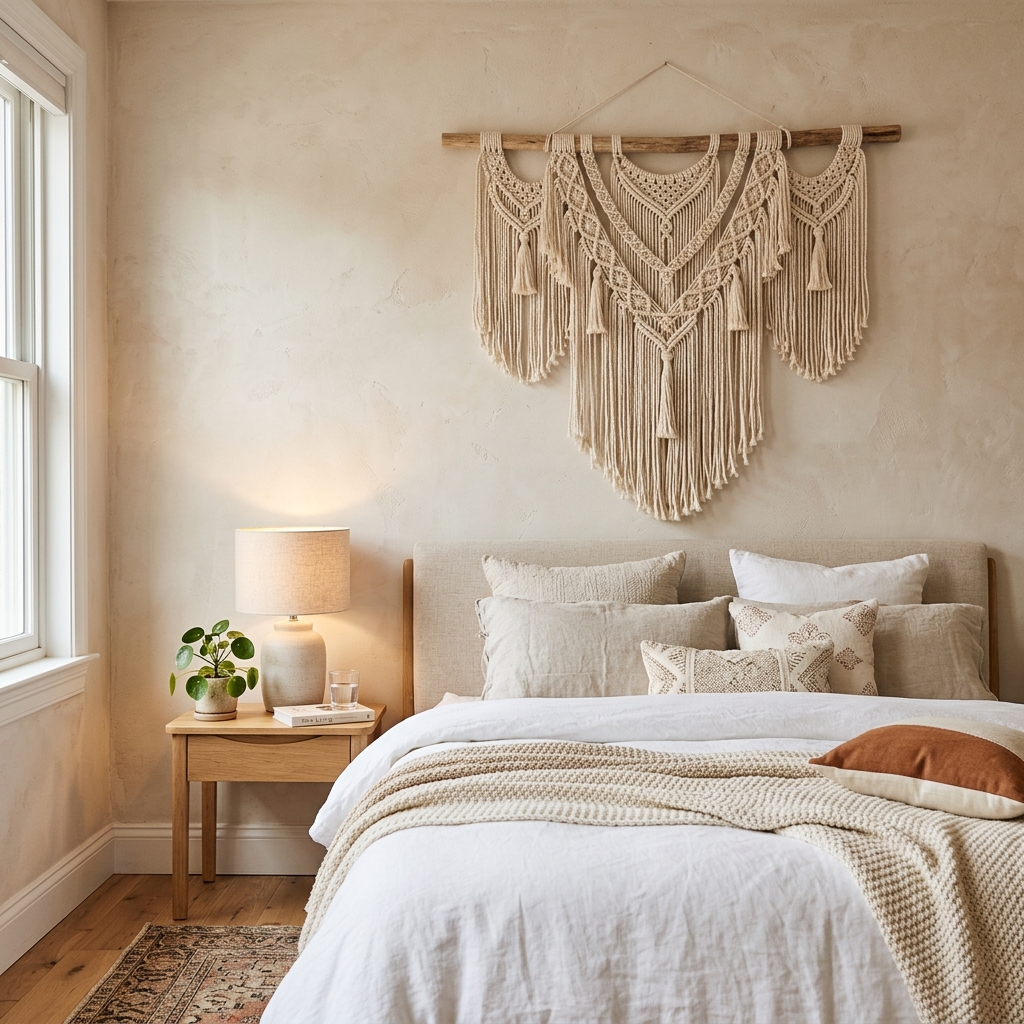
A great reading corner should adapt to your needs throughout the day. In the morning, open your curtains wide to fill the space with natural daylight, creating an energizing spot for your morning coffee and news. In the afternoon, use sheer curtains to soften direct sunlight and prevent glare on your pages. In the evening, turn off overhead lights and turn on your floor lamp, table lamp, or fairy lights to create a warm, cozy glow. Adjusting your lighting and setup throughout the day ensures your reading corner remains comfortable, functional, and inviting at any hour.