Gas vs. Electric vs. Induction Ranges: Pros and Cons
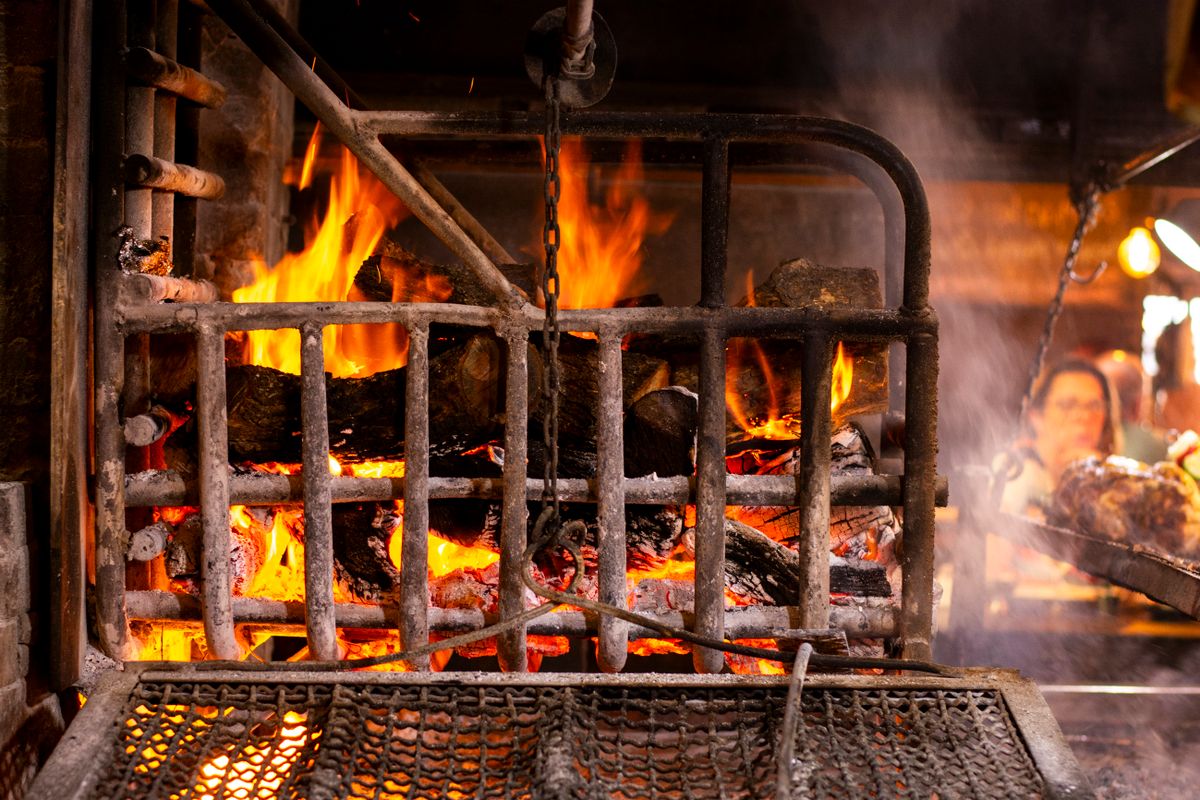
Understanding cooktop fuel types is the vital starting point for your buying decision. Gas ranges are loved by home chefs for their visible flames and instant temperature adjustments, but they require a gas line and release combustion byproducts. Traditional electric coil or smooth ceramic cooktops are budget-friendly and easy to install, but they heat slowly and retain dangerous residual heat. Induction cooktops represent the premium modern standard, utilizing electromagnetism to heat pots directly. This results in incredible energy efficiency, lightning-fast boiling times, and a cool-to-touch surface that is exceptionally easy to wipe clean, though it requires compatible magnetic cookware. Choose the technology that fits your cooking habits, budget, and local utility costs.

Range Sizing and Fitting Your Kitchen Layout
Standard ranges typically measure 30 inches wide, which fits comfortably in almost all standard apartment layouts and single-family home kitchens. However, if you are a passionate home baker or cook for a large family, upgrading to a professional 36-inch or 48-inch range offers extra burner capacity and dual ovens. When planning your kitchen footprint, ensure you measure the width, depth, and height of your cabinetry cutout opening, paying close attention to side wall clearances and door swing angles. A range that sits too far forward will disrupt traffic, while one that is too snug can damage surrounding cabinetry laminates. Always refer to the manufacturer's exact specifications sheet before finalizing cabinet plans.
Freestanding vs. Slide-In vs. Built-In Ranges
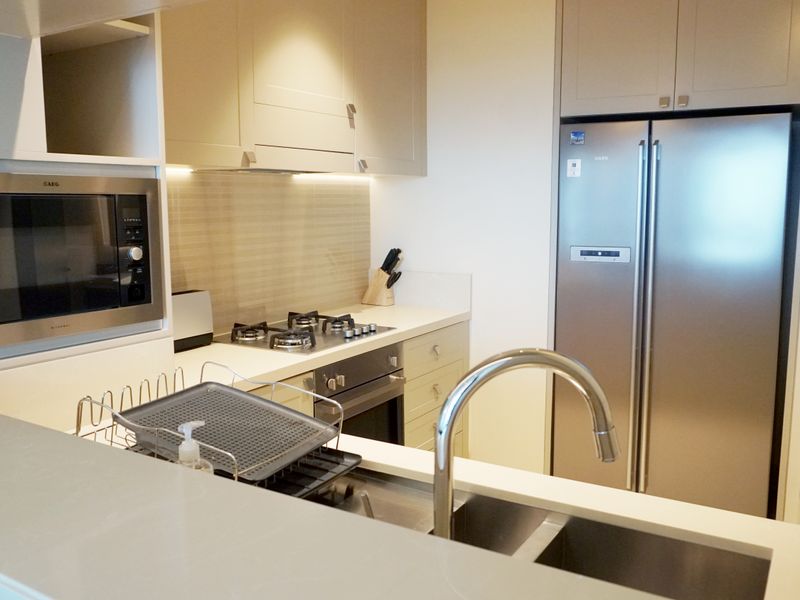
Freestanding ranges feature finished sides and a backguard control panel, allowing them to stand alone anywhere in your layout. Slide-in ranges have unfinished sides and controls on the front, sliding flush with countertops for a built-in look. Built-in cooktops are separate units installed directly in countertops, with wall ovens placed at eye level in cabinetry towers. Freestanding options are budget-friendly and easy to swap, but slide-ins offer a sleek visual look with no gaps where crumbs can fall. Choose the configuration that best fits your design aesthetic, kitchen layout, and installation budget.
Understanding Hood Types (Under-Cabinet, Wall-Mount, Island, Downdraft)
Selecting the right range hood type depends on where your stove sits. Under-cabinet hoods attach directly beneath upper wall cabinetry, saving vertical space in tight layouts. Wall-mount chimney hoods replace cabinets above the stove, extending upwards to create a strong architectural focal point. Island hoods hang from the ceiling over cooking zones located on central prep islands, requiring sturdy ceiling support. Downdraft hoods pull air downwards into under-floor vents, offering a minimalist option for open kitchens where overhead hoods would block views. Choose the hood type that coordinates with your cooktop placement and venting capabilities.

Matching Hood CFM (Airflow) to Your Range's BTU Output
Range hood performance is measured in CFM (Cubic Feet per Minute), which indicates how much air the blower can pull out of the space. As a general rule for gas ranges, you need 100 CFM of ventilation power for every 10,000 BTUs of total cooktop output. For electric or induction stoves, multiply the width of your range by 10 to find the minimum recommended CFM (for example, a 30-inch electric range requires at least a 300 CFM hood). Over-specifying CFM is always better than under-specifying, especially if you enjoy high-heat searing, deep frying, or wok cooking. Choosing the correct power ensures a clean, smoke-free kitchen environment.

Hood Width and Clearance Requirements
To capture steam and grease effectively, your range hood should be slightly wider than your cooktop. For wall-mounted hoods, choose a model that extends 3 inches past the range on each side (for example, pair a 30-inch range with a 36-inch hood). Island cooktops require this extra width to prevent air drafts from blowing steam away from the hood. Additionally, ensure the hood is installed at the correct height: typically 24 to 30 inches above electric cooktops, and 30 to 36 inches above gas burners. Following these height rules prevents grease fires and ensures optimal airflow.
Ducted vs. Ductless (Recirculating) Hoods
Ducted range hoods vent smoke and odors directly outside through wall or roof metal ducts, offering the most effective ventilation. Ductless hoods draw air through charcoal filters to remove grease and odors before recirculating it back into the kitchen, providing a simpler option when exterior venting is impossible. Ducted installations are more expensive and require clear path planning, but they are quieter and clear air much faster. Choose a ducted setup if your home's structure allows, or select a high-quality recirculating model with replaceable charcoal filters if you are updating an apartment kitchen.

Style and Finish Considerations (Matching Range and Hood Aesthetics)
Matching range and hood aesthetics is key to creating a cohesive designer kitchen look. If you choose a professional stainless steel range, a matching stainless hood offers a clean, commercial kitchen feel. For transitional or classic spaces, a custom plaster or wood range hood canopy can hide the metal fan insert, blending seamlessly with surrounding cabinetry. Bold black stainless steel or colored enamel finishes (such as matte blue or forest green) can turn your stove area into a stunning design statement. Coordinate your appliance finishes, handles, and control knobs to tie the entire room together.

Noise Levels and What to Look for in a Quiet Hood
Range hood noise is measured in sones: one sone is roughly as quiet as a running refrigerator, while normal conversation is around four sones. High-power hoods can exceed eight sones, which can be disruptively loud. To keep your kitchen quiet, look for hoods with remote blowers that mount in the attic or outside wall, keeping fan noise far from your prep area. Additionally, choosing a larger hood with a multi-speed motor lets you run the fan on lower, quieter settings during normal cooking, preserving a peaceful environment for family dining.

Budget Tiers: What You Get at Each Price Point
Understanding range and hood pricing helps you plan your renovation budget effectively. Entry-level packages (under $1,500) offer freestanding gas or electric ranges paired with basic under-cabinet hoods, which provide reliable cooking utility with simple designs. Mid-range packages ($1,500 to $4,000) feature slide-in induction or gas ranges and wall-mounted chimney hoods with stronger CFM blowers. Premium luxury setups (over $5,000) offer professional-grade ranges (such as Wolf or Thermador) paired with custom plaster hoods, high-end brass trim details, and smart home connectivity. Allocate your budget based on your cooking needs and long-term home value goals.
Installation Considerations (Venting, Electrical, Gas Line Requirements)
Proper utility planning is essential for a smooth appliance installation. Electric and induction cooktops require dedicated 220-volt wiring, while gas models require a professional gas line hookup and a standard 110-volt outlet for the ignition. For the range hood, ensure your duct path is as short and straight as possible: using too many elbows or flexible ducting will reduce airflow and increase noise. Hire certified professionals to handle the gas connections, electrical runs, and roof venting, ensuring your setup complies with local building safety codes.

Common Mistakes to Avoid When Buying a Range and Hood
Avoid common buying mistakes by verifying your dimensions and utility capacity before shopping. Many homeowners forget to check if their kitchen range hood CFM exceeds local codes: vents over 400 CFM often require a make-up air damper system to prevent air pressure issues inside the home. Another common mistake is choosing a range hood that is too narrow for an island cooktop, which lets steam escape into the room. Measure your clearances, double-check your utility connections, and choose matching finishes to avoid return fees and installation delays.