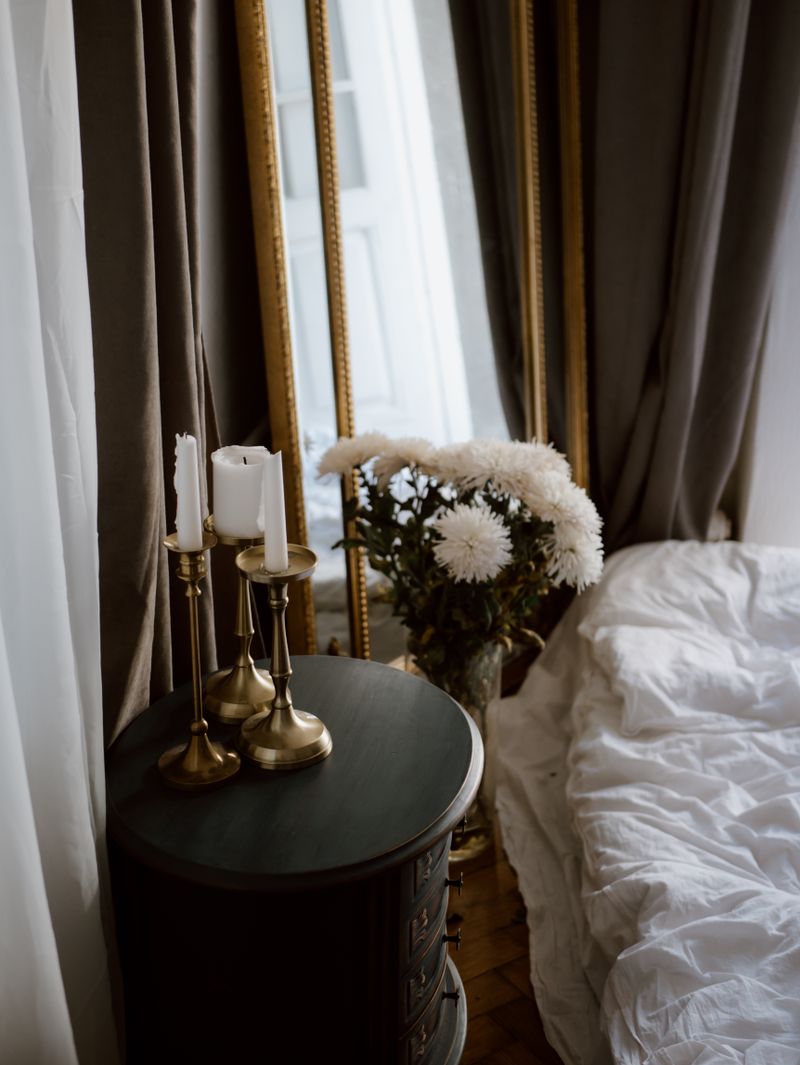
1. What is a PVC Ceiling Design?
A PVC ceiling design is built using interlocking panels made from robust polyvinyl chloride plastic. These hollow-core panels feature tongue-and-groove edges that slide together seamlessly during installation. The boards are mounted to a simple metal framework suspended below the main ceiling structure. The hollow core makes the panels lightweight and acts as a barrier, providing soundproofing and thermal insulation that keeps your bedroom quiet and comfortable.

2. Why PVC is a Smart Choice for Modern Bedrooms
Unlike gypsum plaster or wood panels, PVC is highly moisture-resistant and does not warp, sag, or support mold growth in humid environments. The panels feature a durable outer layer that resists staining and fading over time, eliminating the need for periodic repainting. Additionally, the non-porous plastic surface is incredibly easy to clean; a quick wipe with a damp microfiber cloth keeps the ceiling looking fresh and new for decades.

3. The Visual Effect It Creates
Installing PVC panels creates a clean, architectural finish characterized by straight lines and flat surfaces. The tongue-and-groove joints form subtle, repeating seams that visually lengthen the room's layout, guiding natural daylight from windows. The lack of plaster textures and paint brush strokes makes the overhead canvas look smooth and minimal, helping modern bedroom designs feel balanced, organized, and spacious.

4. PVC Panel Styles and Finishes
Modern printing technologies allow PVC panels to mimic high-end finishes at a fraction of the cost. Choose matte white panels for a clean look, or select glossy boards to reflect sconce lighting. For organic warmth, opt for wood-grain print panels that mimic teak or white oak, or textured panels that replicate raw concrete. These custom finishes let you coordinate the ceiling design with your bedroom furniture seamlessly.
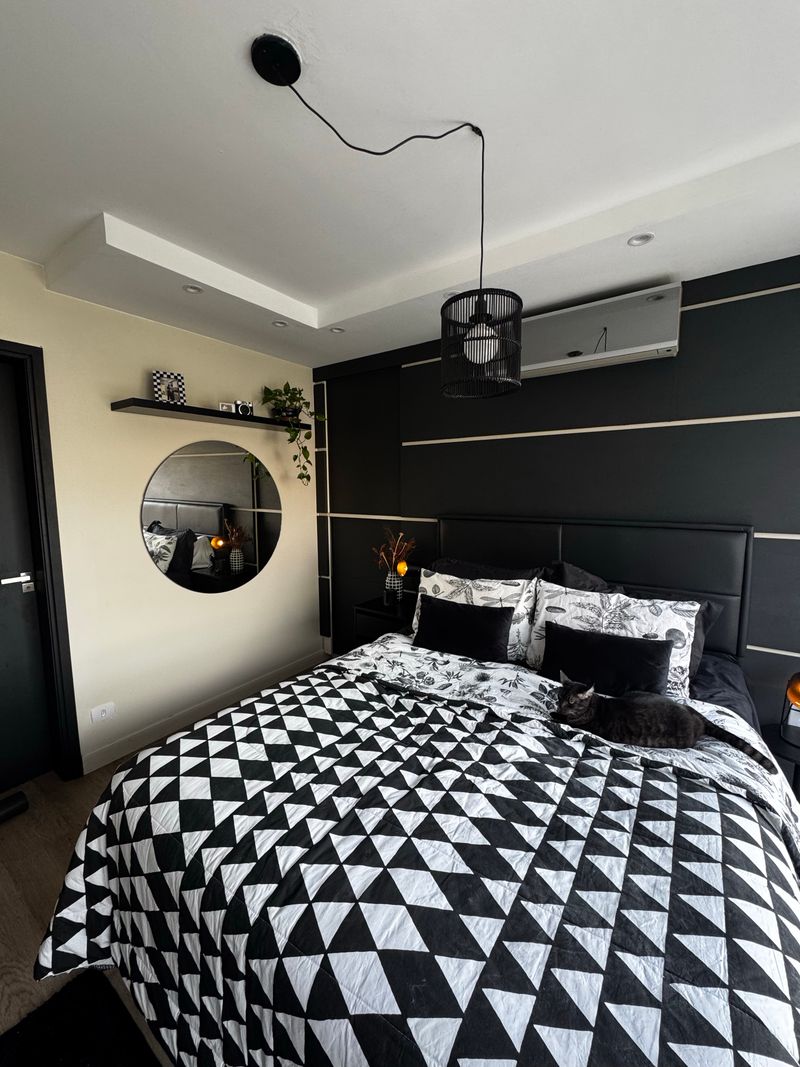
5. Pairing Lighting with a PVC Ceiling
Pairing lighting with PVC is simple due to the hollow core of the panels, which allows installers to cut clean wiring holes easily. Mount flush recessed LED spotlight points inside the boards to cast focused light down the walls. Run dimmable LED strip lights along a tray border to wash the PVC surface in a soft, golden glow that softens the corners cleanly, preventing the synthetic plastic panels from looking cold.

6. Color and Pattern Options to Elevate the Look
While matte white remains the most popular color for bedrooms, mixing panel finishes can elevate the design. Install a central tray section using dark walnut wood-grain panels and keep the outer border panels matte white. The two-tone contrast draws the eye upward, highlighting the height of the ceiling. Pair this layout with brass hardware to add a subtle, luxurious highlight that frames the sleeping area.
7. PVC Ceilings in Small vs. Large Bedrooms
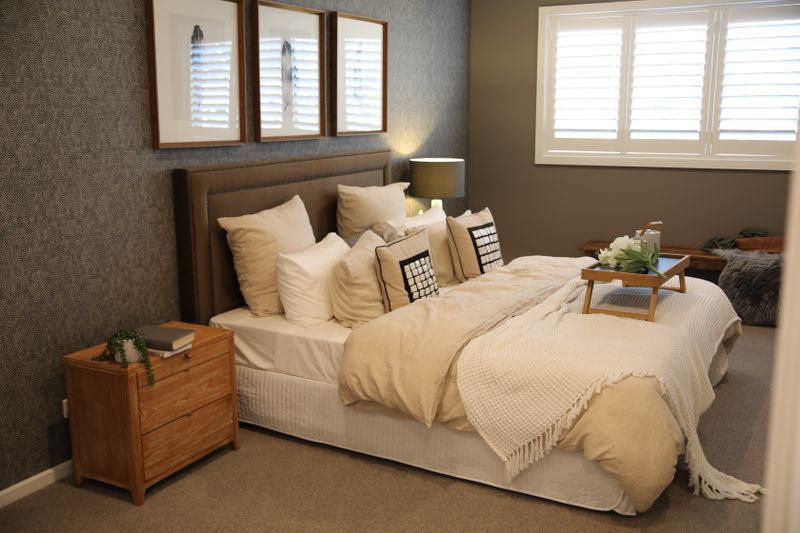
In large master bedrooms, you can install wide, dark wood-grain PVC panels horizontally to make the open space feel cozy and grounded. In compact bedrooms, however, choose narrow, glossy white panels to reflect daylight and make the layout look spacious. Run the panels parallel to the longest wall to visually lengthen the room, helping narrow walkways stay bright, open, and clean.
8. Cost Considerations Compared to Gypsum or POP
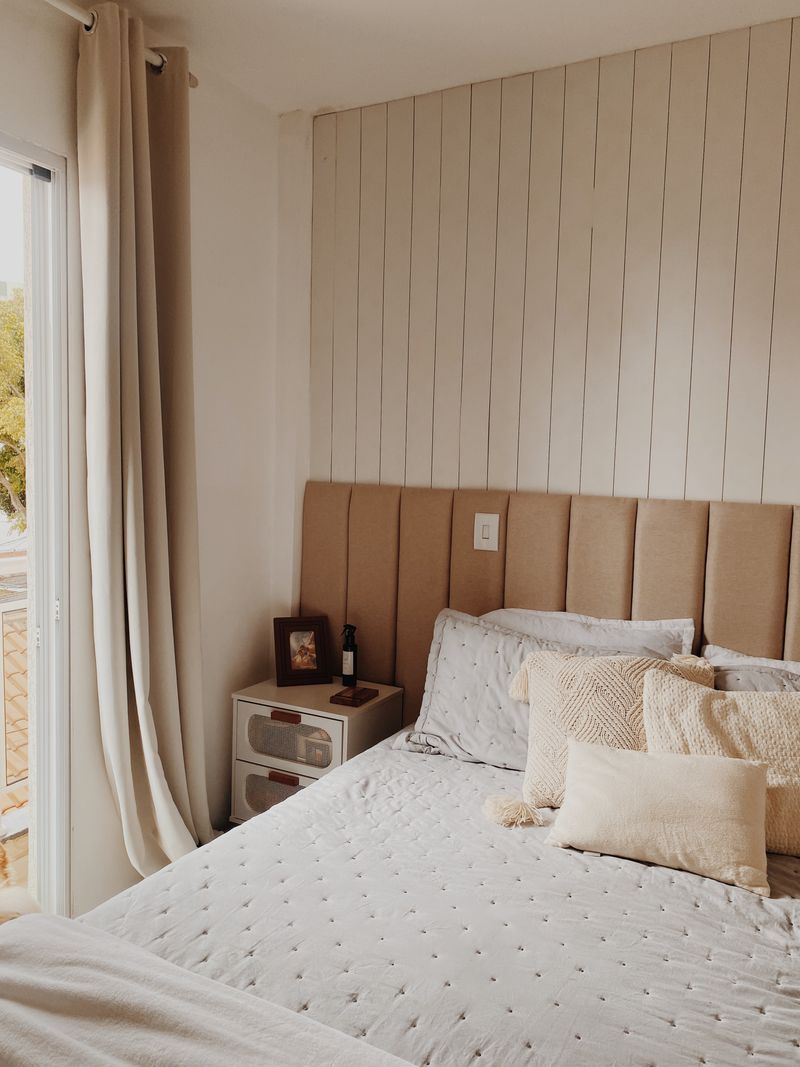
PVC ceilings are highly budget-friendly compared to traditional gypsum plaster or hand-applied POP. The synthetic panels are pre-finished, eliminating the need for taping, sanding, and painting after installation. Additionally, the quick installation process reduces labor costs significantly. This cost-efficiency makes PVC an excellent choice for budget-friendly bedroom upgrades that still look sophisticated, custom-made, and high-end.
9. Installation Process Overview and Maintenance Tips
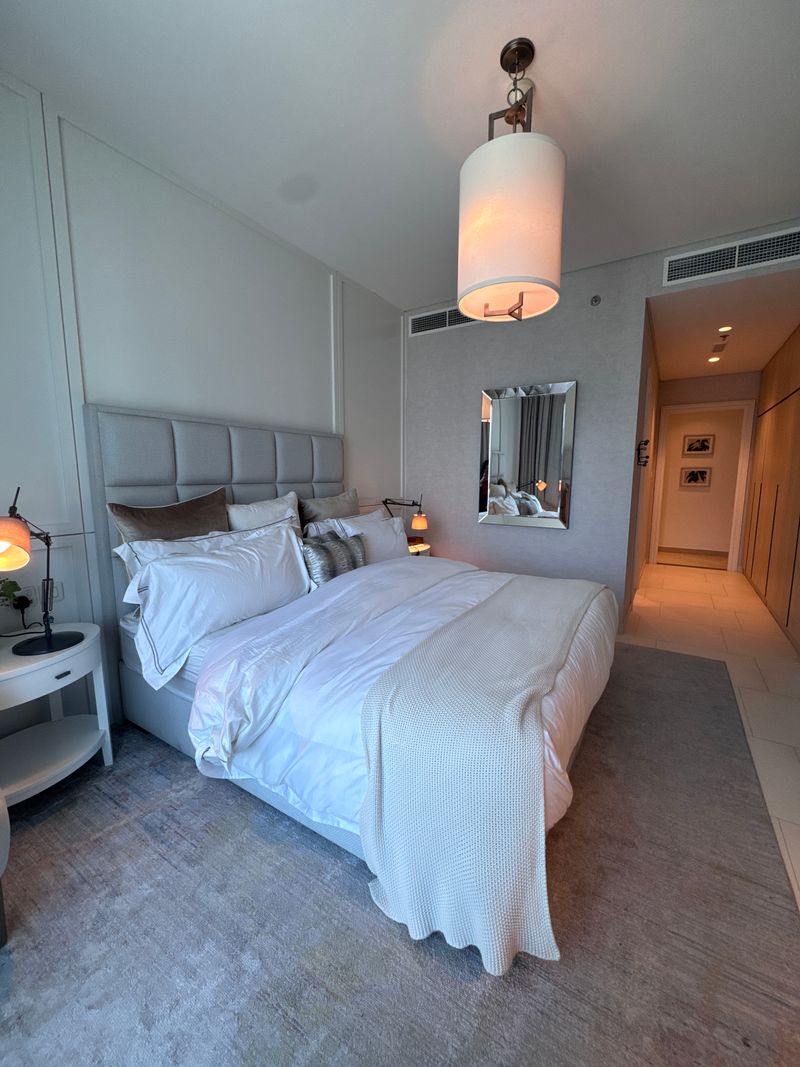
Installing PVC is a clean, dry process that involves mounting lightweight panels to a suspended metal frame using screws. The interlocking tongue-and-groove edges slide together quickly, completing a standard bedroom ceiling in just one day. To clean the panels, wipe them occasionally with a soft microfiber cloth and a mild soap mixture, avoiding abrasive scrubbers that can scratch the glossy outer finish.

10. Complementary Furniture and Wall Treatments
To balance the sleek, synthetic finish of PVC ceiling boards, choose bedroom furniture made of natural materials. Pair the ceiling with a raw white oak bed frame, soft linen drapes, and textured wool rugs. Layering these natural fibers breaks up flat plastic surfaces, bringing cozy warmth and organic texture that coordinates beautifully with wood-grain printed panels.
11. Common Design Mistakes to Avoid
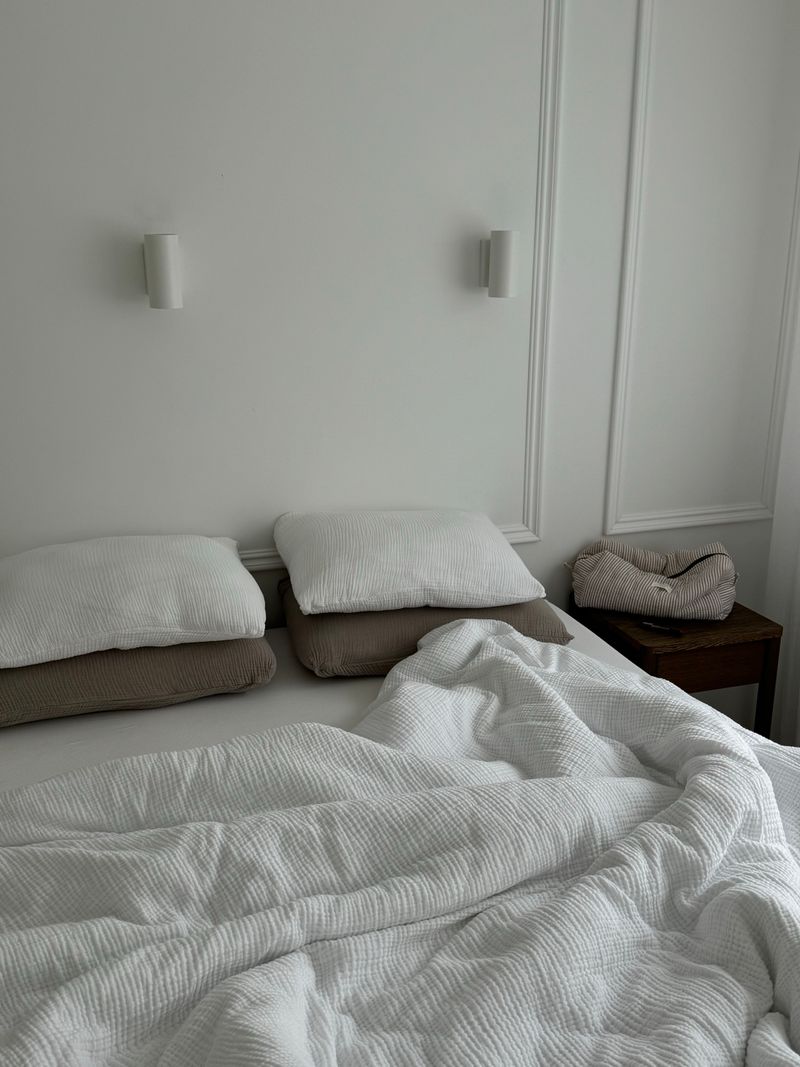
One of the most common mistakes is selecting cheap, poorly-printed wood-grain panels, which can look artificial under direct lights. Another error is neglecting to install diffuse covers on LED strip lights, casting harsh reflections on glossy plastic surfaces. Ensure you choose high-quality matte or finely-textured panels and use warm, diffuse lighting to keep the design looking modern and clean.

12. How to Decide If a PVC Ceiling Fits Your Bedroom
If you live in a humid climate, want a low-maintenance home upgrade, and prefer modern, clean lines, a PVC ceiling is an excellent choice. Measure your bedroom height: panels should be installed with at least eight feet of clearance to keep the dropped grid from looking low. Sourcing quality materials ensures your PVC ceiling remains a durable, elegant design feature.