1. Understanding the Dark Bedroom Aesthetic
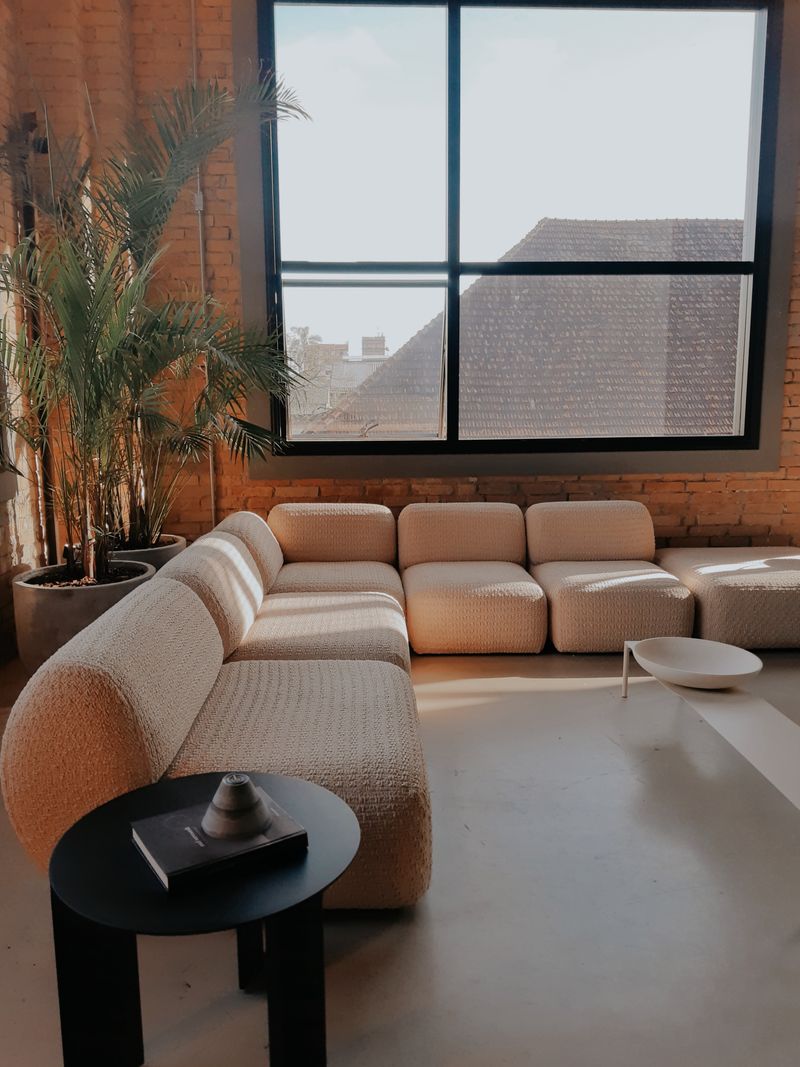
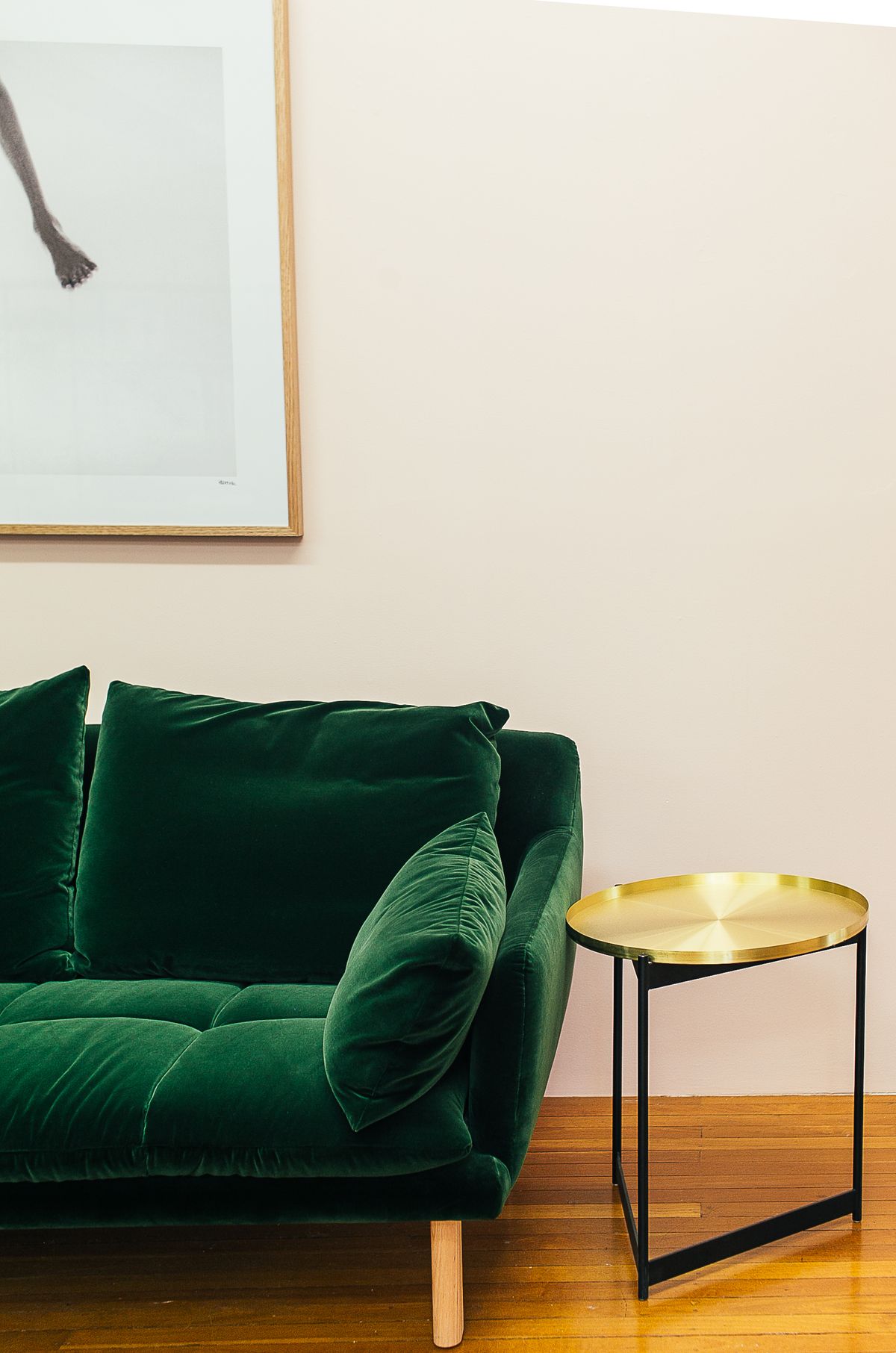
The dark bedroom aesthetic centers on emotional cocooning. By surrounding a room in deep, saturated tones, we minimize harsh visual reflections, allowing the eyes and mind to wind down instantly. In 2026, this design represents a shift away from sterile, bright white interiors toward rooms that feel intimate and nurturing. It works because it leverages human biology €�darker spaces signal to our bodies that it is time to rest. Implementing this look requires embracing dark shades as a wrap-around feature, including walls, ceilings, and major furniture elements, to create a seamless visual sanctuary.
2. Choosing the Right Dark Color Palette
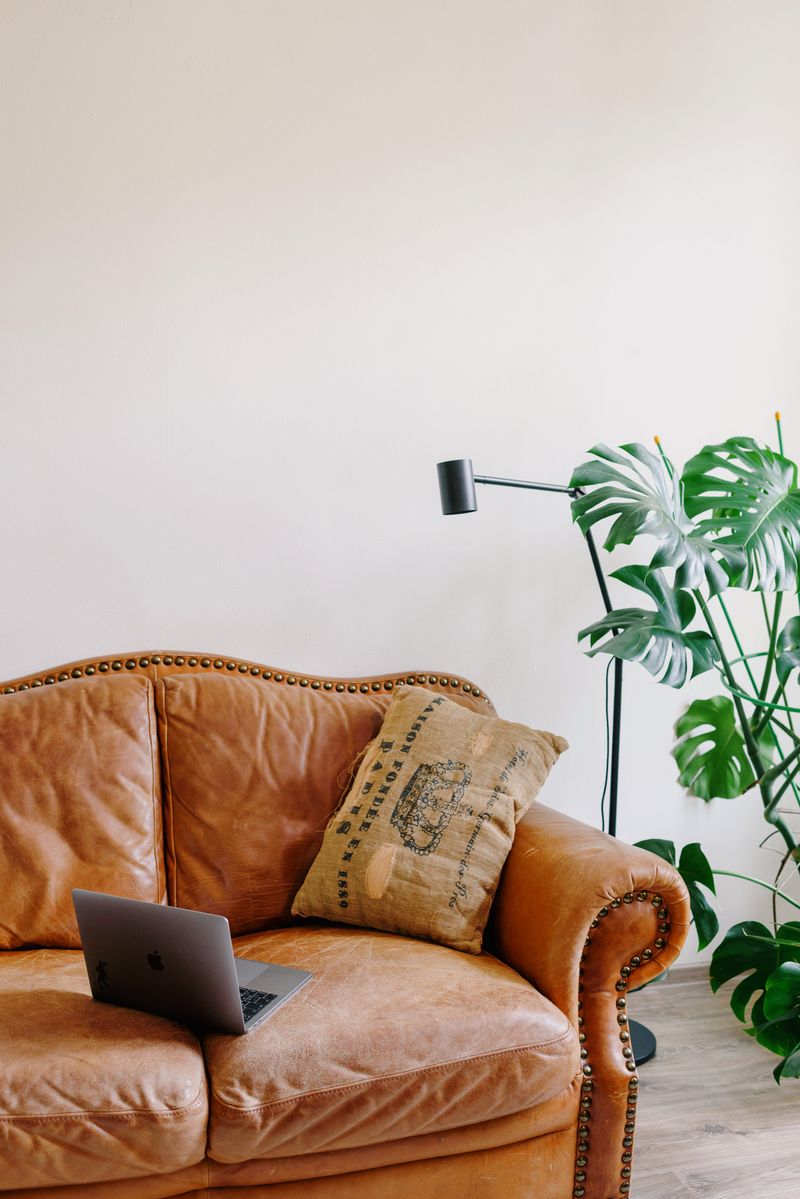
Selecting your base color is the most critical decision when going dark. In 2026, the trendiest palettes feature deep charcoal, dark mossy green, deep navy blue, and warm black. Avoid using plain flat black paint, which can look cold and absorb all light; instead, opt for rich charcoal paint with warm brown undertones or moody greens that connect the room to nature. This keeps the space feeling warm and three-dimensional. When painting, try coating your baseboards, doors, and trim in the same color to achieve a clean, wrap-around monochromatic look.
3. Designing a Layered Lighting Strategy
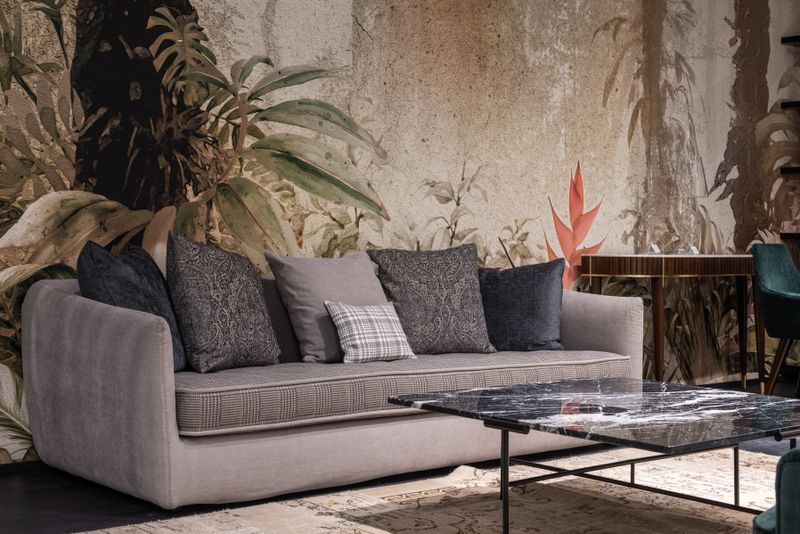
Without correct lighting, a dark bedroom can feel cold and uninviting. The secret to a moody, high-end bedroom is indirect, layered lighting. Replace harsh, bright overhead light fixtures with warm white accent lights (2400K—2700K). Install hidden LED strip tape behind the bed headboard to cast a soft upward wash on the textured plaster wall. Layer this with low bedside lamps with ceramic shades, small reading spotlights, and drop pendant lights. This creates pockets of warm light and soft shadows that make the dark room feel spacious and incredibly cozy.

4. Selecting Furniture and Matte Materials
Furniture in a dark bedroom should complement the moody aesthetic without getting lost in the shadows. Opt for pieces made from dark walnut wood, stained oak, or matte black steel. These materials bring organic texture and strong outlines to the space. Contrast these hard surfaces by selecting upholstered accent items in rich fabrics like velvet, bouclé, and natural leather. A matte black vanity console table, styled with clean ceramic vases, adds modern lines while preventing glare from bedside lamps.
5. Textured Wall Treatments and Paneling
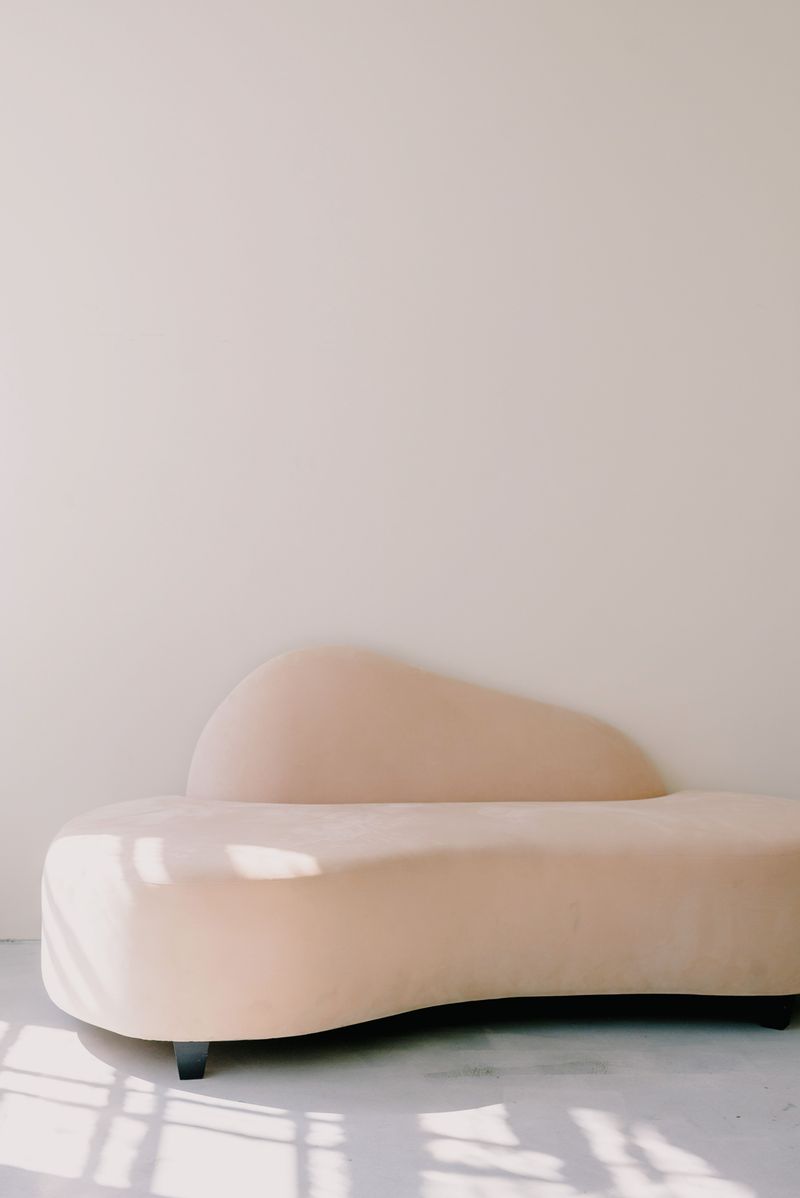
Flat dark painted walls can sometimes look dull and visually flat. Incorporating texture through limewash paints, plaster finishes, or vertical wooden slats brings walls to life. Limewash paint creates subtle variations in color tone that catch task lighting, while vertical oak wood slats add geometry and acoustic comfort. To implement this, apply a dark grey limewash paint in cross-hatch strokes across the main wall behind your bed headboard, or cover it in stained charcoal vertical timber paneling.
6. Luxuriously Layered Bedding and Textiles
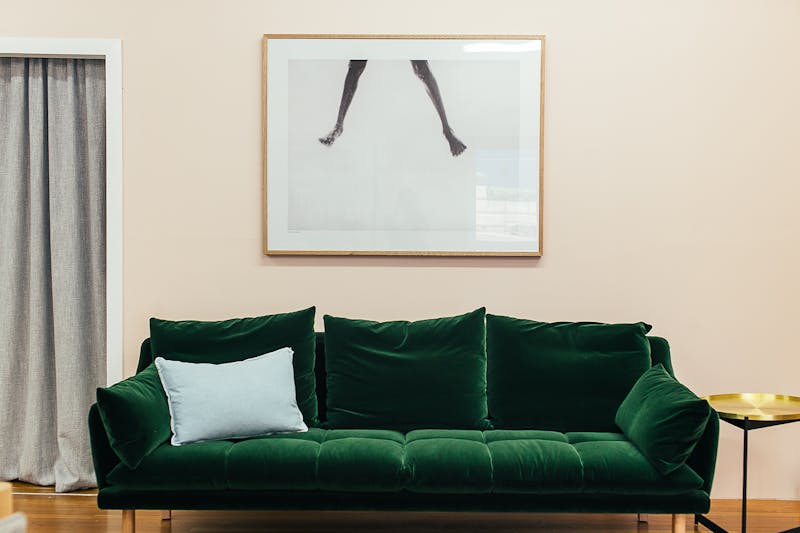
The bed is the heart of any bedroom, and in a dark aesthetic space, it should feel like a cozy cloud. Layer organic linen bedding in clay, charcoal, and warm sand tones. The raw, textured look of flax linen breaks up the flat walls, and mixing lighter earth tones with dark charcoal prevents the bed from looking like a black void. Incorporate thick wool throws and bouclé throw pillows to add visual depth and tactile layers, inviting you to rest.
7. Curating Moody Decor Accessories
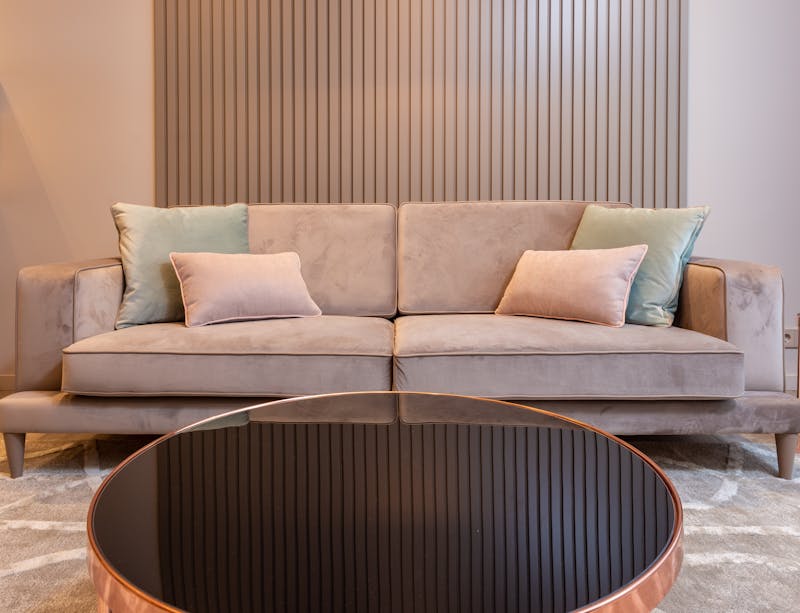
Decor accessories should be curated with restraint to keep the bedroom clutter-free. Style floating wood shelves with stoneware art sculptures, black-and-white botanical sketch prints in oak frames, and amber glass vases. The amber glass catches bedside light, adding a warm glow. Hang a large round brass mirror on one wall to reflect light back into the dark room, and introduce organic green plants to breathe life into the dark space.
8. Selecting Flooring and Textured Rugs
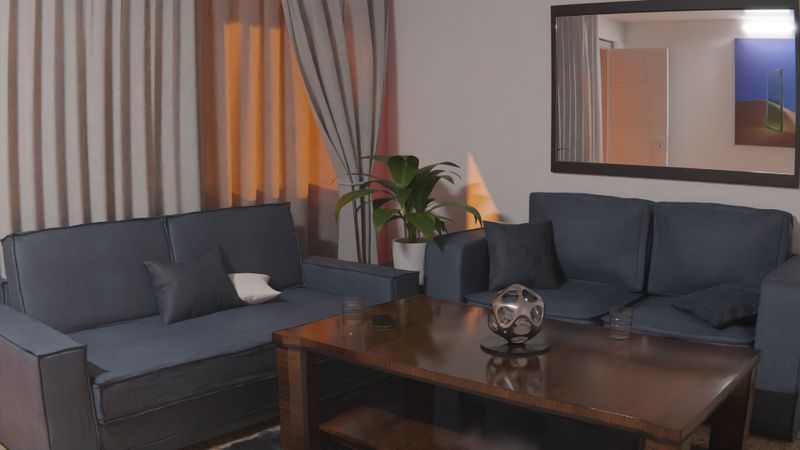
Your flooring choice grounds the entire room design. While dark wood flooring or polished concrete fits the moody aesthetic, they can feel cold underfoot. Soften the room by placing a large, textured high-pile wool area rug under the bed frame. Choose a rug in warm off-white, beige, or distressed vintage tones. This provides a soft landing spot in the morning and breaks up the dark wood or concrete floor surfaces.
9. Dark Decor Tips for Small Bedrooms
You don't need a huge bedroom to go dark. In fact, deep colors can make small spaces feel bigger by blurring the boundaries of the walls. To implement this, paint the walls, baseboards, and ceiling in the same dark shade. This hides the hard corner lines, creating an endless, cozy feel. Select a low-profile platform bed to keep the wall space above open, and hang floor-to-ceiling sheer linen curtains to maximize daylight.
10. Creating Contrast to Avoid a Cave-Like Feel
A common mistake when going dark is making the room feel like a gloomy cave. To avoid this, introduce natural contrast. Use a light white oak headboard or dresser to pop against the dark walls, and hang light-colored botanical art prints. Layer neutral-colored linens (like sand or beige) on the bed. This balance ensures the dark bedroom feels rich, modern, and designer-curated, rather than heavy and small.
11. Common Mistakes to Avoid When Going Dark
Avoid these key mistakes to keep your dark bedroom successful. First, never use glossy paint; gloss highlights wall drywall imperfections and creates harsh reflections from lamps. Always choose a flat, dead-matte finish. Second, do not rely on a single central ceiling light; it destroys the moody atmosphere. Third, don't forget to include plants. Without some organic life, a dark room can feel static and lifeless. Add at least one or two green trailing plants to introduce oxygen and fresh color.