1. Storage Beds That Do Double Duty
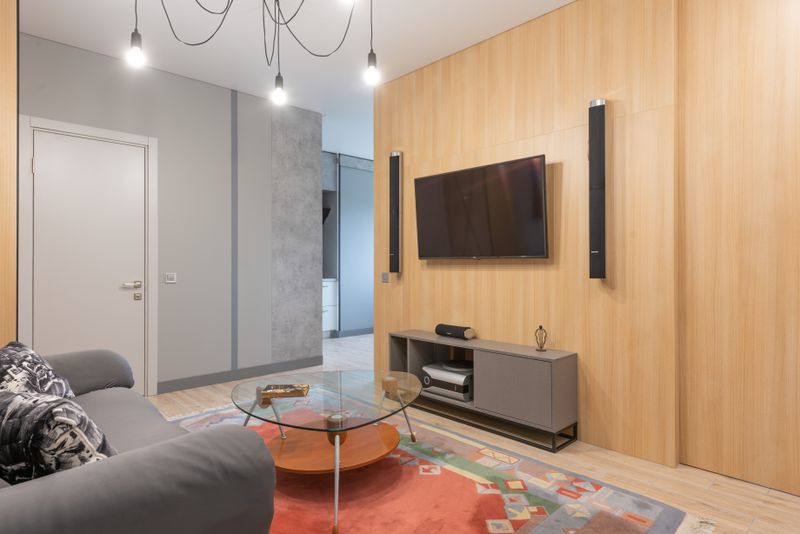
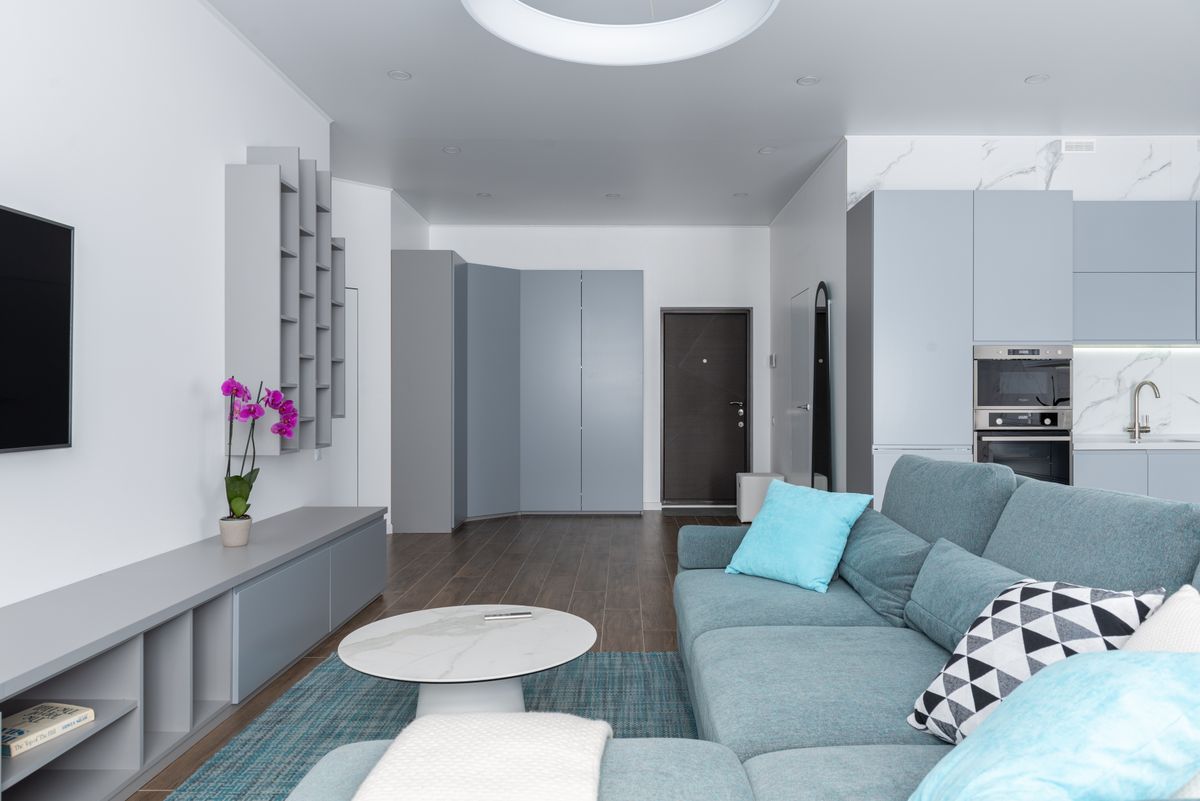
In a very small bedroom, a traditional bed frame represents wasted space underneath. Selecting a platform bed with integrated storage drawers allows you to hide clothing and blankets, eliminating the need for a bulky chest of drawers. Choose a bed frame made of light white oak or fitted with cream-colored fabric paneling to keep the look soft. Ensure the storage drawers open easily on smooth rollers, allowing you to access items without catching on wool rugs or wood floorboards.
2. Vertical Wall Shelving and Floating Hooks
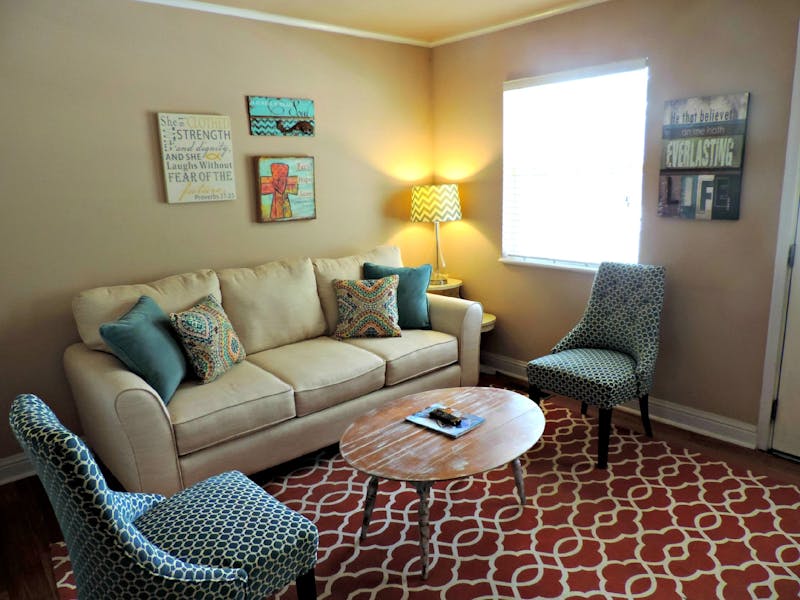
When floor area is occupied by your mattress, look to your walls for storage. Mounting a stack of thick floating oak wood shelves next to your bed or in unused corners provides a clean display zone for books, ceramics, and small green plants. Floating shelves keep visual lines light because they lack brackets. Install simple brass wall hooks nearby to hang evening robes and bags, preventing clothes from piling up on accent chairs or the floor level.
3. Light Color Palettes for Visual Airiness
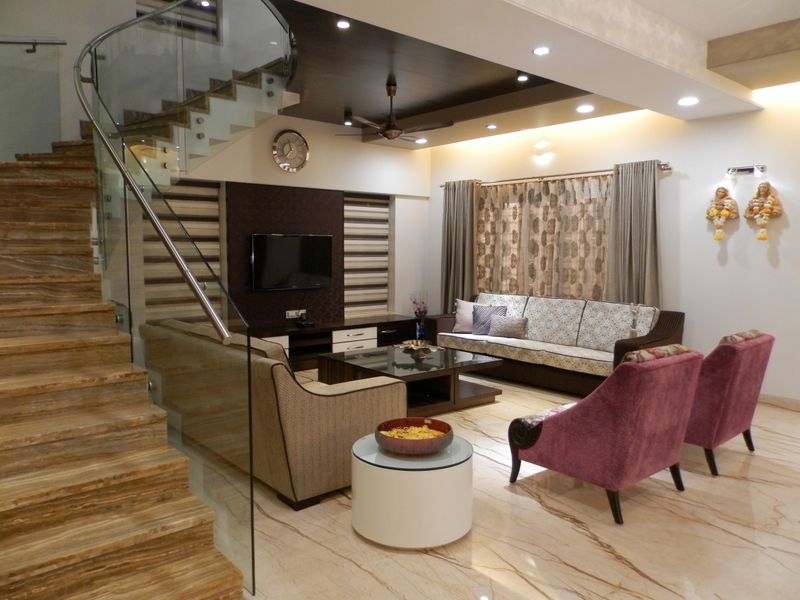
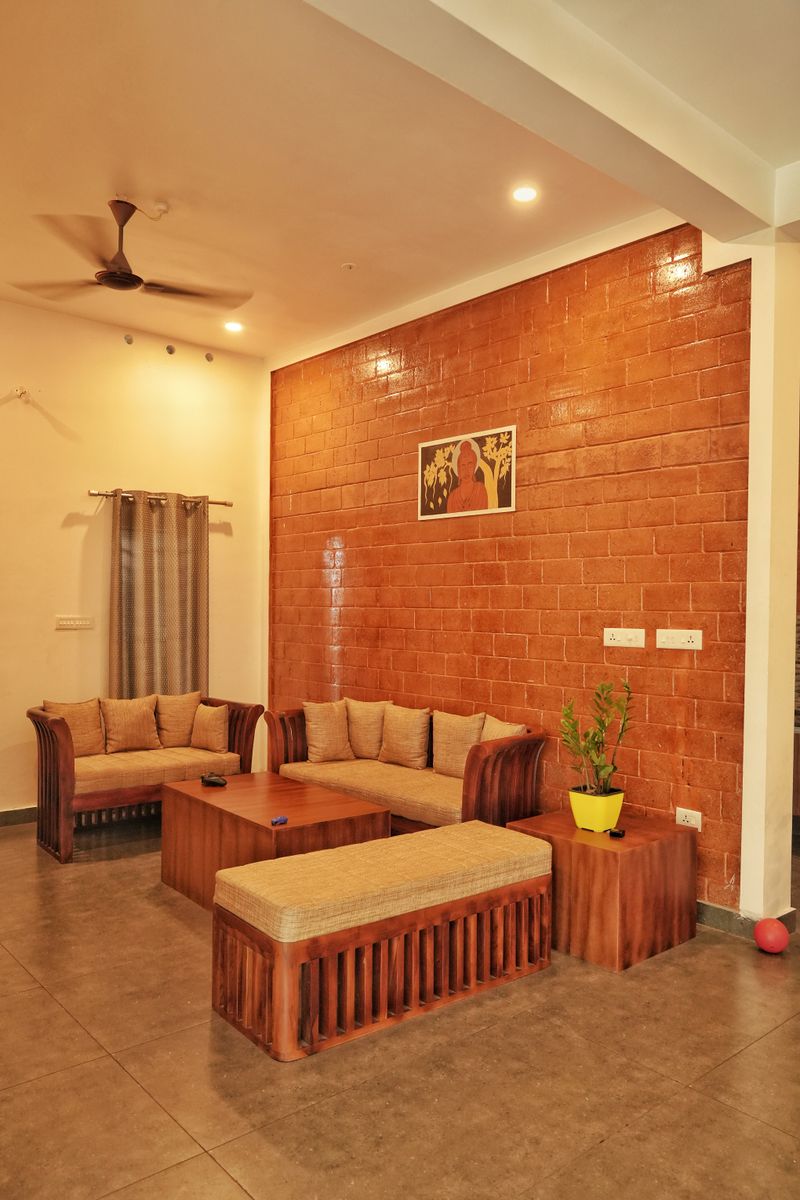
Dark, saturated colors can make very small bedrooms feel like closed-in boxes. To create a bright, spacious feel, build your color scheme around light, warm neutrals like cream, Alabaster white, sand, and pale grey. These tones catch and bounce natural daylight across the room, illuminating dark corners. Paint the doors, baseboards, and window frames in the same color to remove visual boundaries, making the layout feel seamless and airy.
Light Space-Expanding Palette
4. Mirrors for Visual Expansion and Depth
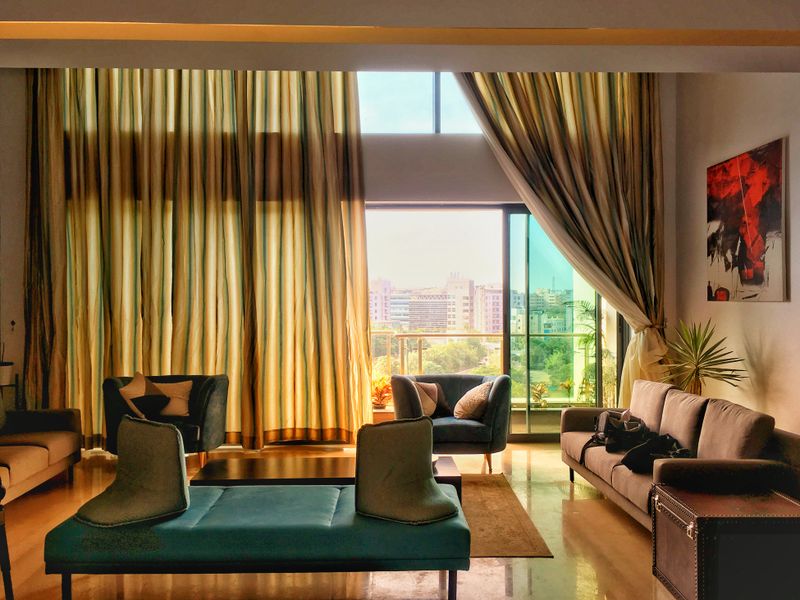
Hang a large round mirror on the wall opposite your window to double the daylight in your room. The glass panel acts as a visual window, breaking up solid drywall planes and bouncing sunlight into dark corners. This simple trick adds immediate dimensional depth. Frame your mirror in a thin, elegant brass or black metal band to add a chic highlight that coordinates with bedside drawer pulls.
5. Under-Bed Hidden Storage Boxes
If your bed lacks built-in drawers, use the empty space beneath the platform frame for storage. Choose flat, low-profile woven rattan boxes or zipper linen containers with lids. Rattan adds natural texture to the floor level, while the lids protect your off-season clothes from dust. Keep the containers aligned to preserve clean lines along the base of your bed.
Under-Bed Storage Checklist
- Choose containers with lids to prevent dust build-up.
- Add caster wheels to boxes to prevent scratching wood floors.
- Label containers by season (summer vs. winter) for quick access.
6. Right-Sized Compact Nightstands and Dressers
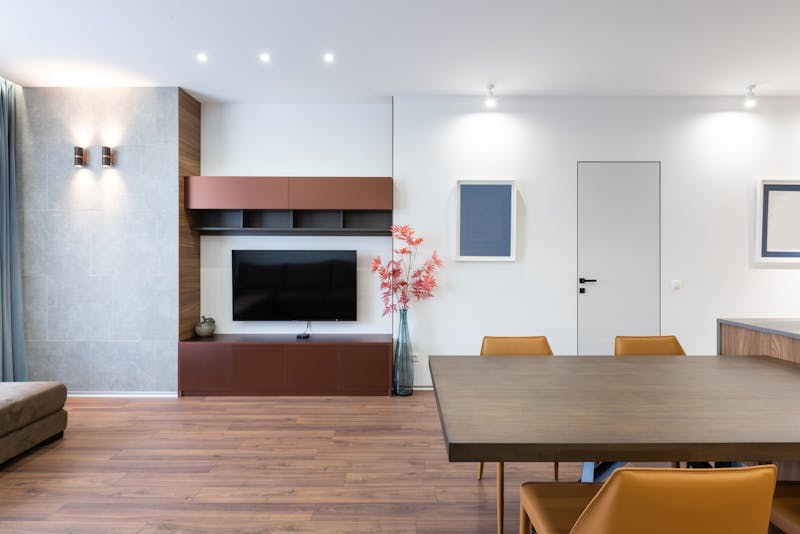
Standard bedroom nightstands can look heavy in very small rooms, blocking paths. Choose slim-profile nightstands or floating wooden block shelves. Select a tall, narrow dresser instead of a wide double-chest to save wall length. Scaling your furniture down ensures there is room to walk, making the layout feel comfortable and uncluttered.
7. Elevated Loft Bed Options for Extra Floor Area
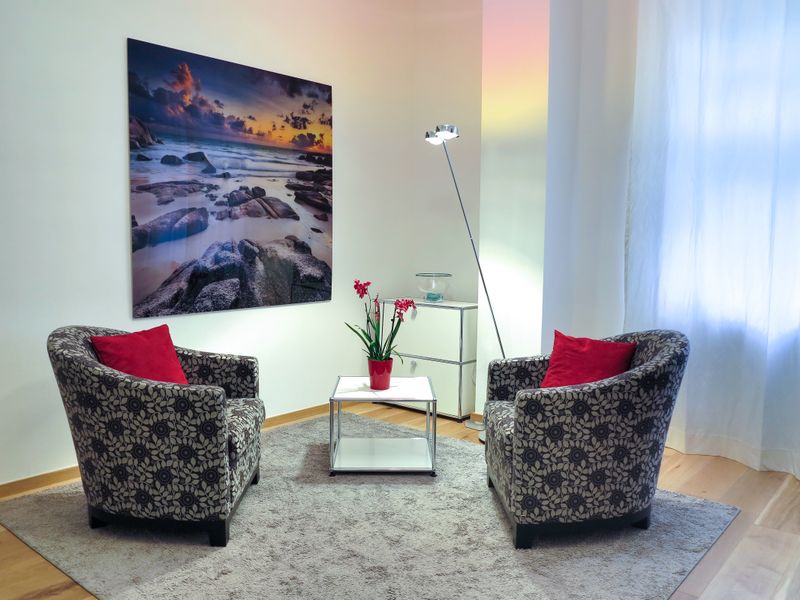
For rooms with high ceilings but limited floor length, elevated loft beds are a great solution. Lifting the mattress onto a structural wooden platform clears the floor area underneath. Use the space under the bed to set up a floating desk nook or a cozy reading corner with a comfortable armchair and soft rug.
Loft Bed Layout Option
By elevating the bed by 5 feet, you unlock up to 35 square feet of floor space belowâ€â€perfect for a cozy workspace or wardrobe zone.
8. Layered Lighting for Compact Cozy Vibes
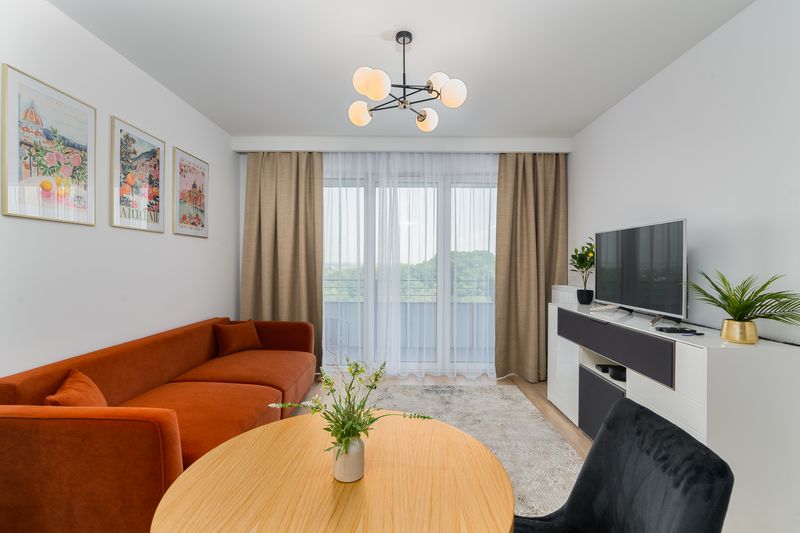
Harsh ceiling lights can flatten a small space, making it feel small. Layer soft, warm light sources (2700K) at different heights instead. Mount brass wall desconces to clear nightstand surfaces, and use a small floor lamp in the corner. Dimmable warm lights highlight textures and soften walls, making the bedroom feel cozy and inviting.
9. High-Mounted Curtains to Add Visual Height
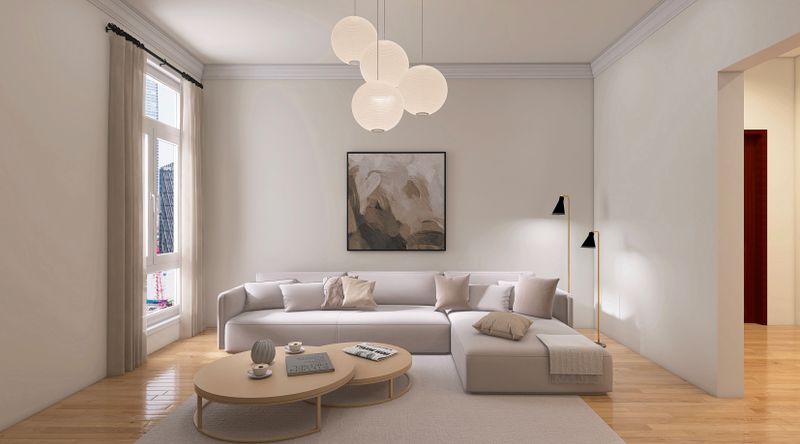
Hang your curtain rods close to the ceiling line, rather than just above the window glass. Floor-to-ceiling sheer linen curtains in sand or off-white draw the eyes upward, making low ceilings feel taller. Let the fabric pool slightly on the floor to soften the straight lines of the room, adding a relaxed look.
10. Strict Decluttering and Minimalist Styling
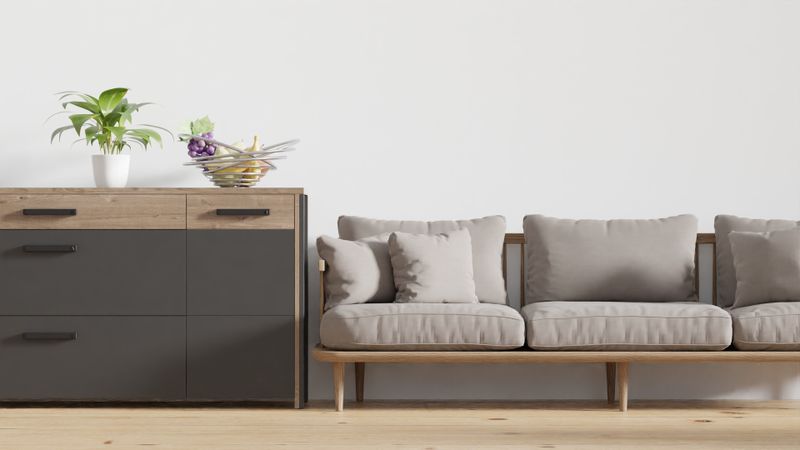
Clutter makes small bedrooms feel cramped. Keep dresser and nightstand surfaces clear, styling them with just a ceramic vase and a single olive branch. Follow the "one-in, one-out" rule for decor, and store books and jewelry in closed drawers. This negative space keeps the bedroom feeling fresh, peaceful, and open.
"In a very small bedroom, negative space on surfaces is as important as floor space."
 Amanda Green, Interior Stylist
11. Zoning Sleep and Work Areas
If you use your bedroom for work, separate the sleep and work zones. Set up a floating desk in a corner, and use a small folding screen or a tall plant to partition the workspace. This layout keeps the bed as a restful zone, helping your mind wind down after work hours.
12. Textured Rugs to Ground the Layout
Soft underfoot surfaces ground a small layout. Place a textured, high-pile wool area rug under the bed frame, extending at least two to three feet past the sides. Choose a rug in a light cream tone to contrast with dark wood floors, adding warmth and visual comfort.