1. Farmhouse/Apron-Front Sinks
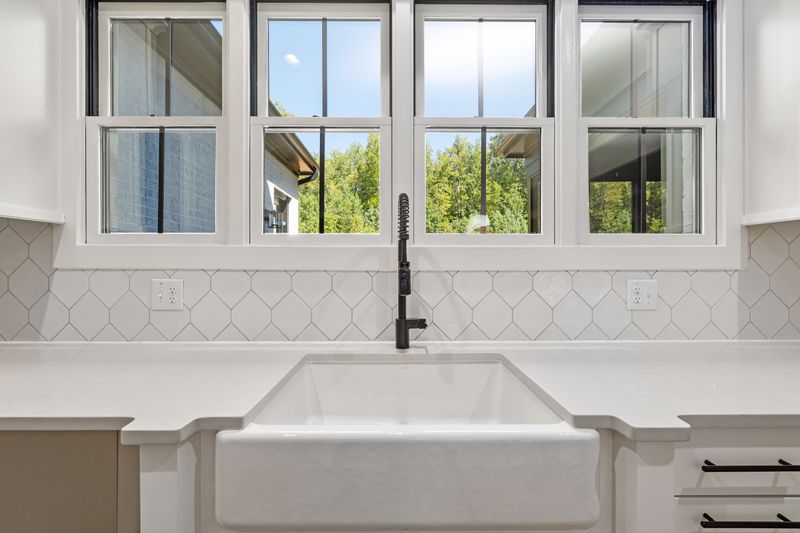
Farmhouse, or apron-front, sinks feature an exposed front panel that sits flush with your surrounding cabinetry, bringing cozy historic charm to transitional kitchen designs. Designers recommend them for their deep basins, which easily handle large pots, cookie sheets, and baking pans. These models are typically crafted from fireclay or cast iron, offering a durable, scratch-resistant white enamel surface that resists stains. A key installation consideration is that farmhouse sinks require a custom reinforced base cabinet to support their heavy weight when filled with water, making them a higher-budget option. Pair them with a classic bridge faucet to complete the historic farmhouse look.
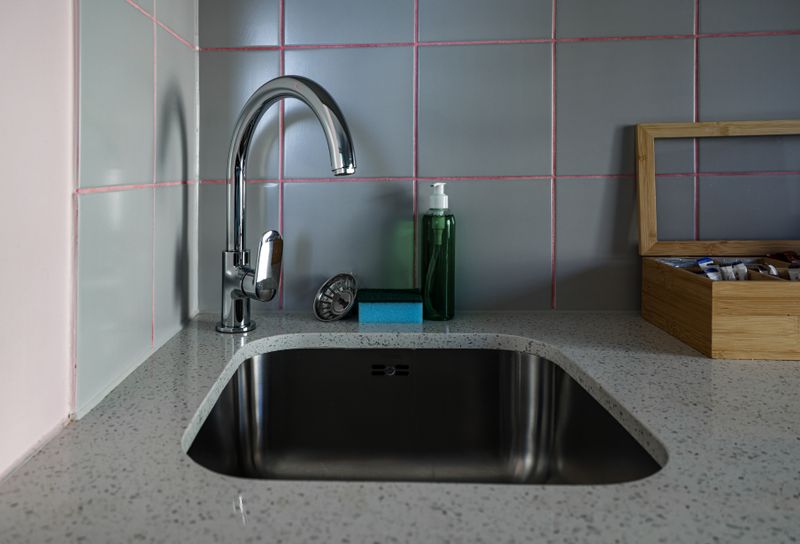
2. Stainless Steel Undermount Sinks
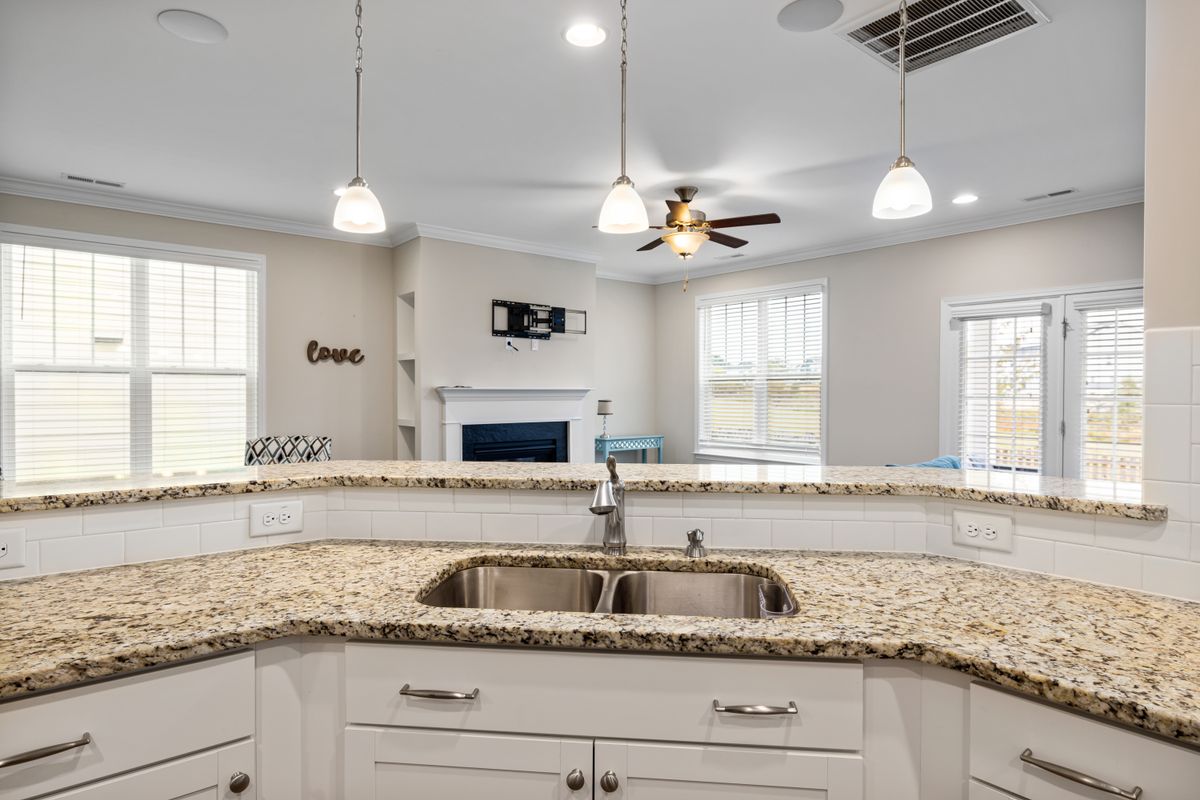
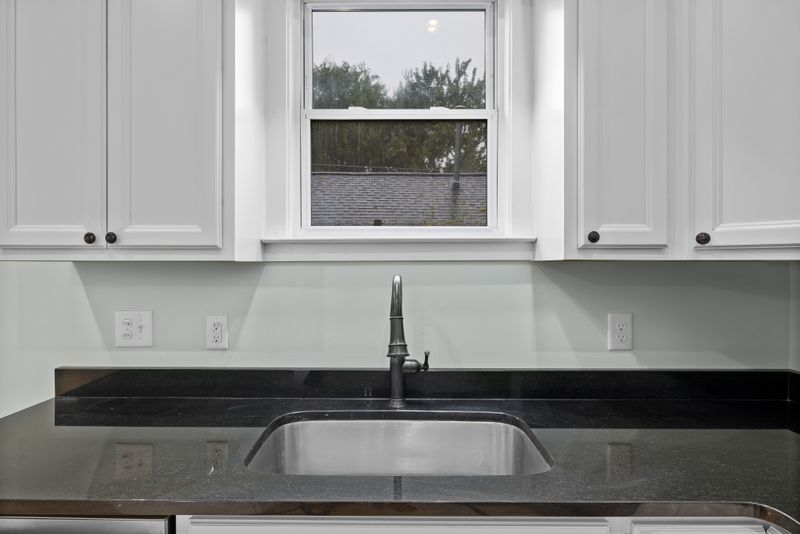
Stainless steel undermount sinks represent the sleek, modern standard in contemporary kitchen design. These basins mount directly underneath solid surface quartz or granite countertops, eliminating the exposed rim of traditional drop-ins so you can wipe crumbs directly into the bowl. Designers recommend selecting heavy-duty 16-gauge or 18-gauge stainless steel to minimize denting and metallic noise. Additionally, look for basins equipped with thick rubber dampening pads on the underside to deaden running water sounds. While stainless steel is incredibly durable and heat-resistant, it can show water spots and fine scratches over time, making regular drying and grid grids helpful.
3. Fireclay Sinks
Fireclay sinks are crafted by molding clay and baking it at extremely high temperatures, fusing it with a glassy glaze to create a durable, non-porous surface. Designers value fireclay for its smooth finish and resistance to scratches, chips, and acid stains. These classic white basins are ideal for rustic, traditional, and cottage-style layouts, coordinating beautifully with brass or matte black faucets. A practical consideration is that fireclay can occasionally crack if heavy iron pots are dropped carelessly, so utilizing a wire basin grid is highly recommended. They represent a premium price point but offer unmatched longevity and timeless design appeal.
4. Granite Composite Sinks
Granite composite sinks are engineered by combining crushed granite stone with acrylic resin, creating an incredibly tough, impact-resistant basin. Designers recommend granite composite for its modern matte texture and rich color options, such as slate grey, charcoal, and dark brown. These non-porous sinks resist heat up to 530 degrees Fahrenheit, prevent bacterial growth, and won't scratch or chip under daily use. They are best suited for modern, industrial, and minimalist kitchen styles. A practical maintenance note is that lighter granite composite sinks can show coffee stains if not rinsed regularly, but a simple baking soda scrub easily restores their finish.

5. Workstation Sinks with Integrated Accessories
Workstation sinks are designed with built-in ledges that support sliding accessories like cutting boards, colanders, and dish-drying roll racks. Designers swear by workstations for small kitchens and island prep zones, as they transform the sink basin into an active prep center to maximize space. Typically crafted from stainless steel or composite stone, they coordinate well with modern, high-tech, and transitional kitchen schemes. A key installation consideration is that workstation models require precise countertop measurements and professional fitting to ensure sliding trays align correctly, representing a mid-to-high investment tier with incredible functional payoff.
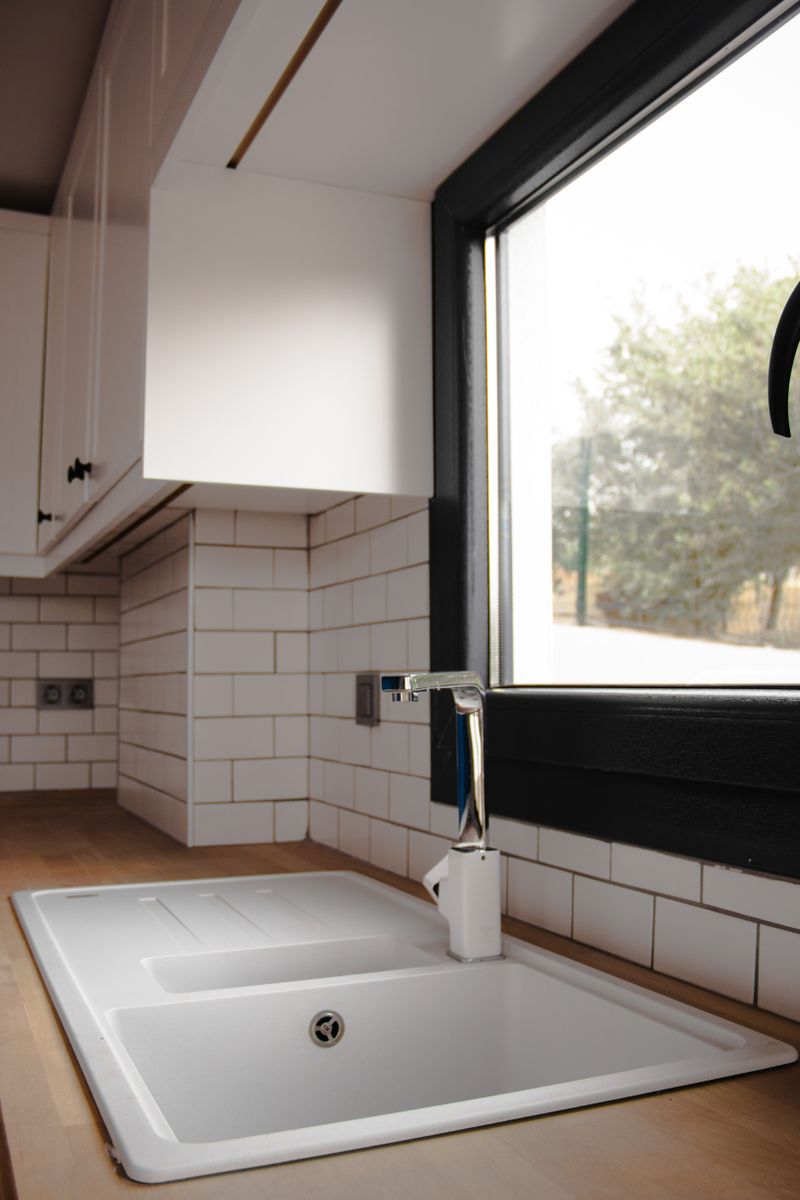
6. Double-Bowl vs. Single-Bowl Configurations
Choosing between a single-bowl and double-bowl setup depends on your washing habits. Large single-bowl basins are highly recommended by designers because they easily fit long pans and large Dutch ovens without splashing. Double-bowl configurations, typically divided 50/50 or 60/40, allow you to separate dirty dishes from clean rinsing zones. If you wash dishes by hand daily, a double-bowl setup is extremely useful, but it takes up more cabinet space and can make scrubbing large sheet pans awkward. Choose a single-bowl for a cleaner, modern look, or a double-bowl for traditional multi-tasking utility.
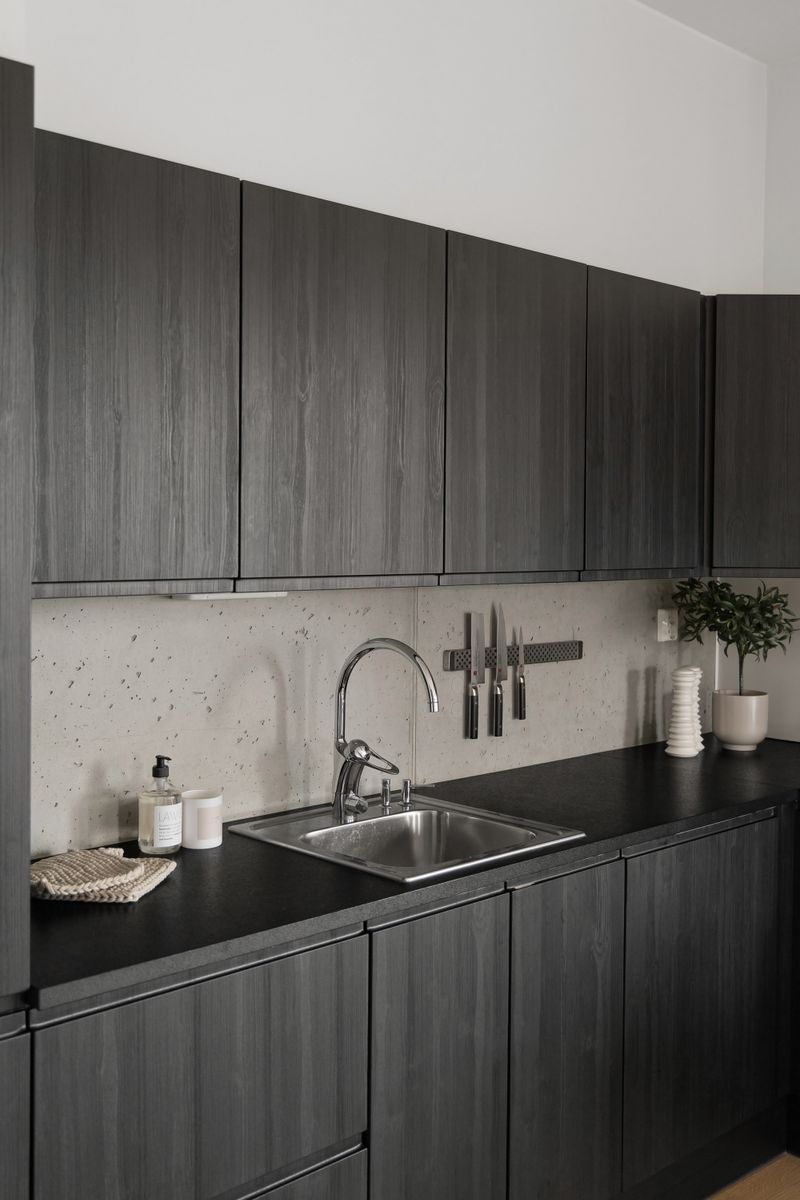
7. Copper Sinks
Copper sinks bring warm metallic color and rustic luxury to high-end kitchens. Designers recommend copper for its natural antibacterial properties and its living finish, which oxidizes over time to develop a unique patina. These basins are ideal for rustic, Mediterranean, and traditional kitchen designs, pairing beautifully with dark wood cabinetry and oil-rubbed bronze plumbing fixtures. A practical consideration is that copper requires gentle maintenance—avoid acidic foods like lemons or tomatoes and harsh cleaners, which can strip the patina. Choose a high-quality, heavy-gauge copper model to prevent denting.
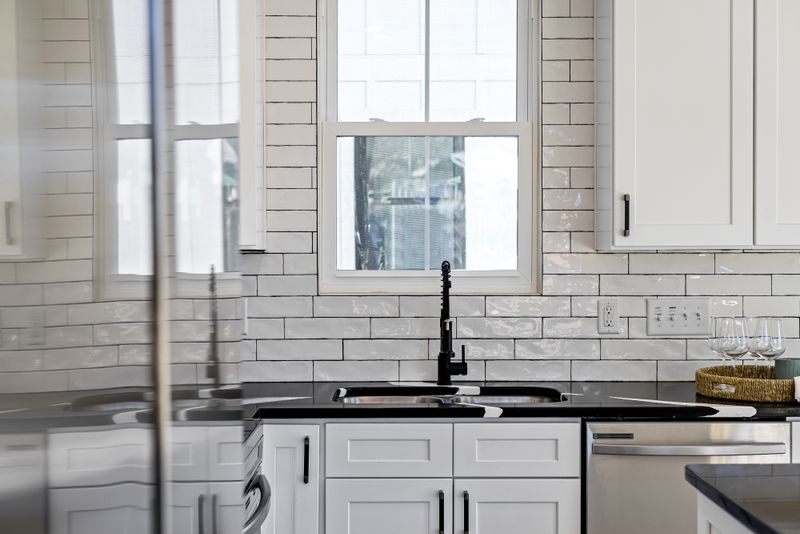
8. Concrete Sinks
Concrete sinks bring raw, industrial texture and modern architectural style to custom kitchen renovations. Often cast as a single, seamless piece with matching concrete countertops, these sinks offer a sleek minimalist look. Designers favor concrete for its organic color variations and custom design flexibility. However, concrete is naturally porous and requires regular sealing to prevent oil, wine, and food stains. Additionally, because concrete is extremely heavy, it requires custom reinforced framing, making it a high-end, professionally installed option.
9. Drop-In/Top-Mount Sinks
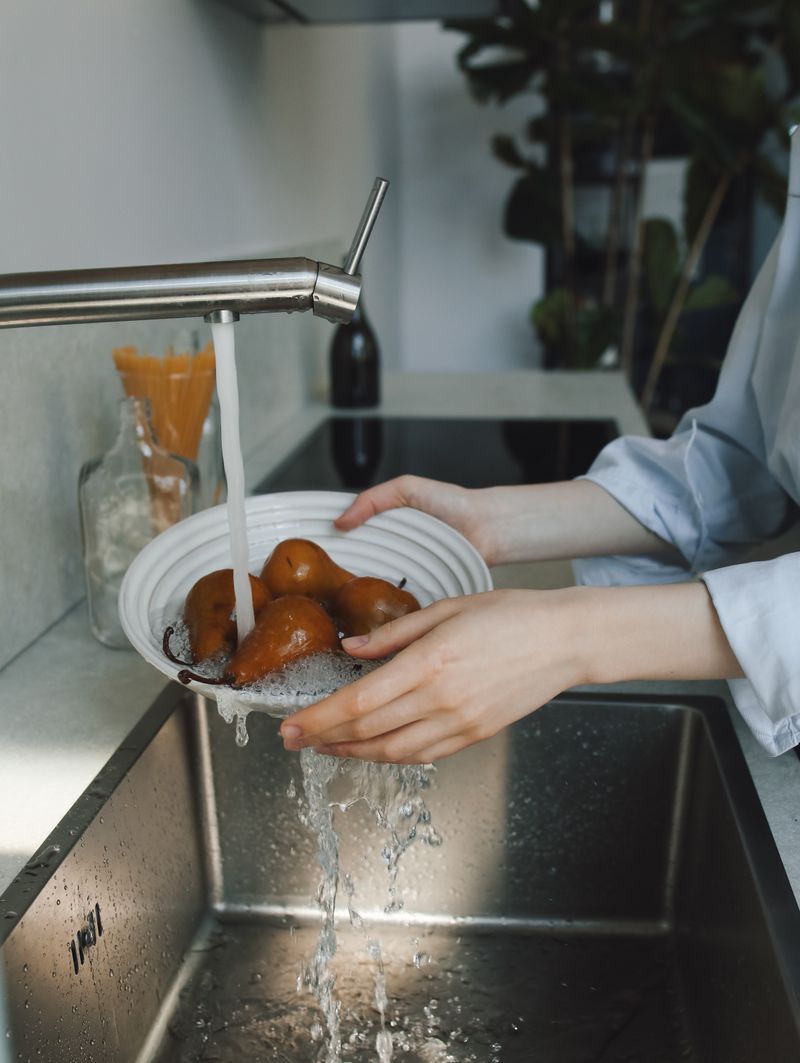
Drop-in, or top-mount, sinks are installed by lowering the basin into a pre-cut countertop opening, leaving an exposed metal rim resting on the counter surface. Designers recommend drop-ins for budget-friendly remodels and laminate countertop installations, as the rim protects the cut edges from water damage. While they are easy to install, the exposed rim can catch dirt and crumbs, making them harder to wipe clean than undermount models. Choose a drop-in with a slim, flat-rim profile to achieve a cleaner, modern look on a budget.
10. Corner Sinks for Small Kitchens
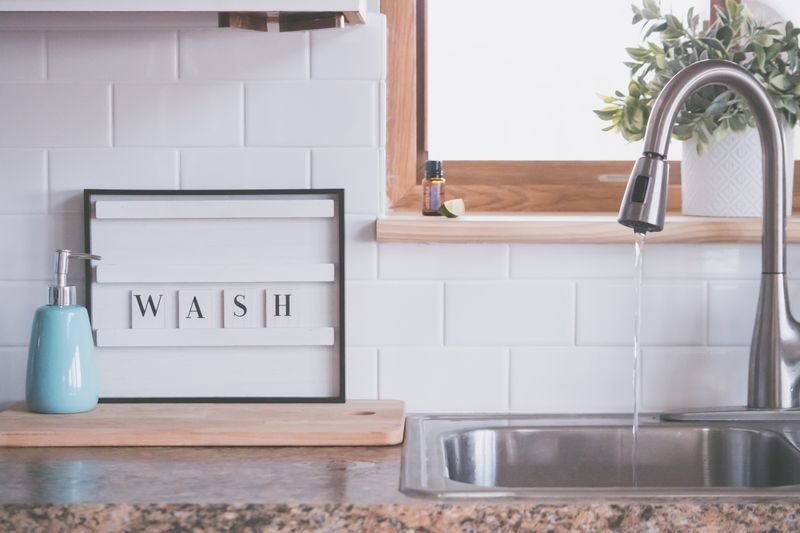
Corner sinks utilize awkward corner layout nooks, freeing up valuable counter space for food prep. Designers recommend them for compact L-shaped kitchens and apartment renovations. These basins are typically smaller single-bowl models, requiring custom corner cabinetry framing to support their placement. Ensure your faucet has a wide reach to cover the entire basin, and consider that only one person can stand at a corner sink at a time, making it a functional option for smaller households.
11. Bar/Prep Sinks for Islands
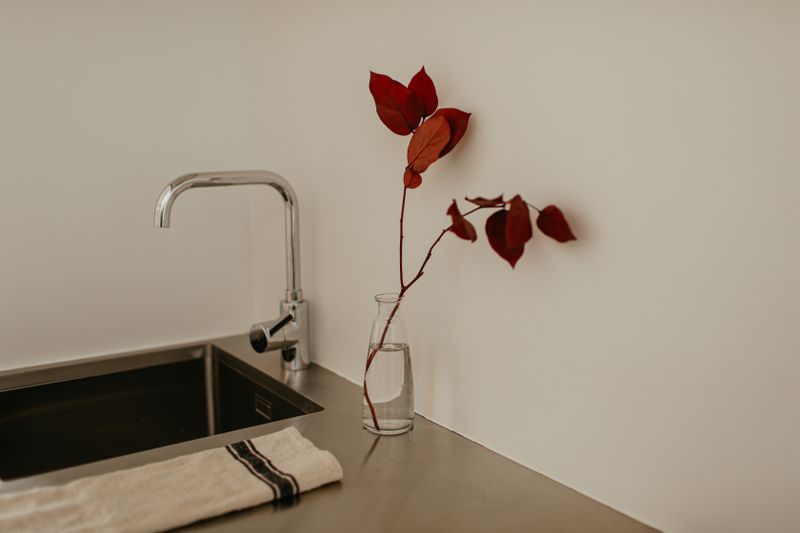
Bar or prep sinks are smaller secondary basins installed in kitchen islands or wet bar stations, keeping beverage and food prep separate from the main cleanup area. Designers recommend them for large kitchens, open-concept layouts, and homes that host regular gatherings. These compact sinks are typically undermounted in quartz or wood butcher block island tops. Pair them with a matching bar faucet to establish a convenient secondary workspace that keeps family traffic out of the main cooking triangle.
12. Matte Black or Colored Sinks
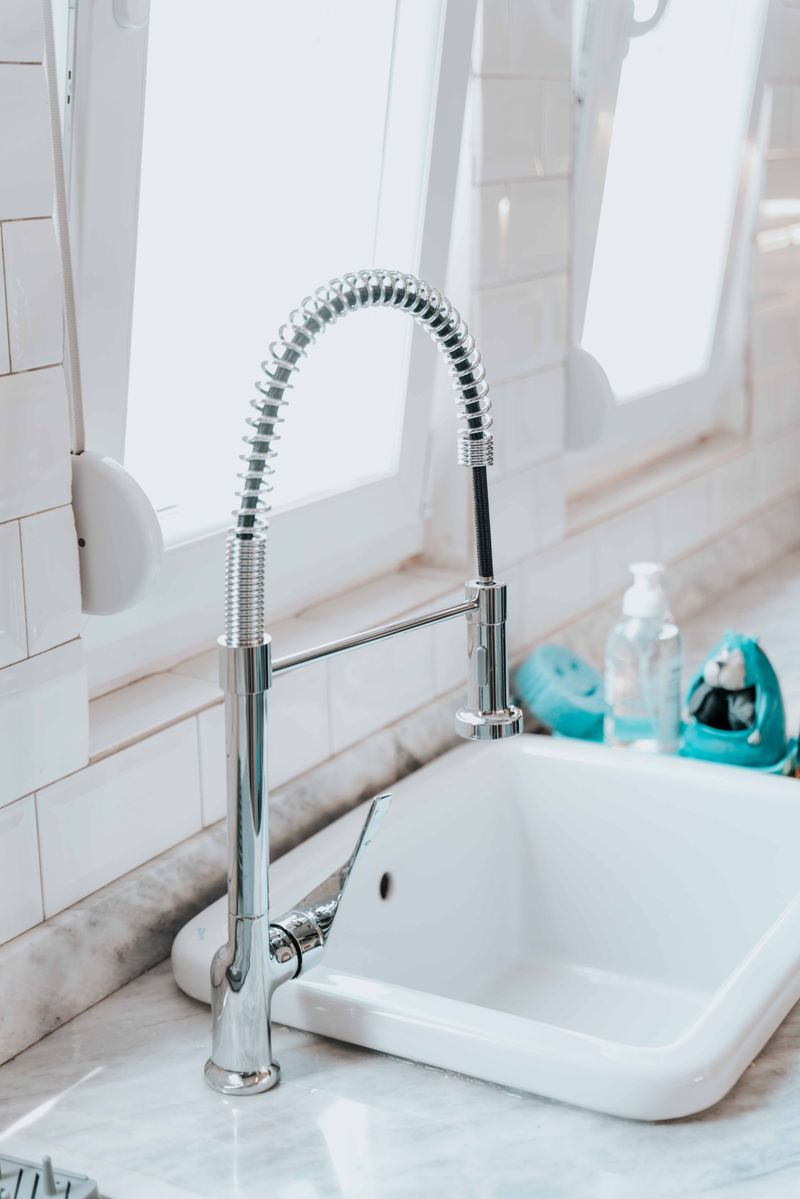
Matte black and colored sinks (such as navy blue or olive green) add dramatic color and high contrast to modern kitchens. Typically crafted from composite quartz or enameled cast iron, these bold basins hide water spots and scratches better than stainless steel. Designers recommend pairing them with warm brass or gold faucets to create a sophisticated focal point. A practical consideration is that matte black sinks can show white mineral scale buildup if you have hard water, requiring regular rinsing and occasional oil rubs to preserve their matte finish.