Home Decor Ideas – 48 Chic Interior Design Schemes for Every Room
H
Written by Home Style Magic Team•October 16, 2026•20 min read
Creating a beautiful home is about more than following the latest trends. The best interiors combine colors, textures, furniture, lighting, and personal touches to create spaces that feel comfortable and look thoughtfully designed. Whether you love modern minimalism, cozy farmhouse charm, timeless traditional rooms, or bold contemporary interiors, the right home decor ideas can help you transform your space without a complete renovation.
From elegant living rooms and calming bedrooms to welcoming entryways and stylish dining areas, there are countless ways to make your home feel more inviting. The secret is finding a design style that suits your personality, your space, and the way you live.
In this guide, you'll discover 48 chic interior design schemes, along with practical decorating tips to help you bring each look into your own home. Use these ideas as inspiration for a complete room makeover or choose a few simple updates to refresh your existing decor.
1. Modern Minimalist Living Room
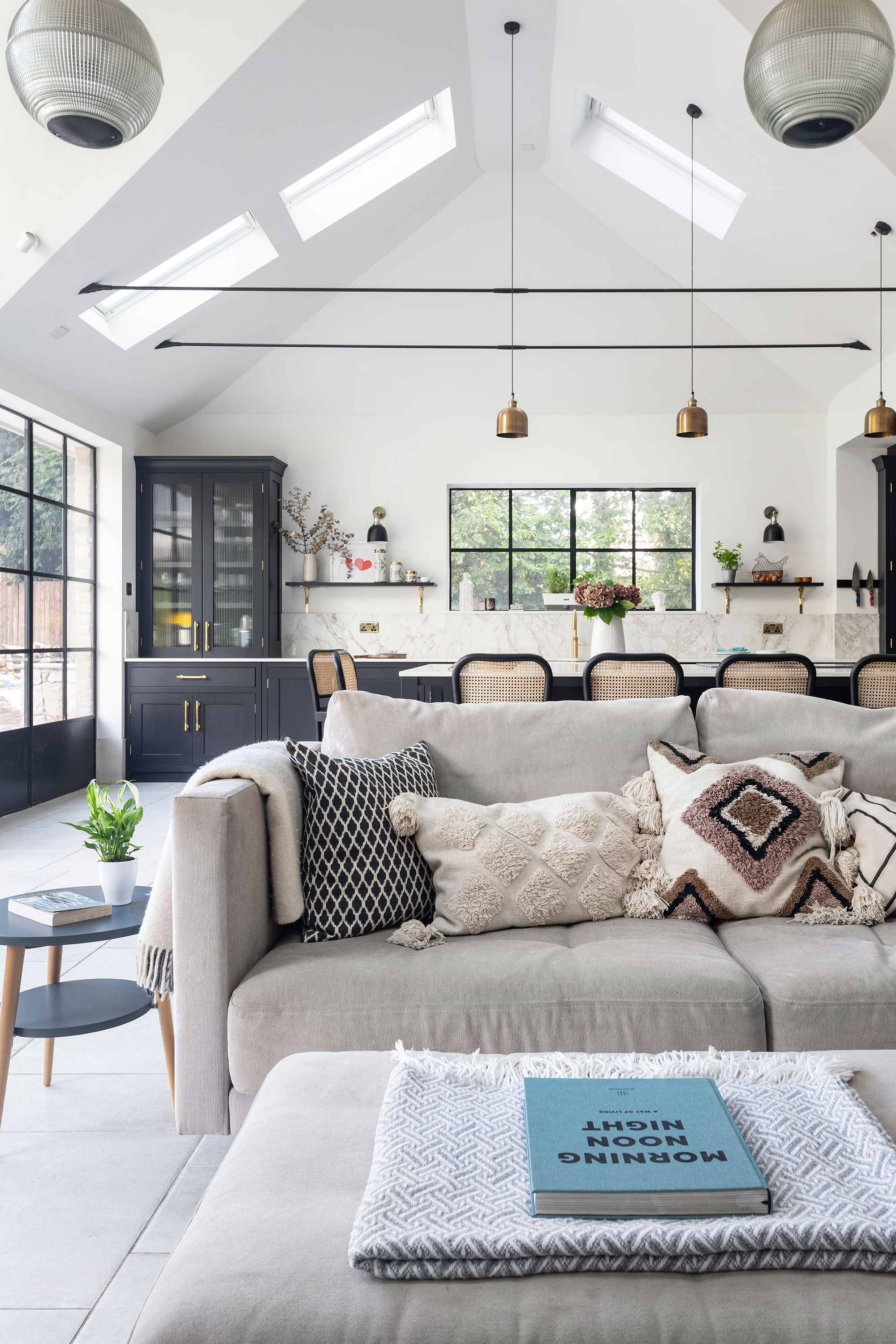
A modern minimalist living room proves that a space doesn't need lots of furniture or accessories to look sophisticated. Clean lines, a restrained color palette, and carefully selected furnishings create an atmosphere that feels open, calm, and intentional.
Start with a comfortable sofa in white, beige, gray, or another neutral shade. Add a simple coffee table, a textured rug, and one or two decorative objects. Keep storage discreet so everyday belongings don't overwhelm the room.
Natural light is particularly important in minimalist interiors. Use sheer curtains and avoid blocking windows with bulky furniture.
Styling tip: Combine several textures, such as linen, wood, wool, and stone, to keep the room from feeling plain.
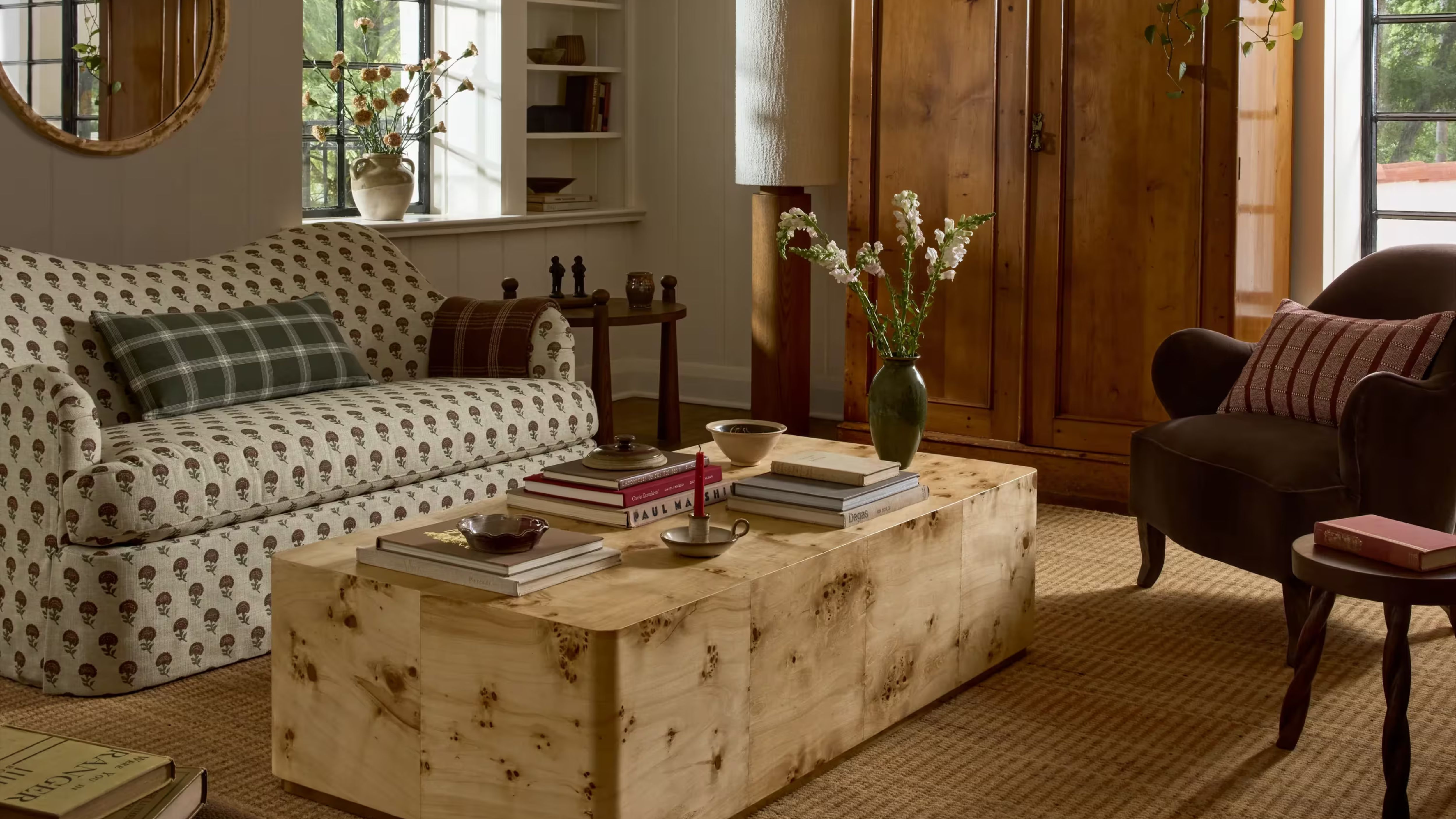
2. Warm Neutral Living Room
Warm neutral interiors create a welcoming atmosphere using shades such as cream, sand, oatmeal, taupe, and warm gray. This scheme is versatile because it works with both modern furniture and traditional architectural details.
Choose a neutral sofa, then layer the room with textured cushions, a soft rug, and natural wood furniture. A warm table lamp and a few ceramic accessories can add depth without introducing too many colors.
The key is to use different tones rather than making everything the exact same shade. A combination of light walls, medium-toned wood, and deeper brown accents helps the room feel balanced.
Styling tip: Introduce one darker element, such as a walnut coffee table or bronze light fixture, to create contrast.
3. Modern Farmhouse Living Room
Modern farmhouse decor blends rustic warmth with contemporary simplicity. It often features natural wood, comfortable seating, neutral fabrics, and understated metal accents.
Begin with a comfortable sofa in cream or light gray. Add a reclaimed-wood coffee table, woven baskets, and black metal lighting. If your home has exposed beams or a brick fireplace, let those features contribute to the character of the room.
Avoid making every item look distressed or rustic. A clean-lined sofa or contemporary artwork can keep the space feeling current.
Styling tip: Mix one or two rustic pieces with modern furniture for a more balanced farmhouse look.
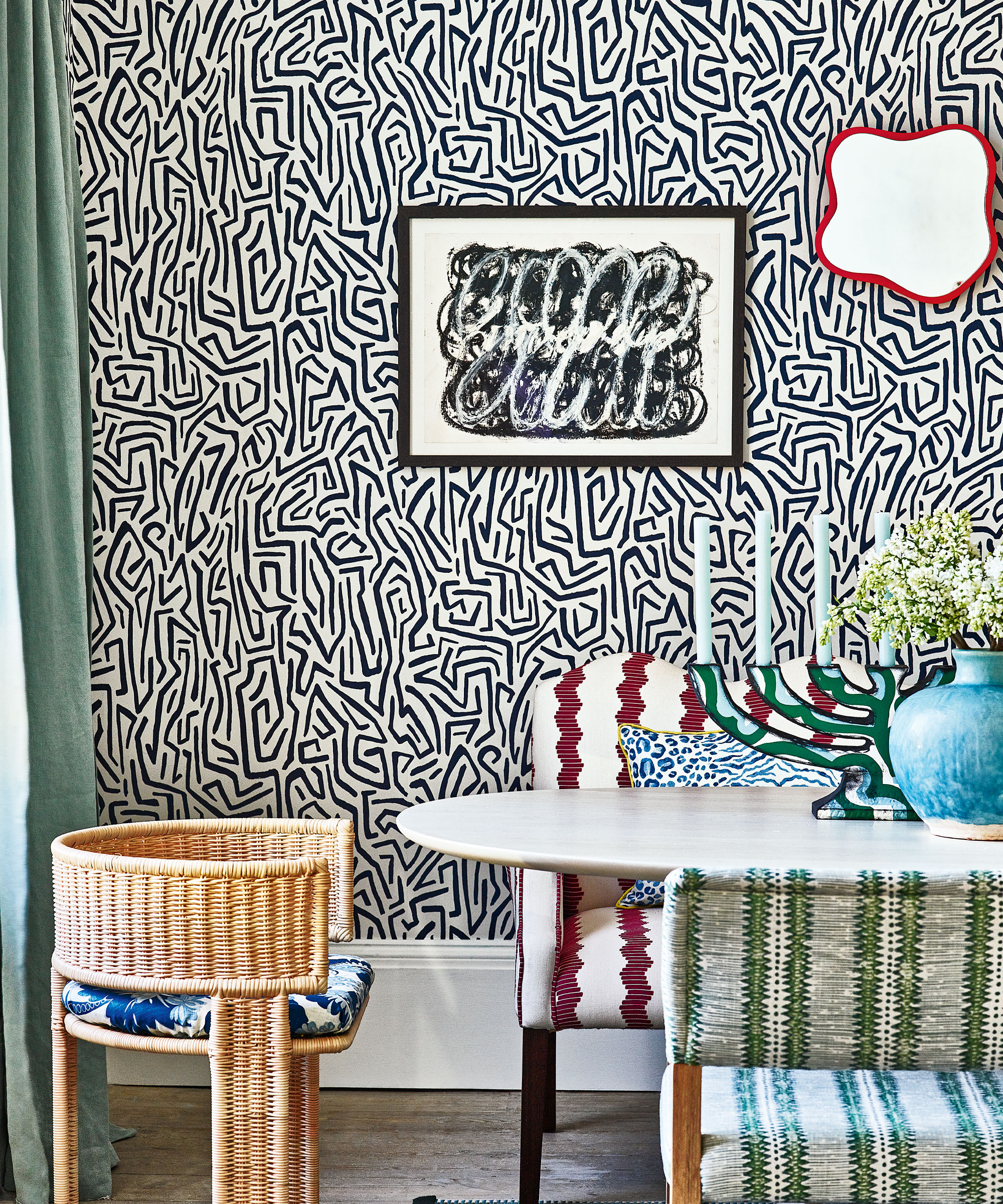
4. Chic Black and White Interior
Black and white is a timeless combination that creates a crisp, sophisticated appearance. It works especially well in modern living rooms, bedrooms, dining areas, and home offices.
Use white or soft ivory as the main background, then introduce black through lighting, picture frames, furniture legs, or accent tables. A patterned rug can connect the two colors.
For a softer effect, add warm wood, textured fabrics, or a small amount of greenery. These elements prevent the room from feeling overly stark.
Styling tip: Repeat black accents in several places so they look intentional rather than isolated.
5. Earth-Tone Living Room
Earth-tone interiors bring warmth and a connection to nature. Terracotta, olive green, clay, caramel, sand, and chocolate brown can create a cozy and sophisticated color palette.
Start with a neutral base and introduce earth tones through cushions, curtains, artwork, rugs, and occasional furniture. Natural materials such as linen, rattan, jute, and wood complement the palette beautifully.
You don't need to use every earthy shade at once. Choose two or three main colors and repeat them throughout the space.
Styling tip: Pair terracotta with cream and warm wood for an inviting look that feels rich without being overwhelming.
6. Contemporary Luxury Living Room
A contemporary luxury living room combines refined materials, comfortable furniture, and carefully planned lighting. The goal is to create a polished atmosphere without filling the space with unnecessary decoration.
Choose a sofa with clean lines, a sculptural coffee table, and a large rug that defines the seating area. Materials such as marble, brushed metal, velvet, and dark wood can add visual richness.
Layer ambient lighting with floor lamps and table lamps to create a softer atmosphere in the evening. Keep decorative objects intentional and give statement pieces enough room to stand out.
Styling tip: Focus on a few high-impact materials rather than mixing too many competing finishes.
7. Scandinavian Living Room
Scandinavian interiors emphasize simplicity, natural light, functionality, and comfortable living. Light-colored walls, pale wood, soft textiles, and practical furniture create an airy atmosphere.
Choose a simple sofa, a light wood coffee table, and a neutral rug. Add knitted throws, linen cushions, and a few plants to bring warmth to the space.
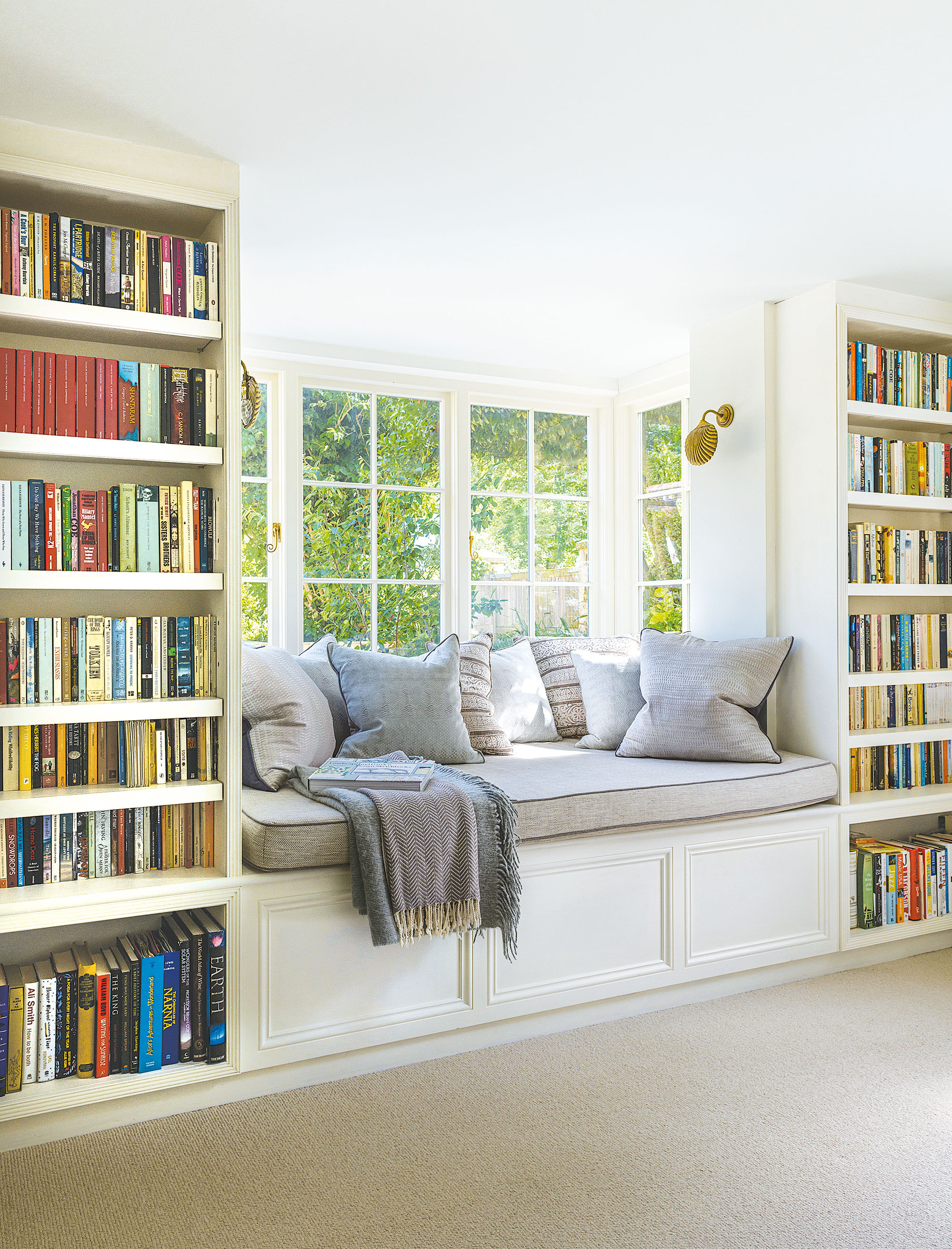
Storage should be practical and visually quiet. Open shelves can display a few favorite objects, while closed cabinets help keep clutter out of sight.
Styling tip: Keep the palette light, but add texture through wool, wood, linen, and woven accessories.
8. Mid-Century Modern Living Room
Mid-century modern decor is known for clean silhouettes, tapered furniture legs, organic shapes, and warm wood tones. It offers a stylish balance between retro character and contemporary functionality.
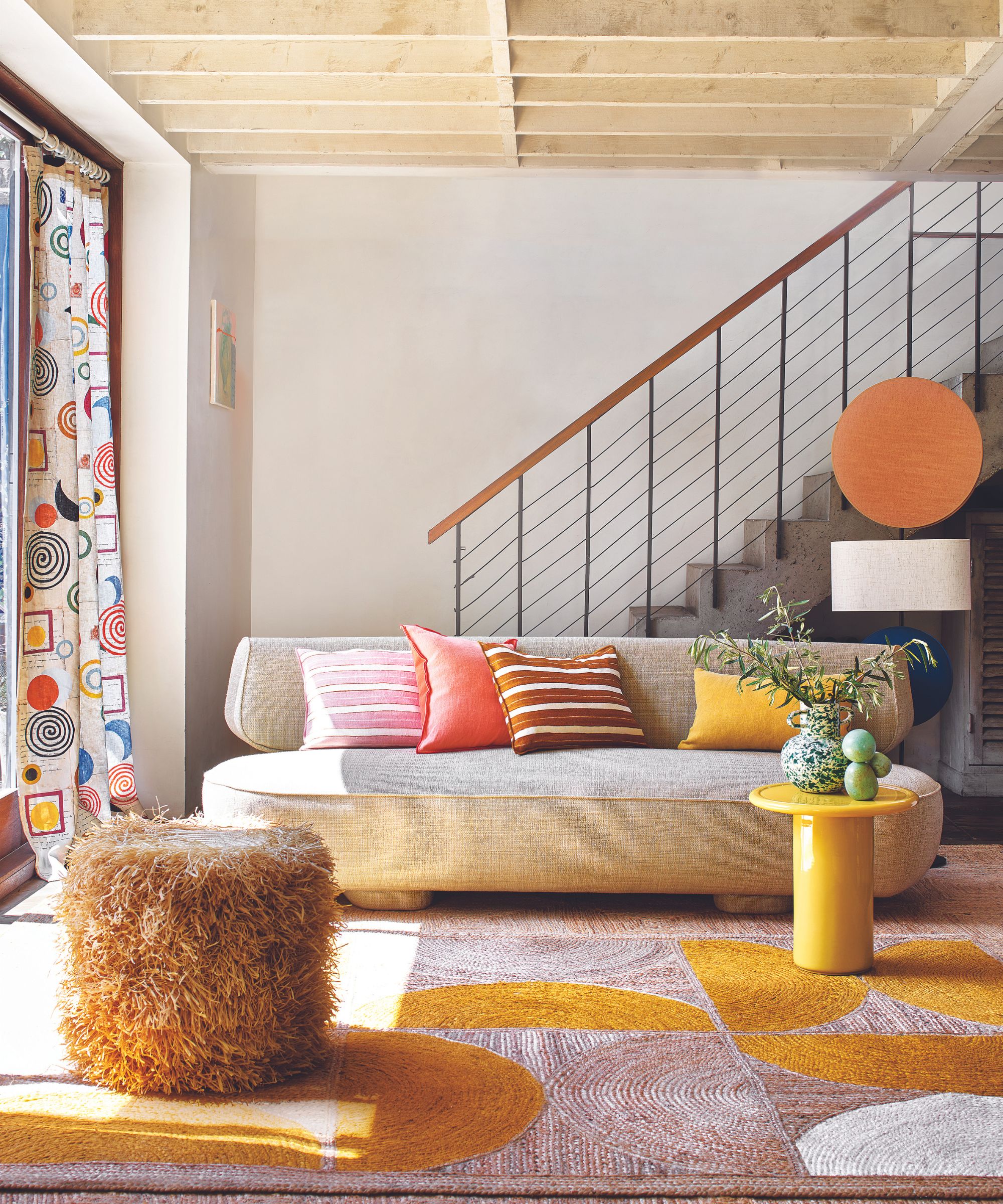
Look for a walnut sideboard, a low-profile sofa, and a coffee table with rounded edges. Accent colors such as mustard, olive, rust, and deep teal can add personality.
Geometric artwork and a statement pendant light help complete the look. You don't need authentic vintage furniture for every piece; a few well-chosen elements can establish the style.
Styling tip: Let one distinctive furniture piece become the focal point instead of crowding the room with retro accessories.
9. Coastal-Inspired Living Room
Coastal decor takes inspiration from the colors and textures of the seaside. Soft whites, sandy beige, pale blue, weathered wood, and natural woven materials create a relaxed environment.
Choose light upholstery, a textured rug, and curtains that allow plenty of daylight into the room. Add subtle blue accents through cushions, artwork, or a ceramic vase.
Avoid relying too heavily on seashell motifs and nautical decorations. Natural materials and a fresh color palette often communicate the coastal style more elegantly.
Styling tip: Combine white, sandy neutrals, and muted blue for a calm, beach-inspired scheme.
10. Bohemian Living Room
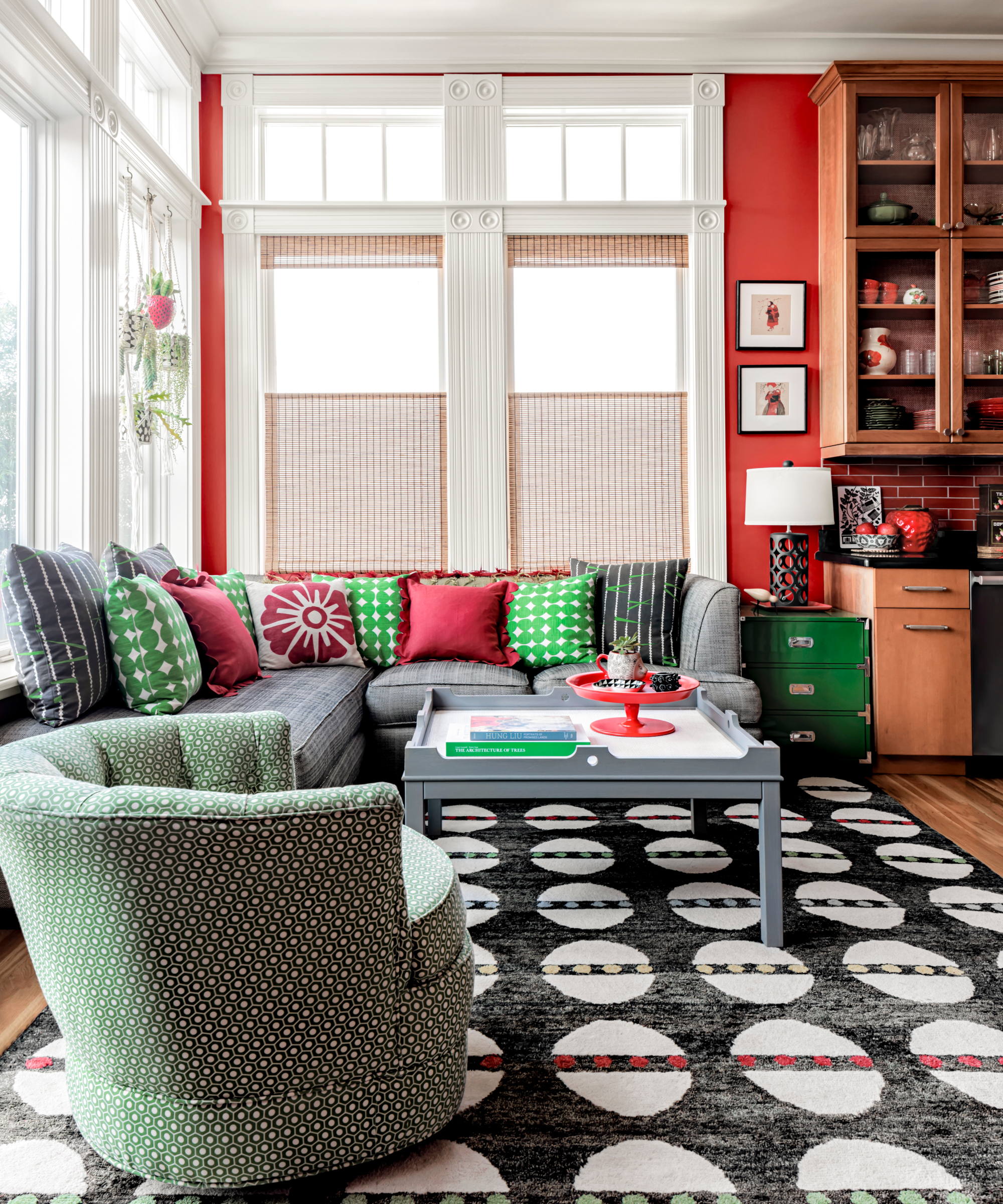
Bohemian decor celebrates individuality, layered textiles, natural materials, and collected objects. It is a good choice if you enjoy a relaxed space with personality rather than a perfectly coordinated showroom appearance.
Layer a patterned rug with colorful cushions, woven baskets, and plants. Rattan chairs, carved wood, handmade ceramics, and textured throws contribute to the eclectic atmosphere.
Although bohemian interiors can be colorful, they benefit from a consistent palette. Choose a few repeating shades to connect different patterns and materials.
Styling tip: Mix patterns at different scales, such as a large geometric rug with smaller floral or striped cushions.
11. Japandi Living Room
Japandi combines Japanese-inspired simplicity with Scandinavian comfort. The style emphasizes natural materials, low-profile furniture, thoughtful organization, and a calm color palette.
Choose furniture with simple shapes, natural wood finishes, and minimal ornamentation. Soft beige, warm gray, muted green, and off-white make excellent foundation colors.
Keep accessories limited and meaningful. A handmade ceramic vase, a sculptural lamp, or a carefully placed branch can provide visual interest without creating clutter.
Styling tip: Prioritize quality, functionality, and empty space over adding more decorative items.
12. Industrial-Chic Living Room
Industrial interiors draw inspiration from warehouses, workshops, and urban lofts. Common elements include black metal, exposed brick, concrete finishes, dark wood, and functional lighting.
A leather or fabric sofa can soften the harder surfaces. Add a metal-framed coffee table, a large industrial pendant, and simple artwork to establish the aesthetic.
If your home doesn't have exposed brick or concrete, you can still achieve the look through furniture, lighting, and accessories.
Styling tip: Balance dark metal and rough textures with warm wood and soft textiles.
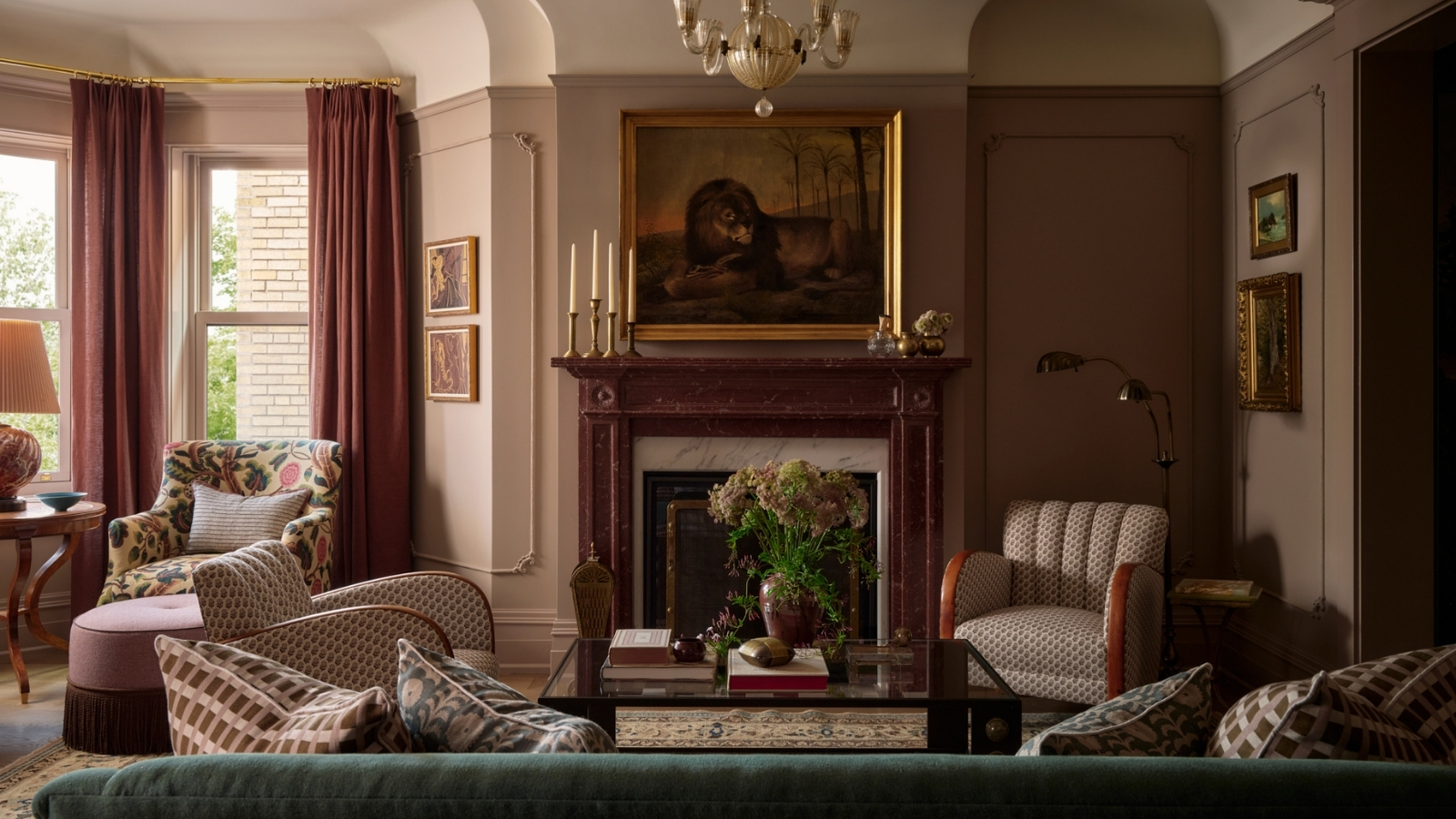
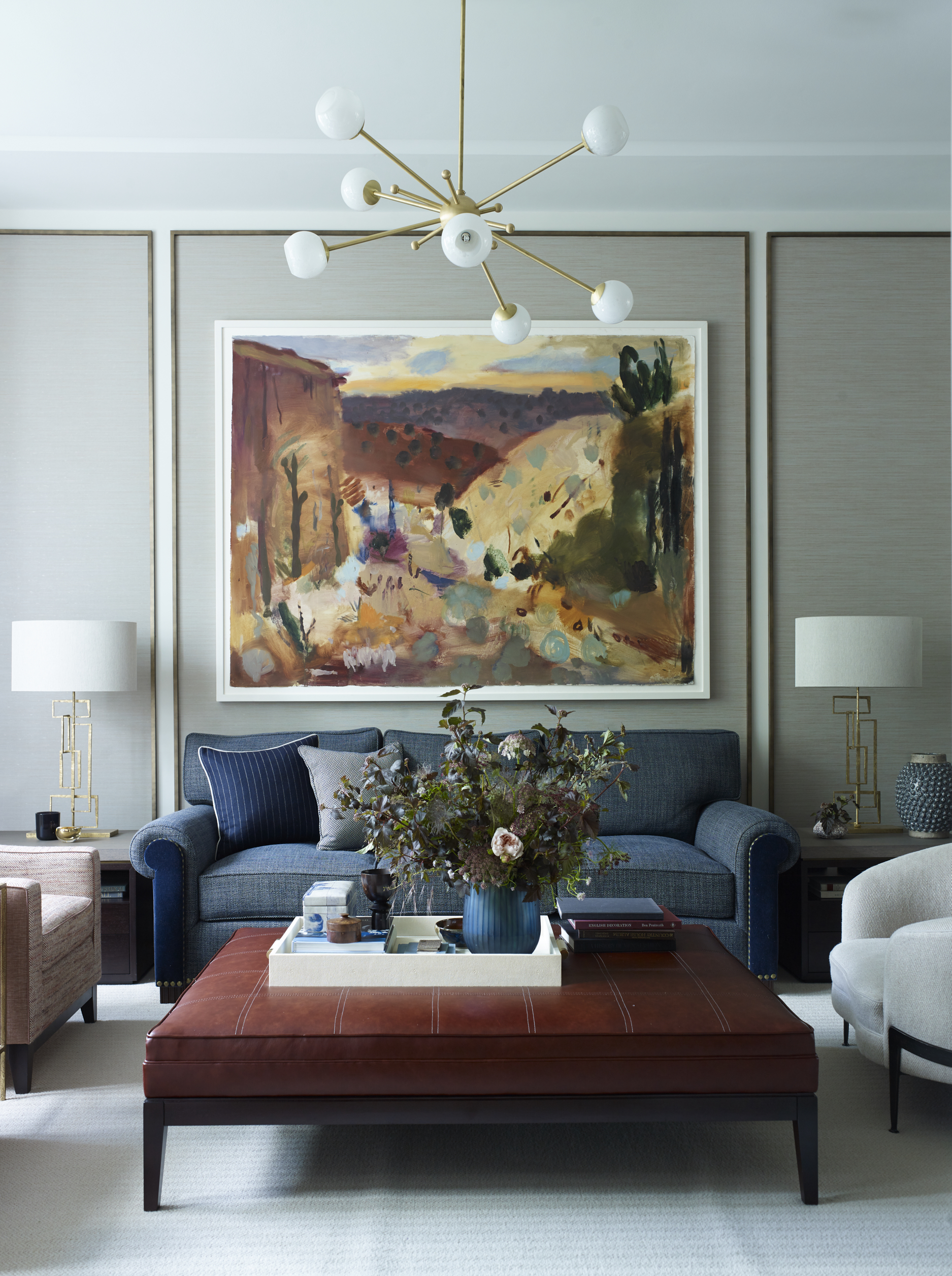
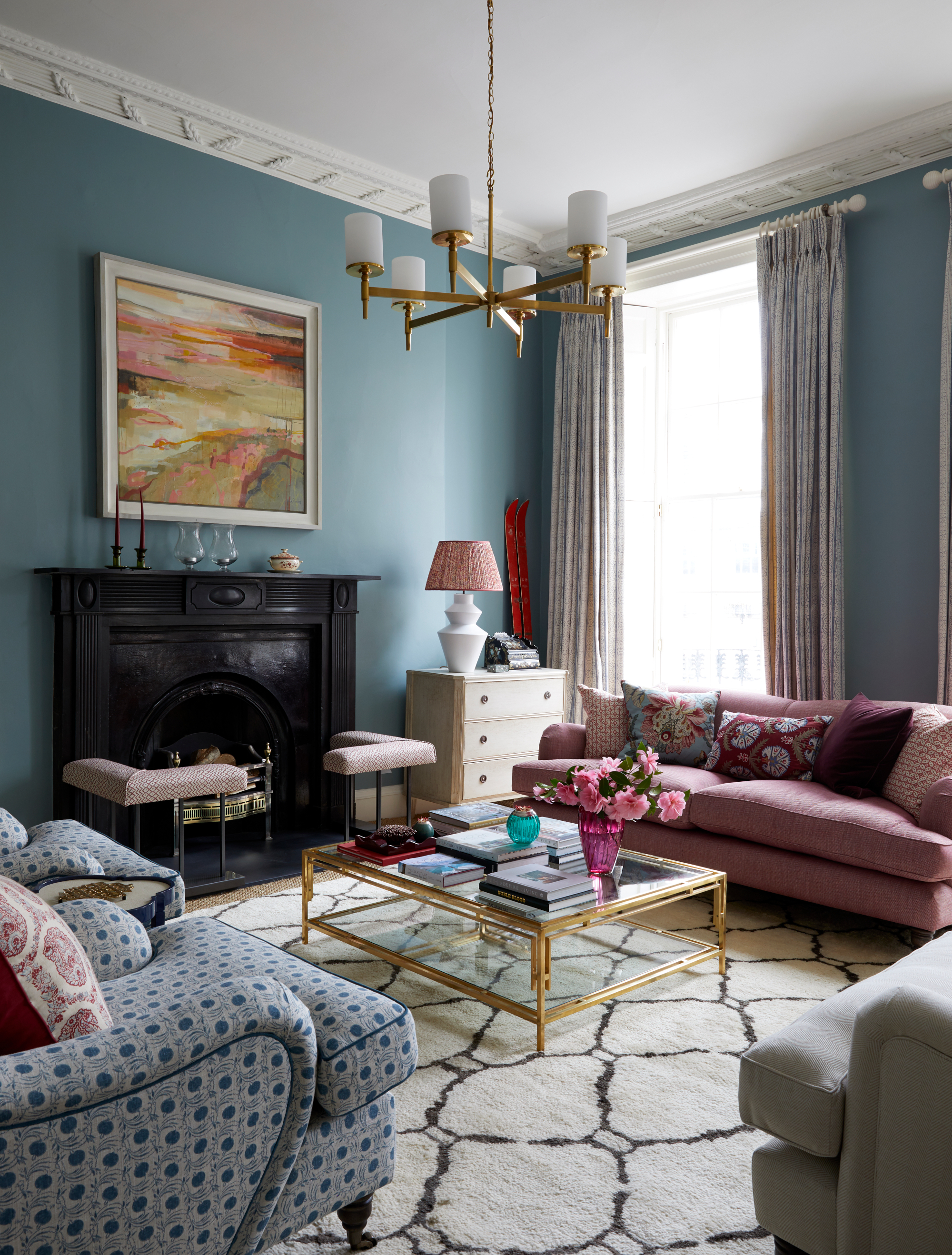
13. Traditional Elegant Living Room
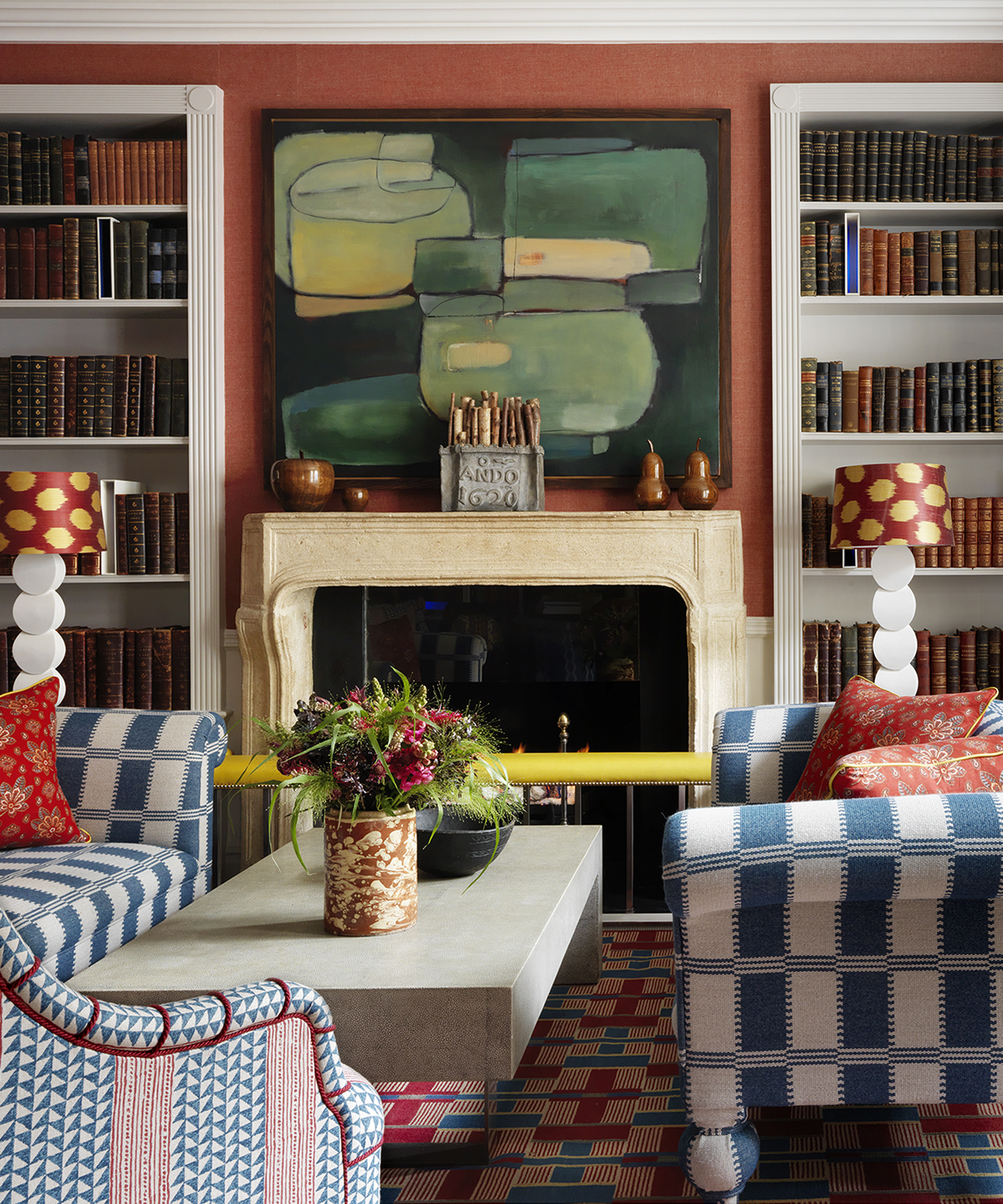
Traditional decor emphasizes symmetry, classic furniture shapes, rich materials, and timeless accessories. It can feel formal or relaxed depending on the fabrics, colors, and furniture arrangement.
Choose a sofa with elegant proportions, matching side tables, and lamps that create visual balance. Traditional patterns, framed artwork, and wood furniture can add depth and character.
For a fresh interpretation, combine classic pieces with simpler curtains or a contemporary rug. This helps prevent the room from feeling dated.
Styling tip: Use symmetry around a fireplace, console table, or main seating area to create a composed appearance.
14. Glamorous Living Room with Metallic Accents
A glamorous interior uses reflective finishes, luxurious fabrics, and statement accessories to create a polished atmosphere. Gold, brass, chrome, glass, velvet, and marble-look surfaces can all contribute to the effect.
Start with a neutral sofa and add a metallic side table, a sculptural lamp, or a mirror with an elegant frame. Velvet cushions or a plush rug can introduce softness.
Keep the finish palette consistent. Combining several different metals can work, but repeating one dominant finish usually creates a more coordinated look.
Styling tip: Choose one statement accessory and let the remaining decor support it.
15. Moody Dark Living Room
Dark interiors can feel intimate, sophisticated, and comfortable when the colors and lighting are planned carefully. Deep navy, forest green, charcoal, and chocolate brown are popular choices.
Paint an accent wall or use a dark color across the room if you want a more enveloping atmosphere. Add warm wood, textured upholstery, and layered lamps to balance the deeper tones.
Mirrors can help reflect available light, while lighter cushions and artwork create contrast.
Styling tip: Use warm lighting and a variety of textures so dark walls feel rich rather than flat.
16. Small Living Room with Space-Saving Furniture
A small living room benefits from furniture that performs more than one function. Storage ottomans, nesting tables, compact sofas, and wall-mounted shelves can make the room more useful without overcrowding it.
Choose pieces that fit the scale of the room and preserve clear walking routes. A rug that defines the seating area can help the space feel organized.
Use vertical storage for books and decorative objects, and avoid filling every wall with furniture. A little empty space makes a compact room feel easier to navigate.
Styling tip: Measure furniture before purchasing, including the space needed to open drawers and move chairs.
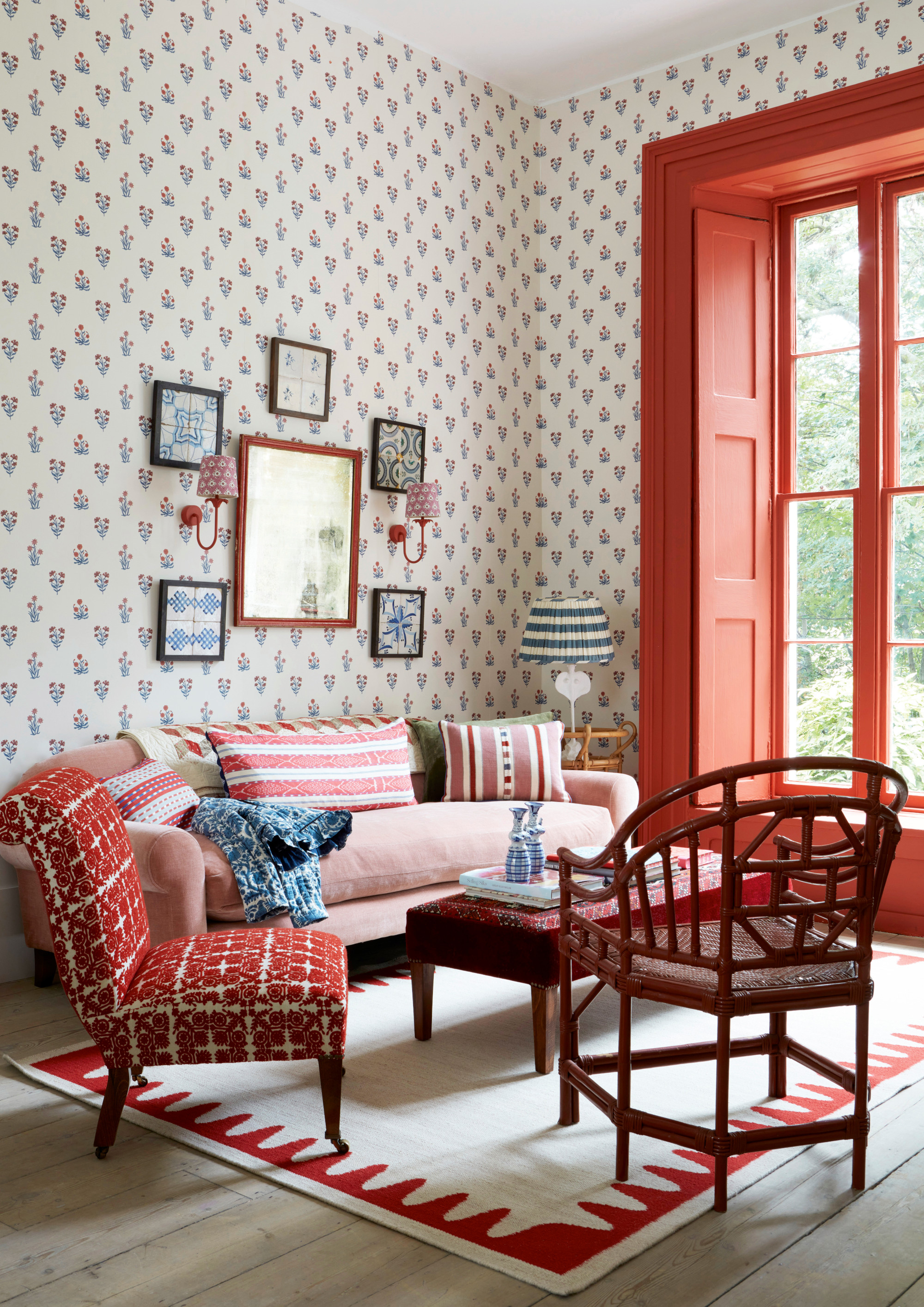
17. Cozy Cottage Living Room
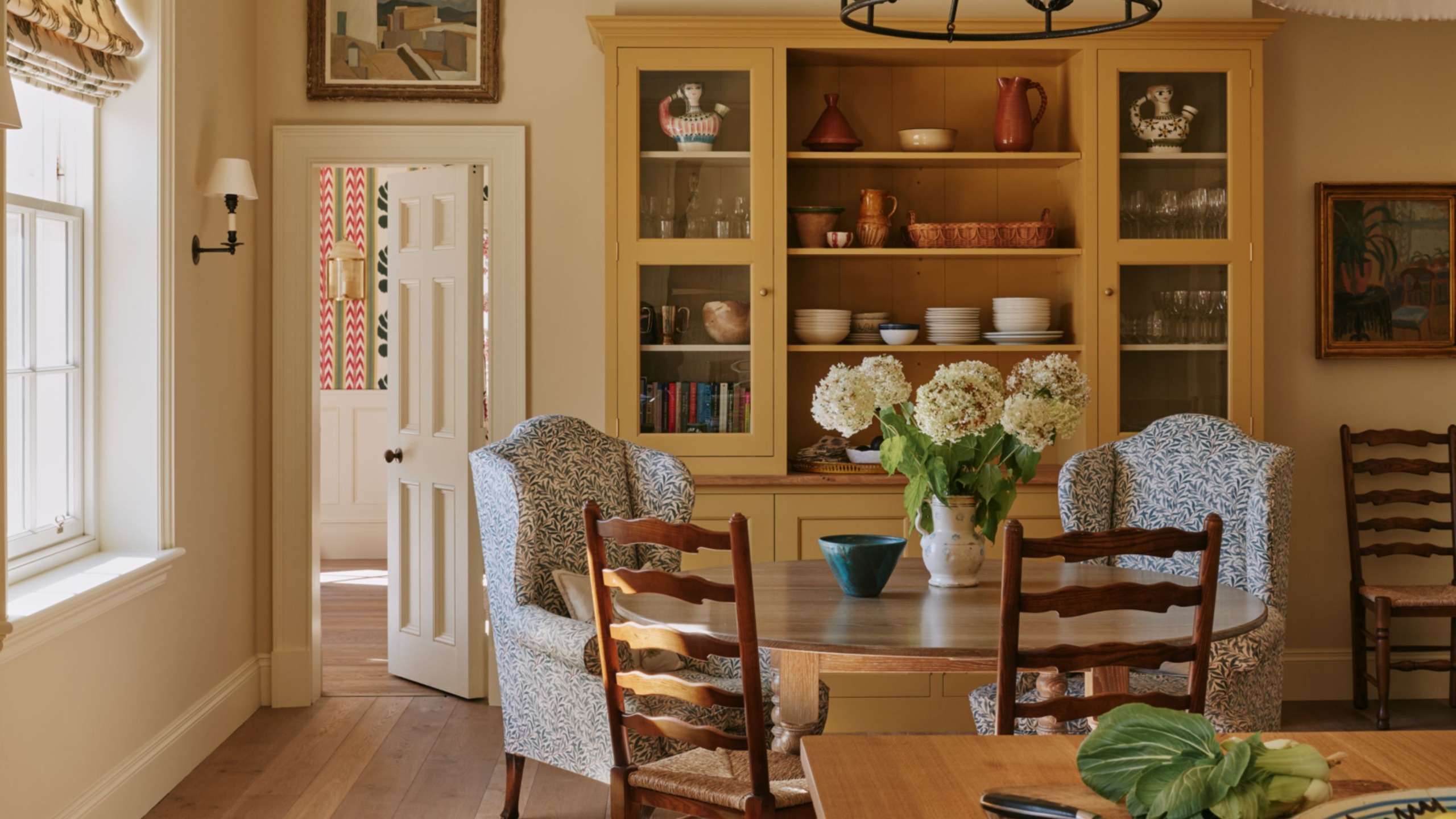
Cottage decor feels relaxed, welcoming, and full of character. Soft colors, natural wood, floral patterns, comfortable upholstery, and handmade accessories help create this atmosphere.
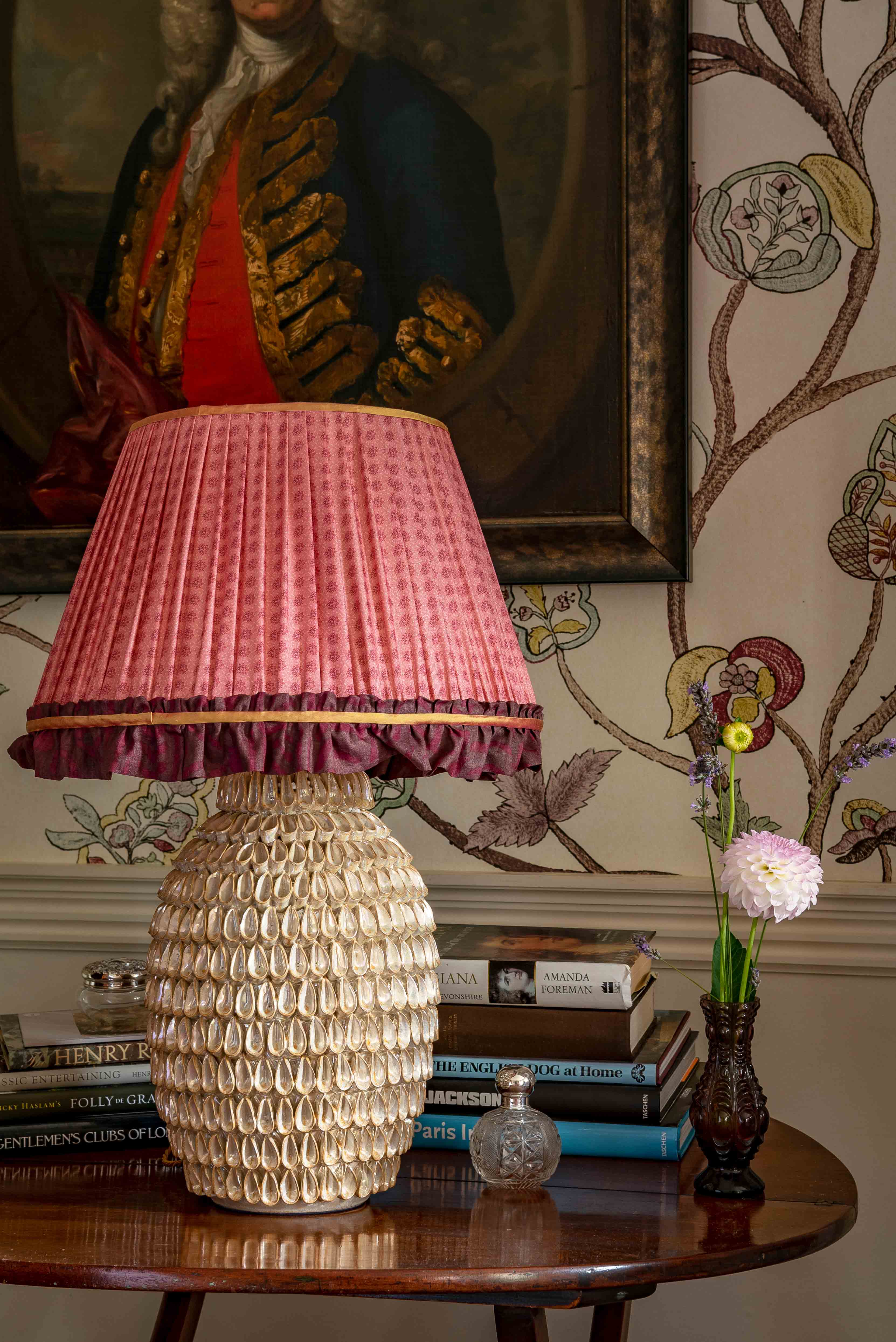
Choose a comfortable sofa, a vintage-style coffee table, and curtains with subtle pattern or texture. Add woven baskets, books, and table lamps to make the space feel lived-in.
A cottage interior doesn't need to look old-fashioned. Pair traditional fabrics with simple furniture and fresh colors for a lighter interpretation.
Styling tip: Combine one floral or botanical pattern with solid-colored textiles to keep the room visually balanced.
18. Art Deco-Inspired Living Room
Art Deco decor is known for geometric patterns, bold contrast, elegant curves, and glamorous materials. It is an excellent option for creating a dramatic, design-led interior.
Use black, cream, emerald, or navy as a base and introduce brass details through lighting, mirrors, or furniture hardware. Geometric rugs and sculptural furniture can reinforce the theme.
You don't need a full Art Deco makeover. A sunburst mirror, a velvet chair, or a distinctive pendant can bring the style into a contemporary room.
Styling tip: Repeat geometric shapes in artwork, lighting, and accessories for a cohesive scheme.
19. Calm Neutral Bedroom
A neutral bedroom can feel peaceful and timeless when it combines comfortable bedding, subtle contrast, and layered textures.
Choose white, beige, ivory, or warm gray bedding. Add a textured throw, soft cushions, and bedside lamps that create a relaxing glow in the evening.
Natural wood furniture and simple artwork can complete the room without making it feel busy. Black or dark brown accents provide contrast if the palette feels too pale.
Styling tip: Use a few different fabric textures to create depth without introducing too many colors.
20. Luxury Hotel-Inspired Bedroom
A hotel-inspired bedroom focuses on comfort, symmetry, layered bedding, and refined details. It can make an ordinary bedroom feel more polished without requiring a complete renovation.
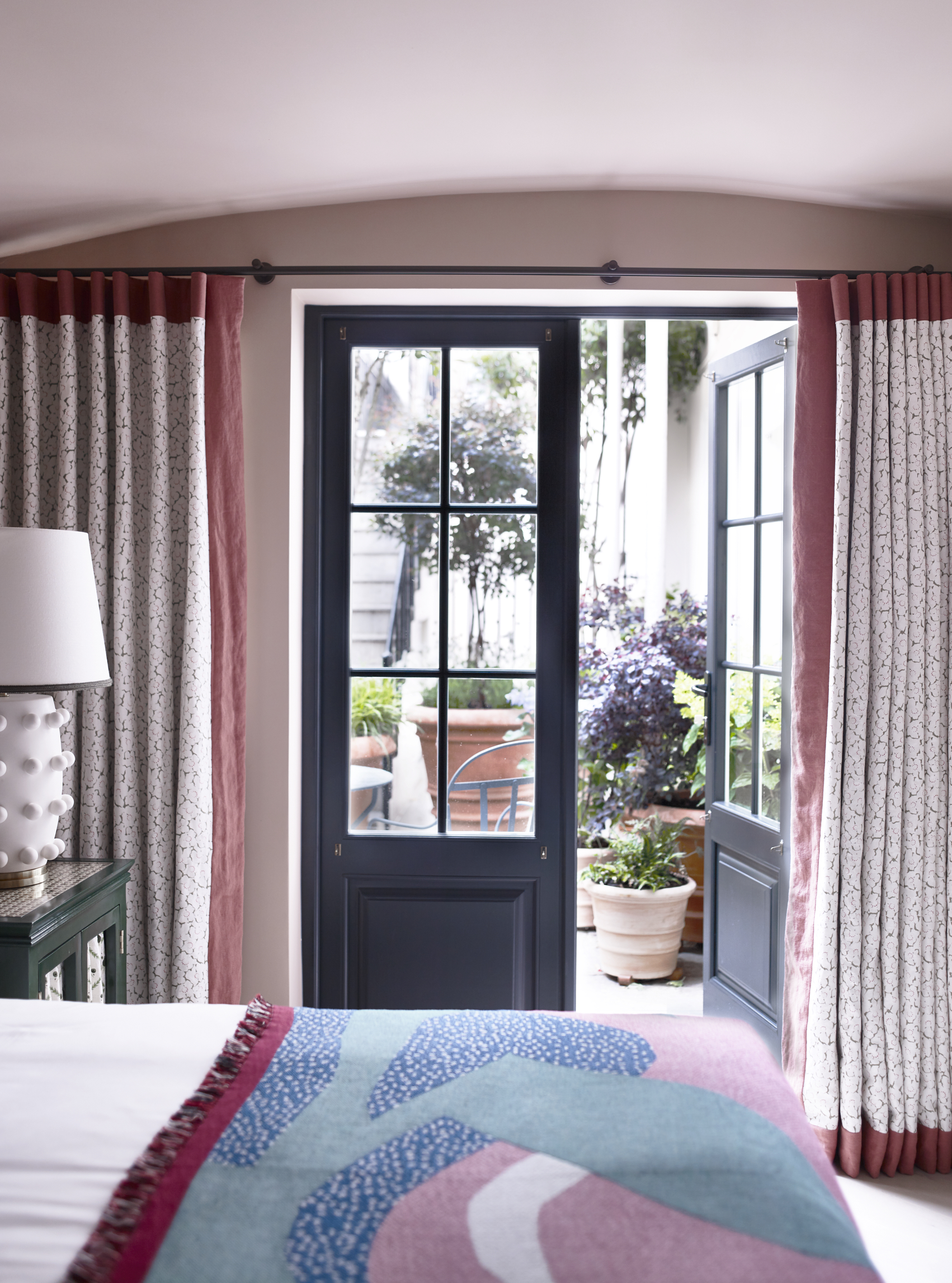
Start with a supportive bed, quality-feeling bedding, and coordinated bedside tables. Add matching lamps, full-length curtains, and a large rug beneath the bed to anchor the space.
A padded headboard or upholstered bench can add a luxurious touch. Keep bedside surfaces organized and use concealed storage to maintain a clean appearance.
Styling tip: Use crisp bedding, warm lighting, and coordinated bedside accessories to create a hotel-like atmosphere.
21. Earthy Boho Bedroom
An earthy bohemian bedroom blends warm colors, natural materials, and relaxed textiles. Terracotta, rust, olive, cream, and warm brown work particularly well together.
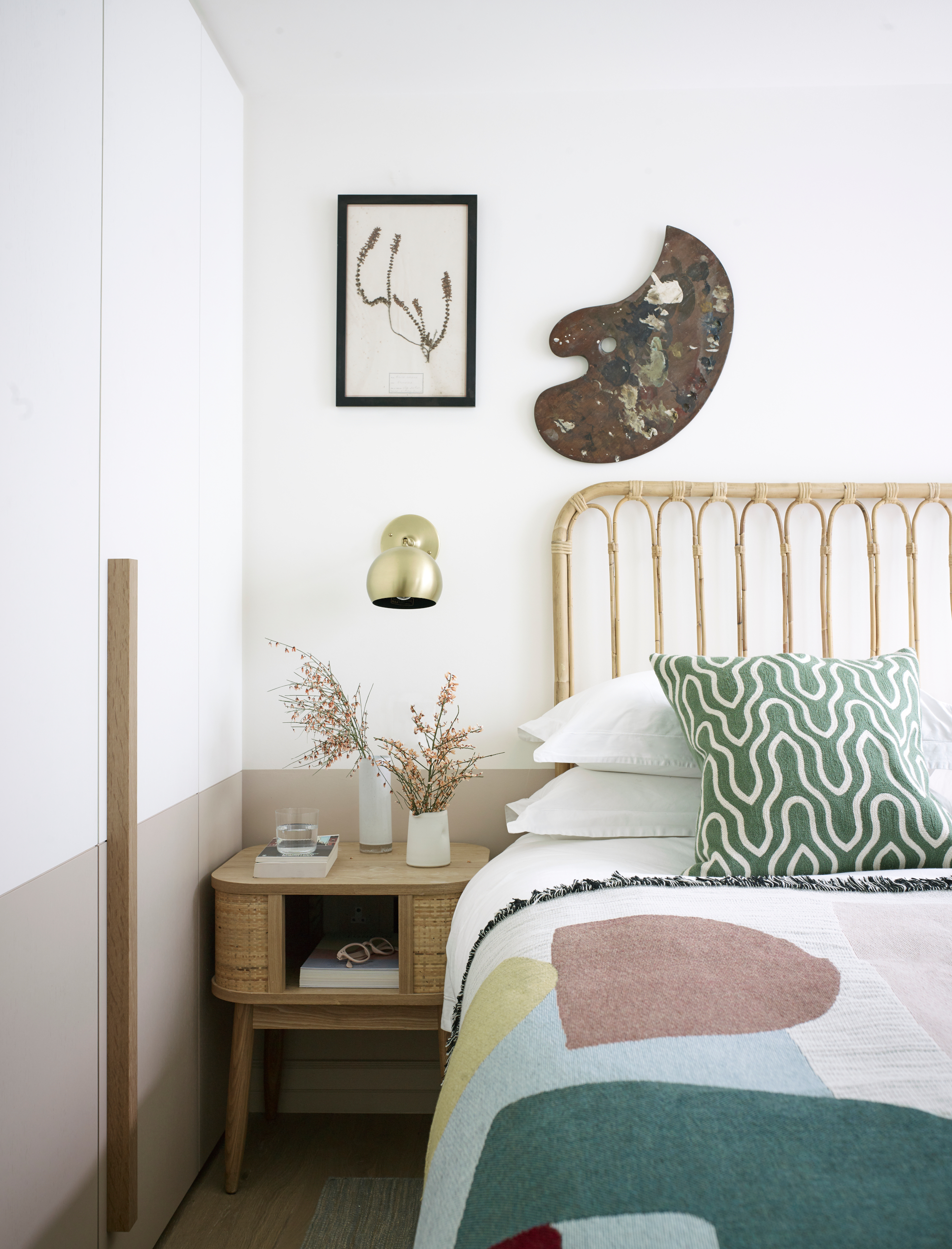
Choose bedding in natural-looking fabrics and introduce texture through woven wall decor, rattan furniture, and patterned cushions. A jute rug or wooden bedside table can reinforce the organic feel.
Plants may add freshness, provided the room receives suitable light and the plants are safe for any pets in the household.
Styling tip: Keep the largest surfaces relatively calm and use smaller accessories to introduce richer colors and patterns.
22. Romantic Bedroom with Soft Lighting
A romantic bedroom relies on gentle lighting, soft fabrics, and a warm, inviting palette. Blush, ivory, muted rose, champagne, and dusty mauve can create a subtle, elegant atmosphere.
Use bedside lamps with warm bulbs, layered bedding, and curtains that soften the window area. A curved headboard, delicate artwork, or a small floral arrangement can complete the look.
Avoid relying entirely on pink or frilly accessories. Natural wood and neutral fabrics can make the scheme feel more sophisticated.
A black bedroom can look dramatic and contemporary when balanced with lighter fabrics and warm materials.
Use black on a feature wall, bed frame, or selected furniture rather than automatically painting every surface. White or cream bedding creates contrast, while walnut furniture and warm lighting soften the palette.
Matte finishes often create a more understated appearance than highly reflective surfaces. Mirrors and carefully positioned lighting can also help maintain a sense of openness.
Styling tip: Combine black with warm wood and soft textiles to keep the room comfortable.
24. Sage Green Bedroom
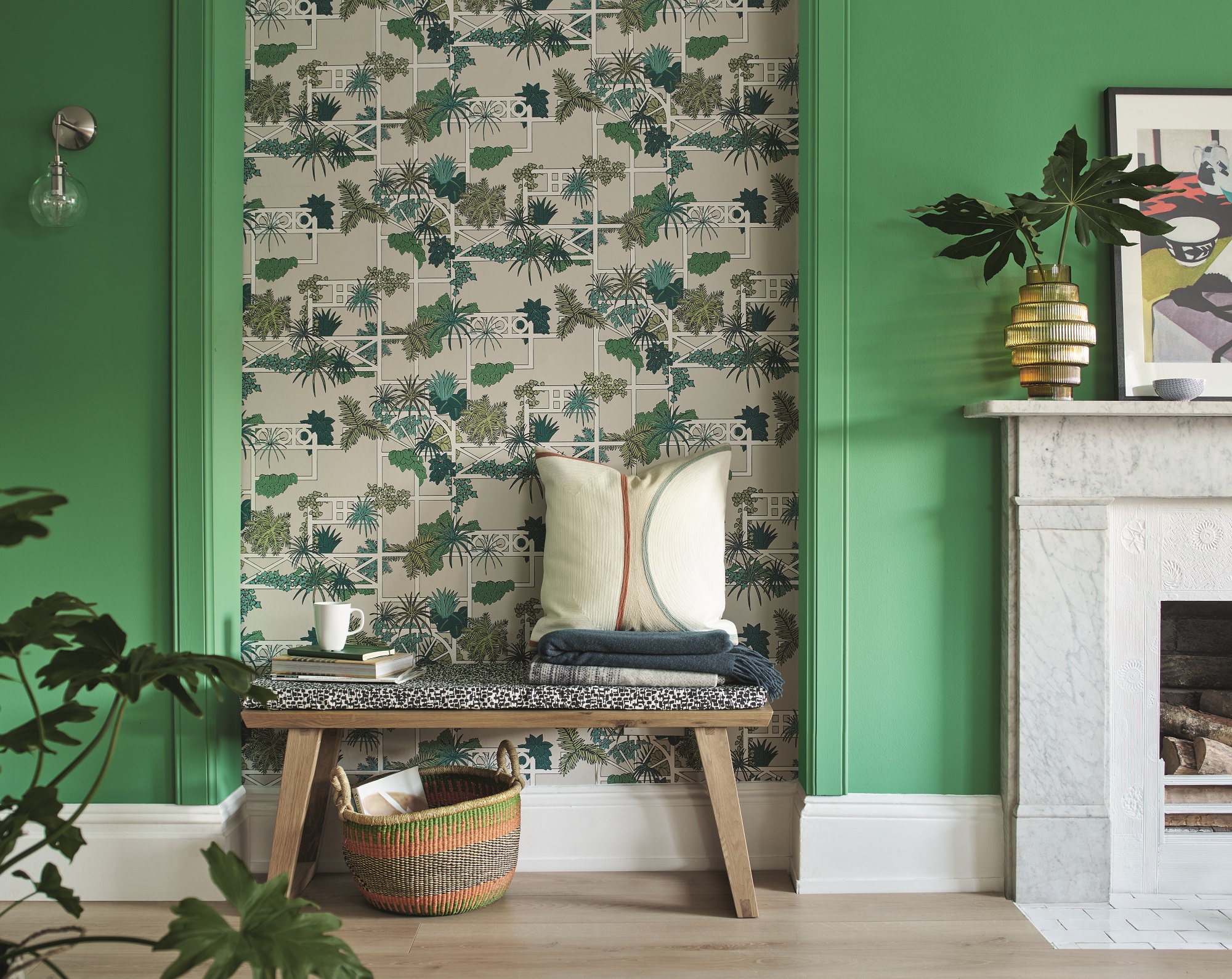
Sage green is a versatile bedroom color because it can feel fresh, calm, and understated. It works well with cream, natural wood, beige, and muted brass accents.
Paint the walls sage green or introduce the shade through bedding and curtains if you prefer a smaller change. Light wood furniture and neutral rugs complement the color without competing with it.
For a layered look, combine pale sage with deeper olive accents or subtle botanical prints.
Styling tip: Test paint samples under both daylight and evening lighting before committing to the full room.
25. Small Bedroom with Smart Storage
Small bedrooms need storage that makes good use of available space without making the room feel crowded.
Consider under-bed drawers, bedside tables with shelves, wall-mounted reading lights, and wardrobes with internal organizers. If the layout permits, a storage bed can reduce the need for additional furniture.
Choose furniture with appropriate proportions and keep the walking route around the bed as clear as possible. Mirrors and light colors can help the room feel more open, although they cannot replace practical space planning.
Styling tip: Store seasonal clothing and rarely used items outside the main bedroom storage area when possible.
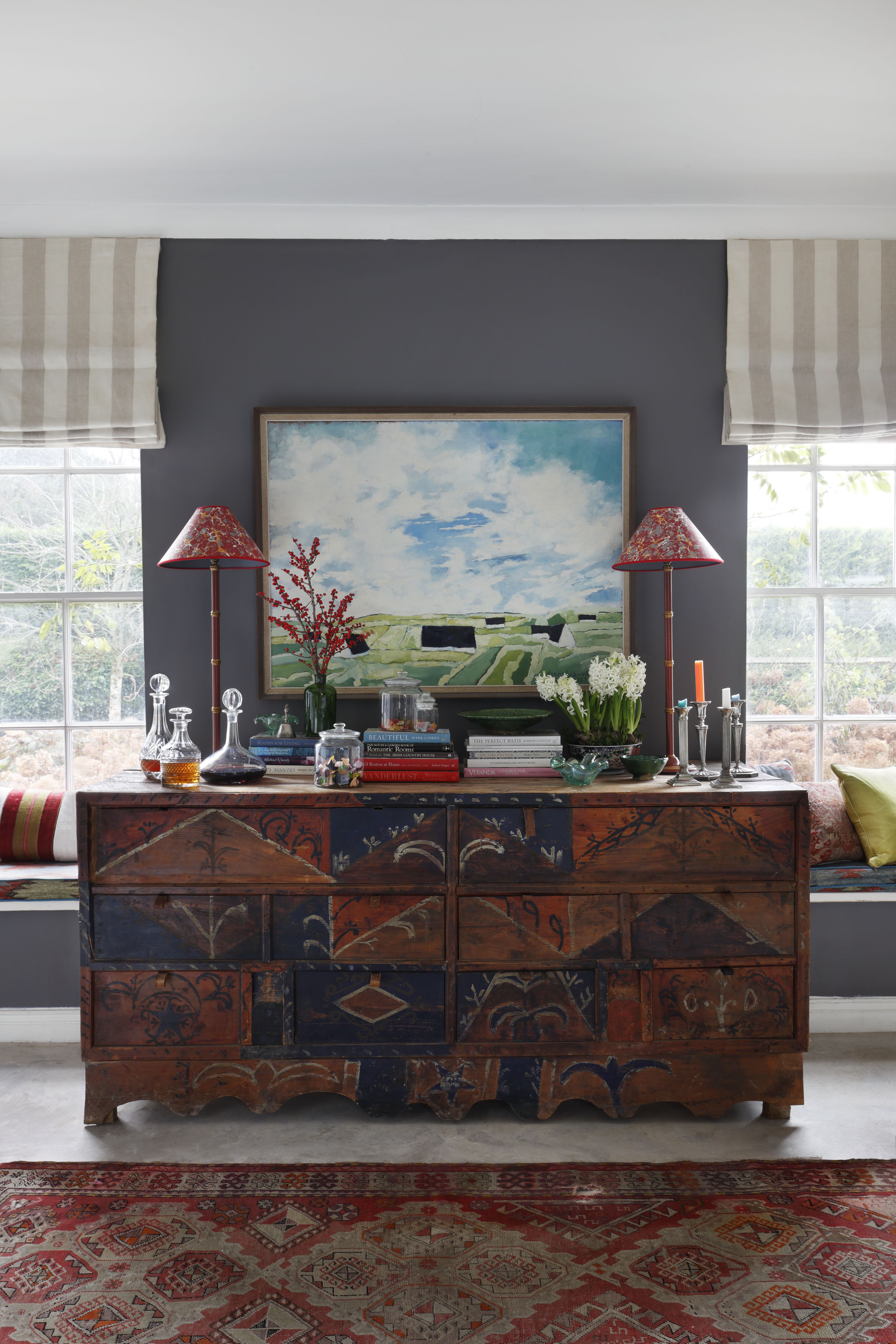
26. Vintage-Inspired Bedroom
A vintage-inspired bedroom combines classic furniture, characterful accessories, and a softer color palette. Antique wood, patterned textiles, traditional lamps, and framed prints can create a collected look.
Start with one standout item, such as a vintage dresser or ornate mirror. Pair it with simpler bedding and contemporary lighting to prevent the room from feeling overly themed.
You can find suitable pieces in antique shops, secondhand stores, and vintage marketplaces. Check furniture stability and condition before purchasing.
Styling tip: Mix old and new pieces so the room feels personal rather than like a period display.
27. Minimalist Bedroom with Natural Wood
Natural wood brings warmth to minimalist bedrooms without requiring additional colors or decoration.
Choose a simple wooden bed frame, matching bedside tables, and understated bedding in cream or white. A textured rug and a single piece of artwork can provide enough detail.
Keep visible storage organized and choose accessories for their usefulness as well as their appearance. The goal is to create a room that feels uncluttered and comfortable.
Styling tip: Repeat the same wood tone in two or three places to connect the furniture visually.
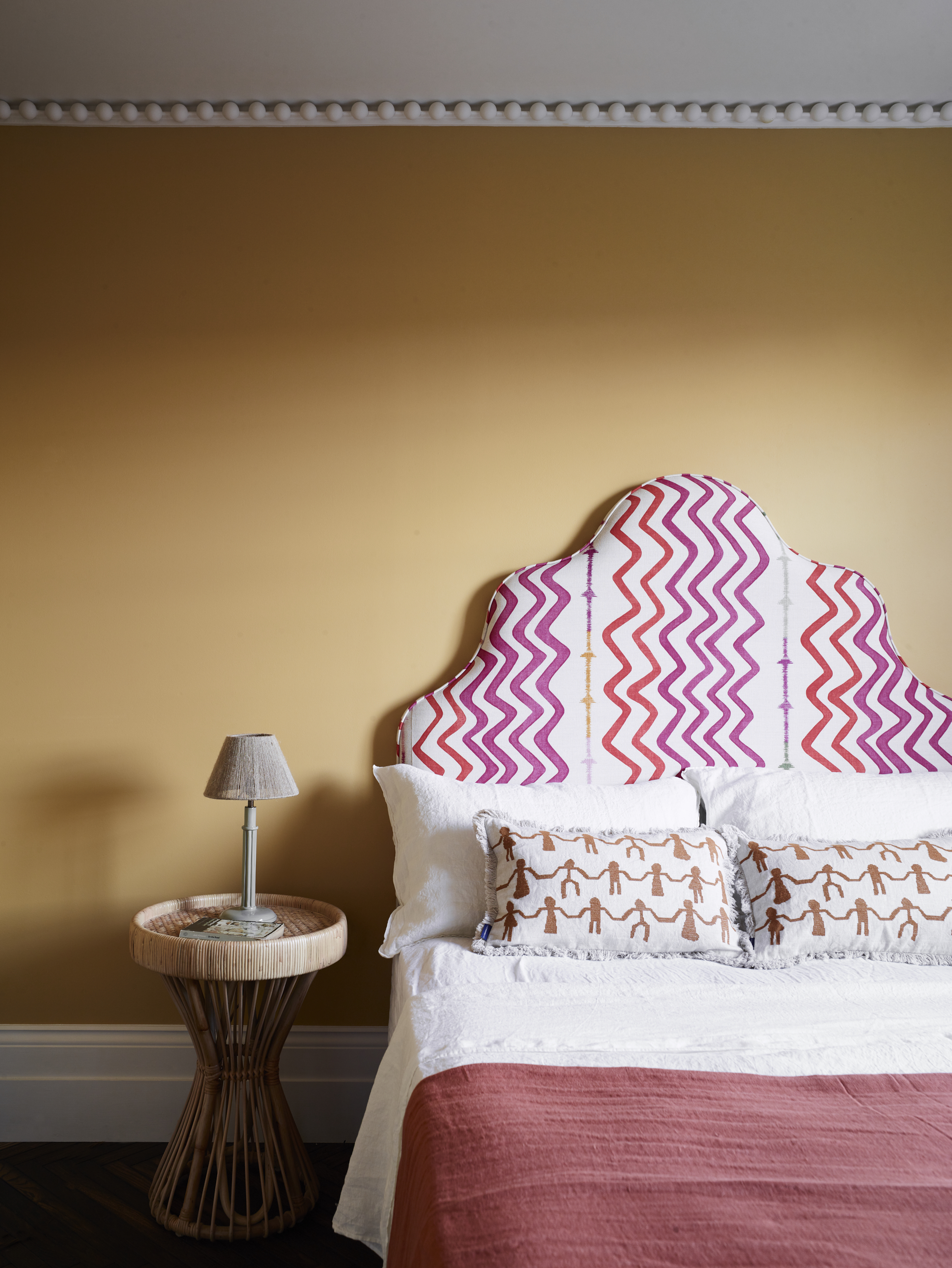
28. Statement Headboard Bedroom
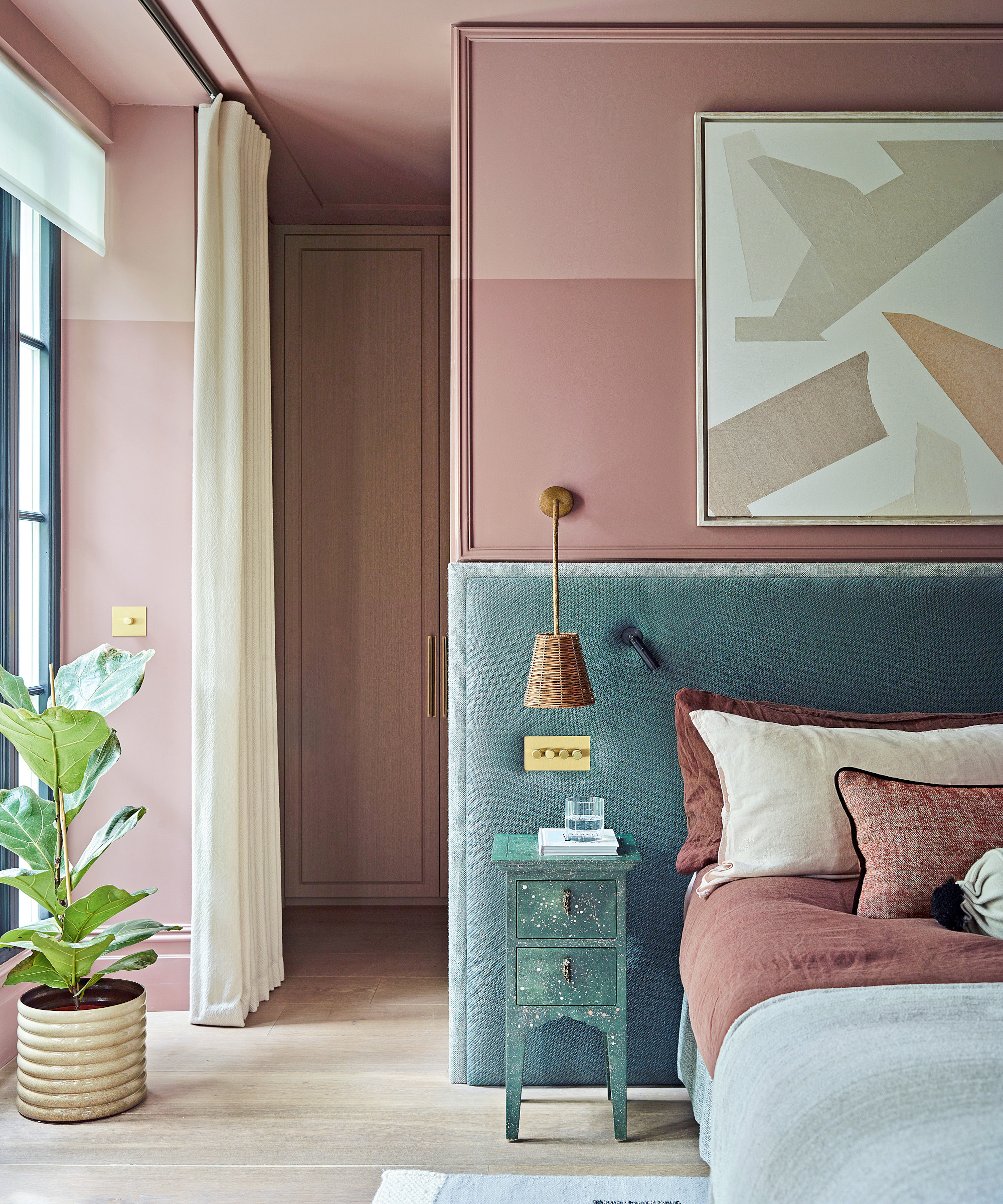
A statement headboard can transform the appearance of a bedroom without requiring a full makeover. Upholstered panels, curved designs, natural wood, and textured finishes can all create a strong focal point.
Choose a headboard that suits the width and height of your bed. A tall design can make a room feel more dramatic, while a curved or low-profile version may suit a softer contemporary scheme.
Keep the bedding and bedside accessories relatively simple so the headboard remains the main feature.
Styling tip: Coordinate the headboard with the room's largest colors, such as the bedding, curtains, or rug.
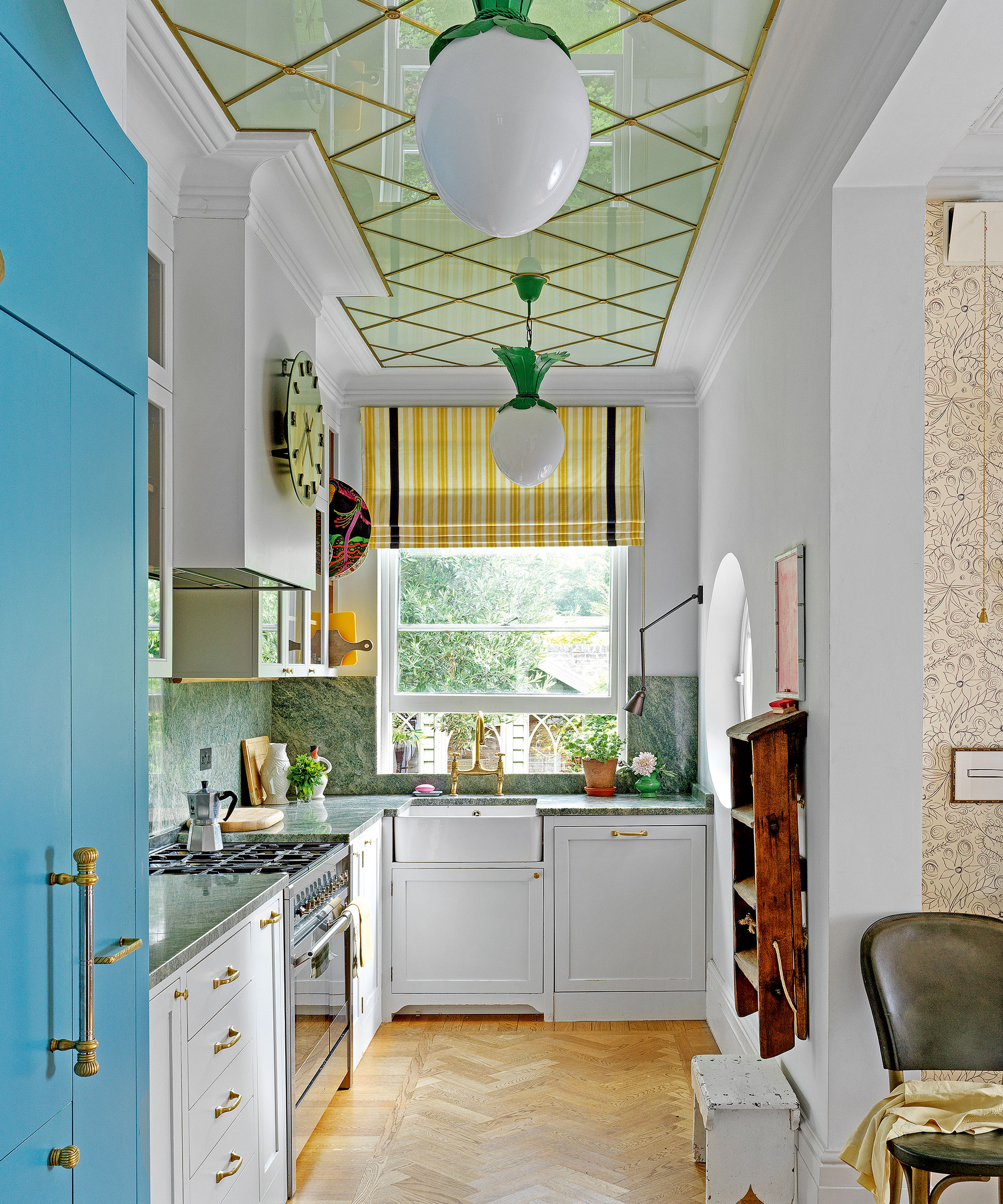
29. Modern Kitchen with Clean Lines
A modern kitchen combines practical storage, simple cabinetry, and carefully selected finishes. Flat-front cabinets, uncluttered countertops, and understated hardware help create a streamlined appearance.
White, warm gray, charcoal, and natural wood are versatile choices. Introduce contrast through a backsplash, pendant lights, or a darker island.
Organization matters as much as appearance. Keep frequently used cooking items accessible and store less-used appliances away from the main work surfaces.
Styling tip: Clear countertops of items you rarely use before investing in new decor.
30. Warm Wood and White Kitchen
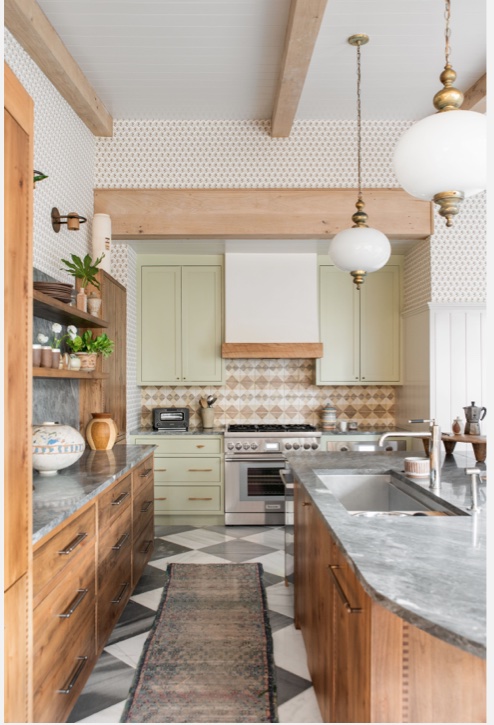
White cabinetry and warm wood create a timeless kitchen scheme that feels bright without becoming cold.
Use white cabinets as the foundation and introduce wood through open shelves, bar stools, cutting boards, or a wood-finish island. A warm neutral backsplash can connect the different elements.
Consider the undertones of your white paint and wood finish. Creamier whites often pair naturally with warm oak, while cooler whites can work better with more neutral wood tones.
Styling tip: Repeat the wood finish in at least two places to make the combination feel deliberate.
31. Two-Tone Kitchen Cabinets
Two-tone cabinetry adds depth and personality to a kitchen. A common approach is to use lighter upper cabinets and darker lower cabinets, although a contrasting island can create a similar effect.
Try white upper cabinets with navy lower cabinets, cream cabinets with sage green, or pale wood with charcoal. Keep the countertop and backsplash relatively simple if the cabinetry already provides strong contrast.
Before choosing colors, consider the amount of natural light and the size of the kitchen.
Styling tip: Use one main cabinet color and one supporting color rather than adding several competing shades.
32. Small Kitchen with Smart Storage
A small kitchen can feel more functional when storage is organized around everyday tasks. Drawer dividers, pull-out organizers, wall rails, and vertical shelving help use the available space more efficiently.
Keep frequently used utensils near the cooking area and store dishes close to where they are used. Use cabinet interiors for spices, food containers, and cleaning supplies rather than allowing them to accumulate on the countertop.
If you rent, freestanding shelves and removable organizers can provide extra storage without permanent changes.
Styling tip: Use a consistent set of containers for frequently accessed pantry items to create a tidier appearance.
33. Kitchen with Open Shelving
Open shelving creates a lighter visual effect than a wall of upper cabinets and provides an opportunity to display attractive kitchen essentials.
Use shelves for everyday dishes, glasses, cookbooks, and a few decorative objects. Group similar items together and avoid filling every inch of shelf space.
Because open shelves collect dust and cooking residue, they work best for items you use and clean regularly. Store less attractive or rarely used belongings in closed cabinets.
Styling tip: Combine functional pieces with just a few decorative accents rather than treating every shelf as a display case.
34. Elegant Marble-Inspired Kitchen
Marble-inspired surfaces can create a sophisticated kitchen appearance through veining, contrast, and visual texture. Depending on the budget and practical requirements, you might consider natural stone, engineered surfaces, or porcelain alternatives.
Pair a veined countertop or backsplash with simple cabinetry and understated hardware. Too many strong patterns can make a small kitchen feel visually busy, so let the stone-inspired surface take the lead.
Compare maintenance requirements, heat resistance, stain resistance, and installation costs before choosing a material.
Styling tip: Keep cabinet fronts and accessories simple to let the veining become the main decorative feature.
35. Cozy Farmhouse Kitchen
Farmhouse kitchens combine warmth, practical storage, natural textures, and a relaxed atmosphere.
Wooden shelves, classic cabinet fronts, ceramic accessories, and simple pendant lights help establish the look. A large table or island can provide additional workspace and a gathering point for family meals.
Modern farmhouse kitchens often look best when rustic details are used selectively rather than everywhere.
Styling tip: Pair warm wood with white or cream cabinetry and a small number of dark metal accents.
36. Chic Dining Room with a Statement Light
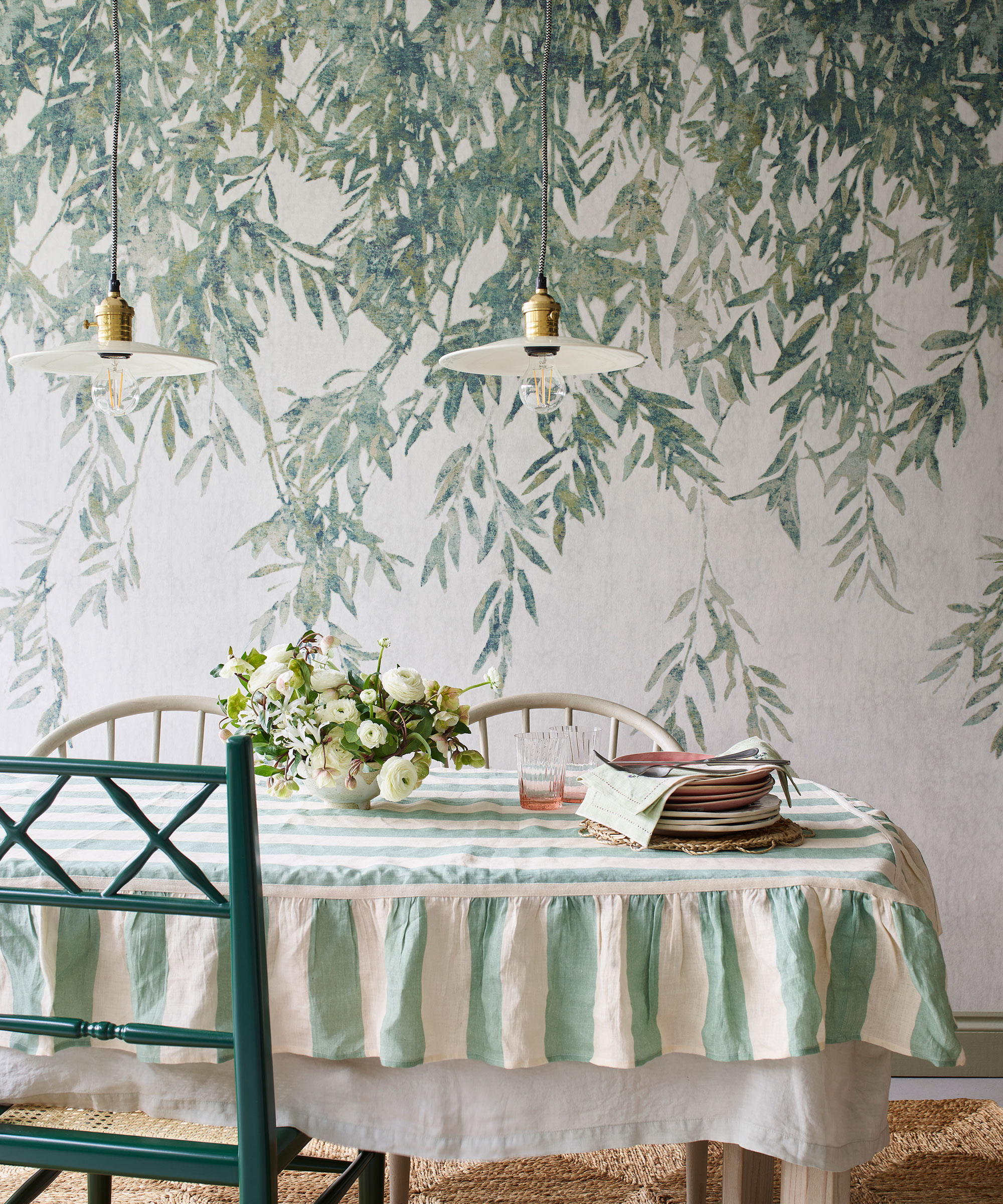
A statement pendant or chandelier can anchor a dining room and make the table feel like the center of the space.
Choose a fixture that suits the scale of the table and room. A sculptural pendant can work in a modern dining room, while a traditional chandelier may suit a more classic interior.
Layer the lighting with wall lights or a nearby lamp if you want a softer atmosphere outside mealtimes.
Styling tip: Center the light over the dining table and follow the fixture manufacturer's guidance for hanging height and installation.
37. Modern Dining Room with Natural Wood
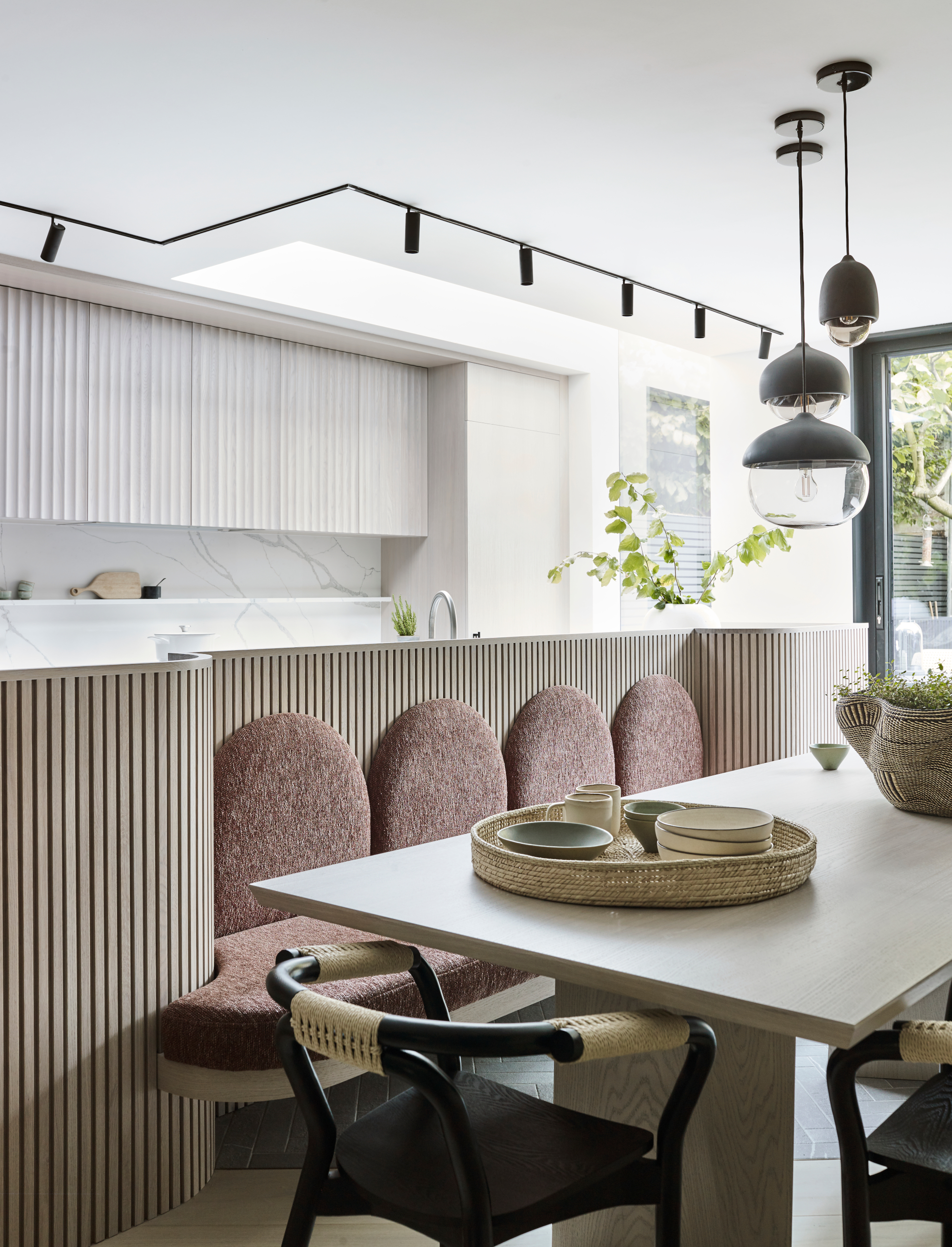
Natural wood furniture adds warmth and timeless character to modern dining spaces. A simple oak or walnut table can work with upholstered chairs, sculptural lighting, and neutral wall colors.
Choose chair shapes that complement the table without matching every detail exactly. A textured rug can define the dining area in an open-plan home, provided it is large enough for chairs to remain on the rug when pulled out.
Keep the tabletop styling simple with a centerpiece or a small arrangement of ceramics.
Styling tip: Let the wood grain provide visual interest instead of covering the table with too many accessories.
38. Small Dining Area with a Round Table
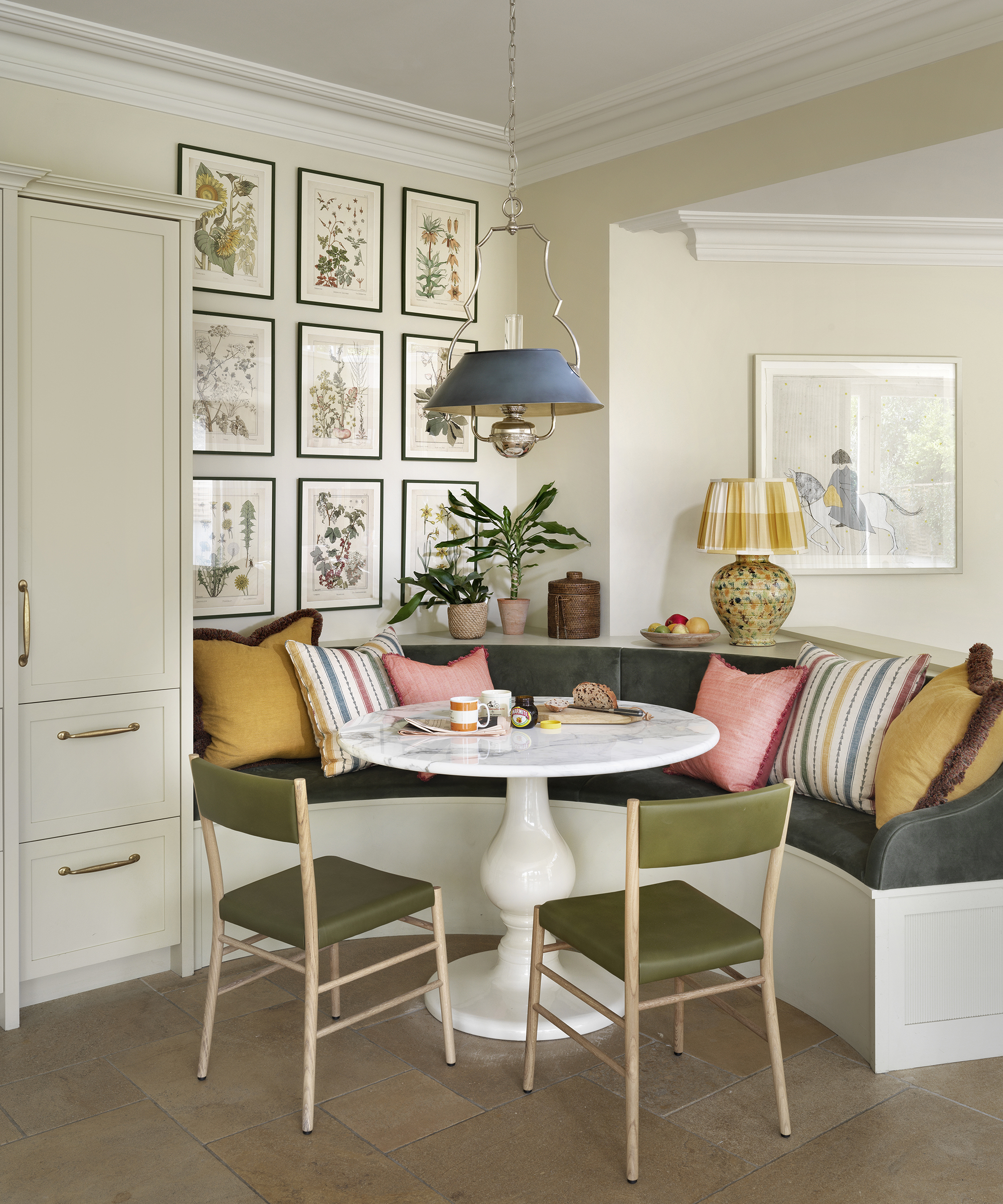
A round dining table can be useful in a compact dining area because it removes sharp corners and may improve circulation, depending on the layout.
Choose a table diameter that allows people to sit comfortably without blocking nearby doors or walkways. Pedestal bases can provide more legroom than some four-legged designs.
Use chairs that fit beneath the table when not in use, and consider a wall mirror or pendant light to help define the dining area.
Styling tip: Measure the full occupied footprint, including chairs pulled out from the table, before buying.
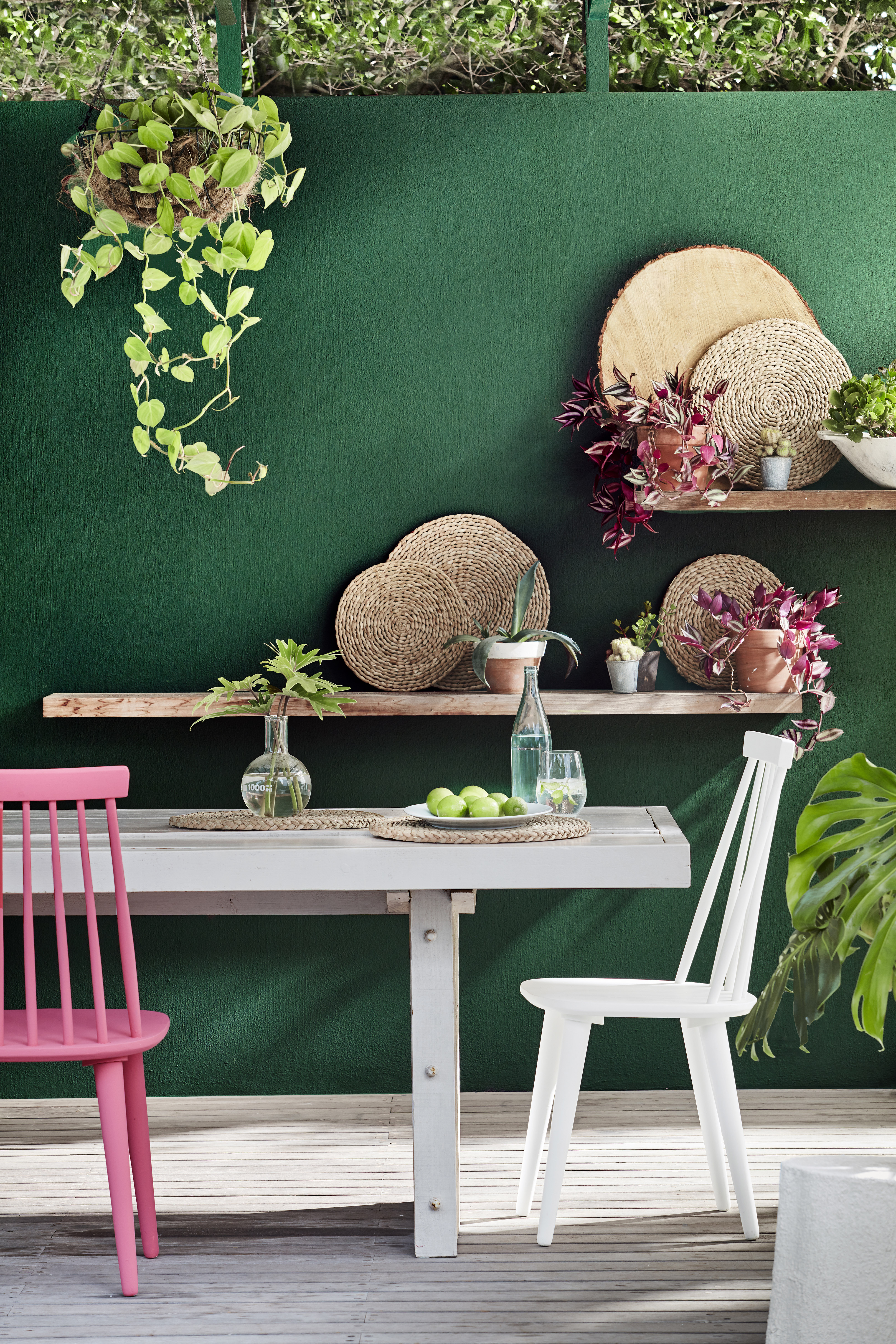
39. Dramatic Dining Room with Dark Walls
Dark dining room walls can create an intimate atmosphere that feels especially appealing for evening meals and entertaining.
Deep green, navy, charcoal, and rich brown provide a sophisticated backdrop for wood furniture, metallic accents, and warm lighting.
If you're hesitant to paint every wall, start with one accent wall or use a darker color below a dado rail. Lighter artwork and reflective accessories can add contrast.
Styling tip: Use warm, dimmable lighting where appropriate to soften the effect of dark colors.
40. Elegant Home Office with Built-In Storage
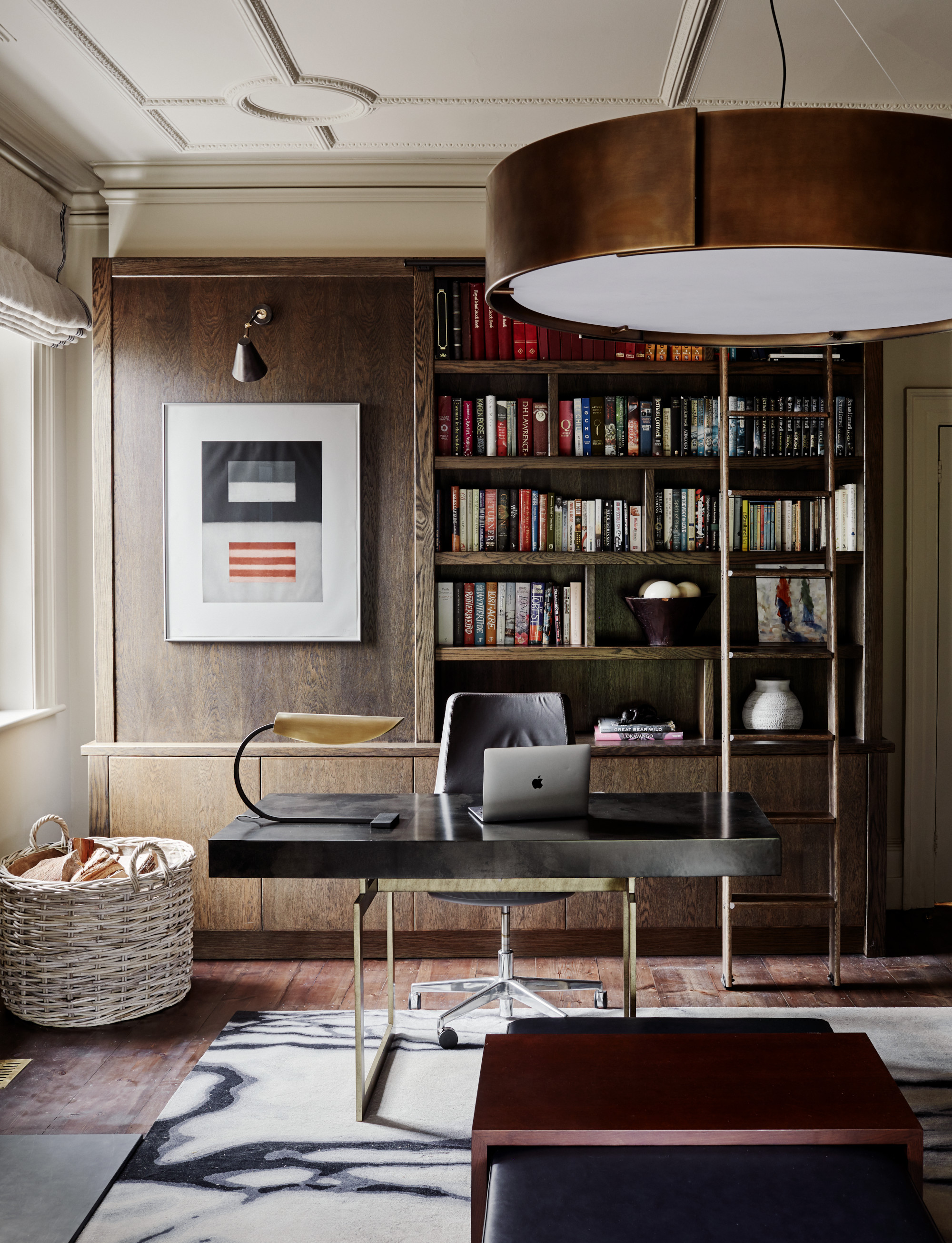
A well-designed home office combines a comfortable workspace with storage that keeps paperwork and equipment organized.
Choose a desk that suits your working needs, a supportive chair, and shelving or cabinets for books and supplies. Position the monitor and lighting to reduce glare, and keep frequently used items within easy reach.
Built-in storage can make use of awkward wall areas, but modular bookcases and freestanding cabinets can achieve a similar effect with more flexibility.
Styling tip: Separate work essentials from decorative objects so the desk remains practical throughout the day.
41. Minimalist Home Office
A minimalist home office helps reduce visual distractions through a simple layout and limited color palette.
Choose a desk with clean lines, a comfortable chair, and concealed cable management. Keep only essential equipment on the work surface and use a small number of accessories to personalize the space.
Natural light can make the room more pleasant, but position screens to minimize glare. Add a desk lamp for focused lighting when daylight is insufficient.
Styling tip: Use a drawer organizer and cable clips to keep small items and wires under control.
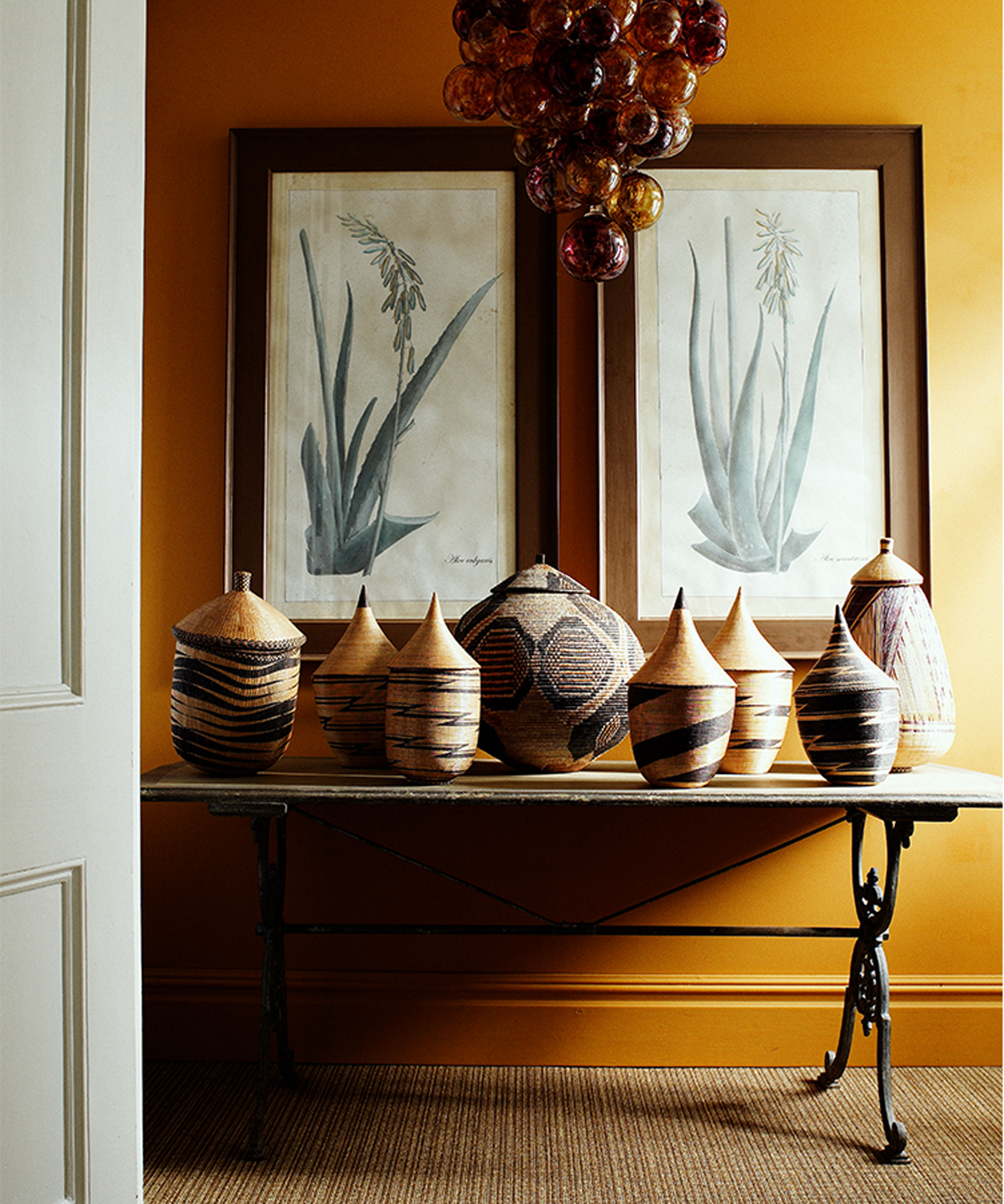
42. Stylish Entryway with Functional Storage
The entryway is the first space people see when entering your home, so it should combine practical storage with welcoming decor.
A narrow console table, wall hooks, a shoe cabinet, and a mirror can create an organized entrance without requiring a large foyer. Use a small tray for keys and a basket for everyday accessories.
If several people share the entrance, assign specific hooks or compartments to each person. This reduces clutter and makes it easier to find belongings when leaving.
Styling tip: Keep the main walking route clear and limit tabletop decor to a few coordinated items.
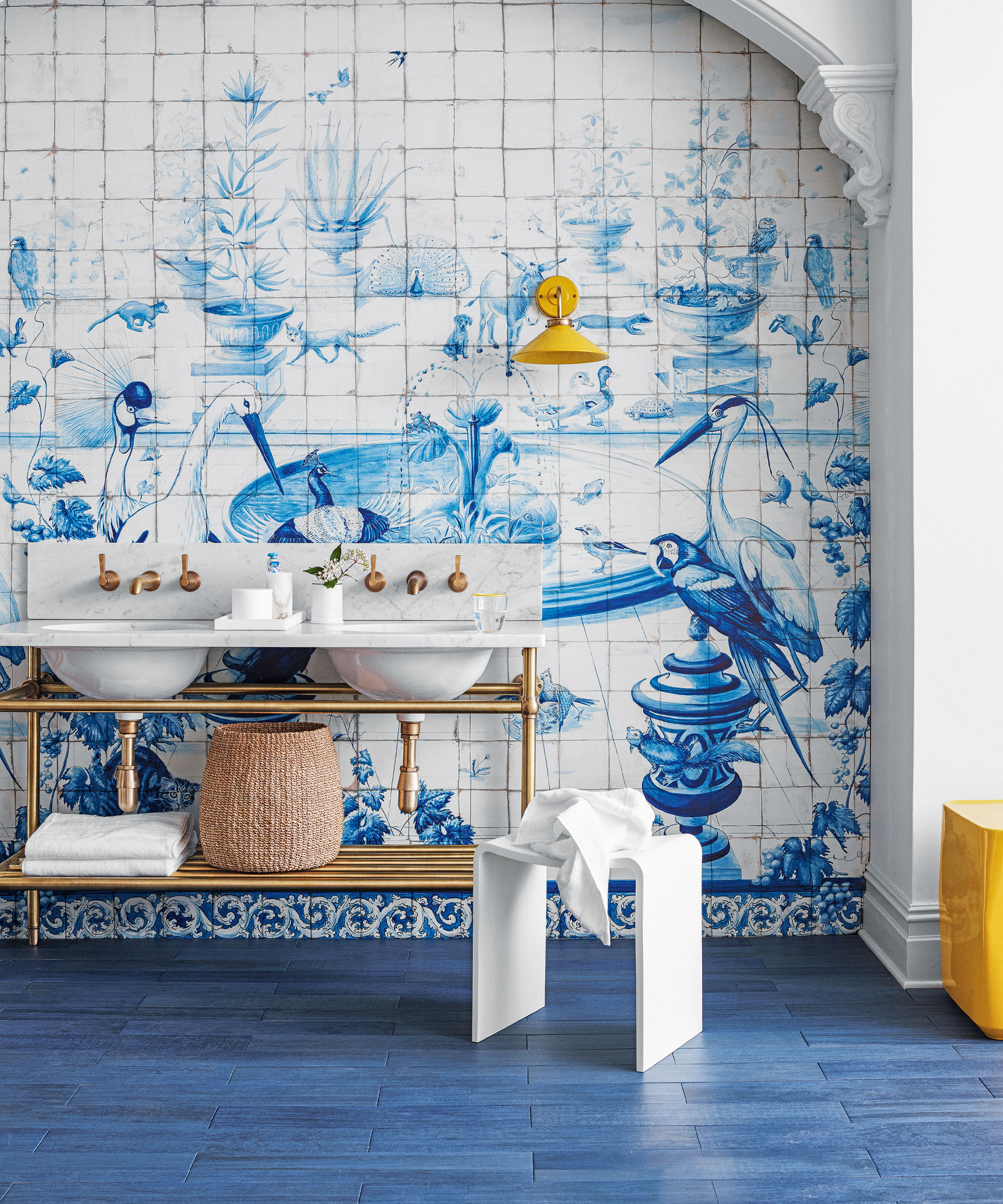
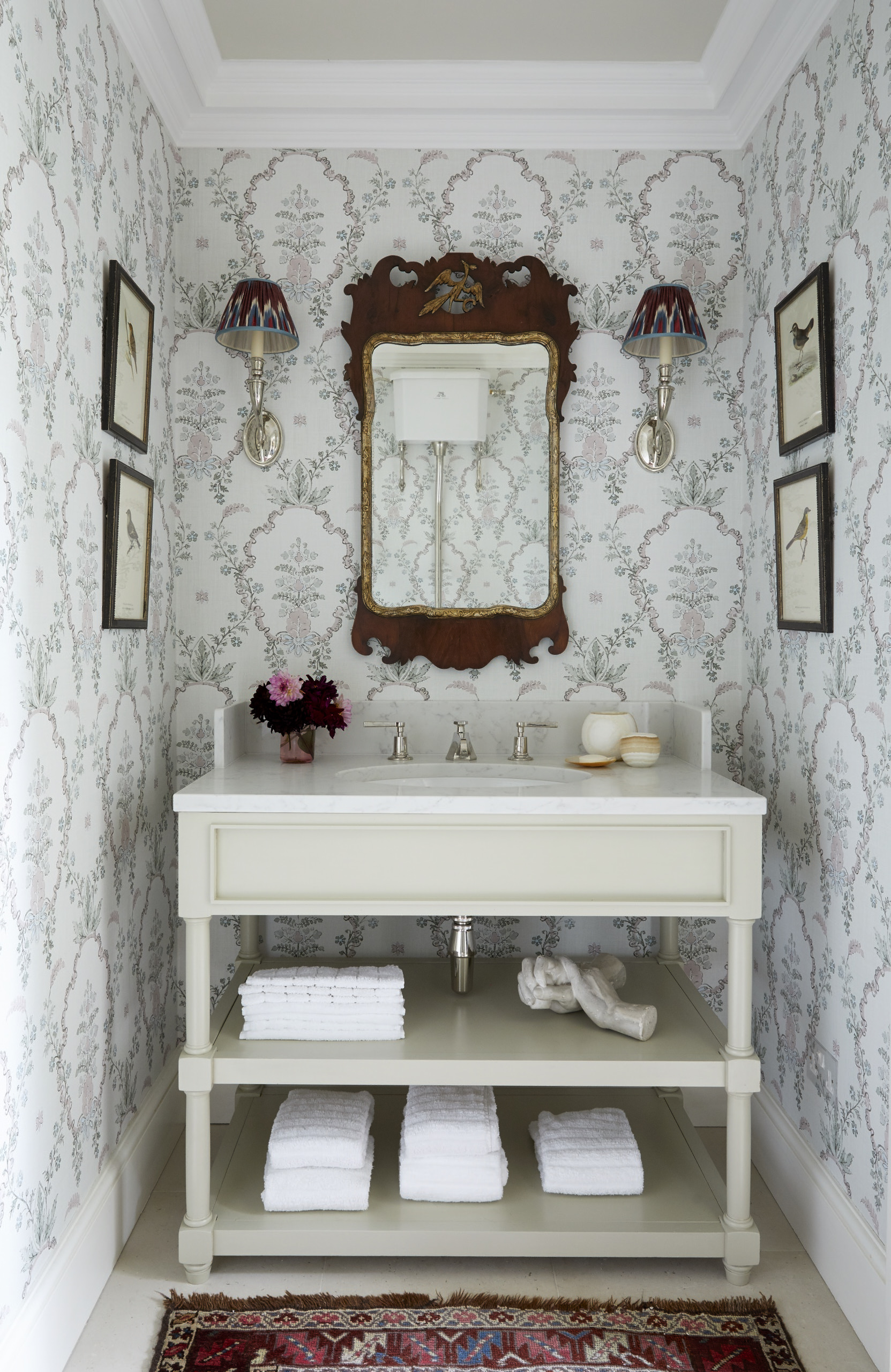
43. Spa-Inspired Bathroom
A spa-inspired bathroom uses natural textures, soft lighting, uncluttered surfaces, and a calm palette to create a relaxing atmosphere.
Choose white, sand, pale gray, or muted green as the foundation. Add wood-look accessories, folded towels, simple dispensers, and a bath mat with a soft texture.
Use storage cabinets or baskets to keep toiletries organized. Because bathrooms are humid, select materials that can handle moisture and keep decorative fabrics clean and dry.
Styling tip: Coordinate dispensers and storage containers for a cleaner, more consistent appearance.
44. Modern Bathroom with Black Accents
Black accents can give a bathroom a contemporary edge without requiring a complete renovation.
Consider black mirror frames, cabinet handles, light fixtures, or a shower frame. Pair these details with white tile, warm wood, or soft gray surfaces to maintain balance.
If you're replacing plumbing fixtures, verify that the finish is suitable for bathroom use and follow the manufacturer's cleaning instructions.
Styling tip: Repeat black in a few carefully chosen places rather than using it on every fixture and accessory.
45. Laundry Room with Practical Storage
A well-organized laundry room can make routine chores easier while keeping detergents, baskets, and cleaning tools under control.
Use shelves above machines where safe and practical, labeled containers for laundry supplies, and baskets for sorting clothes. A folding surface can be useful if the room has enough space.
Keep products in their original containers when appropriate, follow their safety instructions, and store them securely away from children and pets.
Styling tip: Use matching baskets and simple labels to create a coordinated look while keeping laundry categories separate.
46. Indoor Plant Corner
An indoor plant corner adds color, texture, and a connection to nature. Grouping plants in one area can create a stronger visual effect than spreading small pots randomly around the home.
Choose plants according to the available light, temperature, and humidity. Use a mix of plant heights, leaf shapes, and pot materials for variety.
Protect floors and furniture from excess water, and confirm plant safety if you have pets or small children.
Styling tip: Place taller plants behind shorter ones and repeat one or two pot colors to make the arrangement feel cohesive.
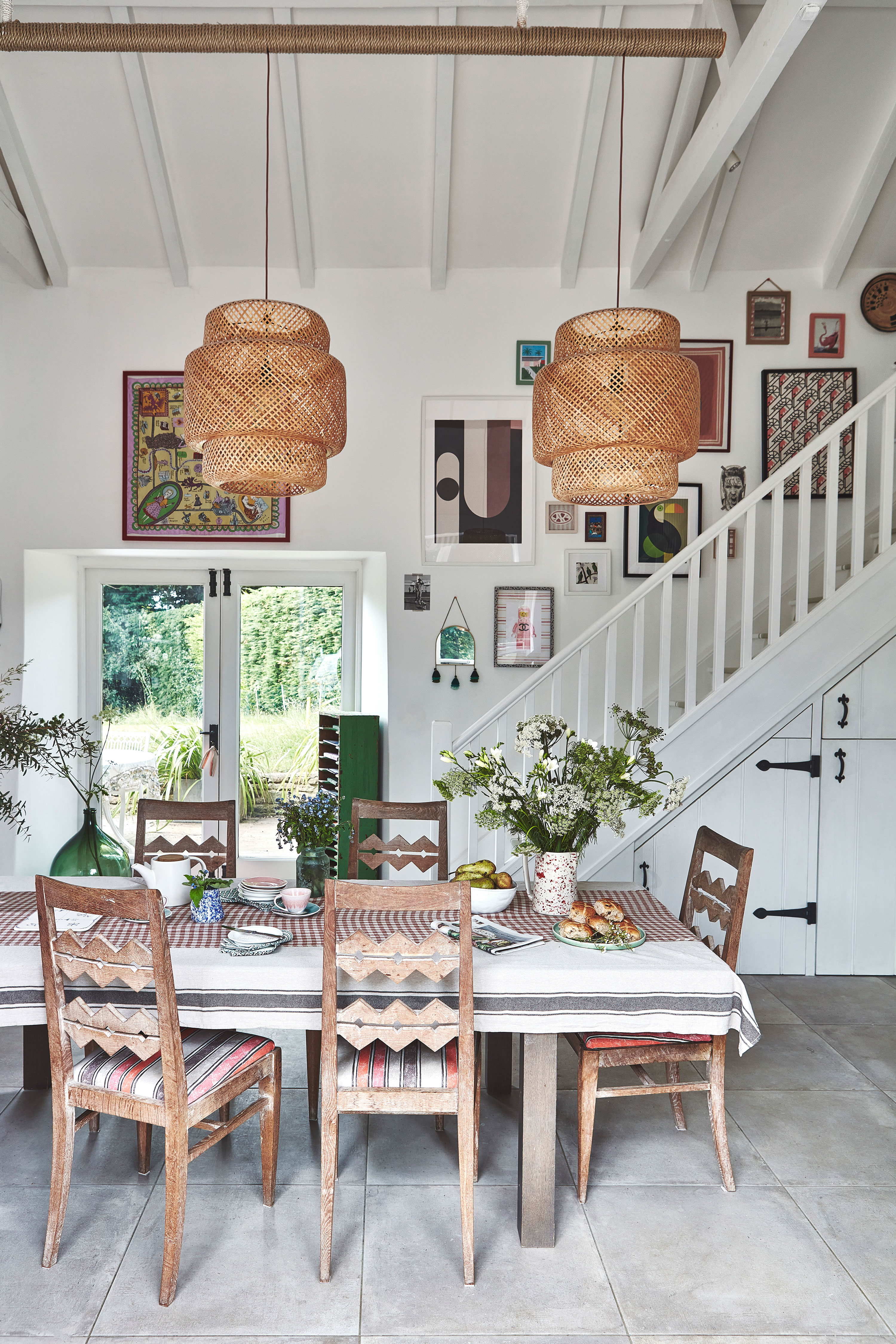
47. Gallery Wall with Personal Artwork
A gallery wall can turn an empty wall into a meaningful focal point. Combine framed prints, photographs, illustrations, and other artwork that reflects your interests and personal style.
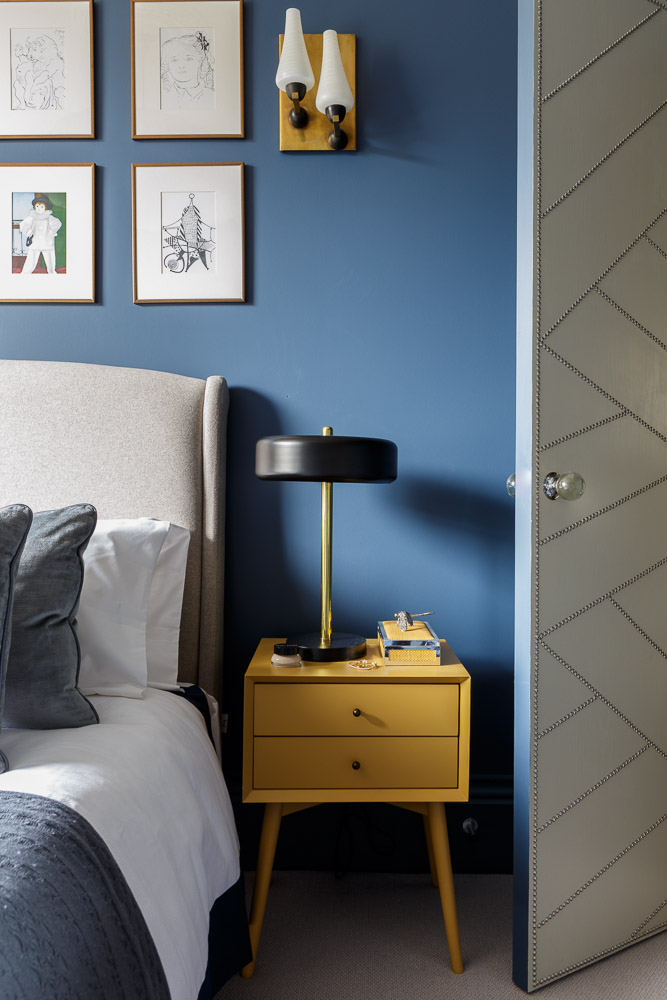
Before hanging anything, arrange the frames on the floor to test the composition. A consistent frame color creates a coordinated appearance, while a mix of frames can feel more eclectic.
Keep spacing relatively consistent and consider how the gallery wall relates to nearby furniture. For a more relaxed look, combine different frame sizes around a larger central piece.
Styling tip: Choose artwork that shares a loose color palette even when the subjects differ.
48. Timeless Whole-Home Decor Scheme
A cohesive home doesn't require every room to look identical. Instead, repeat a few colors, materials, and design details so the spaces feel connected.
Choose a foundation palette of two or three neutrals, then add a small number of accent colors. Repeat wood tones, metal finishes, or textile textures in different rooms without copying the same arrangement everywhere.
For example, warm white walls, natural wood, muted green accents, and black hardware can work across a living room, bedroom, kitchen, and entryway. Each room can still have its own character through furniture, artwork, and lighting.
Styling tip: Create a simple whole-home palette before buying major furniture or repainting several rooms.
How to Choose the Right Interior Design Scheme
With so many home decor ideas available, it can be tempting to combine every trend you like. A more effective approach is to identify the atmosphere you want and build a consistent plan around it.
1. Start with Your Lifestyle
Consider how you use each room. A family living room may need durable fabrics and concealed storage, while a formal sitting room may prioritize symmetry and statement furniture.
Think about cleaning, maintenance, pets, children, entertaining, and daily routines before choosing finishes.
2. Choose a Color Palette
Select a main neutral, a supporting color, and one or two accents. You can use the same palette throughout the home or adapt it slightly in each room.
Test paint colors in different lighting conditions because daylight, artificial lighting, and nearby materials can change how colors appear.
3. Mix Textures for Depth
A room can feel flat when every surface has the same finish. Combine smooth wood, soft upholstery, woven baskets, natural stone, glass, or textured fabrics to create visual interest.
You don't need expensive materials to achieve this effect. Even a simple combination of linen cushions, a wool-look rug, and wood furniture can make a room feel more layered.
4. Consider Scale and Proportion
Furniture should fit the room and leave enough space for comfortable movement. Large furniture can overwhelm a small room, while undersized pieces may feel disconnected in a spacious interior.
Measure your room and mark out furniture dimensions before buying. Include the space needed for doors, drawers, chairs, and everyday movement.
5. Layer Your Lighting
A well-designed room often uses several types of lighting: general illumination, task lighting, and accent lighting.
Ceiling lights provide overall visibility, table lamps create a softer atmosphere, and focused lights help with activities such as reading or cooking. Choose appropriate fixtures and installation methods for each space.
6. Decorate Gradually
You don't need to purchase everything at once. Start with the largest elements, such as the sofa, bed, dining table, or storage furniture. Then add rugs, lighting, artwork, cushions, and accessories.
Living with the room for a while can help you identify what is actually missing before you spend more money.
Frequently Asked Questions
What are the most popular home decor styles?
Popular styles include modern, Scandinavian, Japandi, contemporary luxury, modern farmhouse, mid-century modern, coastal, bohemian, and traditional interiors. The best choice depends on your personal aesthetic, budget, home architecture, and daily lifestyle needs.
How can I make my home look expensive on a budget?
Focus on a cohesive color palette, layered lighting (combining ambient, task, and accent lights), well-proportioned furniture, coordinated hardware, and clutter-free surfaces. A few carefully selected high-impact accessories have far more visual impact than a large collection of inexpensive knickknacks.
What colors make a home feel more elegant?
Warm whites, creams, taupes, muted sage greens, deep blues, charcoal, and rich earthy browns all create an elegant atmosphere. The result depends on how the colors are balanced with warm lighting, natural wood, and tactile textiles.
How do I make different rooms feel connected?
Repeat a unified foundation palette of two to three neutrals, consistent wood tones, matching metal finishes, and recurring textile textures throughout the house. Rooms do not need to look identical; echoing key details is sufficient to create visual harmony.
How can I update my home without renovating?
Rearrange furniture to optimize traffic flow, update throw cushions and textured blankets, lay down an anchoring rug, replace harsh overhead lighting with warm table lamps, organize open shelves, hang a personal gallery wall, or paint an accent wall.
Which interior design style is best for a small home?
Minimalist, Scandinavian, and Japandi-inspired schemes excel in compact footprints because they emphasize functionality, clean silhouettes, and clever concealed storage. However, any style works when furniture scale and circulation routes are planned thoughtfully.
Final Thoughts
Beautiful home decor is about creating spaces that reflect your personality while supporting the way you live. From warm neutral living rooms and serene bedrooms to practical kitchens and elegant dining areas, these 48 chic interior design schemes offer inspiration for homes of different sizes and styles.
Start with one room and identify the change that would make the biggest difference. You might introduce warmer lighting, reorganize storage, update the color palette, or choose a statement piece of furniture. Build the rest of the room around that decision instead of purchasing everything at once.
The most successful interiors are not necessarily the most expensive or trend-driven. They are the spaces where color, comfort, function, and personal style work together to make everyday life more enjoyable.
Home DecorInterior DesignLiving RoomBedroomKitchenDining RoomColor PalettesScandinavianJapandiModern Farmhouse