1. The Slim-Arm Loveseat for Maximum Seating in a Minimal Footprint
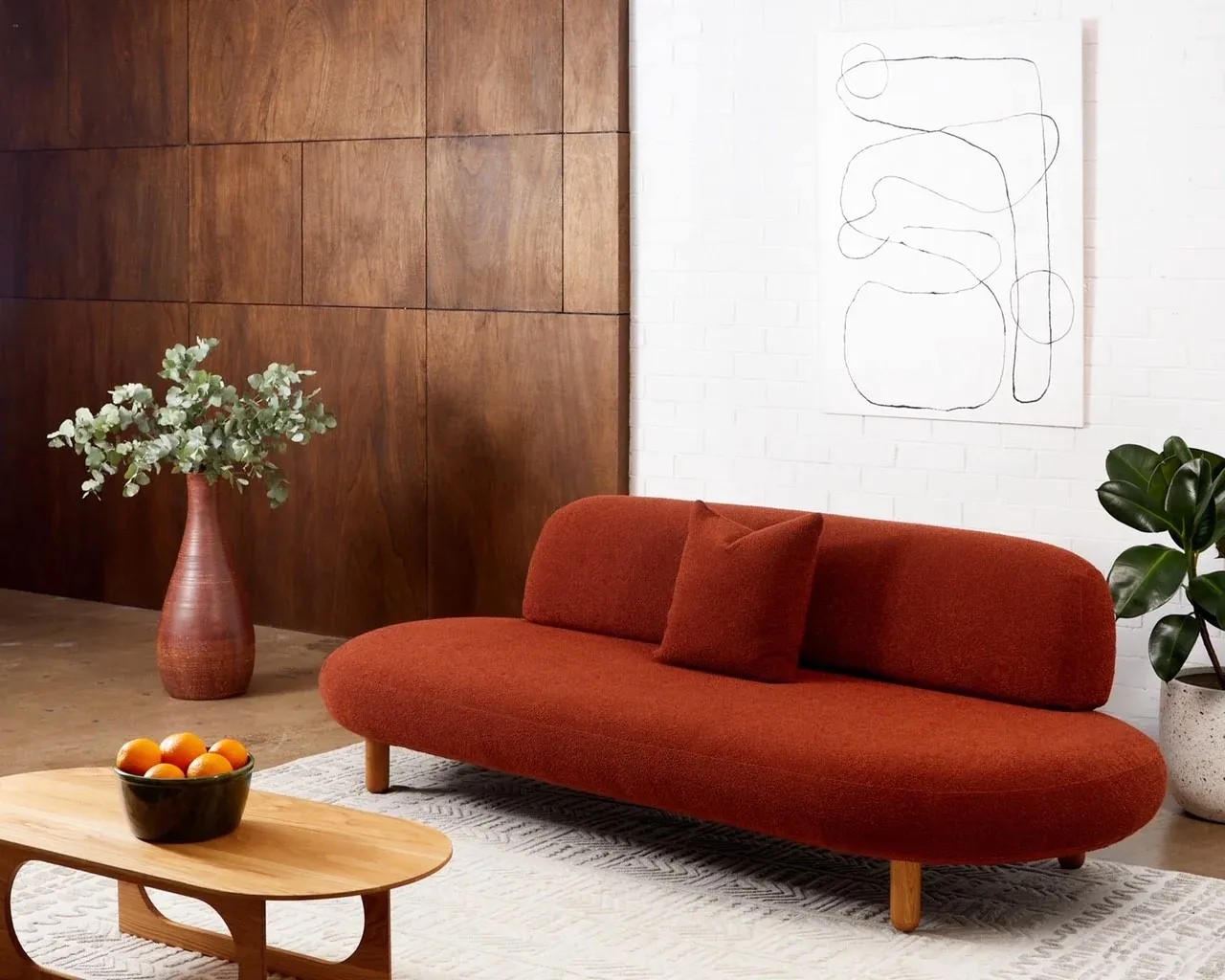
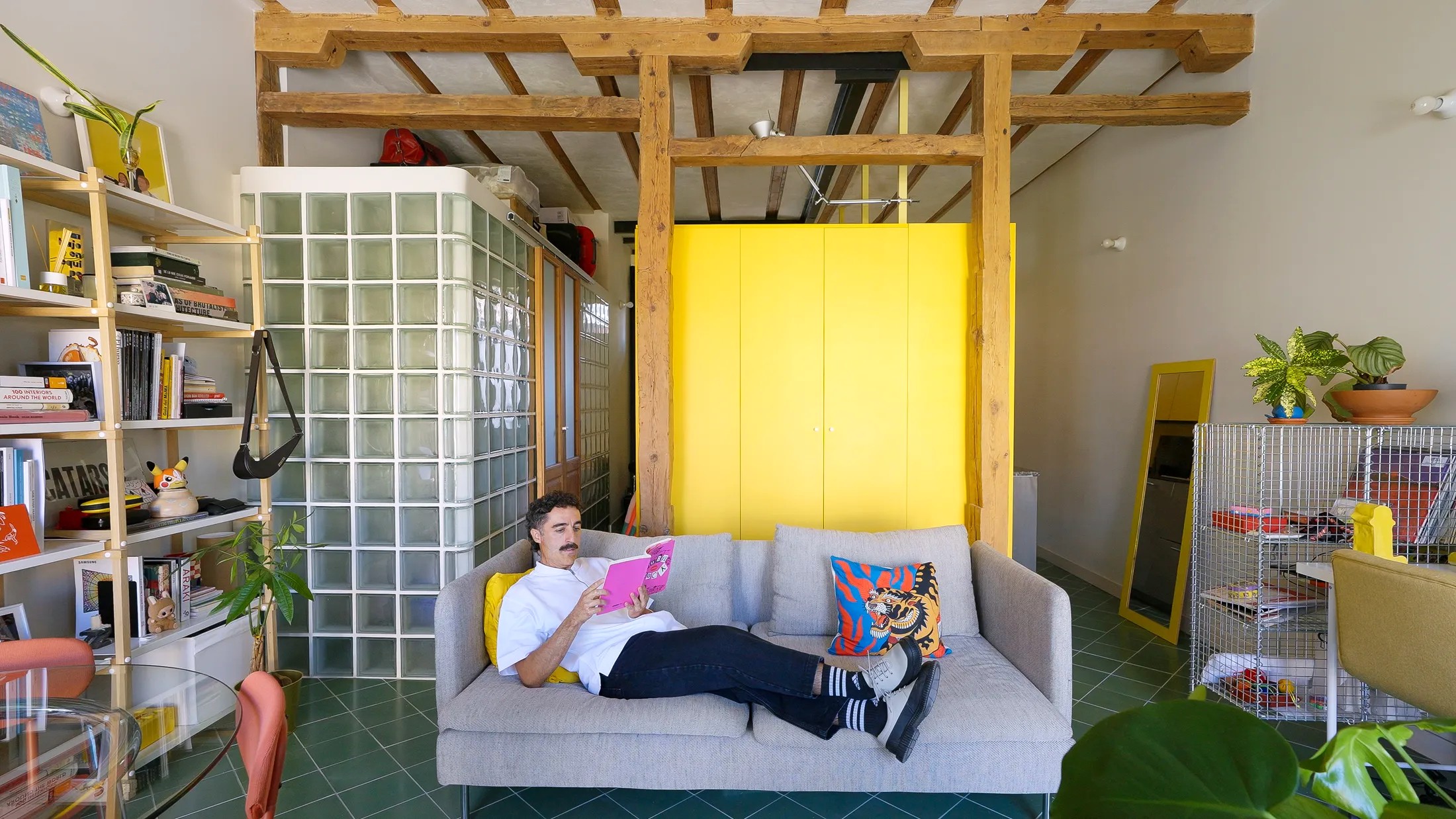
The slim-arm loveseat is the undisputed workhorse of small-space interior design. Defined by its ultra-narrow, tailored armrests—often measuring just two to three inches in width—this style eliminates the bulky, pillowy rolled arms that waste valuable horizontal footage on traditional couches. By trimming away excess perimeter padding, a slim-arm loveseat measuring just sixty to sixty-eight inches wide delivers the exact same usable seating cushion width as a standard seventy-six-inch three-seater sofa. This compact geometry preserves critical walkway clearance in narrow living rooms while still comfortably accommodating two adults side by side.
When shopping for a slim-arm loveseat, look for an overall depth between thirty-two and thirty-four inches. Oversized lounge depths of forty inches or more will crowd coffee tables and obstruct media console sightlines in compact footprints. Opt for tight-back upholstery or high-density foam back cushions rather than loose down pillows, as structured tailoring prevents the sofa from looking slouchy and cluttered in tight quarters. Furthermore, prioritize models with slender, elevated wooden or metal tapered legs of at least six inches in height. Elevating the sofa frame off the floor allows natural daylight and flooring to flow uninterrupted beneath the piece, creating an optical illusion that makes the entire room feel substantially lighter and larger.
This sofa style shines brightest in long, narrow apartment living rooms, bedroom conversation nooks, and urban home offices where wall length is at a premium. The only notable trade-off is lounging ergonomics: because the armrests are slender and firm rather than plush and pillow-topped, you will need a couple of supportive down-filled throw pillows if you enjoy resting your head directly on the armrest for afternoon naps.
2. The Dual-Purpose Convertible Sleeper Sofa
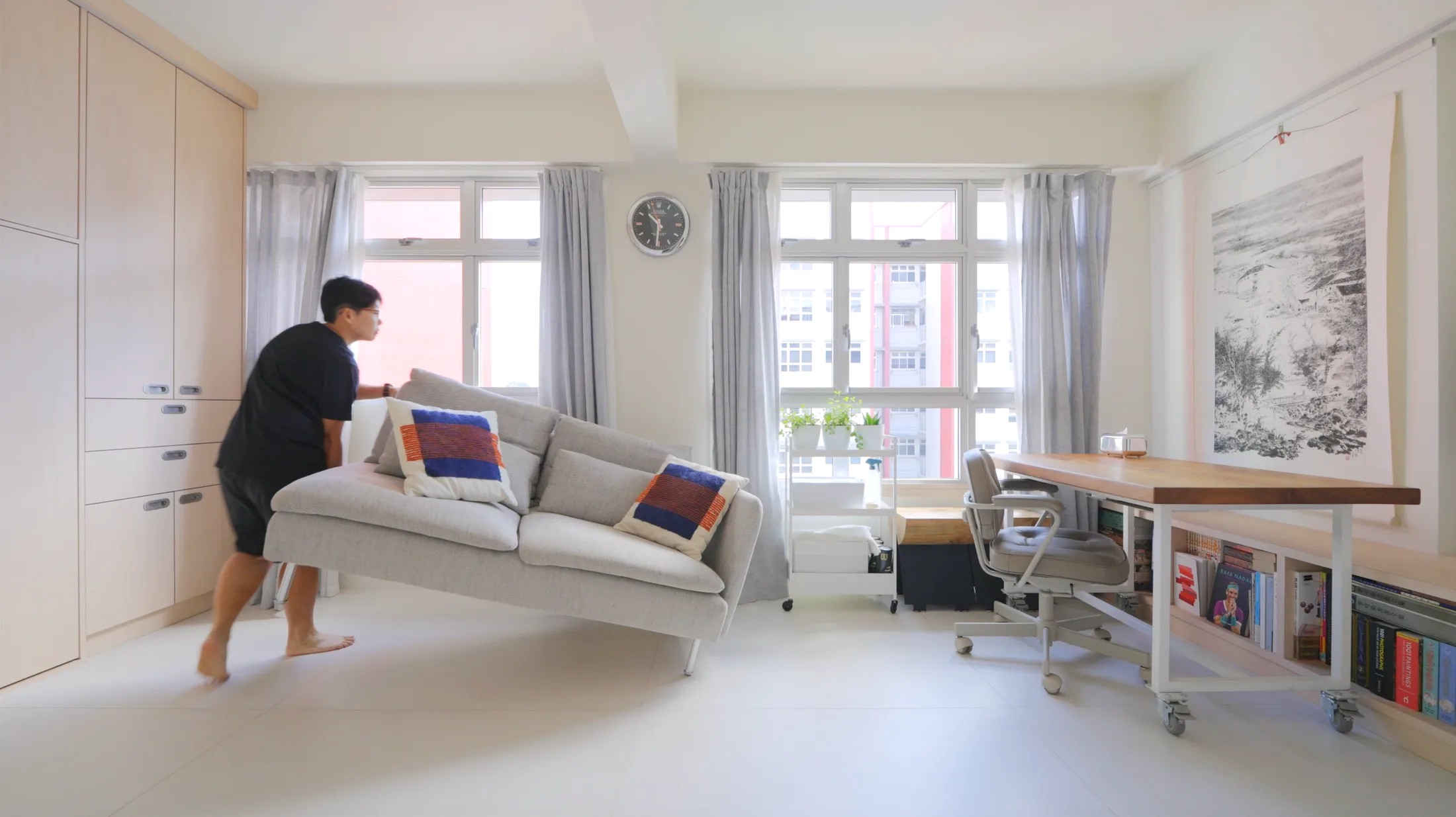
In studio apartments, micro-condos, and multi-functional guest rooms, a convertible sleeper sofa is the ultimate problem-solving centerpiece. Unlike the heavy, clumsy pull-out hide-a-beds of previous decades that featured uncomfortable metal bar mechanisms and thin spring mattresses, modern small-space convertible sofas utilize advanced European mechanical engineering. High-quality click-clack frames, Japanese futon roll-outs, and trundle pop-up platforms fold smoothly into full-size or queen-size sleeping surfaces without requiring massive muscle power or sprawling floor clearance.
When shopping for a dual-purpose sleeper sofa, pay careful attention to the transition mechanism and clearance footprint. Measure not only the sofa's closed dimensions (ideally under seventy-five inches wide) but also its fully extended depth when converted into a bed. High-performance models featuring memory foam or pocket-coil cushioned seating ensure that your everyday seating comfort is just as supportive and luxurious as your nighttime sleep quality. Look for built-in hidden storage compartments beneath the seat cushions, which provide an invaluable concealed home for extra duvets, sleeping pillows, and sheet sets, completely eliminating the need for a separate bulky linen closet in small homes.
Convertible sleeper sofas are the premier choice for single-room studio living, home offices that double as guest quarters, and vacation rental apartments where maximizing sleeping occupancy directly drives value. The minor trade-off to consider is overall weight and cushion firmness: because internal steel folding mechanisms and high-density foam cores are built for durability, sleeper sofas are heavier to relocate up apartment stairwells and tend to offer a firmer, more supportive sit compared to ultra-plush traditional couches.
Looking for Budget-Friendly Decor Alternatives?
Browse our handpicked styling lookbook with verified vendor links and affordable material alternatives.
3. The Reconfigurable Modular Chaise Sectional
Conventional wisdom often advises small-space dwellers to avoid sectional sofas entirely, but a thoughtfully scaled modular chaise sectional proves that advice outdated. Defined by independent, interlocking seating modules and a reversible ottoman chaise lounge, modular sectionals allow you to customize your seating configuration to fit awkward room geometries, radiators, and doorway openings with total freedom. The floating chaise module can be positioned on the left side, right side, or detached entirely to function as a standalone cocktail ottoman or extra guest perch.
When selecting a small-space modular sectional, look for a total width between eighty and eighty-four inches with a chaise depth of no more than fifty-eight inches. Ensure the modules utilize hidden alligator clips or secure under-mount brackets that keep the sections locked firmly together during daily use. Choosing performance fabrics—such as stain-resistant textured weave, Crypton upholstery, or commercial-grade polyester linen—ensures the sofa withstands frequent repositioning, movie nights, and casual dining. Many top modular designs also incorporate hidden storage under the lift-up chaise cushion, offering an expansive storage bay for board games, blankets, and electronics.
Modular sectionals excel in square living rooms, open-concept studio layouts, and rental homes where your next apartment might feature an inverted room layout. Having the flexibility to swap the chaise orientation from left to right means your sofa investment adapts seamlessly to future moves. The main consideration is ensuring your central coffee table is appropriately scaled: pair a modular chaise with round nesting tables or a soft oval ottoman so walkways between the chaise and media console remain fluid and unblocked.
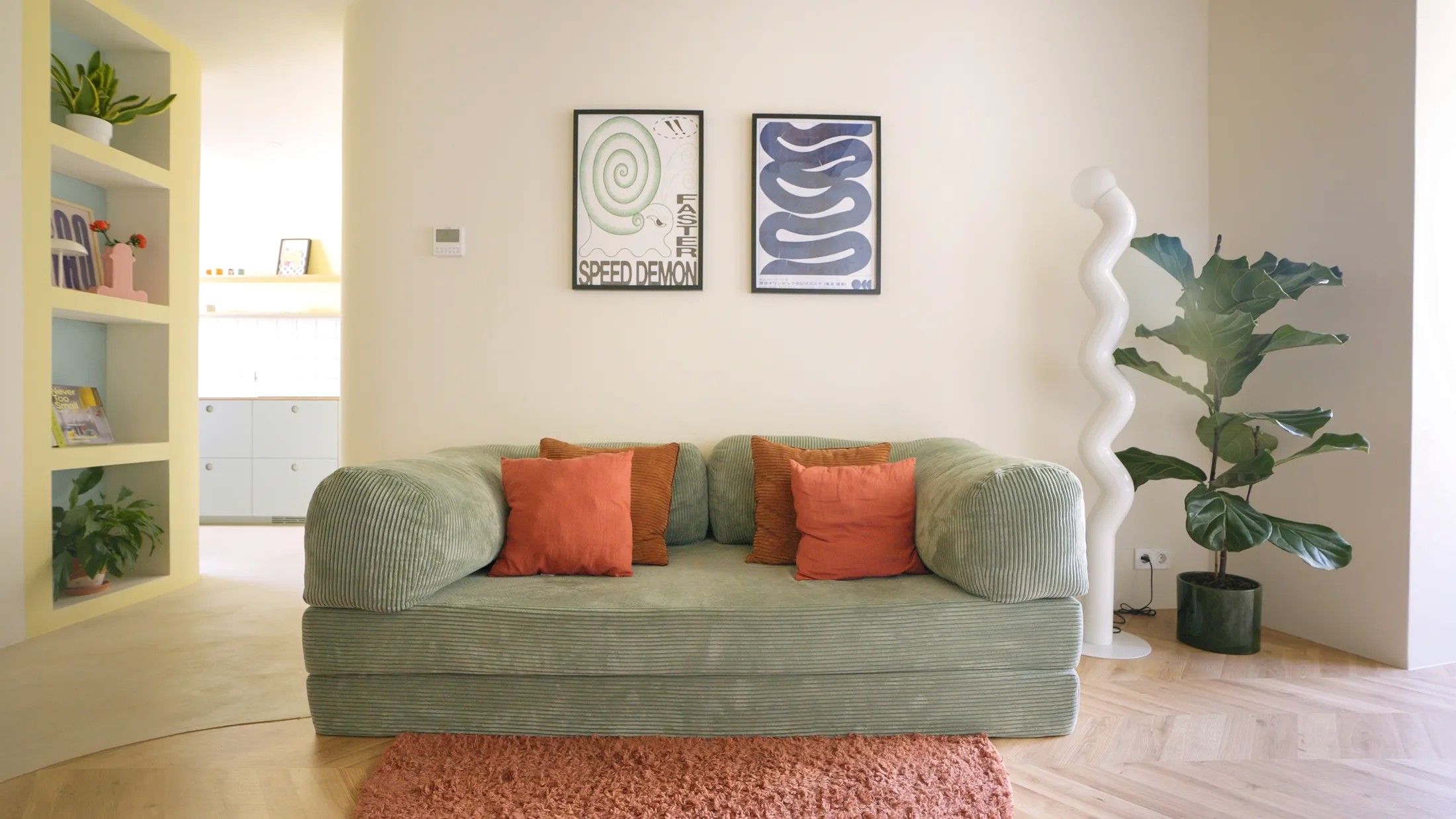
4. The Streamlined Armless & Low-Profile Track-Arm Sofa
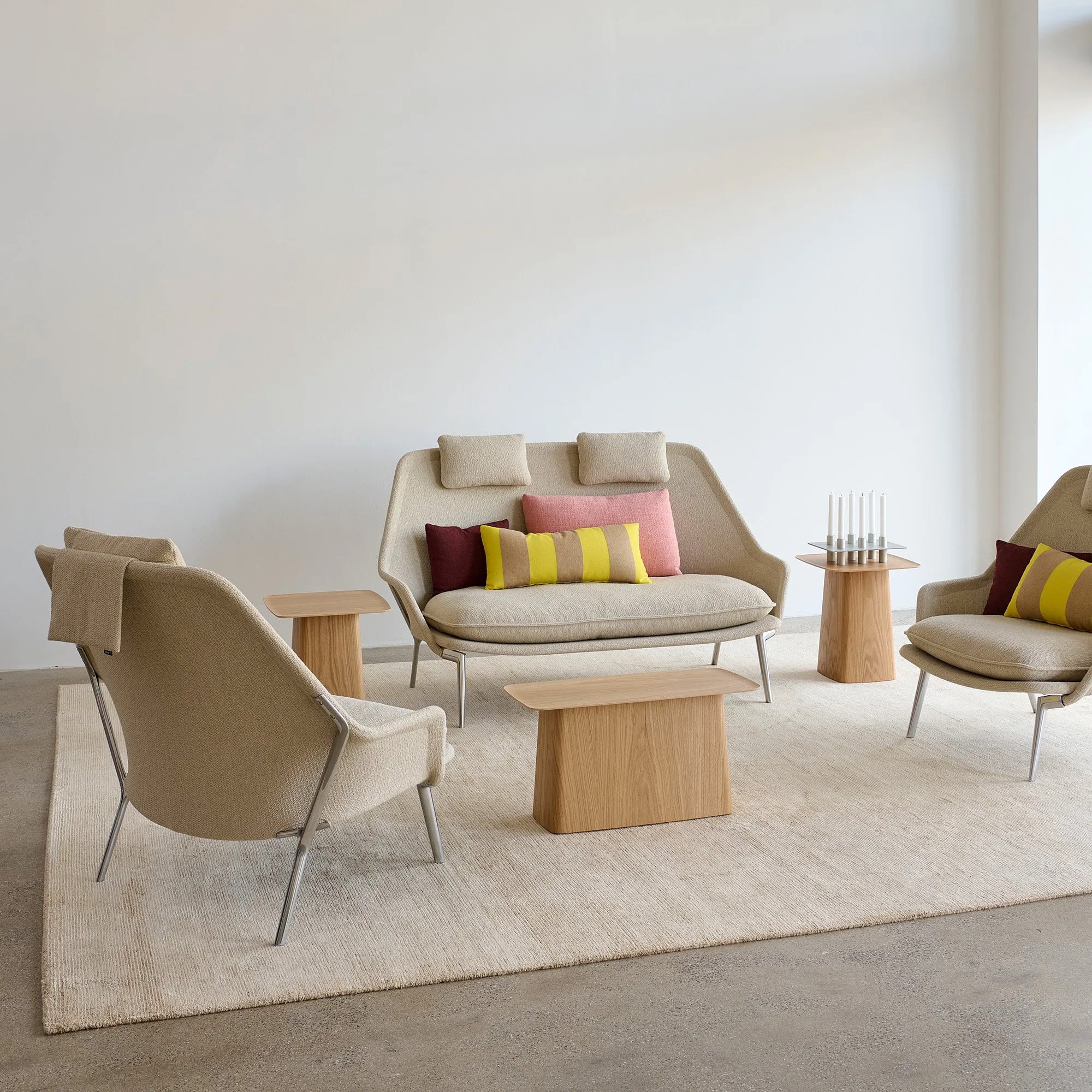
For micro-apartments, open-concept studios, and rooms with low ceiling heights, an armless sofa or an ultra-low-profile track-arm couch delivers maximum visual openness. By completely removing or drastically lowering the arm barriers, this sofa style creates continuous, uninterrupted horizontal sightlines across the room. An armless silhouette makes a small living room feel expansive and breezy because sightlines pass straight through the furniture without visual friction, preventing the boxed-in, heavy feeling caused by bulky traditional upholstery.
When evaluating an armless or low-profile track-arm sofa, prioritize ergonomic back support and durable frame construction. Because there are no side arms to lean against, look for models with gently angled back cushions or contoured lumbar padding that support natural posture during long conversations or reading sessions. Track-arm variations featuring clean ninety-degree vertical edges provide a crisp architectural baseline that tucks flush into corners or sits seamlessly against low window sills without blocking incoming sunlight. Select light, neutral fabrics—such as warm bouclé, textured oatmeal tweed, or soft caramel leather—to enhance the airy, sculptural aesthetic.
This streamlined silhouette is exceptionally well-suited for minimalist spaces, Japandi interiors, sunny alcoves, and open-plan lofts where the sofa floats in the middle of the room rather than resting against a wall. An armless sofa allows people to sit down or slide in from either end effortlessly, making it a fantastic social anchor when entertaining guests. The primary trade-off is the lack of side boundaries: if you love resting your arms on a high padded ledge while watching movies, pairing this sofa with a coordinating side bolster pillow or a slender cantilever side table provides the perfect ergonomic compromise.