25 Entryway Storage Ideas to Keep Your Home Neat & Welcoming
H
Written by Home Style Magic•October 16, 2026•15 min read
Your entryway is the very first space that welcomes you home and greets visiting guests, yet it is notoriously prone to becoming a cluttered drop zone for shoes, coats, backpacks, dog leashes, mail, and everyday essentials. The wonderful news is that you don't need a sprawling foyer or an expensive architectural overhaul to create a peaceful, beautifully organized entrance. With the right entryway storage solutions, even the narrowest hallway or most compact apartment entrance can feel impeccably tidy, functional, and warmly inviting.
From stylish storage benches and slim tilt-out shoe cabinets to vertical wall-mounted coat rails, floating ledges, and woven artisan baskets, there are countless ingenious ways to maximize every square inch of available space. The secret lies in pairing smart, hard-working storage with intentional interior design so everything has a designated home without crowding your walkway.
In this curated guide, you will discover 25 entryway storage ideas tailored for small apartments, busy family homes, open-concept floor plans, and grand foyers alike. Whether your aesthetic is organic modern, rustic farmhouse, sleek minimalist, or classic transitional, these ideas will inspire an entrance that looks stunning and effortlessly serves daily life.
1. Add a Storage Bench with Hidden Compartments
A storage bench is one of the most practical pieces of furniture for an organized entryway. It gives you a comfortable place to sit while putting on or taking off shoes, while the hidden compartment keeps footwear, scarves, gloves, and other accessories completely out of sight.
Choose a bench with a lift-up lid if you want deep, concealed storage, or select a design with smooth-gliding drawers for quick access. A neutral upholstered linen bench creates a cozy, welcoming ambiance, while a warm natural wood bench introduces rich texture and organic charm.
For a polished look, style the bench with a plush seat cushion and add a low slatted shelf or small basket underneath for the pairs you wear every single day. If your hallway is narrow, measure the clearance before purchasing to ensure comfortable walkway circulation.
Best for: Families, busy entrances, and homes that need both comfortable seating and concealed storage.
Shoes are often the biggest source of entryway clutter. A slim shoe cabinet provides a neat, architectural solution by keeping footwear organized behind closed doors without demanding excessive floor square footage.
Look for a cabinet with tilt-out compartments, which store pairs vertically while maintaining a remarkably shallow profile of less than 10 inches deep. Crisp white cabinets work beautifully in bright, minimalist spaces, while warm oak, rich walnut, and fluted black finishes create a sophisticated contemporary statement.
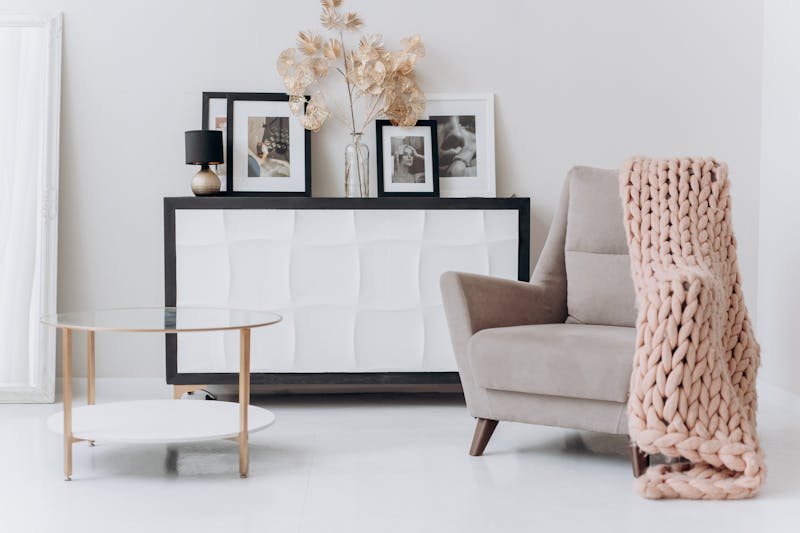
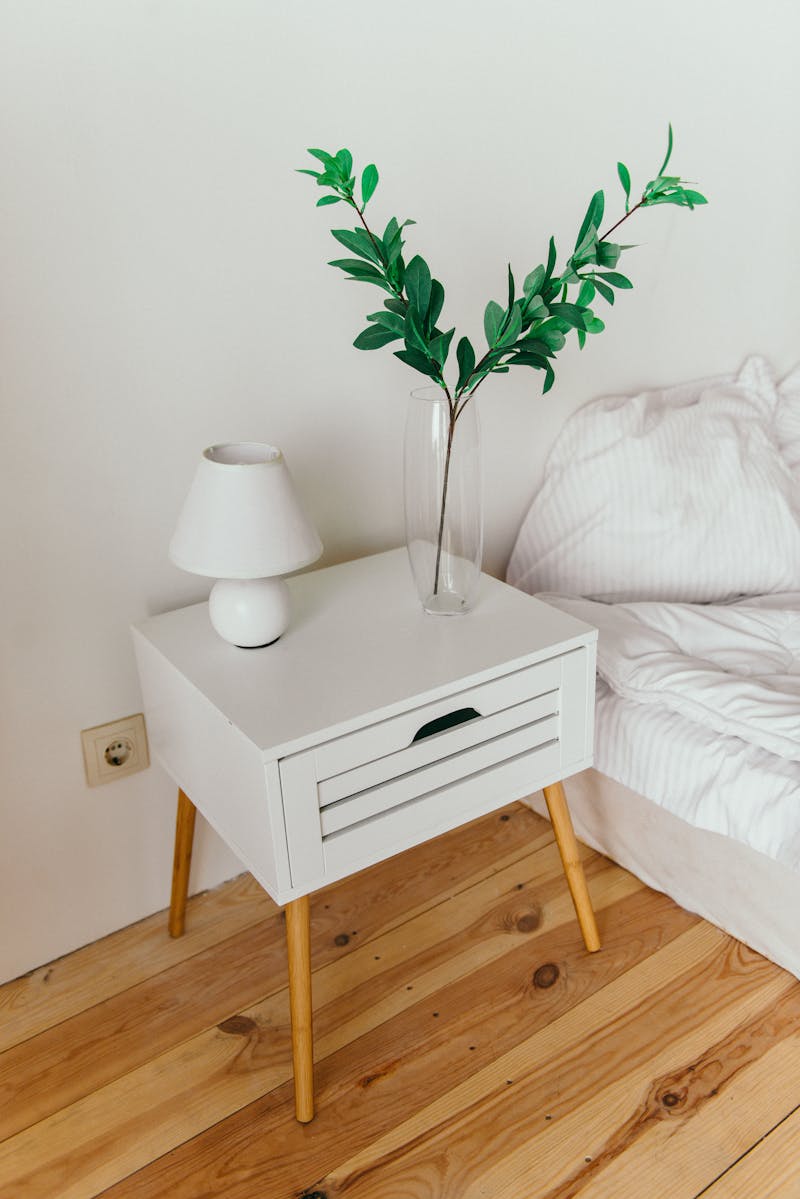
You can style the top surface with a warm ceramic table lamp, an artisan catchall bowl for house keys, or a sculptural vase with fresh olive branches. Keep the tabletop curated so it stays functional rather than becoming another cluttered landing pad.
Best for: Small entryways, compact apartments, and homes with limited floor space.
Wall-mounted hooks offer an effortless way to organize heavy coats, handbags, school backpacks, umbrellas, and dog leashes. By capitalizing on vertical wall space instead of valuable floor area, they keep compact foyers feeling open and airy.
Install a sturdy row of matching hooks at a comfortable height for adults, paired with a secondary lower row that young children can reach independently. A natural wooden coat rail with matte black metal hooks creates a modern farmhouse aesthetic, while brushed brass hardware introduces understated luxury.
Avoid overloading individual hooks to preserve clean lines. Assigning dedicated hooks to each family member helps prevent jackets and bags from piling into a chaotic heap.
Best for: Families, renters, and narrow hallway entrances.
Handcrafted woven baskets are a simple, stylish way to blend organic decorative texture with high-capacity storage. They neatly corral slippers, winter scarves, reusable grocery totes, dog gear, and miscellaneous items that otherwise scatter across the floor.
Tuck one or two structured seagrass or rattan baskets beneath a console table or beside your entryway bench. Choose matching baskets for a tailored, unified look, or mix complementary natural fibers for a relaxed coastal or bohemian feel.
Lidded baskets are wonderful when you want to conceal visual clutter completely, while open-top baskets make frequently grabbed items easy to retrieve. Add subtle leather or chalkboard tags if multiple family members share the space.
Best for: Farmhouse, bohemian, coastal, and organic modern interiors.
An entryway console table establishes a stylish, dedicated landing zone the moment you cross the front threshold. It holds keys, sunglasses, daily mail, a welcoming table lamp, and scented diffusers without requiring a bulky footprint.
For superior organization, choose a console equipped with shallow top drawers and a lower open shelf. Place a small marble or leather tray on top to gather keys and wallets, and slide woven baskets underneath for shoes and canvas totes.
In a narrow entryway, a shallow waterfall or minimalist metal console keeps walkways unobstructed. Pair it with an oversized arched or round wall mirror above to reflect outdoor light and visually double the depth of the foyer.
Best for: Homes that need a stylish, functional drop zone for small daily essentials.
When square footage is tight, taking advantage of vertical height is the smartest design strategy. Tall shelving towers, wall-mounted cubbies, and stacked modular cabinets utilize empty vertical wall planes that would otherwise go to waste.
A harmonious blend of closed lower cabinets and open upper shelves delivers ideal balance. Keep everyday grab-and-go items at eye level, display decorative pottery and books higher up, and stow heavier gear in sturdy lower compartments.
Incorporate uniform storage bins on higher shelves to keep seasonal hats, mittens, and flashlights organized. Leave breathing room around decorative accents to maintain a serene, uncluttered aesthetic.
Best for: Small homes, narrow corridors, and entryways with tall ceilings.
7. Build a Mini Mudroom in Your Entryway
You don't need a sprawling separate utility room to enjoy the benefits of a mudroom. A single dedicated section of wall can be transformed into a high-functioning mini mudroom with a compact bench, coat hooks, shoe cubbies, and overhead shelving.
Start with a well-proportioned bench that fits your wall niche. Mount a row of double coat hooks directly above it, then install a floating shelf with storage baskets overhead for hats and seasonal outerwear. Place a washable boot tray underneath the bench to catch rainwater and dirt.
Select hardwearing, wipe-clean finishes that withstand heavy daily traffic. A stain-resistant indoor/outdoor runner rug adds warmth while protecting wood floors from damp footprints.
Best for: Busy households, pet parents, and families needing an efficient daily launch pad.
8. Add Floating Shelves for a Light, Airy Look
Floating wall shelves deliver functional storage without the visual weight of bulky freestanding cabinetry. They perform exceptionally well above a shoe bench, adjacent to the front door, or in narrow passageways where deep furniture would feel obstructive.
Use floating ledges to hold small storage baskets, framed family photography, ceramic catchall dishes, or a trailing potted pothos plant. A single minimalist ledge creates an understated focal point, while two or three stacked shelves provide substantial storage.
Always secure floating shelves into wall studs with heavy-duty hidden brackets to ensure stability. Keep everyday essentials within arm's reach and avoid placing fragile objects directly over seating areas.
Best for: Minimalist homes, compact apartments, and contemporary entryways.
9. Organize Shoes in Individual Cubbies
Individual shoe cubbies eliminate morning doorway traffic jams by giving every family member a dedicated compartment for their footwear. Instead of shoes tumbling into a tangled pile, each pair has an assigned home.
Select a low, wide cubby unit that doubles as a casual bench seat, or choose a taller vertical tower when floor footprint is limited. Labeling each opening with nameplates or assigning color-coded canvas bins fosters neat daily habits in children.
Measure your household's footwear before purchasing, particularly if you need compartments tall enough for ankle booties, work boots, or large athletic sneakers. Removable shelf dividers offer welcome flexibility.
Best for: Large families, children's school shoes, and busy shared entrances.
10. Install an Over-the-Door Organizer
An over-the-door hanging organizer is a brilliant zero-footprint solution that requires no wall anchors or drilling. It transforms the hidden back of an entryway coat closet door into multi-tiered vertical storage.
Heavy-duty fabric or transparent vinyl pockets can store winter beanies, gloves, sunglasses, lint rollers, compact umbrellas, dog leashes, and everyday lightweight canvas shoes.
Ensure the top hanging brackets fit snugly over your door frame without preventing the door from closing smoothly. Keep heavier items in lower pockets to maintain balance and prevent swinging when the door opens.
Best for: Renters, dorm rooms, small apartments, and compact coat closets.
11. Use a Full-Length Mirror with Storage
A full-length mirror serves a vital role in any entryway by providing a final head-to-toe outfit check while reflecting natural sunlight to make tight foyers feel luminous and expansive.
Innovative multifunctional mirrors incorporate hidden rear shelving, swing-out jewelry and key cabinets, or integrated lower shoe racks. If you already have a favorite floor mirror, pair it beside a slim vertical shoe cabinet for the exact same space-saving effect.
Position the mirror perpendicular or opposite to your front door or adjacent window to maximize reflected outdoor daylight. Always anchor tall leaning or hanging mirrors securely to wall studs for peace of mind.
Best for: Studio apartments, narrow entry halls, and style-conscious dressing areas.
12. Create a Dedicated Key and Mail Organizer
Incoming mail, packages, keys, and receipts are among the quickest culprits to clutter up entryway tabletops. A dedicated wall-mounted mail sorting station instantly restores order.
Look for a compact wall organizer combining tiered letter slots, brass key hooks, and a shallow ledge for sunglasses and lip balm. If you enjoy simple DIY projects, combine a stained wood floating ledge with screw-in cup hooks underneath.
Establish a weekly habit of sorting incoming mail immediately—recycling circulars and filing bills—so paperwork never morphs into an overwhelming mountain near the front door.
Best for: Busy professionals, active families, and anyone prone to misplacing keys.
13. Choose a Narrow Entryway Cabinet
A narrow freestanding cabinet delivers significantly more concealed storage than an open console table while occupying a modest floor footprint. It neatly conceals dog supplies, workout gear, winter woolens, and tote bags behind handsome doors.
Select a cabinet featuring adjustable interior shelves so you can reconfigure heights for tall rain boots or bulky backpacks. Choosing fluted wood, cane webbing, or mirrored door panels adds high-end architectural appeal without closing in the hallway.
Check door-swing clearances carefully prior to installation to ensure doors open fully without bumping baseboards, front doors, or nearby coat racks.
Best for: Homes seeking full concealment of daily clutter within compact square footage.
14. Add a Decorative Umbrella Stand
Wet umbrellas leaning haphazardly against walls can ruin baseboards, leave damp puddles on hardwood floors, and look messy. A dedicated umbrella stand provides a stylish, orderly resting spot.
Choose a tall, slender vessel crafted from powder-coated iron, glazed ceramic, or hammered brass. Look for designs with an internal removable drip tray to collect water and protect your floors from moisture damage.
Tuck the stand directly adjacent to the doorway, just outside the main walking path, and keep both compact folding umbrellas and tall walking canes neatly arranged inside.
Best for: Rainy climates, traditional foyers, and moisture-conscious homeowners.
If your entryway features a bench, capitalizing on the open cavity beneath the seat prevents that space from turning into an untidy shoe drop. Deep drawers or sliding bins turn under-bench voids into accessible storage compartments.
Smooth-rolling drawers keep pet leashes, bike helmets, shoe-care kits, and winter gloves separated and dust-free. If your bench has an open lower shelf, heavy woven bins sized to fit snugly create the identical tailored drawer aesthetic.
Keep the top bench surface clean and available for sitting by adding an upholstered cushion and a couple of textured lumbar pillows rather than stacking it with clutter.
Best for: Homes with an existing bench and numerous small outdoor accessories.
16. Install a Pegboard Storage Wall
A custom wooden or metal pegboard transforms a blank entryway wall into a fully modular, endlessly customizable organization center. Movable wooden pegs, small shelves, and wire bins allow you to reconfigure your setup at a moment's notice.
Hang tote bags, bicycle helmets, sun hats, and umbrellas from sturdy dowel pegs, while using shallow clip-on shelves for sunglasses, mail, and mini succulents. As seasonal needs shift, simply reposition the pegs without drilling new holes.
Paint the pegboard in a warm accent color to make a bold design statement, or seal natural birch plywood for a calm Japandi or Scandinavian look. Ensure the board is firmly anchored into wall studs.
Best for: Creative homeowners, flexible family drop zones, and dynamic seasonal storage.
17. Create a Seasonal Storage System
An entryway functions at peak efficiency when it only houses items relevant to the current weather. Heavy down parkas and snow boots do not belong in your front foyer during sweltering July heatwaves.
Establish a seasonal rotation system: store off-season outerwear, beach towels, and winter gear in labeled bins on upper closet shelves or in under-bed boxes. Keep only the 2 to 3 jackets and pairs of footwear currently in active rotation near the door.
A quick bi-annual audit every spring and autumn gives you the perfect opportunity to declutter outgrown kids' shoes and donate coats your family no longer wears.
Best for: Homes in distinct four-season climates and compact entryways with limited capacity.
18. Repurpose a Bookcase as Entryway Storage
A slim, standard bookcase can easily take on a new identity as a sophisticated entryway storage unit with zero carpentry required. Its tiered, evenly spaced shelving creates distinct zones for footwear, accessories, and decorative styling.
Dedicate lower shelves to heavy storage bins or paired everyday shoes, middle shelves to catchall trays and handbags, and top shelves to framed artwork, a small stack of books, and trailing house plants.
Always anchor tall bookcases to wall studs using anti-tip furniture straps, particularly in homes with children or pets. Maintain a light, curated aesthetic by avoiding crammed shelves.
Best for: Budget-conscious decorators, apartment renters, and adaptable modular setups.
19. Make a Small Entryway Work with a Corner Shelf
Awkward entryway corners frequently sit empty and neglected. Installing a tiered corner shelving unit captures valuable vertical storage in tight spaces without infringing on main doorways.
A floating corner shelf can cradle a ceramic key bowl, sunglasses tray, and small table lamp, keeping walkways open while providing the essential drop zone every entrance requires.
Keep corner styling intentional: a minimalist arrangement of one or two functional items and a small vase looks elegant, while overcrowding a corner quickly makes an entryway feel cramped.
Best for: Tiny foyers, studio apartments, and awkward architectural nooks.
20. Add a Wall-Mounted Shoe Rack
Wall-mounted shoe rails elevate footwear entirely off the ground, creating a floating, airy look that makes narrow hallways appear significantly wider while making floor cleaning effortless.
Slender powder-coated metal rails or natural wood dowels hold sneakers, flats, and slip-ons securely by their heels or toes. Keeping the floor surface unobstructed allows robot vacuums and brooms to glide through without moving furniture.
Mount the racks at accessible heights, positioning children's pairs near the bottom and adult styles higher up. Consider pairing the rack with a washable runner rug below to protect baseboards.
Best for: Ultra-narrow entryways, minimalist interiors, and homes prioritizing easy floor maintenance.
21. Style the Entryway with a Storage Ottoman
A plush upholstered storage ottoman offers a chic, comfortable alternative to hard wooden benches. Its padded top provides comfortable seating while concealing blankets, slippers, seasonal hats, and gym gear inside.
Select performance fabrics like textured bouclé, stain-resistant velvet, or durable faux leather that can easily withstand daily use. A compact rectangular or bench-style ottoman slides effortlessly against entry walls without overwhelming the room.
Make sure the ottoman lid hinges smoothly and stays open safely while retrieving items. In small foyers, an ottoman adds cozy boutique warmth while working hard behind the scenes.
Best for: Cozy contemporary homes, modern apartments, and spaces needing flexible seating.
22. Use Matching Storage Bins for a Clean Look
Uniform storage containers create instant visual calm on open shelves. Grouping mismatched winter gloves, dog accessories, reusable shopping bags, and workout gear into identical bins creates a neat, designer look.
Choose structured bins that fit the shelf depth and height neatly with minimal wasted space. Natural canvas, textured felt, and woven paper rope bins add warmth while shielding daily clutter from view.
Affix subtle, matching label tags so every household member can find and return items effortlessly. Simple, legible labels prevent bins from turning into disorganized mystery boxes.
Best for: Open entryway shelving, family drop centers, and budget-friendly organization.
23. Turn the Space Under the Stairs into Storage
If your front door opens near a staircase, the triangular architectural cavity beneath the steps offers immense storage potential. Custom pull-out drawers, built-in coat closets, or deep cubbies make extraordinary use of this dead space.
Configure stepped drawers to mirror the incline of the stair stringer: use tall vertical pull-outs for full-length trench coats and sports gear, and shallower lower drawers for shoe collections and dog-walking accessories.
Matching cabinet faces and trim to surrounding hallway walls creates a seamless, disguised architectural feature that keeps the entrance look flawlessly streamlined.
Best for: Two-story homes, townhouses, and homeowners planning long-term built-in renovations.
24. Create a Stylish Entryway with a Ladder Shelf
A leaning ladder shelf brings architectural interest, casual charm, and vertical utility to an entryway without dominating valuable floor area.
Its graduated tiers offer graduated depth: use deeper bottom rungs for sturdy woven storage baskets holding hats and footwear, while reserving narrower top ledges for keys, small picture frames, and trailing ivy plants.
Select a sturdy ladder rack with non-marking rubber feet and top wall anchors to guarantee total stability. The open-sided design keeps sightlines clear, ensuring entryways feel spacious and bright.
Best for: Bohemian, Scandinavian, and modern farmhouse homes seeking vertical charm.
25. Design a Custom Entryway Storage Wall
For the ultimate in organization and tailored craftsmanship, a built-in entryway storage wall unites cabinets, open cubbies, coat hooks, shoe drawers, and integrated bench seating into one cohesive architectural masterpiece.
Customize internal compartments around your family's exact daily routine: tall wardrobes for heavy winter coats, low pull-outs for footwear, and open niches for quick drop-and-go convenience. Add integrated warm LED backlighting to elevate the boutique feel.
You don't necessarily need full custom millwork to achieve this look. Combining modular flat-pack cabinets, a sturdy wood bench, and matching crown moulding can deliver an identical bespoke aesthetic at a fraction of the cost.
Best for: Busy family households, spacious foyers, and homeowners making a lasting investment in organization.
How to Choose the Best Entryway Storage for Your Home
Selecting the optimal storage furniture begins with analyzing your entryway's spatial layout, understanding your family's morning departure routine, and identifying what items routinely create clutter.
Measure Available Floor Space
Measure length, wall width, and passage depth before buying furniture. Account for front door swings, closet doors, and nearby staircases so high-traffic walkways remain comfortably open.
Audit What Needs to Be Stored
Catalog the specific items that collect near your front door: shoes, jackets, bags, keys, mail, umbrellas, and pet supplies. Prioritize specialized furniture targeting your biggest clutter culprits first.
Harmonize Open & Closed Storage
Open hooks and low shelves deliver fast grab-and-go accessibility, while closed cabinets and woven baskets conceal everyday visual chaos to keep your entrance looking serene and pristine.
Match Your Interior Style
Choose finishes that echo your overarching home aesthetic: clean lines and matte black metal for modern spaces, natural white oak and woven rattan for coastal or Japandi, and paneled wood for traditional foyers.
Set a Realistic Incremental Budget
Begin with affordable essentials like heavy-duty wall hooks, a key tray, and textured baskets. Add larger investments like an upholstered storage bench or slim shoe cabinet gradually as needs develop.
Simple Tips to Keep Your Entryway Organized
Return items immediately: Hang coats on their assigned hooks, drop keys into the dish, and stow shoes in their compartments the moment you walk through the door.
Keep floor pathways clear: Limit shoes by the entrance to only the pairs actively worn this week, migrating off-season footwear to closets.
Sort incoming mail immediately: Immediately recycle junk flyers and file bills in home office drawers to prevent paperwork mountains on console tables.
Conduct seasonal rotations: Store winter down coats, heavy scarves, and snow boots out of sight when spring arrives to keep your entrance light and breezy.
Clean baskets and surfaces periodically: Wipe down entry shelves, shake out runner rugs, and vacuum basket interiors to prevent outdoor dust buildup.
Avoid overfilling compartments: When storage units reach capacity, audit contents and donate items your family has outgrown or no longer uses.
Create child-accessible zones: Install low hooks and label bottom cubbies so kids can independently hang backpacks and put away school sneakers.
Final Thoughts
An organized entryway establishes a tranquil, orderly tone for your entire home while creating an unforgettable first impression for guests. You don't need an expansive grand foyer or an extravagant custom renovation to achieve this goal.
Thoughtful additions like an upholstered storage bench, a slim tilt-out shoe cabinet, a row of brass coat hooks, or textured seagrass baskets can effortlessly solve common clutter headaches. By pairing functional storage with warm lighting, an elegant wall mirror, and natural decor accents, your entryway will become a welcoming, neat, and joyful threshold every time you come home.
Frequently Asked Questions
What is the best storage for a small entryway?
A slim tilt-out shoe cabinet, wall-mounted coat hooks, floating shelves, and a narrow console table are the best choices for small entryways. They deliver high-capacity organization while keeping floor pathways clear and unobstructed.
How can I make my entryway look less cluttered?
Assign a dedicated home for every daily item, conceal small accessories inside matching woven baskets or closed cabinets, and keep surfaces mostly clear with just a small catchall tray for keys. Restricting footwear near the door to active pairs makes an immediate visual difference.
How do I organize shoes near the front door?
Use a slim tilt-out shoe cabinet, individual low cubbies, or a storage bench with pull-out drawers. Keep only 2 to 3 high-rotation everyday pairs per person near the entrance, migrating off-season and formal shoes to bedroom closets or under-bed bins.
What essentials should I keep in an entryway?
Essential entryway items include frequently worn jackets, daily shoes, keys, sunglasses, a compact umbrella, outgoing mail, and pet leashes. Keep only what you reach for daily so the entrance does not become a general household dumping ground.
How can I add entryway storage without drilling holes?
Freestanding storage benches, slim shoe cabinets, storage ottomans, bookcases, freestanding coat racks, and over-the-door organizers provide substantial storage without requiring any wall drilling or damaging paint.
How can I make my entryway feel warm and welcoming?
Combine functional storage with warm ambient lighting, a decorative wall mirror to amplify daylight, a cozy bench cushion, a textured washable runner rug, and a vase of fresh greenery or an aromatic reed diffuser.
Is an entryway storage bench worth the investment?
Yes. An entryway storage bench combines comfortable seating with hidden compartments for shoes, scarves, and accessories in a single footprint, making it one of the highest-value furniture pieces for family entrances and mudrooms.