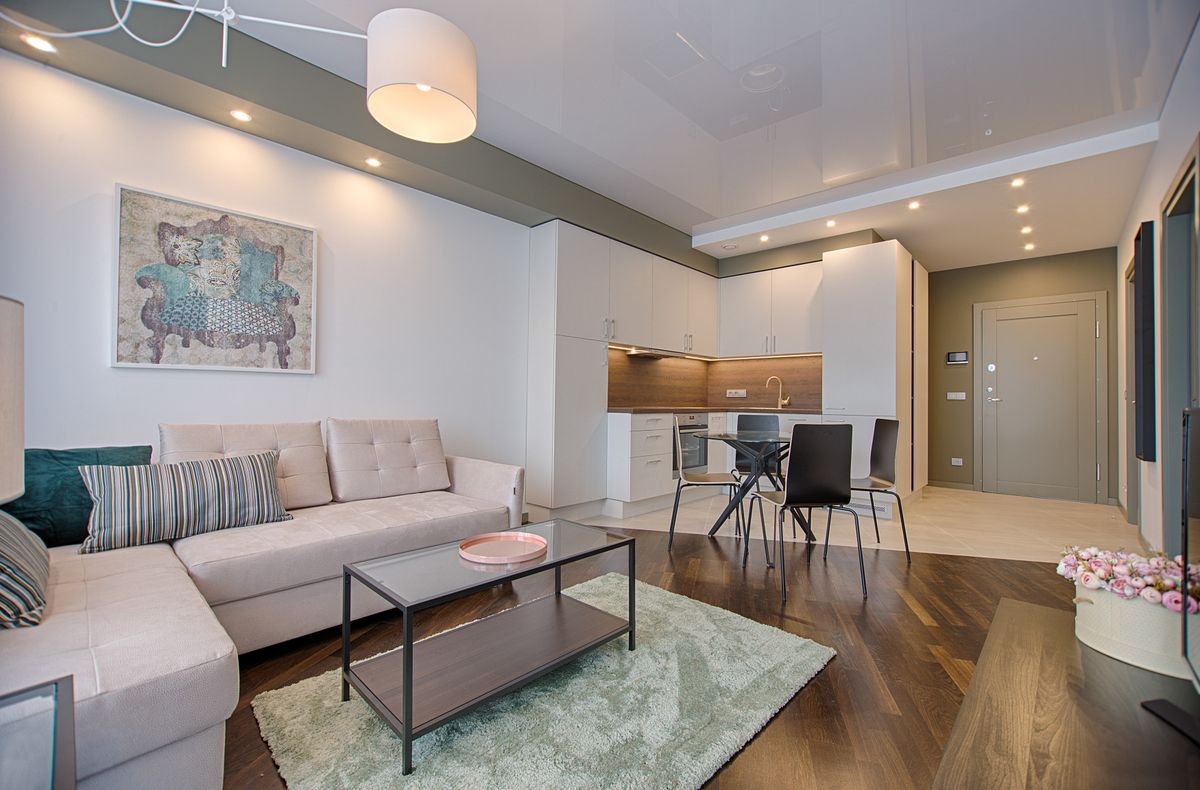
1. Warm Minimalism: Earthy Tones Over Stark White
In 2026, stark white is being replaced by a warmer, softer color palette. Designers are opting for earthy tones like sand, oatmeal, warm beige, and soft taupe. These colors create a relaxing, cocoon-like atmosphere while maintaining a clean, clutter-free look. Using warm neutrals ensures your minimalist living room feels cozy and inviting, rather than clinical or cold, especially when paired with natural oak flooring and soft ambient lighting.
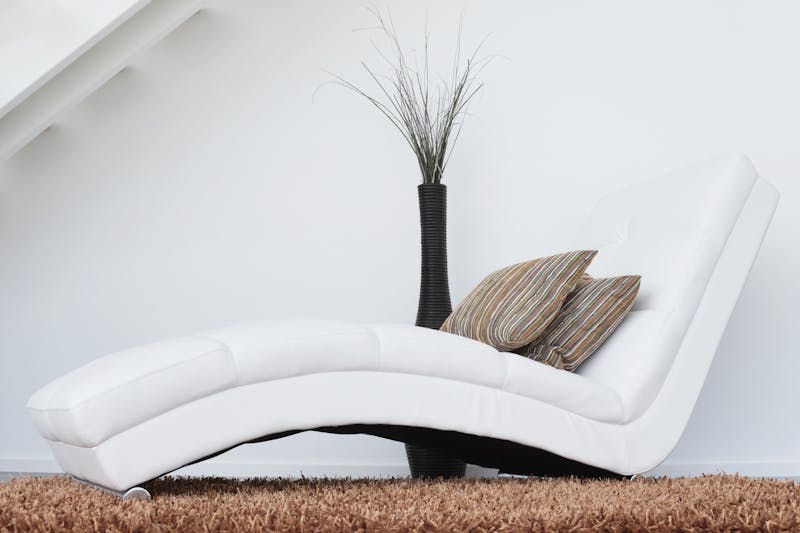
2. Curved, Low-Profile Furniture Silhouettes
Sharp, rigid edges are giving way to curved, organic silhouettes in 2026. Low-profile sofas and accent chairs with rounded shapes add a gentle flow and comfort to the living room. These softer contours break up the straight lines of minimalist architecture, making the seating arrangement look more inviting. Look for pieces upholstered in textured fabrics like bouclé or linen to enhance this soft, organic feel.

3. Textured Natural Plaster and Limewash Walls
Flat, painted drywall can make minimalist spaces feel flat. In 2026, textured plaster and limewash finishes are trending. These finishes introduce a subtle, chalky texture and depth to the walls, reacting beautifully to natural light. By replacing flat paint with plaster, you create a tactile background that adds interest to the room without relying on wallpaper or unnecessary decor.

4. A Single, Sculptural Statement Armchair
Minimalist design is about making every item count. Rather than crowding the room with accent chairs, choose a single, sculptural statement armchair. This piece acts as functional art, catching the eye and adding personality. Look for unique shapes, interesting materials, or a contrasting texture that stands out against your neutral sofa and grounds the room's seating area.
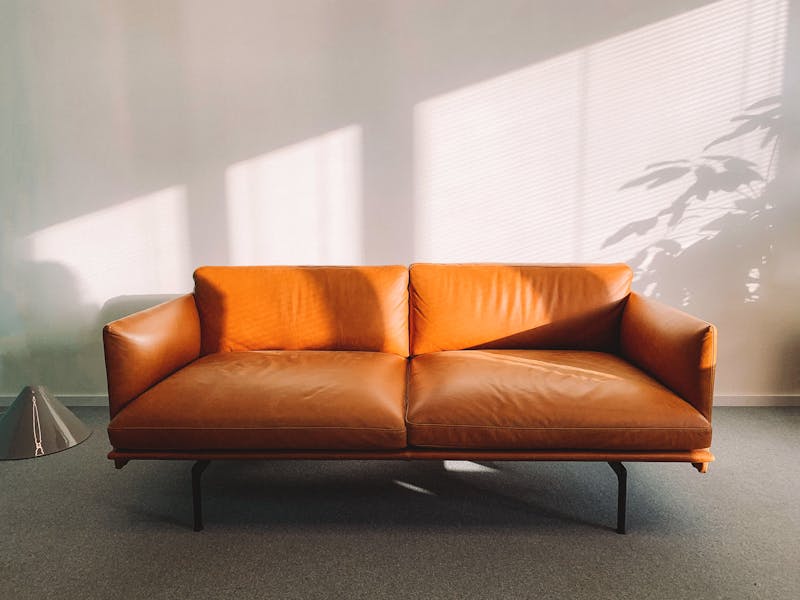
5. Matte, Tactile Textures Over Glossy Surfaces
High-gloss finishes can make a room feel cold and impersonal. In 2026, designers are prioritizing matte, tactile textures. Hardwood coffee tables with a wire-brushed finish, matte ceramic vases, honed stone tiles, and natural textiles add a cozy, organic feel. These low-sheen surfaces absorb light softly, contributing to a relaxing, comfortable environment.
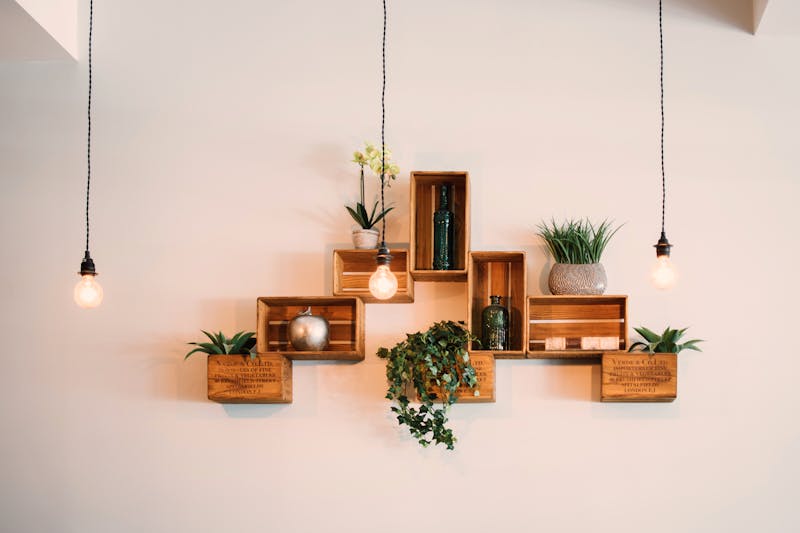
6. Hidden, Integrated Storage Systems
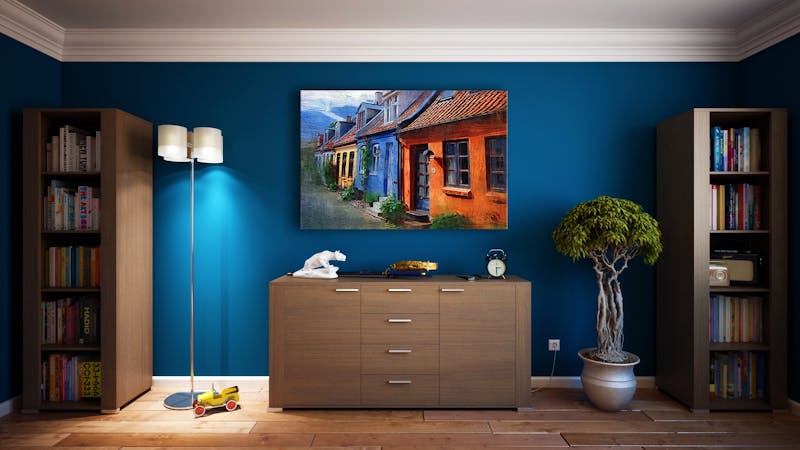
A true minimalist living room requires a place for everything. Hidden, integrated storage is a major trend for 2026. Floor-to-ceiling cabinetry with touch-latches or hidden tracks allows you to store books, media equipment, and toys out of sight. This clean, seamless look keeps the space feeling open, calm, and organized, while keeping clutter hidden away.
7. Warm Metal Accents: Unlacquered Brass and Bronze
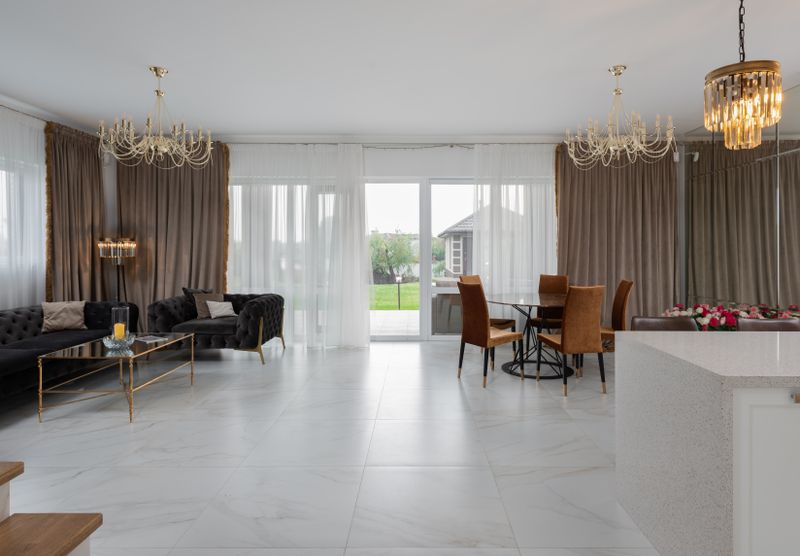
Chrome and polished steel can feel clinical. In 2026, designers are turning to warm metals like unlacquered brass, bronze, and brushed copper for minimalist living rooms. These metals develop a beautiful patina over time, adding a sense of history and warmth. Use them sparingly on light fixtures, furniture legs, or small decor accents to add subtle contrast.
8. Oversized, Minimal-Frame Line Art
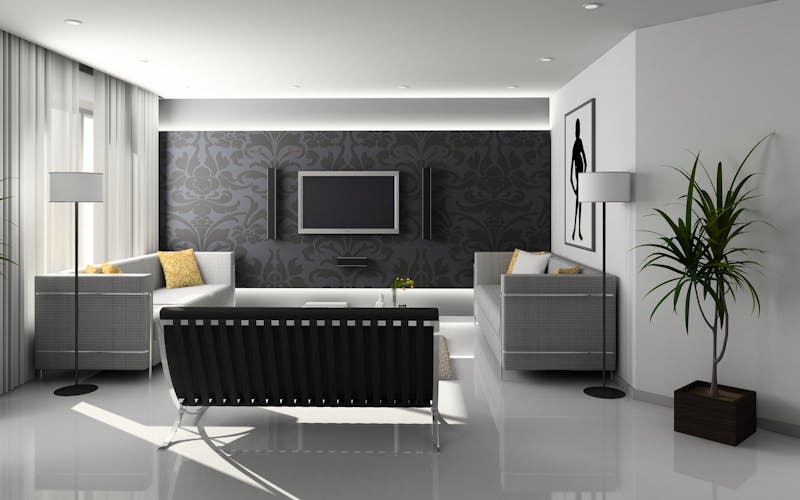
To avoid a cluttered look, swap small gallery walls for a single, oversized piece of minimal-frame line art. Large art draws the eye and makes the room feel taller. Choose simple, expressive line drawings or abstract shapes in a neutral color palette. Framing the piece in a thin wood or black metal frame keeps the focus on the artwork itself.
9. A Muted Tonal Color Palette
Creating a beautiful minimalist room relies on a muted tonal color palette. Focus on layers of a single color family, such as greige, sand, or warm grey. By varying the shade and texture of your sofa, walls, and rugs, you build a space that feels rich and interesting without relying on bright colors. This approach creates a soothing, cohesive look.
10. Sustainable and Natural Fiber Textiles
In 2026, sustainability is a key part of interior design. Choosing natural fiber textiles like organic linen, hemp, and wool is a great way to align with this trend. These materials add a raw, organic texture to your seating and window treatments. Their natural imperfections add character, making the space feel lived-in and comfortable.
11. Low-Profile Modular Sofas
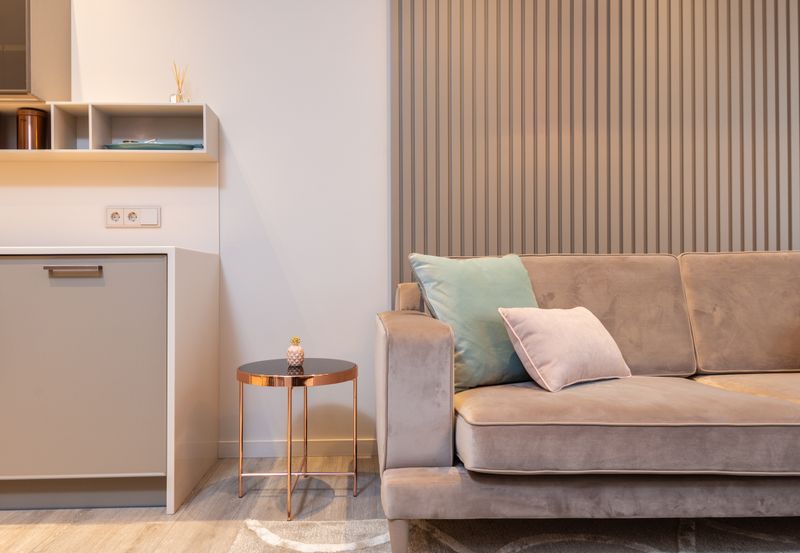
Low-profile modular sofas are a major trend for 2026. These sofas sit close to the floor, creating a casual, comfortable vibe. Their modular design allows you to easily rearrange the sections to fit your living room's layout, providing flexibility. Opt for neutral, textured fabrics to maintain a clean, modern aesthetic.
12. Monolithic Travertine Coffee Tables
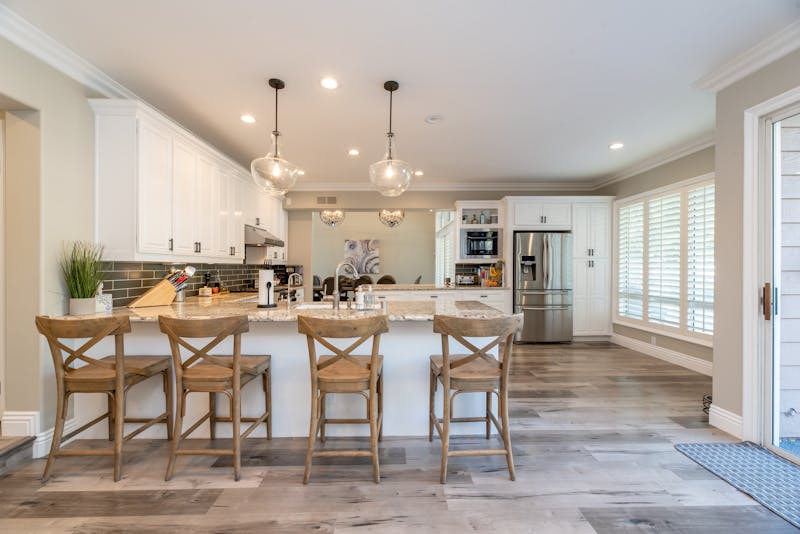
Travertine and honed marble coffee tables are a great way to add a luxurious touch to a minimalist living room. In 2026, monolithic shapes with solid, block-like structures are trending. The beautiful natural veining and porous texture of travertine introduce organic detail, keeping the table relevant and interesting without needing extra decor.
13. Fluted Wood Accent Paneling
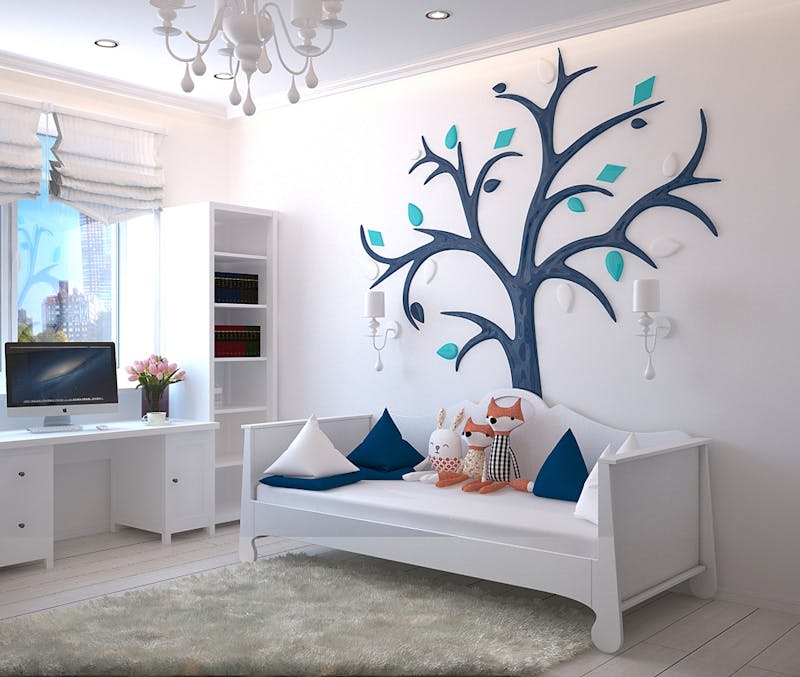
To add texture and warmth, consider fluted wood accent paneling. Thin vertical wood slats add linear detail to a single wall or fireplace surround, drawing the eye upward. This technique introduces architectural interest and natural wood grain, keeping the focus on texture rather than cluttering the space with artwork or paint colors.
14. Hidden, Integrated LED Light Strips
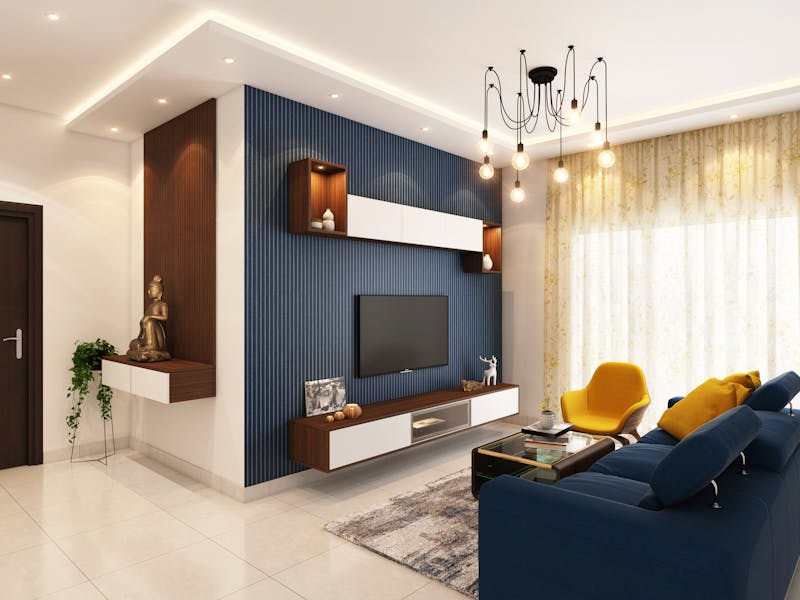
In 2026, lighting is integrated directly into the architecture. Hidden LED strips installed along ceiling coves, behind floating shelves, or under media consoles cast a soft, indirect glow. This ambient lighting softens the room's edges and creates a cozy, relaxing mood in the evening, without needing bulky light fixtures.
15. Large Statement Potted Plants
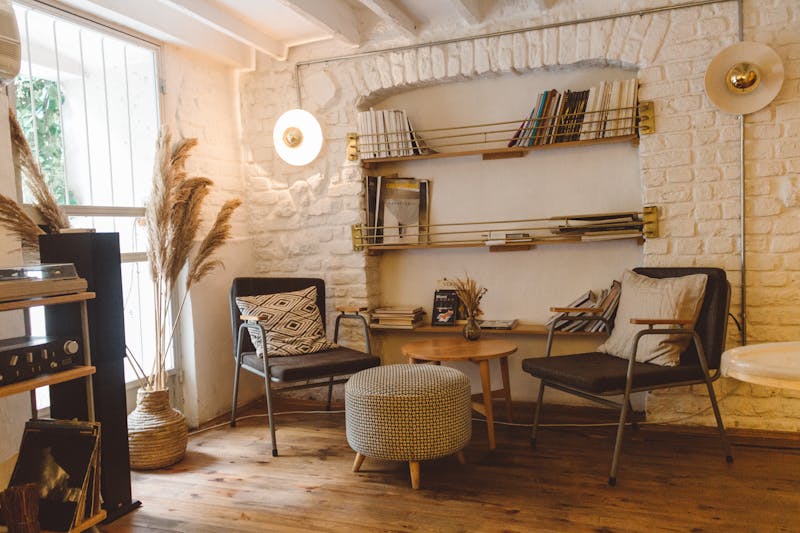
Rather than cluttering the room with small plants, select a single, large statement plant. A tall Olive Tree, Fiddle Leaf Fig, or structural Dracaena placed in a corner introduces organic lines and color. Sourcing a beautiful, large planter in terracotta or stone ensures the plant looks like a natural extension of the room's design.
16. Wabi-Sabi Organic Ceramics
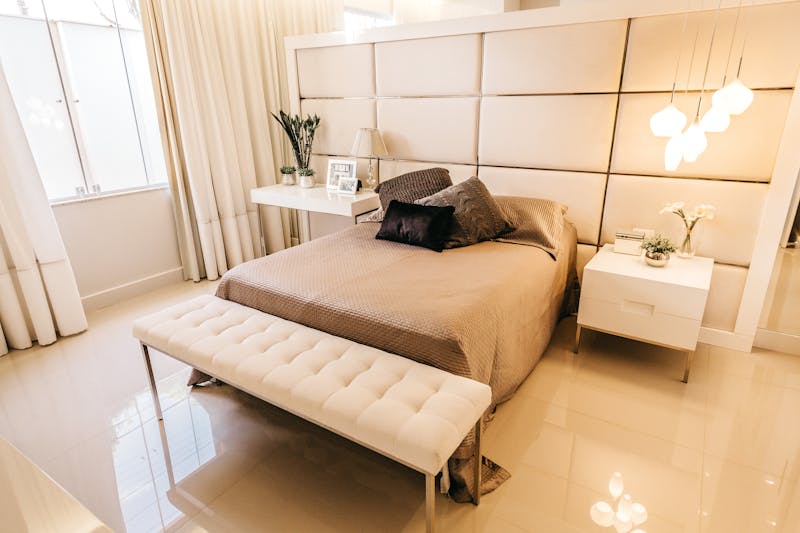
Wabi-sabi principles remain highly influential in 2026 design. Displaying handmade, irregular ceramic vessels on your tables or shelves is a great way to add organic detail. These pieces embrace imperfections, showing raw clay textures and asymmetric shapes that introduce character and a sense of craft to your minimalist space.
17. Minimalist Floating Wood Shelves
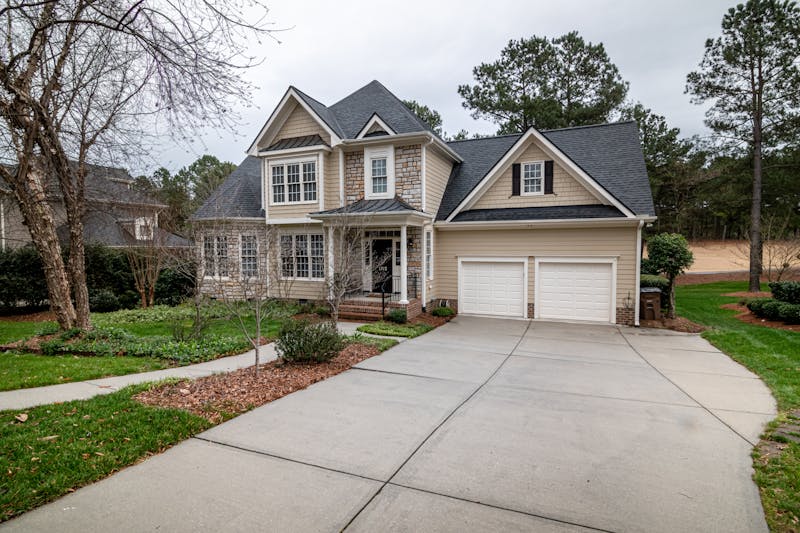
Floating shelves are a great alternative to bulky bookcases. Thin floating shelves in oak or walnut provide a clean, modern way to display a few books and objects. Keeping the styling sparse—with plenty of empty space between items—ensures the shelves look light, airy, and integrated into the wall architecture.
18. Expansive Floor-to-Ceiling Windows
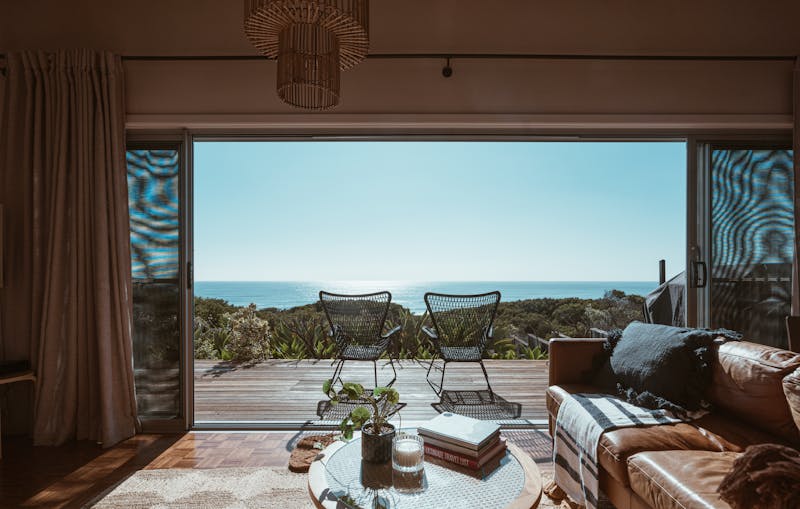
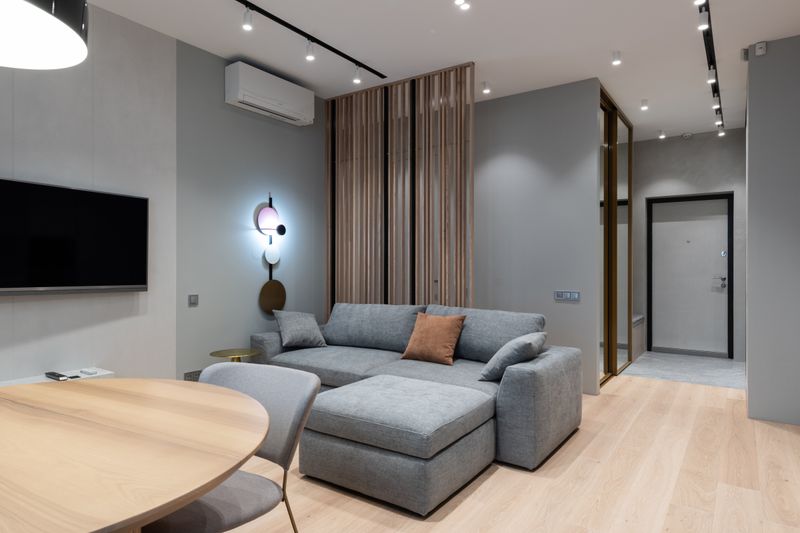
Connecting your living room to the outdoors is a major minimalist goal. Floor-to-ceiling windows flood the space with natural light, making the outdoors the primary artwork. Keeping window treatments minimal—such as sheer neutral drapes or hidden motorized roller shades—ensures you get clean, open views and maximum light.
19. Layered Linen and Bouclé Fabrics
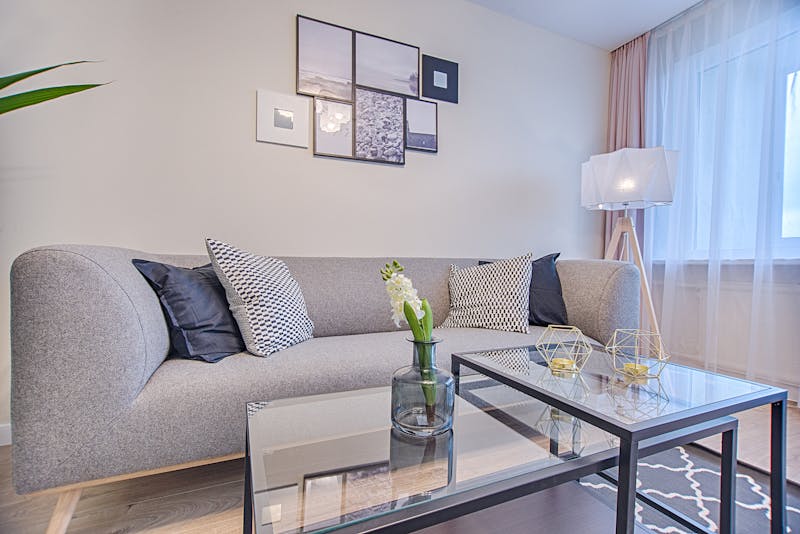
Using a mix of different fabrics is key to creating a cozy minimalist living room. Layering linen, bouclé, and soft wool on your seating, curtains, and pillows adds comfort. These natural fabrics soften the room's edges and create a warm, inviting environment, keeping the design interesting without needing bright patterns.

20. Earthy Ochre and Terracotta Accents
To add a touch of color to your neutral palette, consider earthy accents like ochre, rust, and terracotta. Using these warm shades on small items like throw pillows, ceramic bowls, or art prints adds contrast and character. These colors coordinate beautifully with warm oak wood and beige walls, preserving the cozy, minimalist look.
