1. Grouping Items in Odd Numbers
Create visual balance by grouping decorative items in odd numbers, like sets of three or five. Placing a ceramic vase, a small wood object, and a stack of books together forms a natural triangle shape that is pleasing to the eyes. This styling technique avoids the rigid look of even pairings, making the shelf arrangement look organic and styled.
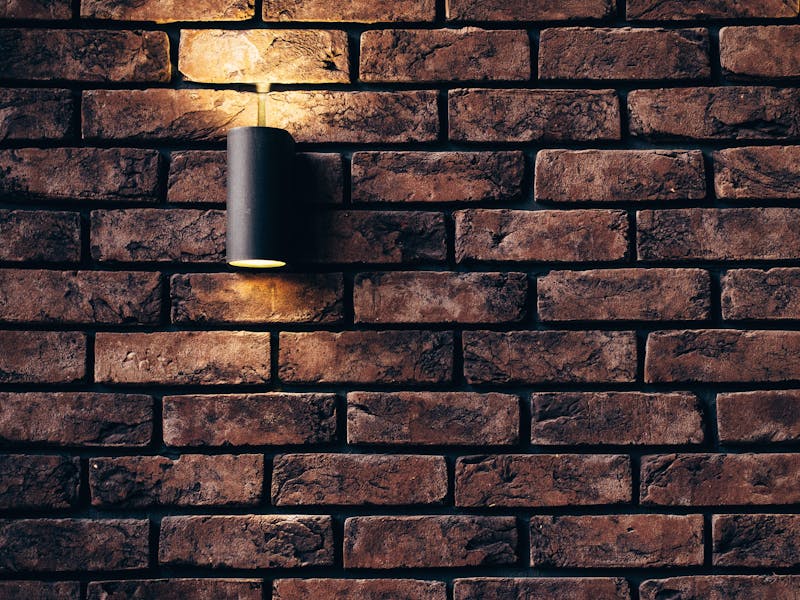
2. Layering Books Both Stacked and Upright
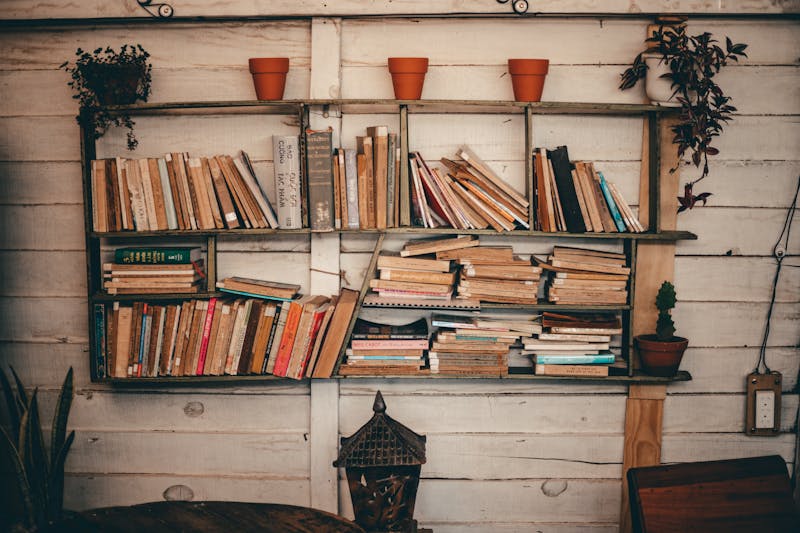
Break up monotonous rows of vertical books by mixing vertical rows with horizontal stacks. Use a horizontal stack of large art books as a sturdy pedestal to display a small ceramic bowl or candle. This layout details the shelves with varied structural shapes, keeping book collections looking curated and visually interesting.

3. Using a Mix of Heights
Establish a dynamic visual rhythm by arranging items of different heights next to each other. Place a tall, slender glass vase next to a medium-sized ceramic bowl and a low, flat tray. This variation in height guides the eye in a gentle wave across the shelf, preventing the display from looking flat or uninspired.

4. Incorporating Small Plants or Greenery
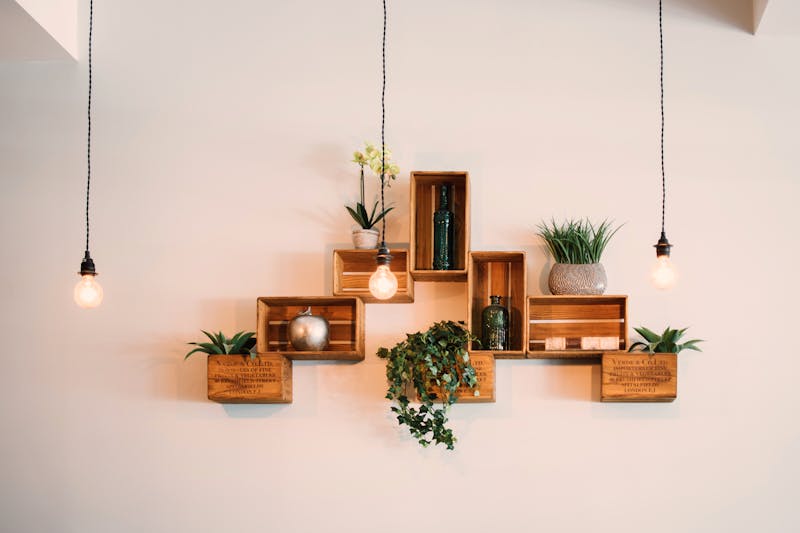
Introduce natural color and life by placing small houseplants on your shelves. A trailing pothos vine on a high shelf adds movement, while a small succulent in a terracotta pot adds organic texture to middle shelves. The bright green foliage softens the straight wood lines of the shelves, making the space feel fresh.
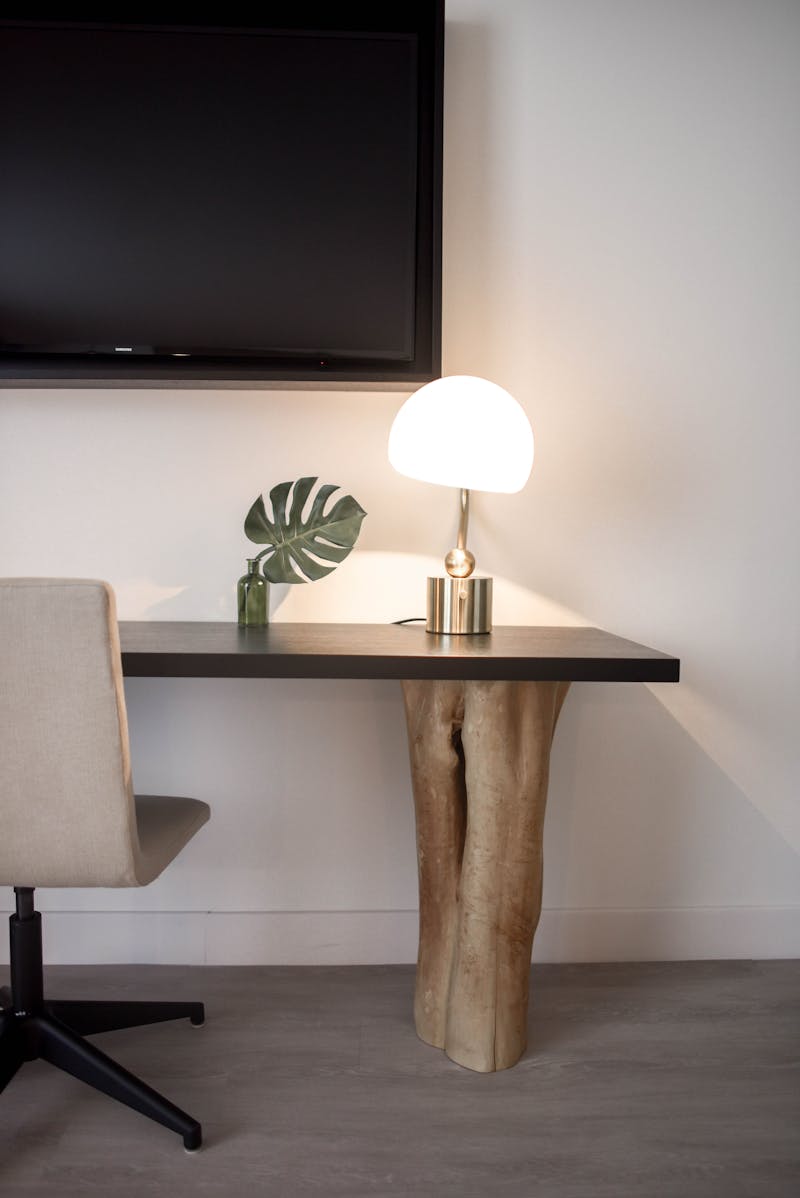
5. Leaning Art or Mirrors against the Back
Add depth by leaning framed art prints or a small round mirror against the back wall of your shelves. This layers the display, creating a beautiful background for smaller items styled in front of the frames, while reflecting light to make the shelf interior look larger.
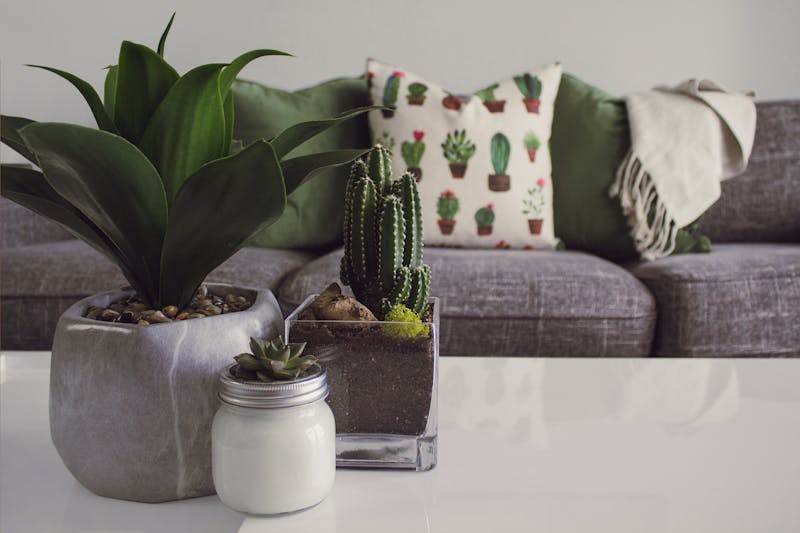
6. Adding Decorative Bookends
Use structural bookends to secure book rows while acting as beautiful sculptural accents. Heavy stone bookends, brass shapes, or carved wood blocks add vintage character and functional weight, keeping book collections tidy and secure.
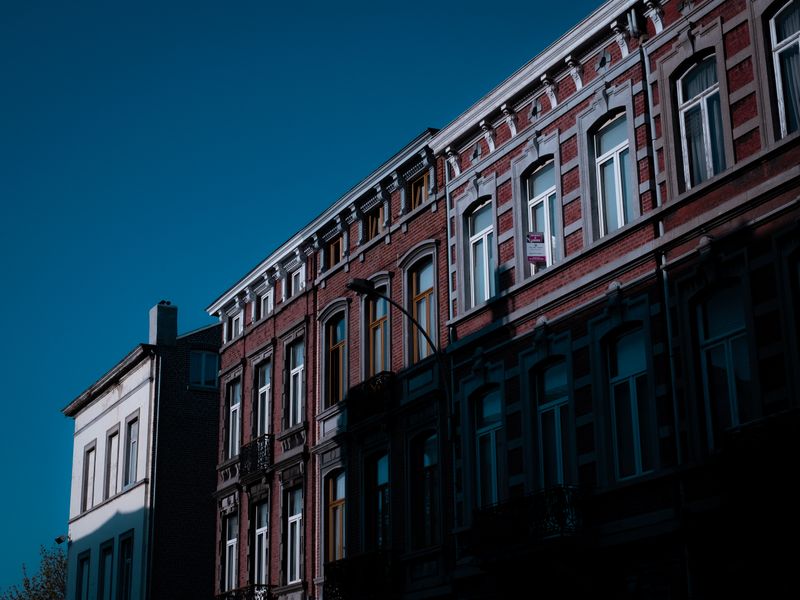
7. Mixing Materials and Textures
Avoid a flat look by mixing diverse textures like matte ceramic vases, polished glass jars, warm wood bowls, and woven seagrass baskets. Placing different materials side-by-side adds touchable contrast, ensuring your styled shelves look rich, curated, and collected over time.

8. Using a Decorative Tray to Corral Smaller Items
Group small loose objects like matchboxes, key dishes, or curio stones on a decorative tray. Coralling small items on a wood or brass tray prevents them from looking scattered, creating a structured grouping that is easy to move and clean.

9. Color-Coordinating Book Spines
Organize your books by color to create a clean, intentional design detail. Grouping blue, beige, or white spines together establishes cohesive color blocks that act like decorative art, reducing the busy look of mismatched book covers.
10. Adding a Sculptural Object
Place a single, sculptural object like a ceramic knot, a wood chain link, or a concrete sphere on top of a book stack. This non-functional art piece adds architectural form and interest, balancing the straight lines of books with curved details.
11. Leaving Intentional Negative Space
Avoid the temptation to fill every empty inch of your shelves. Leaving open sections creates negative space, which gives the eyes a place to rest. This design choice makes small shelving units feel open, light, and structured.

12. Displaying a Single Statement Vase
Place a large, high-contrast statement vase in the center of an empty shelf. A tall terracotta vessel or a glazed ceramic jug acts as a beautiful visual anchor, drawing attention to its organic shape and natural craftsmanship.

13. Using Baskets on Lower Shelves
Place large, woven storage baskets on the bottom shelves of your bookcase. These baskets add physical texture while providing hidden storage for toys, chargers, or magazines, keeping visual clutter completely hidden from view.
14. Rotating Seasonal Decor Pieces
Refresh your styled shelves throughout the year by swapping a few accent pieces. Use dried leaves or warm pottery in autumn, and fresh wildflowers or glass vases in spring. This simple styling technique keeps your room decor looking active, fresh, and modern.

15. Incorporating a Framed Photo
Add a personal detail to your shelves by incorporating a small framed photo. Choose a high-quality wood or metal frame that coordinates with the shelf material, placing it slightly offset behind a stack of books to look integrated, not cluttered.
16. Using Bookends Made from Natural Materials
Select bookends crafted from organic stone, petrified wood, or solid marble. The raw edges and natural textures contrast beautifully with clean book covers, acting like tiny, functional rock sculptures that hold your collection secure.
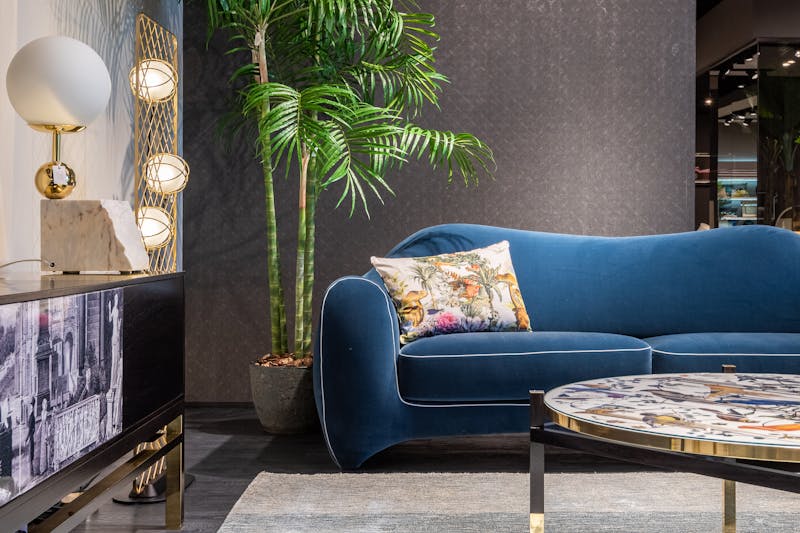
17. Styling with a Cohesive Color Palette
Choose a simple color scheme, like black, white, and warm wood, for all shelf accessories. Sticking to a unified color palette ensures that diverse objects like vases, books, and framed prints look cohesive, intentional, and styled.
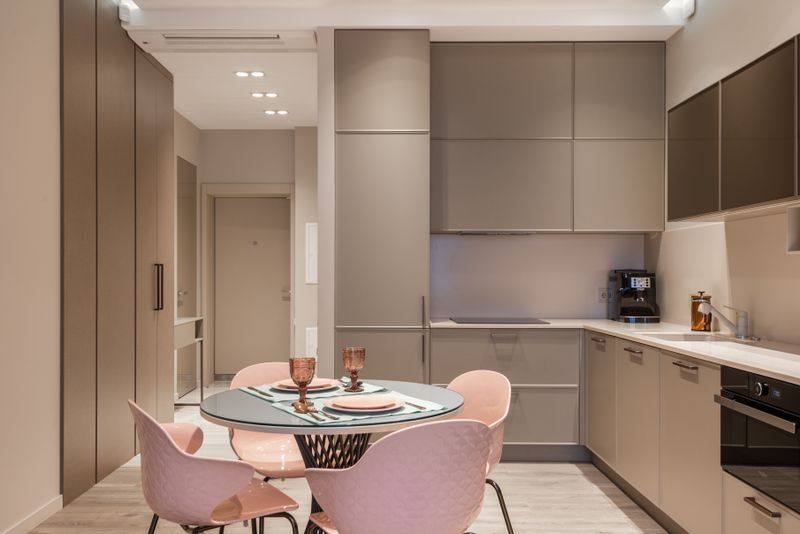
18. Adding a String of Lights for Ambient Glow
Hang small, warm string lights along the back edge of a dark shelf. The gentle backlight creates depth and casts a soft golden glow across your curated objects, making the display look cozy and welcoming in the evening.
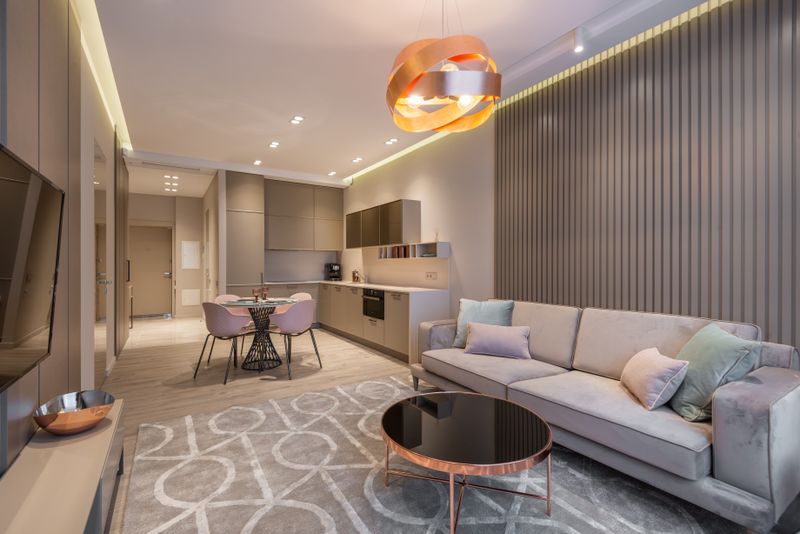
19. Mixing Vintage and Modern Pieces
Create depth by pairing a modern, geometric metal vase with an antique, tarnished brass bowl. Mixing vintage details with clean contemporary structures adds character and history, making your shelves look custom and collected over time.
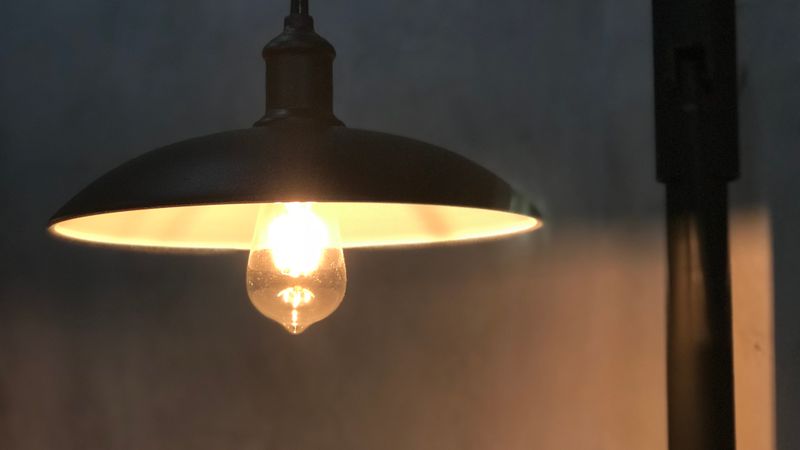
20. Using a Single Large Object to Anchor
Anchor a shelf by displaying a single large item, like a wide woven shallow tray or a large ceramic vase, and keeping the surrounding shelves simple. This large accent grounds the entire bookcase layout, preventing a busy look.