1. Embracing Rich Earthy Tones
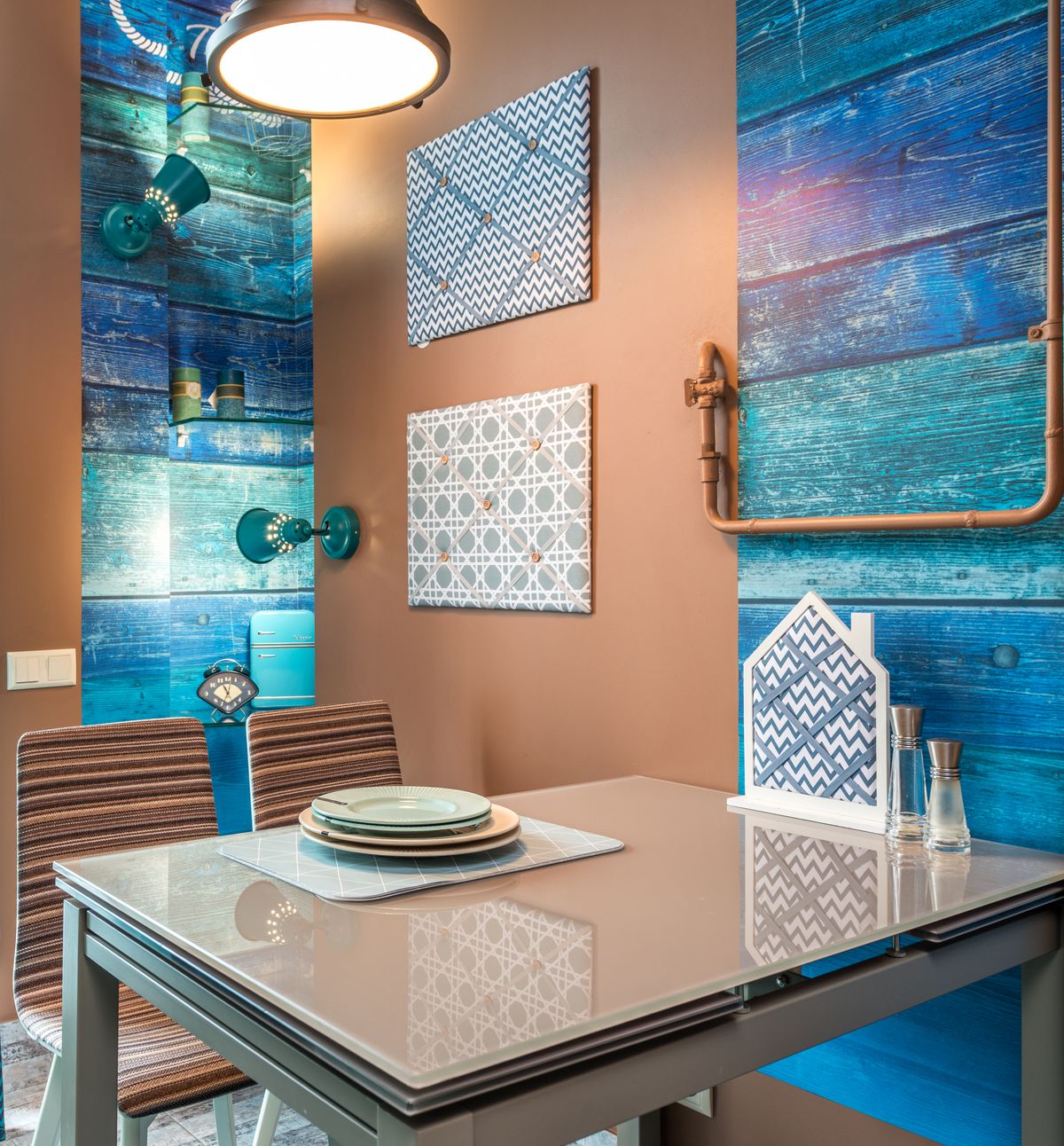
Midcentury design is deeply connected to nature, which translates into an organic color palette for the kitchen. Avoid cool gray tones and instead paint walls or trim in warm ochre, soft olive green, or terracotta clay. These warm earth tones coordinate beautifully with wood grains, preventing the cooking area from feeling stark or sterile under natural window light.
2. Warming Up the Woodwork
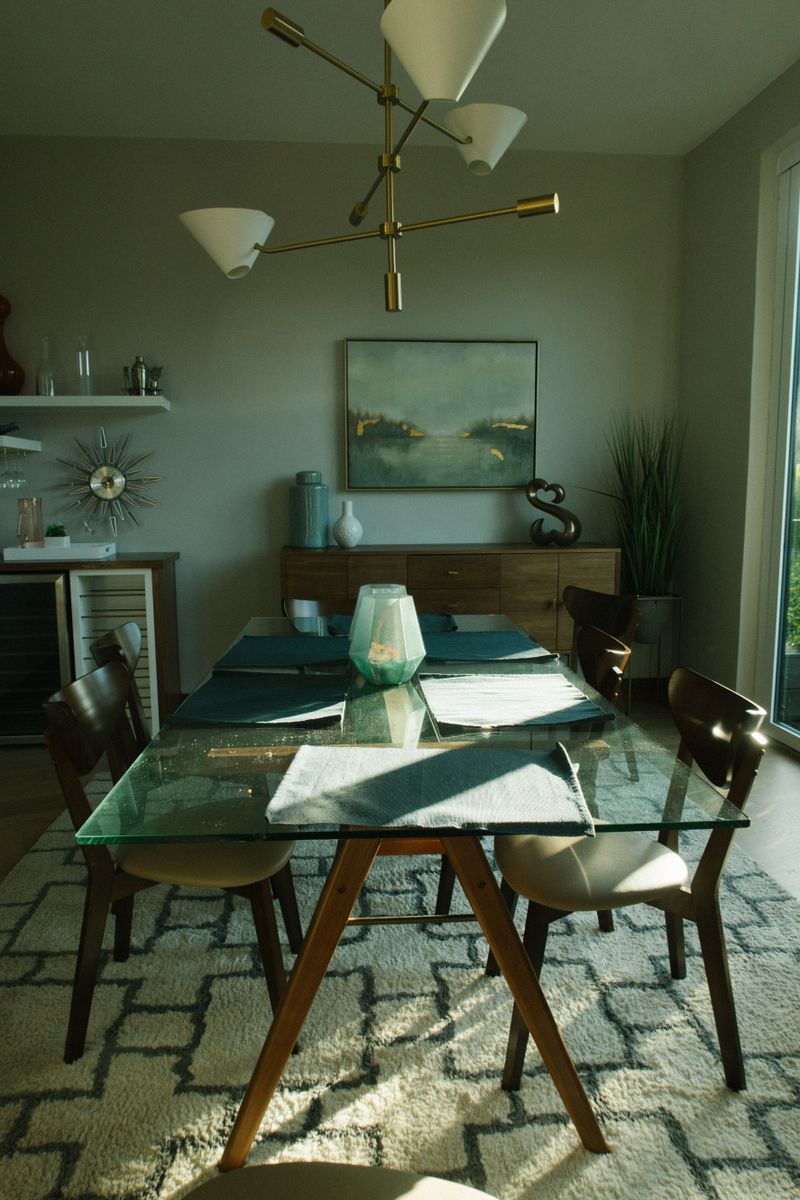
Wood is the foundation of any midcentury kitchen. Bring organic warmth to the space by incorporating honey-toned oak, warm cherry, or teak wood elements. You can use these woods for cabinet doors, floating open shelves, or ceiling beams. Leaving the wood in its natural, warm stain lets the organic grain serve as the primary texture in the layout.
3. Championing Geometric Backsplash Tiles
Bring visual interest to your cooktop back walls by installing geometric tile patterns. Midcentury kitchens favor stacked vertical index tiles, hexagons, or starburst shapes in matte or glossy glazes. Using a crisp white or cream grout line accentuates the geometric shapes, turning the backsplash into a beautiful accent wall.
4. Curating Retro Color-Blocked Cabinets
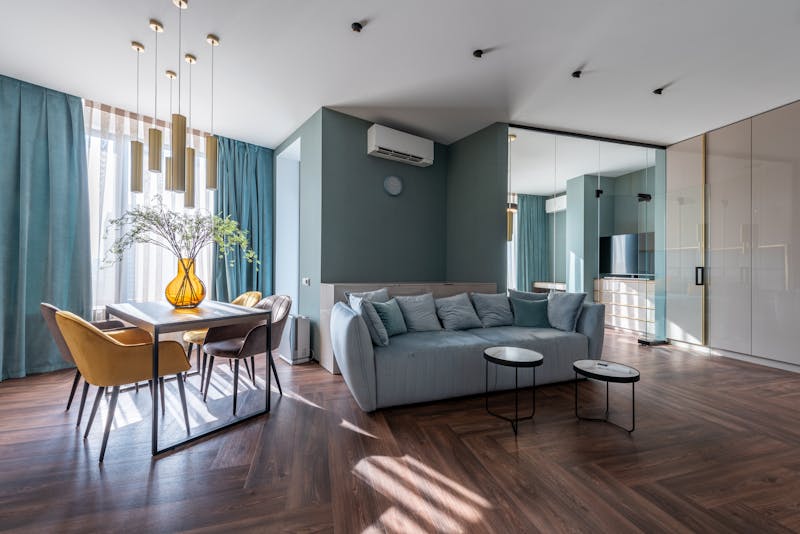
For a bold, historical layout, paint your lower cabinets a dark retro color, such as avocado green, mustard yellow, or orange, while keeping your upper cabinets a clean, bright cream. This color-blocking technique adds personality while keeping the upper half of the kitchen feeling open, light, and airy.
5. Elongating Visual Lines with Open Shelving
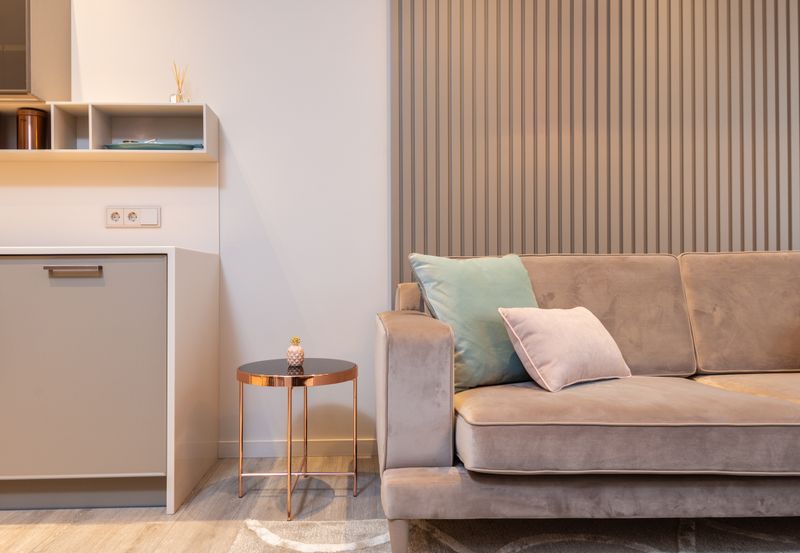
Instead of installing a solid wall of heavy upper cabinets, mount two thick, horizontal oak floating shelves. This choice exposes your wall tiles and opens up narrow walkways. Use the shelves to display clean ceramic tableware, glass jars, and small green plants to keep the layout feeling lightweight and spacious.
6. Incorporating Handcrafted Pottery
Place hand-thrown ceramic vases, clay pitchers, and stoneware bowls on your open shelves or island. The organic shapes and slight surface imperfections of handmade pottery provide a cozy contrast to the straight, geometric lines of midcentury cabinets, adding a layer of tactile warmth.

7. Layering Rich, Moody Materials
Add depth to your kitchen design by combining contrasting materials. Pair warm walnut flat-panel doors with dark, matte soapstone countertops and a textured white plaster wall. Mixing smooth wood, matte stone, and textured plaster prevents a large kitchen layout from looking flat or repetitive.
8. Midcentury Dining Nook
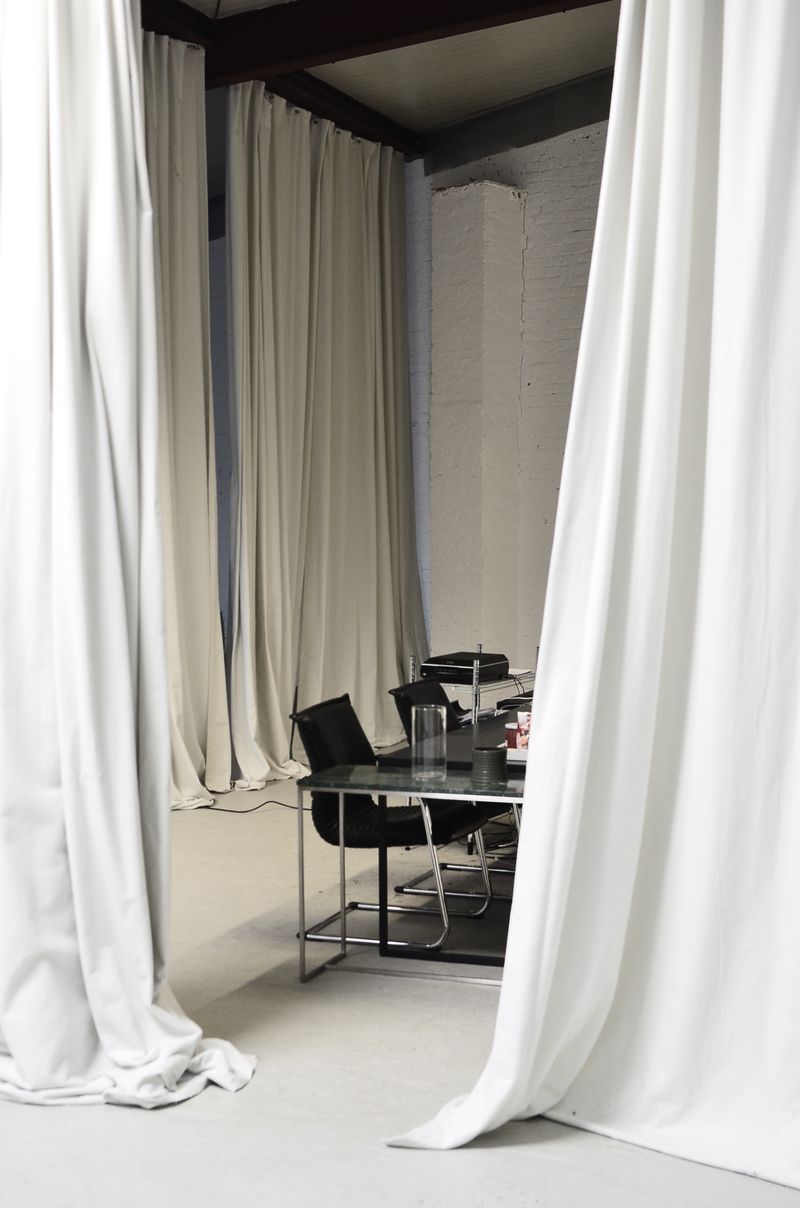
If you have an open kitchen layout, integrate a small cozy dining nook. Pair a round tulip dining table with four molded plywood dining chairs. Round tables are highly practical for small footprints, softening the straight lines of the surrounding counters while keeping the dining area connected to the cook zone.
9. Stacking Cylindrical Hood Elements
Replace bulky, boxy range hoods with a sleek, cylindrical stainless steel or matte black chimney hood. This architectural choice serves as a vertical divider, drawing the eyes upward to make standard ceiling heights feel taller while providing a clean, futuristic center point above the stove.
10. Using Eichler-Style Matte Black Accents
Incorporate matte black metal finishes to ground the warm wood grain elements. Install a matte black bridge faucet, black cabinet pulls, or a black metal pendant lamp. The clean black lines act like a frame, highlighting the organic warm grain of your oak or walnut cabinets.
11. Custom Built-In Booth Nook
Optimize an empty kitchen corner by building a custom L-shaped banquet booth bench upholstered in a neutral linen fabric. A built-in dining booth saves floor space, allowing you to slide the table close to the walls, creating a cozy and functional breakfast zone in compact kitchens.
12. Flat-Panel Walnut Cabinetry
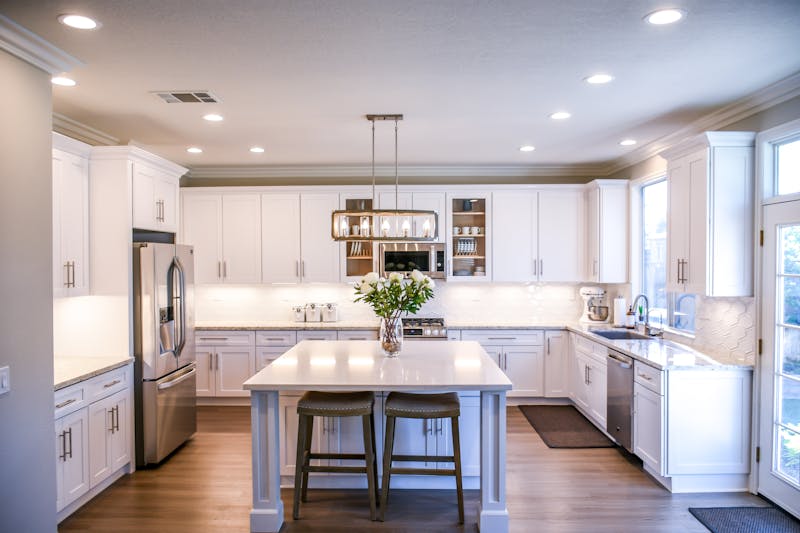
Flat-panel (slab) doors are the ultimate definition of Midcentury Modern kitchen design. Unlike shaker or raised-panel cabinet designs, slab doors feature a completely flat surface with no decorative frames, showcasing the uninterrupted natural grain of walnut veneer. Match the wood panels horizontally across the cabinetry rows to create a clean, fluid line that makes the kitchen walls feel wider.
13. Terrazzo Flooring Accents
Terrazzo, featuring composite chips of marble, quartz, and granite set in cement, is a hallmark flooring material of the midcentury era. Installing terrazzo floor tiles in soft cream, beige, or warm grey colors adds geometric texture underfoot. The natural stone chips reflect light softly, creating a durable and visually interesting floor surface.
14. Integrated Appliance Panels
To preserve the clean visual lines of flat-panel wood cabinets, hide bulky modern appliances behind integrated cabinet panels. Overlaying your dishwasher and refrigerator with matching walnut or oak panels prevents the warm wood layout from being interrupted by reflective stainless steel surfaces, creating a cohesive design.

15. Minimalist Globe Pendant Lighting
Globe pendant lights, featuring spherical white glass shades suspended by brass or black cords, are an essential lighting choice. Hang a pair of large globe lights above your kitchen island to diffuse light evenly across the work surface, avoiding harsh shadows while highlighting the wood grain below.
16. Soapstone Countertops
For a durable countertop surface, select natural soapstone. Soapstone is chemically inert, heat-resistant, and non-porous, offering a soft charcoal gray tone with light white veining. The matte finish of soapstone coordinates beautifully with flat-panel walnut wood cabinetry, developing a rich patina over time.

17. Eichler-Style Small Spaces
Inspired by developer Joseph Eichler's post-war suburban homes, small midcentury kitchens rely on floor-to-ceiling glass and open beam ceilings to feel spacious. In a compact kitchen, use light wood tones, white countertops, and sliding screen window openings to draw daylight into the cooking zone, avoiding heavy partitions.
18. Tab Cabinet Pulls
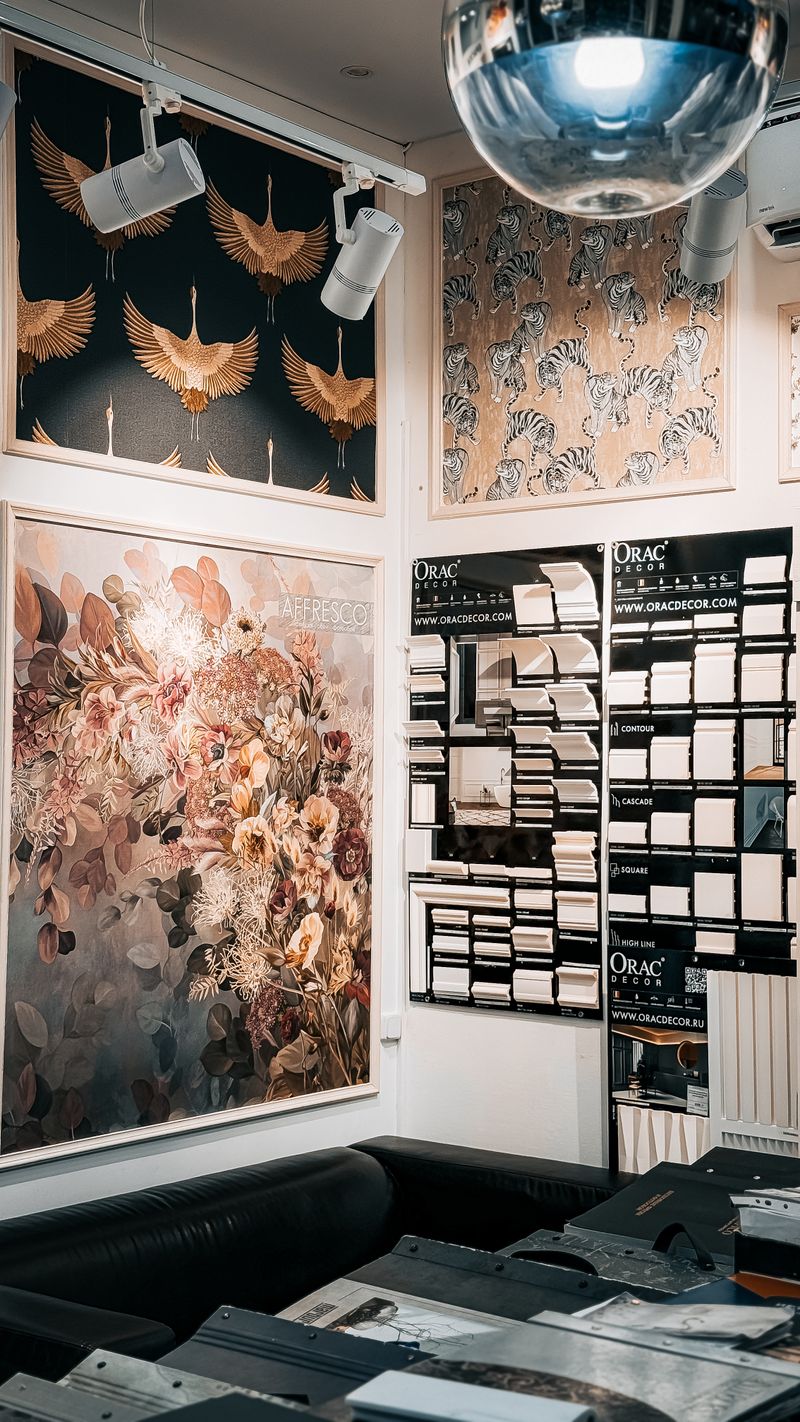
Avoid heavy, decorative cabinet hardware. Instead, install slim tab pulls or integrated finger-grooves on cabinet doors. Tab pulls mount to the top edge of the drawers, offering a functional handle while keeping hardware lines flush with the flat-panel design, maintaining the flat surface look.
19. Open Shelving Display Zones
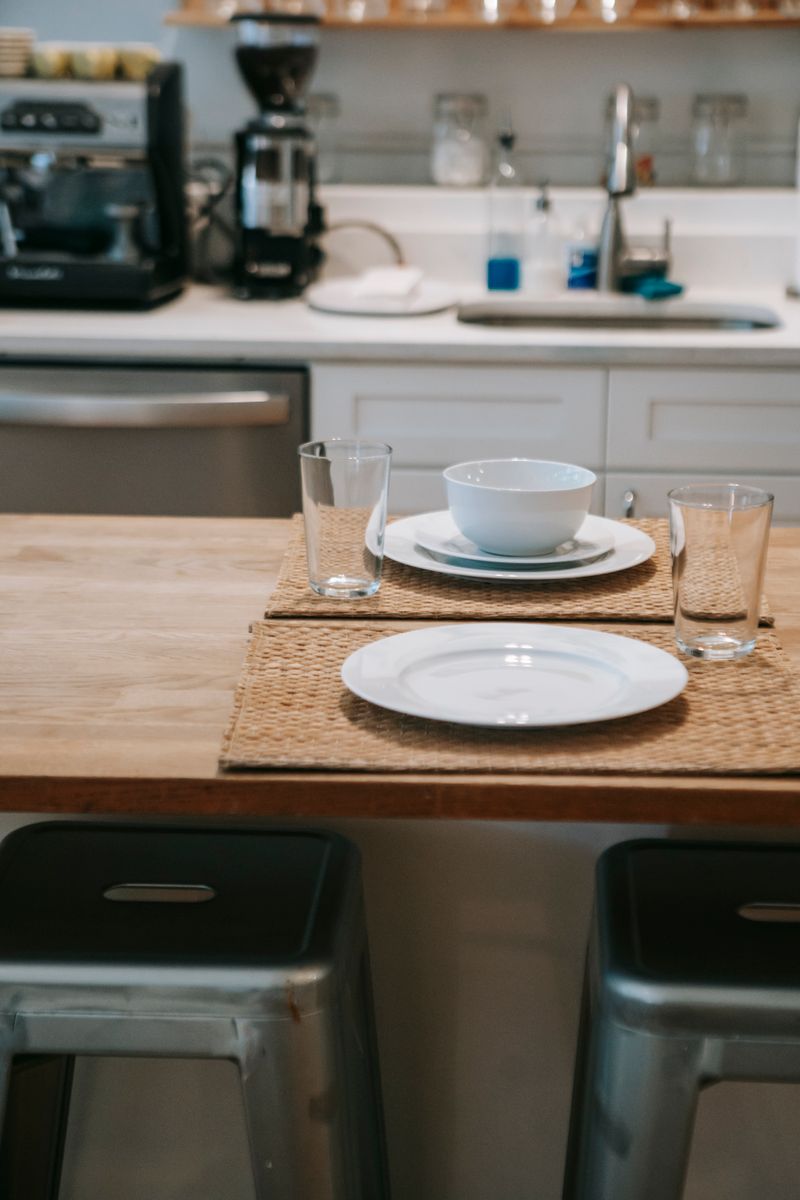
Instead of packing shelves tightly with items, treat them as curated display zones. Use a rule of three: group three items (like a wooden bowl, a ceramic pitcher, and a small green plant) together, leaving empty wall space around them. This adds design detail without creating visual clutter.
20. Stacking Linear Backsplash Tiles
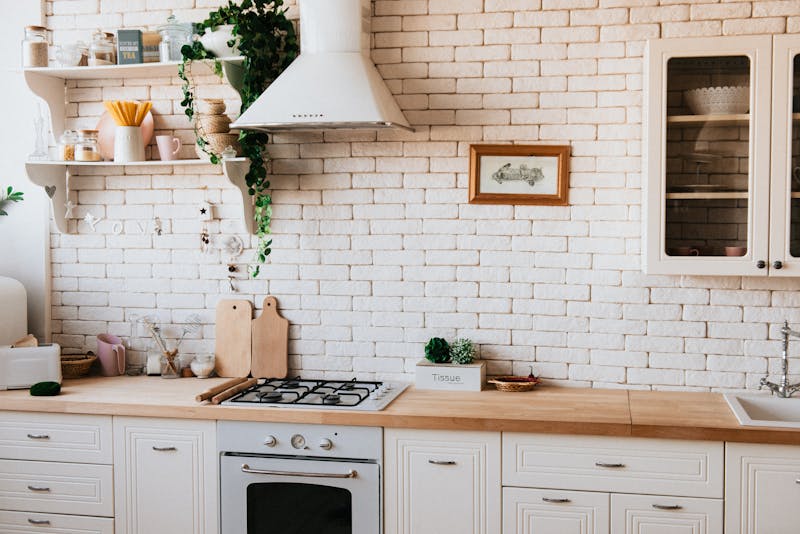
While brick-pattern (offset) subway tiles are common in modern homes, midcentury design focuses on stacking linear tiles vertically or horizontally. Stacking rectangular tiles in straight columns highlights the height or width of your kitchen layout, creating a clean, grid-like pattern that aligns with midcentury geometry.