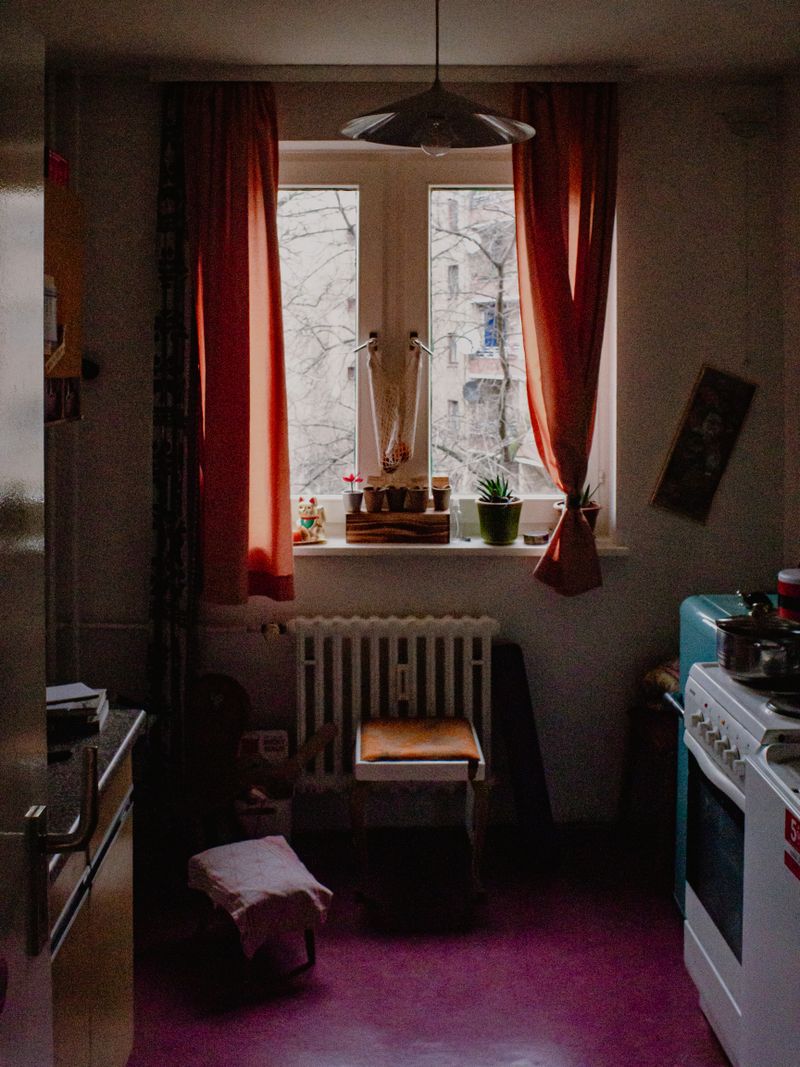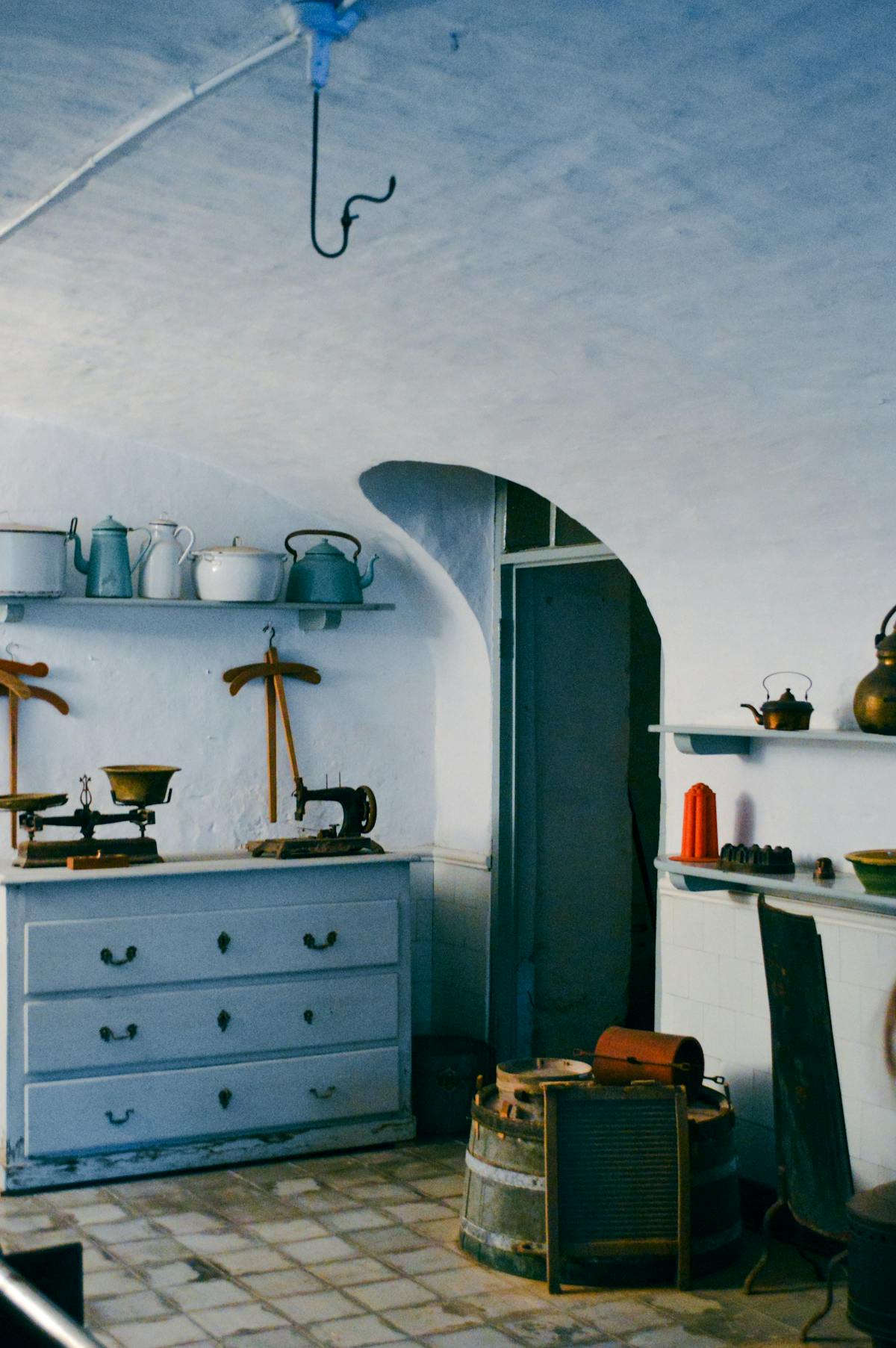
1. Warm Walnut Wood Cabinetry with Clean, Flat-Front Design
Flat-panel walnut cabinetry is the essential design anchor of the authentic midcentury modern kitchen, displaying beautiful horizontal wood grain lines across the workspace. The absence of heavy raised molding profiles allows the rich, natural timber to stand as the primary visual interest. To incorporate this look while keeping it feeling contemporary rather than dated, pair the walnut bases with clean white quartz countertops and minimalist touch-latches. This ensures the dark timber feels light, airy, and sophisticated. It is a premium carpentry investment that pays off in timeless design value and long-term durability.
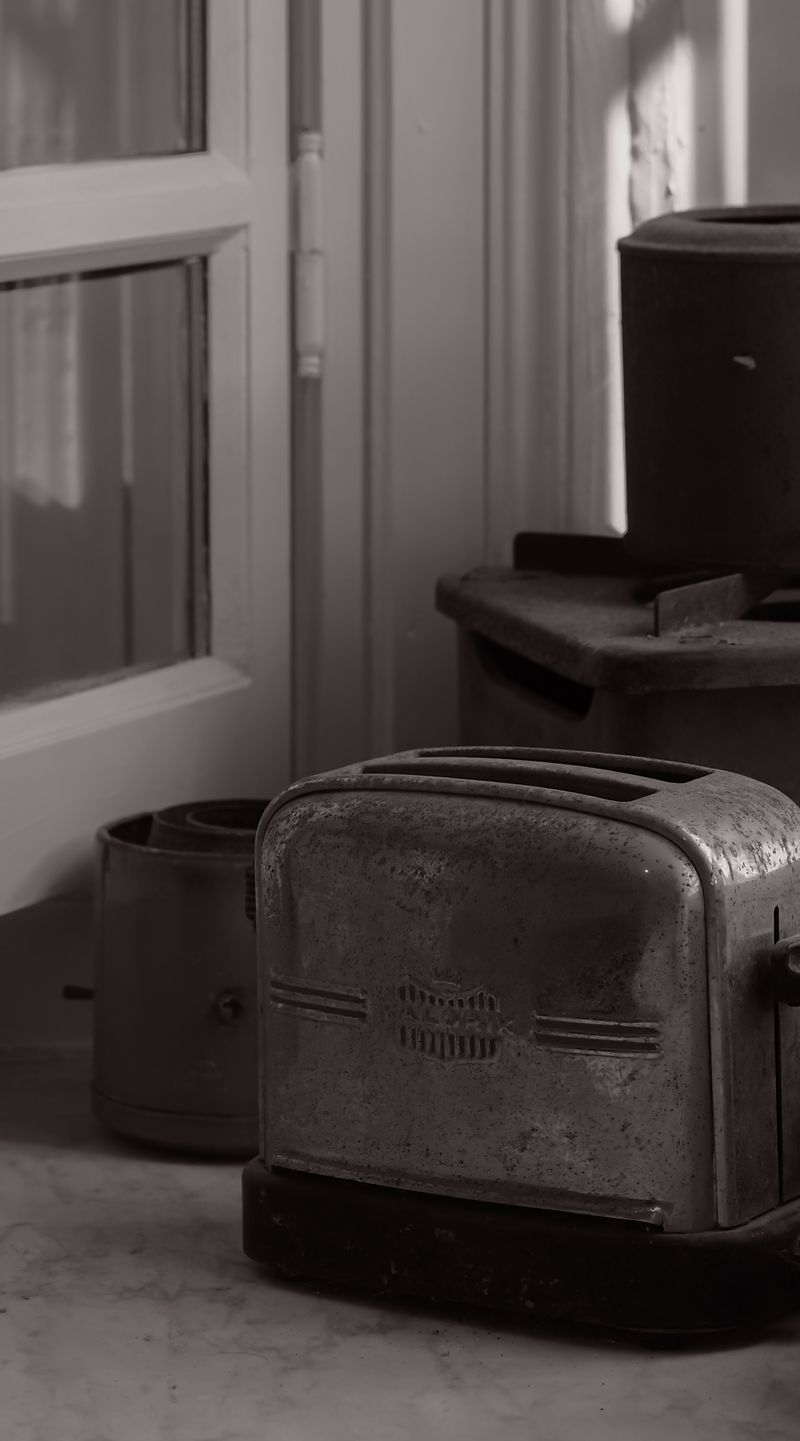
2. Two-Tone Cabinetry (Wood Lowers, Colorful Uppers)
Two-tone cabinetry layouts offer a playful way to introduce color while maintaining the warm wood textures typical of midcentury design. Installing dark walnut or ash base drawers anchors the room structurally, while painting upper doors in matte cream, olive green, or soft teal lifts the ceiling lines. This color split prevents dark wood cabinets from overwhelming smaller galley spaces, welcoming natural window light throughout prep zones. Keep the upper doors completely handleless to establish a clean visual flow that coordinates beautifully with simple subway tile backsplashes.
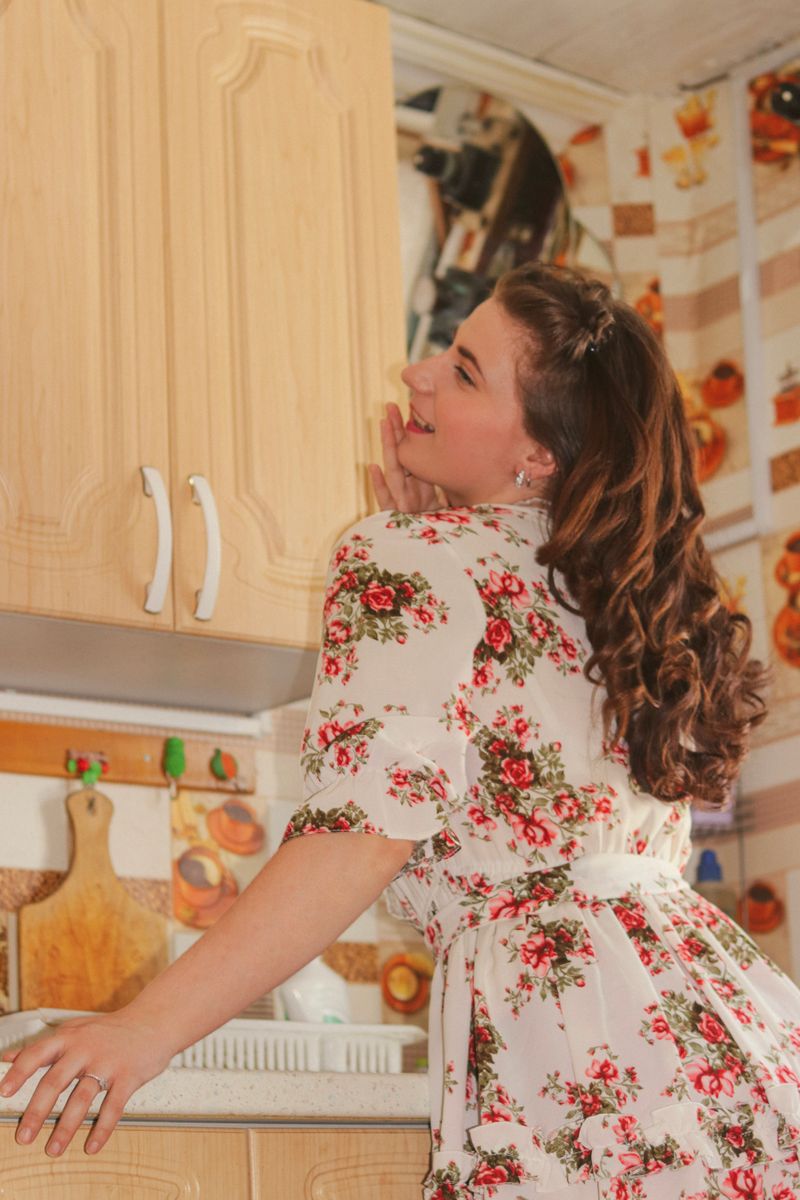
3. Retro Color Palettes (Mustard, Teal, Burnt Orange) in Small Doses
Earthy color pops of mustard yellow, deep teal, and burnt orange capture midcentury optimism without making your kitchen feel like a time capsule. Rather than painting all cabinet doors, designers recommend introducing these colors on small feature zones, such as a tile backsplash, kitchen stools, or retro appliances. Combining these warm colors with natural oak shelving and white walls keeps the room feeling bright and contemporary. This lets you experiment with fun retro colors while keeping the main kitchen elements neutral and easy to update later.
4. Terrazzo Flooring or Countertops
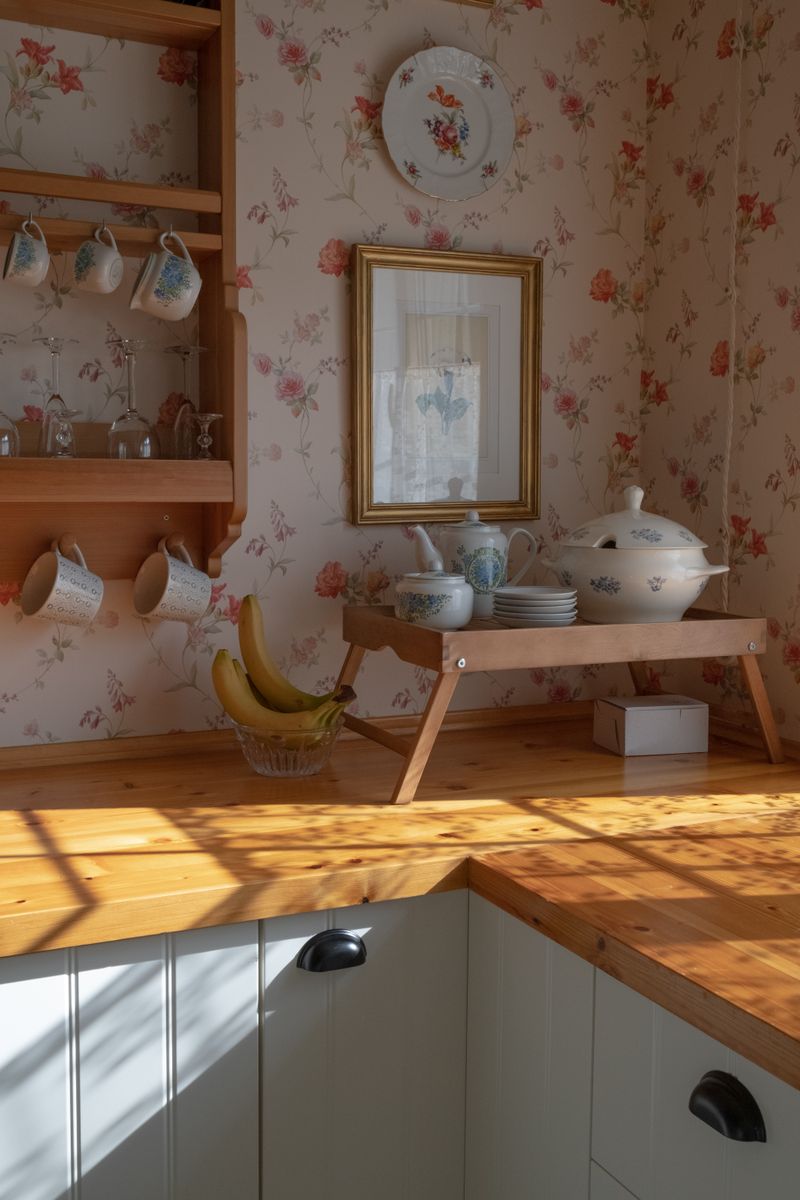
Terrazzo flooring brings beautiful pattern and organic stone texture, making it a classic material choice for midcentury home renovations. Made by embedding marble or quartz chips in concrete, terrazzo surfaces are incredibly durable and heat-resistant. Designers recommend using large-chip terrazzo on countertops or island bases to establish a stunning visual focus that coordinates with simple oak cabinets. Choose warm grey or cream terrazzo bases to maintain a bright, spacious feel that is easy to sweep and keep clean under daily kitchen use.
5. Geometric Tile Backsplash Patterns
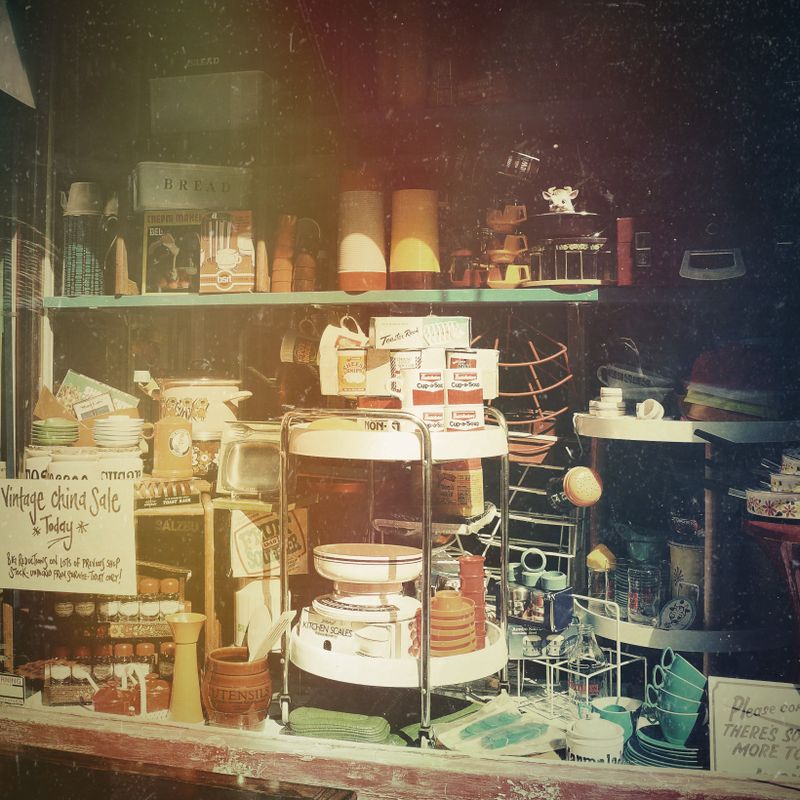
Geometric tile backsplashes introduce graphic pattern, celebrating midcentury interest in clean repeating shapes. Designers swear by stacked ceramic tiles, hexagons, or starburst shapes to add visual interest behind range cooktops. To keep the geometric patterns looking sophisticated rather than busy, choose neutral white or soft grey tiles paired with matching grout lines. This adds subtle texture to your walls, letting the warm wood grains of surrounding walnut cabinetry stand as the main design focus.
6. Brass or Matte Gold Hardware Accents
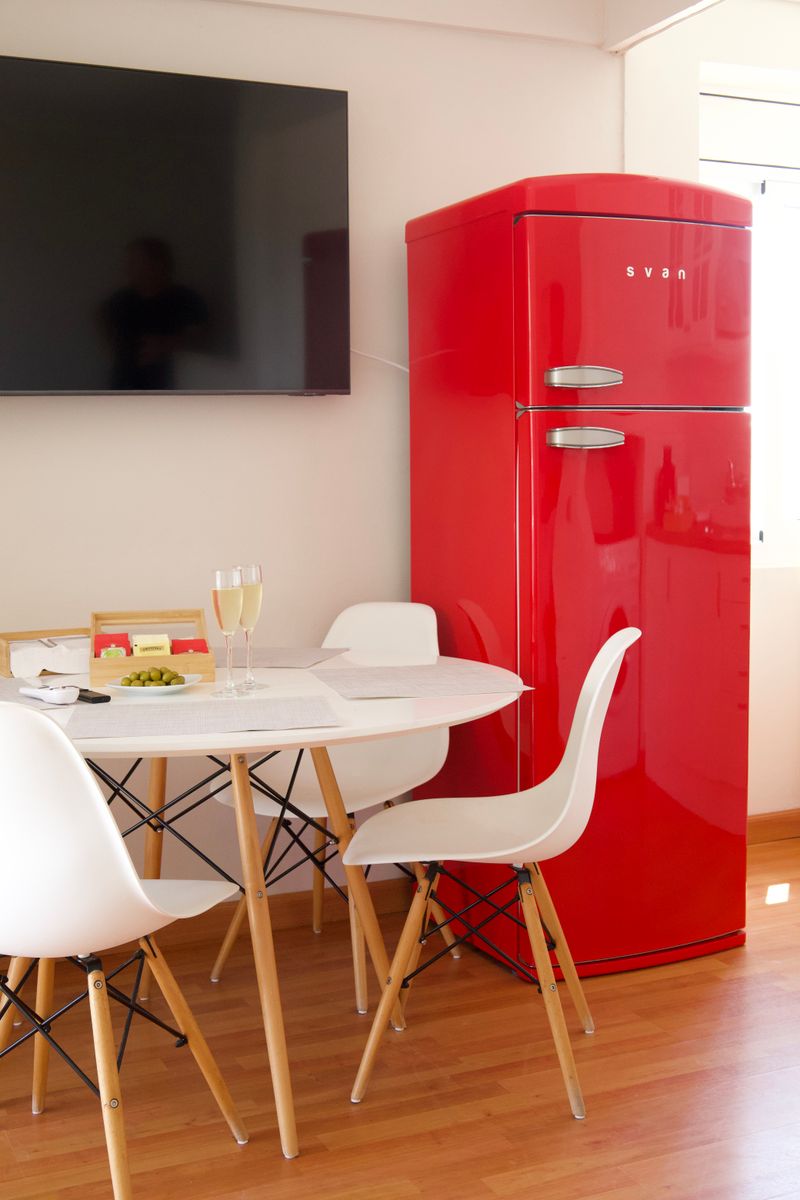
Polished brass and matte gold hardware handles add metallic warmth, softening the flat fronts of walnut cabinetry. Designers recommend using simple gold finger-pulls or round knobs to add delicate, jewelry-like detail to drawer stacks. These warm metallic finishes age beautifully, developing a soft patina that feels authentic to historic midcentury designs. Pair them with matching gold faucets to create a cohesive, high-end look across your kitchen prep and cleanup zones.
7. Tapered, Slim Cabinet Legs for an Elevated Look
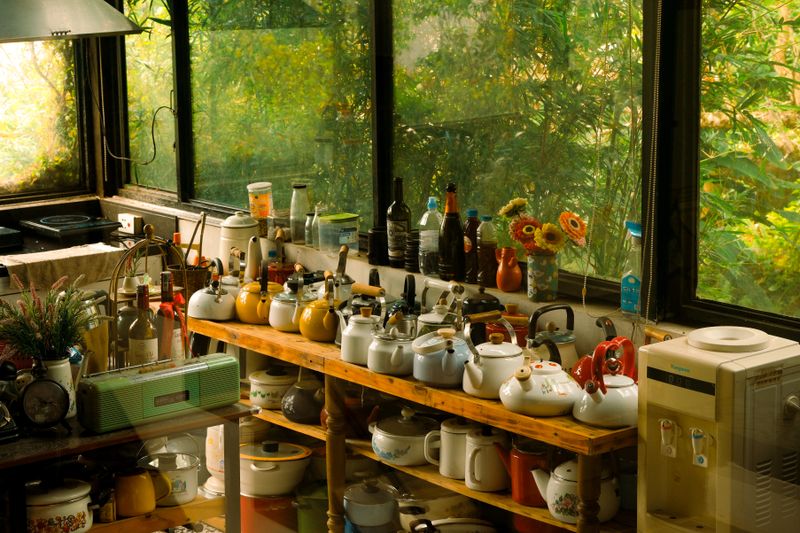
Mounting your base cabinets or island on tapered wood legs lifts the cabinets off the floor, making heavy storage blocks feel light and airy. This structural detail matches classic midcentury furniture designs, creating a spacious look by exposing more of your kitchen flooring. It is a fantastic design trick for smaller kitchens or open-concept islands, helping utility cabinets feel like custom furniture rather than bulky built-ins.
8. Sunburst or Starburst-Inspired Light Fixtures
Hang a sculptural starburst chandelier over the dining area to introduce visual drama and define your dining zone. The bold, radiating metal arms serve as an artistic statement, echoing classic midcentury atomic design motifs. Choose a model in polished brass or matte black with clear glass bulbs to maintain a light, airy feel that distributes warm ambient light throughout the space.

9. Open Shelving with Curated Ceramic and Glassware
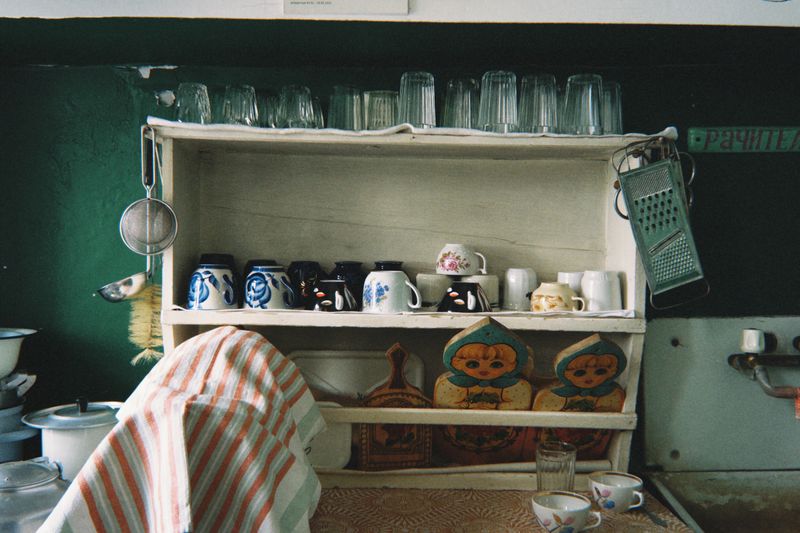
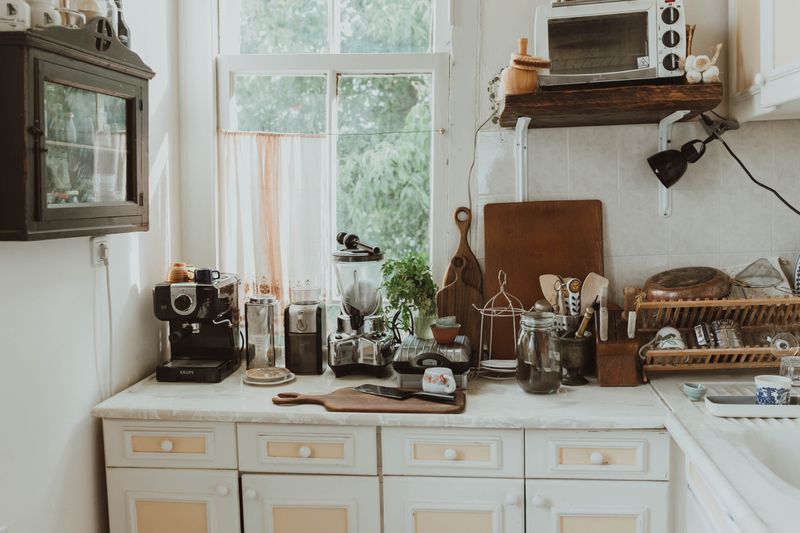
Replace upper cabinets with open walnut shelves to showcase clean ceramic plates and glassware, keeping the room feeling open. Designers recommend styling shelves with earthy pottery and colored glassware to add vintage color accents without cluttering work areas. This keeps your daily dinnerware handy while creating a beautiful design showcase on empty kitchen walls.
10. Bold Graphic Wallpaper as a Kitchen Accent
Applying geometric patterned wallpaper to a dining alcove wall brings playful retro character, softening large expanses of wood cabinets. Choose patterns featuring simple shapes and earthy color schemes (like mustard yellow or sage green) to maintain a cohesive look. This lets you introduce graphic midcentury patterns in a controlled way that is easy to swap later.
11. Curved Kitchen Island Edges for a Softer Silhouette
Designing your island with curved edges softens the boxy lines of modern kitchens, improving traffic flow around tight prep zones. Designers favor curved islands for their welcoming shape and midcentury look, echoing classic organic furniture styles. Wrap the curved base in slatted wood panels to add texture, completing the custom look with white quartz counters.
12. Pendant Lighting in Globe or Drum Shapes
Hang two round globe or drum-shaped pendant lights over the central island to add retro style and define your dining zone. The simple geometric shapes of these lights distribute soft ambient light, complementing clean cabinet lines. Choose models with brass stems or frosted glass globes to maintain a classic, sophisticated look that is easy to wipe clean.
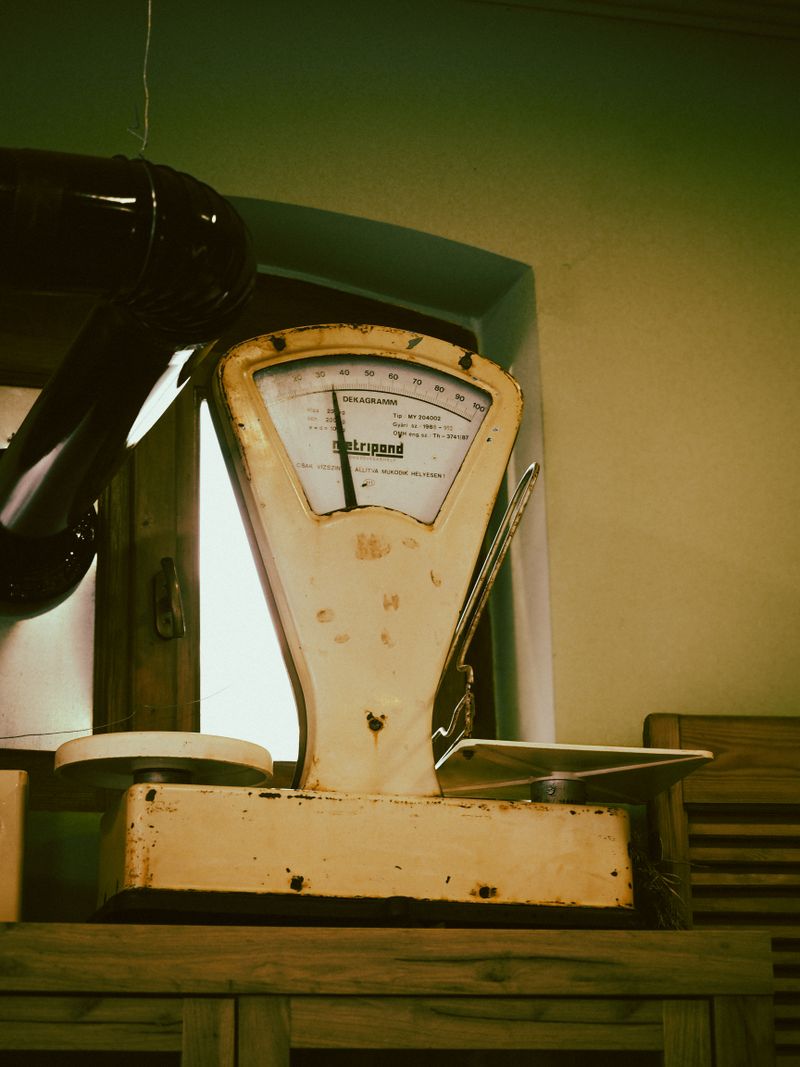
13. Warm Wood Open Shelving Paired with White Cabinetry
Combine open wood shelving with white base cabinets to create a clean, Scandinavian-inspired look in smaller kitchens. The warm pine shelves add organic texture and break up solid cabinet fronts, keeping the room feeling open. This layout is perfect for displaying everyday dinnerware, keeping tools handy while visually expanding the space.
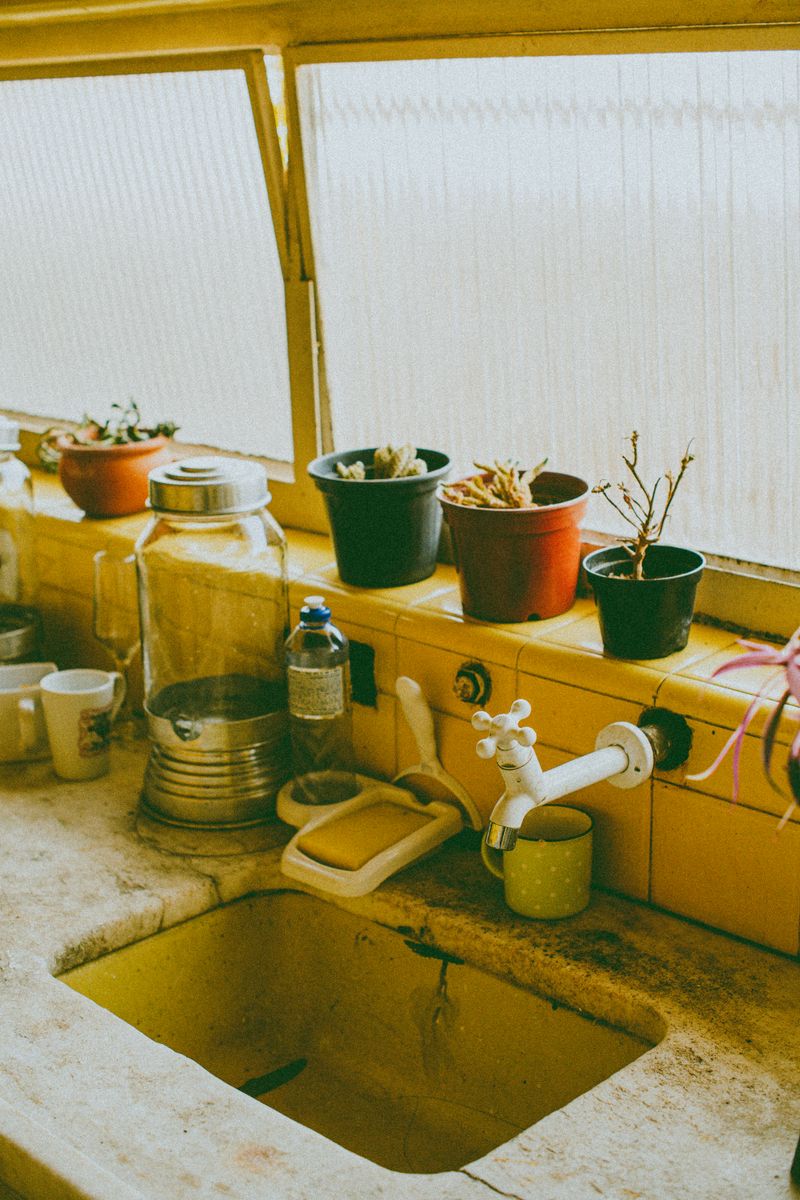
14. Statement Range Hood with a Sculptural, Retro-Inspired Shape
A custom copper or plaster range hood cover with a curved retro silhouette serves as a stunning focal point above the stove. Designers recommend choosing a sculptural hood to break up clean cabinet lines, grounding the stove area with custom character. Pair the hood with matching brass details to complete the high-end look.
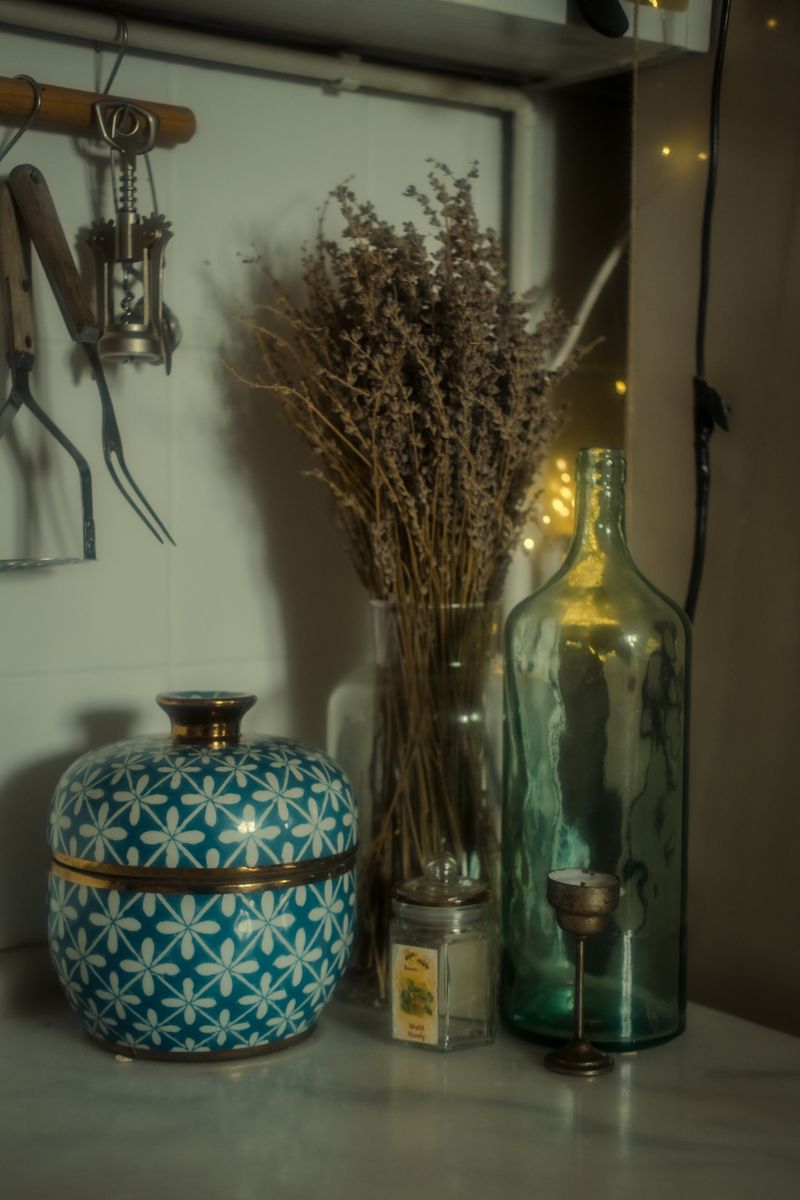
15. Vintage-Inspired Appliances in Retro Colors
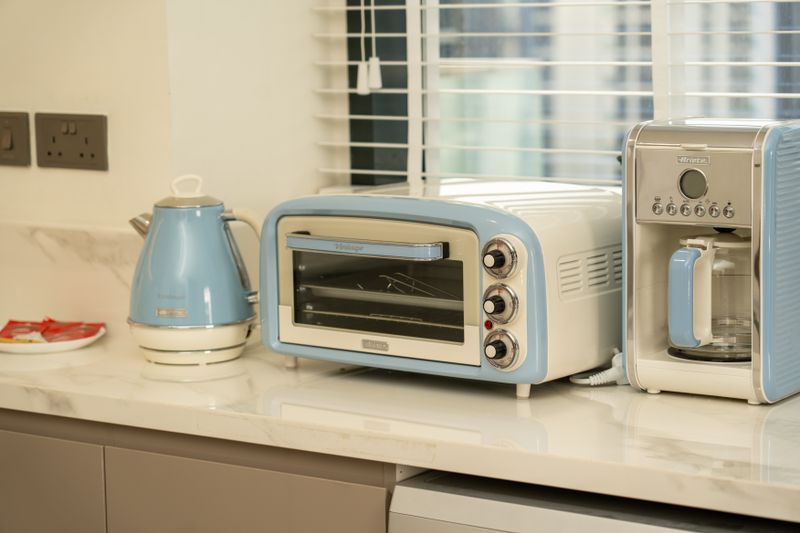
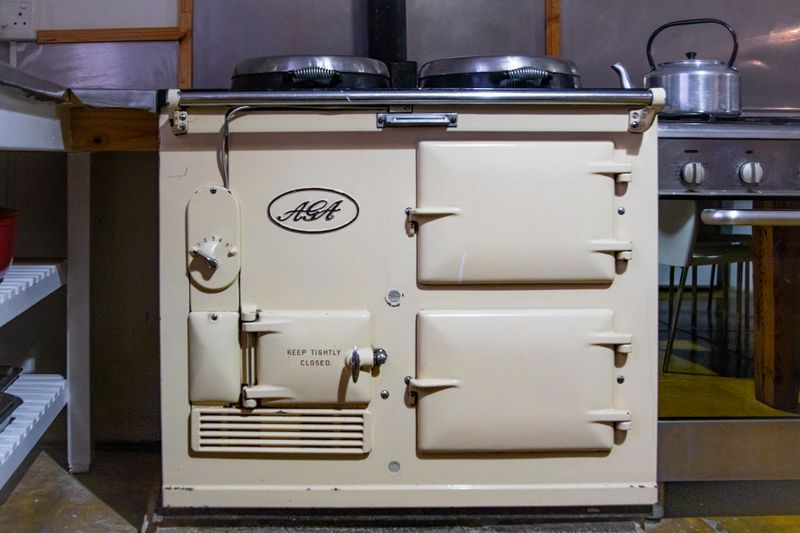
Install a retro-style refrigerator in pastel green or cream to introduce playful color and personality to the layout. Designers love using retro appliances to create a fun focal point in neutral kitchens, echoing classic post-war styles. Keep surrounding cabinets neutral to let the appliance stand as the main design statement.

16. Chevron or Herringbone Patterned Flooring
Lay wood floor planks in a chevron pattern to add graphic texture and visually lengthen narrow galley spaces. The angled lines guide the eye through the room, making the kitchen feel much wider. Pair chevron floors with simple flat-front cabinets to balance the floor pattern with clean cabinet lines.
17. Boomerang or Atomic-Inspired Countertop Patterns
Using subtle boomerang patterns on laminate counters introduces historic texture, celebrating classic midcentury diner styles. Designers suggest using patterned counters on small breakfast bars to add retro style without overwhelming your main work counters.

18. Warm, Low-Contrast Color Schemes for a Cohesive Retro Feel
Using a low-contrast color scheme (such as blending cream walls, oak shelves, and beige counters) creates a cozy retro feel. This soft color palette keeps the room looking bright and open, coordinating beautifully with brass details and vintage ceramic collections.
19. Slatted Wood Cabinet Detailing
Wrap cabinet doors or island bases in vertical slatted oak panels to add texture, softening boxy layouts with organic detail. The slatted wood detailing creates beautiful shadows, adding depth to clean minimalist cabinetry schemes.
20. Mixed Materials (Wood, Laminate, and Stone) for Authentic Midcentury Texture
Blending wood cabinets, laminate counter trims, and natural slate flooring introduces rich material texture. Designers recommend mixing materials to create a layered, custom look that feels authentic to historic midcentury homes, avoiding a clinical feel.