1. Minimalist Flat-Panel Trim for a Clean, Modern Look
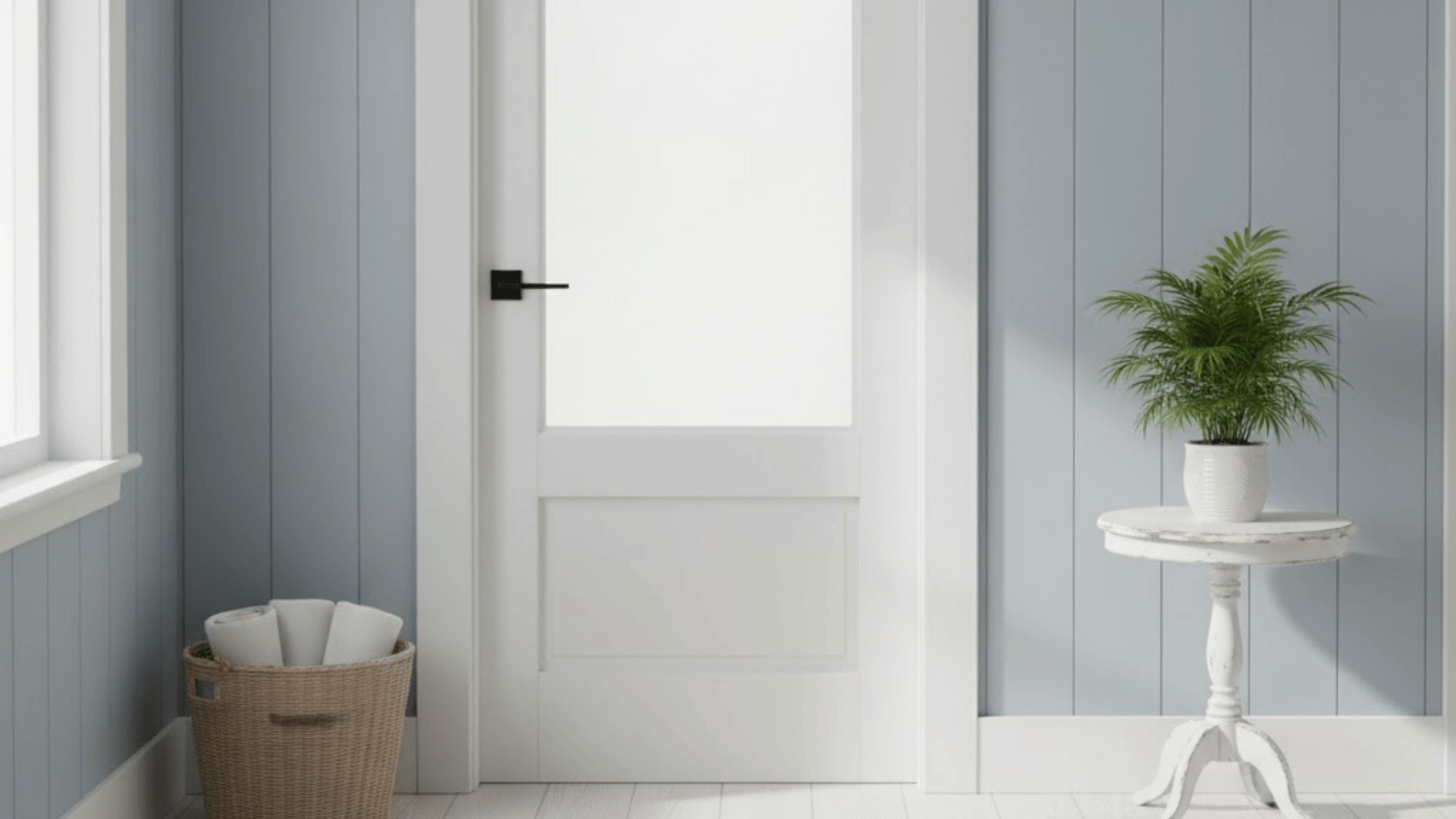
Minimalist flat-panel trim is the quintessential casing choice for modern homes. Featuring simple rectangular boards with square, unrounded edges, this trim profile eliminates fussy curves and grooves in favor of clean, architectural lines. It creates a subtle frame around doorways that complements contemporary drywall without drawing excessive visual attention. To achieve a seamless aesthetic, pair flat-panel trim with simple solid-core slab doors and paint them in a crisp semi-gloss white. For installation, opt for medium-density fiberboard (MDF) or clear pine boards that have been sanded perfectly smooth, ensuring clean 90-degree miter or butt joints at the top corners for an effortless, tailored look.
2. Wide, Flat Trim for a Bold Architectural Statement
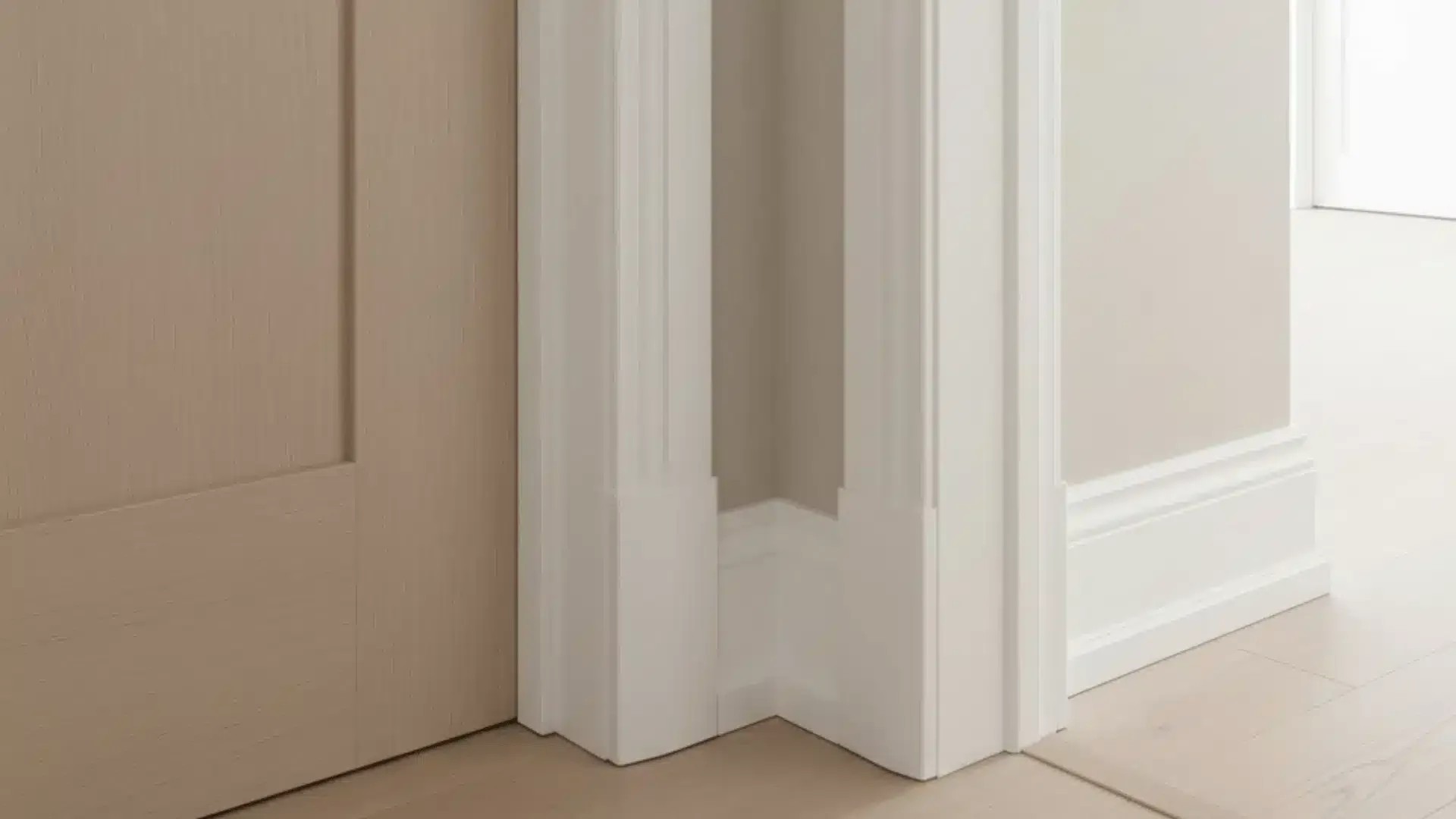
When you want your doorways to make a strong visual statement, opting for extra-wide, flat trim creates immediate grandeur. Standard casing is usually 2.5 to 3.5 inches wide, but scaling up to 5 or 6-inch flat casing gives door openings substantial presence and weight. This approach works exceptionally well in rooms with high 9 to 10-foot ceilings, where slender trim can look underscaled and lost. To balance wide door casing, ensure your baseboards are equally tall (around 7 to 8 inches) so the proportion remains harmonious throughout the space. Paint the wide trim in a satin finish to highlight the substantial woodwork without creating harsh glare.
3. Black-Painted Trim for a Dramatic, Modern Contrast
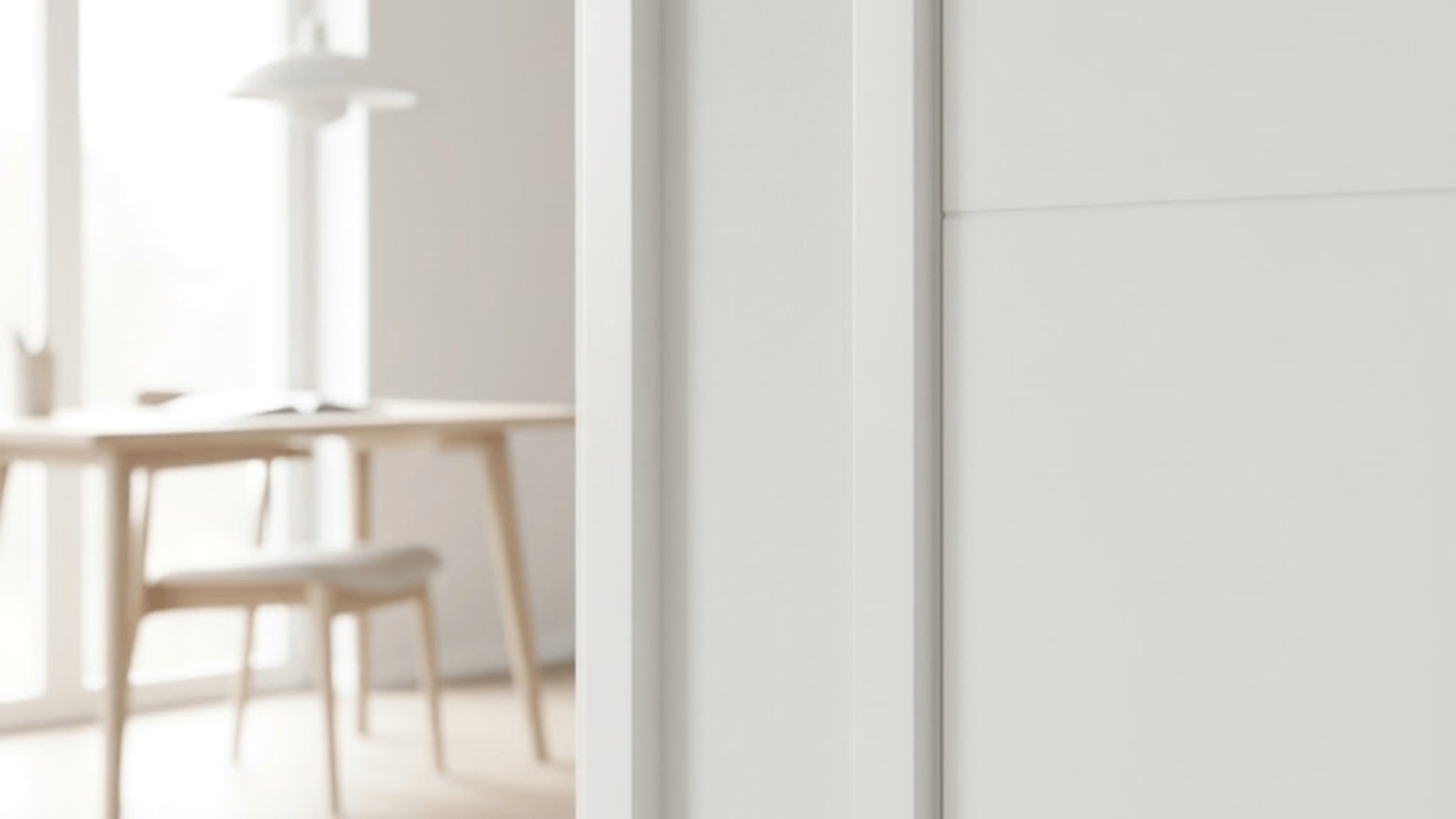
Painting door trim in jet black or deep charcoal is one of the most effective ways to introduce bold modern contrast into a neutral room. The dark frame outlines the doorway like a piece of art, creating a graphic transition that pairs gorgeously with crisp white or pale grey walls. This technique draws the eye toward architectural vistas and naturally coordinates with modern black window sashes and matte black light fixtures. For durability in high-touch entryways, use a premium enamel paint in a satin or semi-gloss sheen that resists scuffs and fingerprints, keeping your dark trim looking rich, saturated, and pristine for years.
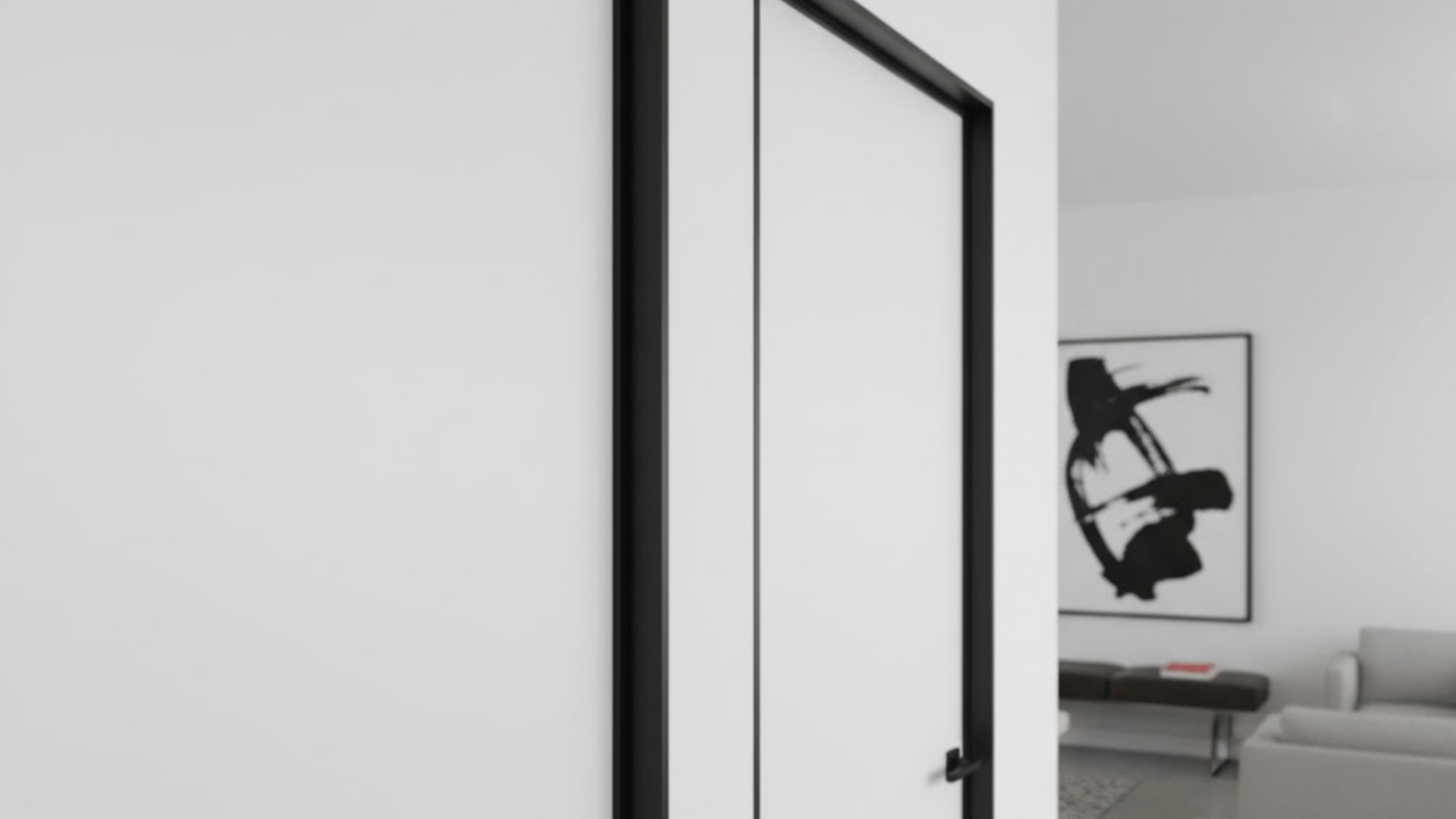
4. Trimless (Flush) Door Frames for an Ultra-Minimal Look
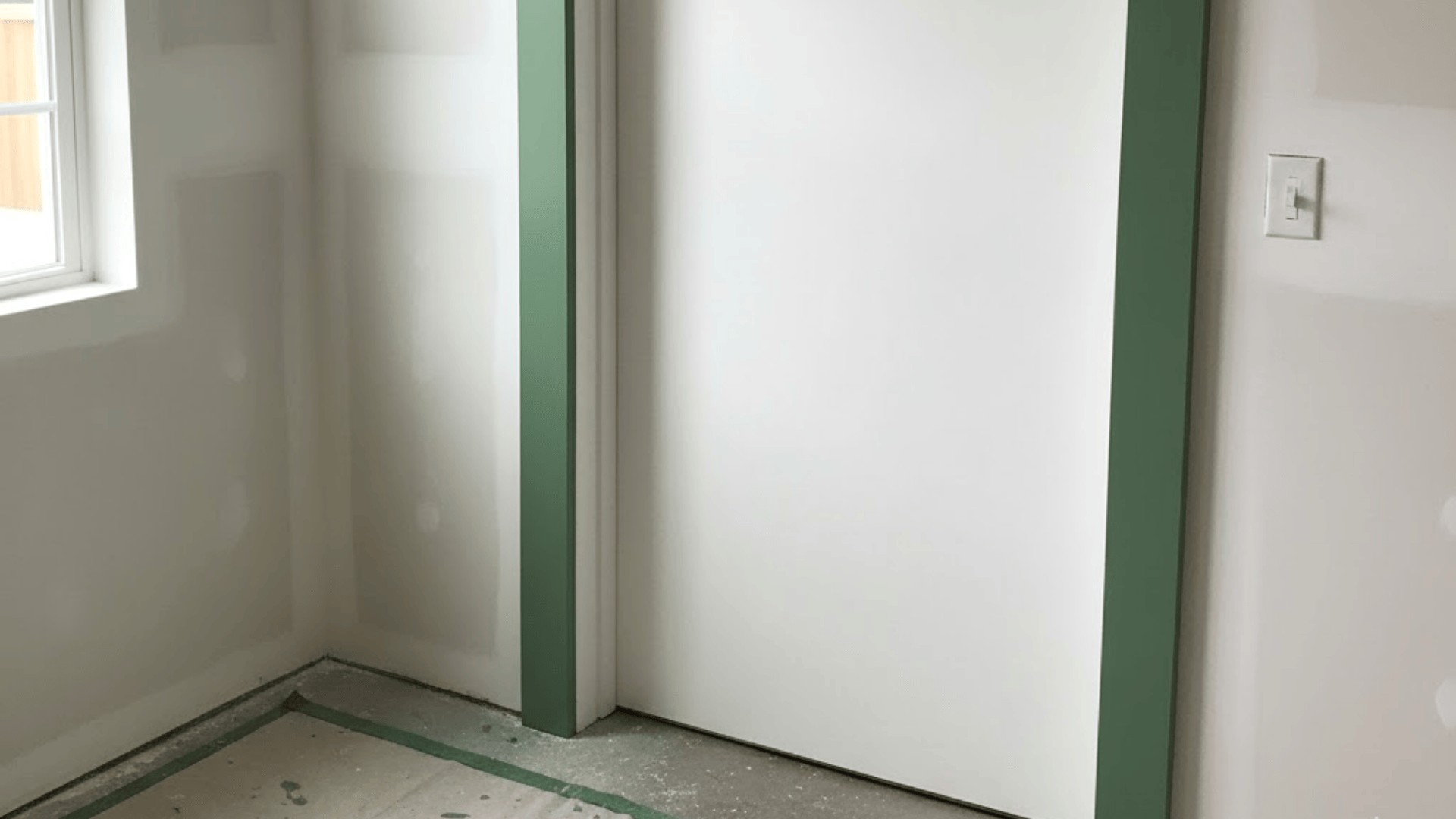
For purists of modern minimalism, trimless or flush door frames represent the pinnacle of sleek interior design. Also known as frameless doors, this technique uses specialized drywall-bead aluminum frames (such as EzyJamb) that allow drywall to be mudded directly up to the door jamb. When the door is closed, it sits perfectly flush with the adjacent wall with only a hairline reveal around the perimeter. This creates a completely seamless, unobtrusive appearance where doors practically disappear into the architecture. It requires meticulous drywall finishing and precise framing, making it ideal for minimalist gallery-style homes and luxury modern renovations.
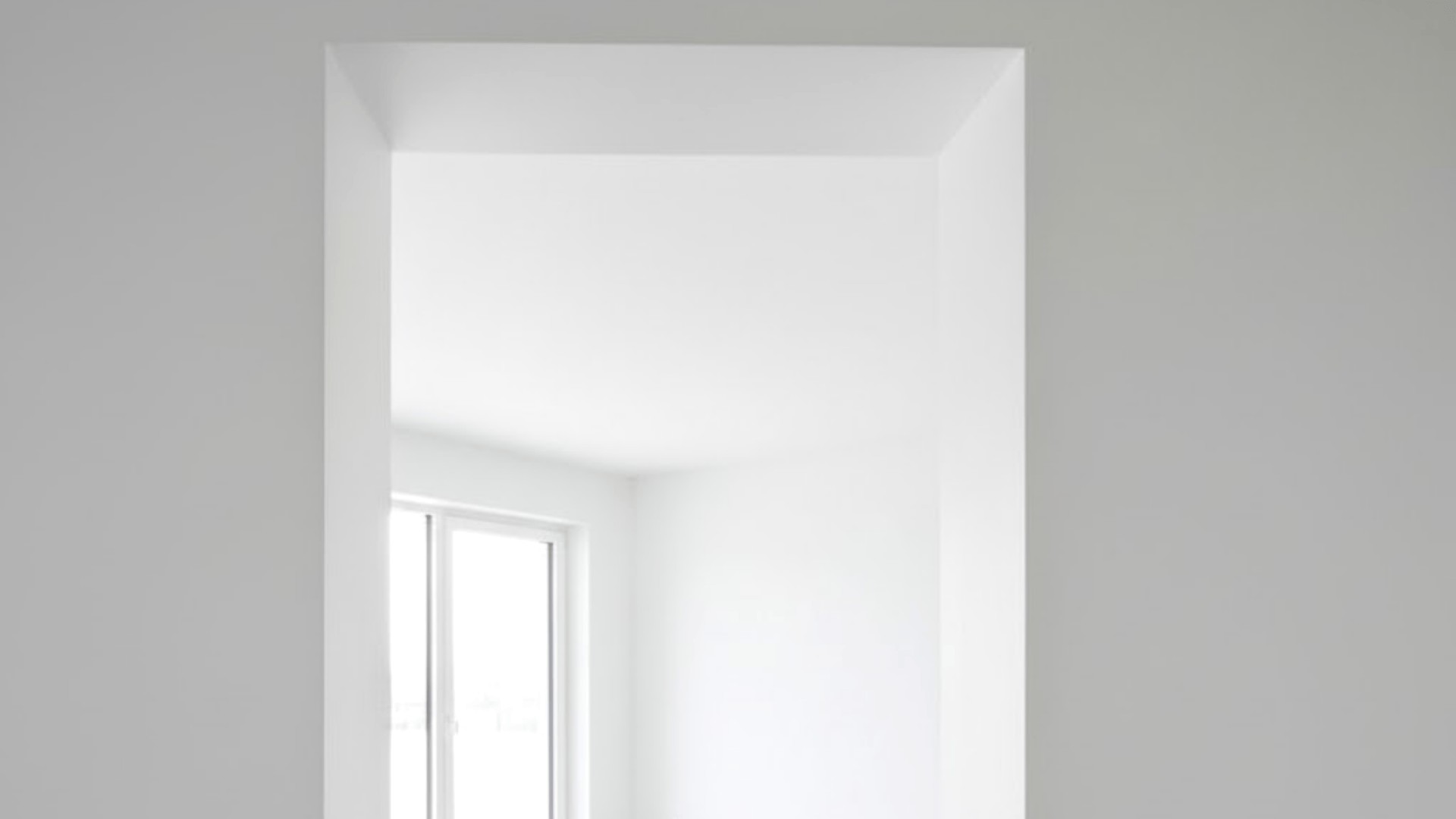
5. Classic Colonial Trim Reinterpreted in a Modern Palette
You can celebrate traditional craftsmanship while maintaining a fresh, modern aesthetic by reinterpreting classic colonial profiled casing with contemporary colors. Traditional multi-tiered colonial trim, featuring stepped beads and ogee curves, takes on a chic, updated persona when painted in moody matte tones like slate grey, olive green, or taupe. This transitional styling approach bridges vintage architectural heritage with modern furniture and lighting. To pull off this look successfully, pair the detailed trim with minimalist modern door levers in brushed nickel or brass, creating an intentional, sophisticated dialogue between classic molding and modern hardware.
Looking for Budget-Friendly Decor Alternatives?
Browse our handpicked styling lookbook with verified vendor links and affordable material alternatives.
6. Trim Painted the Same Color as the Wall for a Seamless Look
Color drenching your walls and door trim in the exact same hue creates a unified, seamless background that makes rooms feel larger and less fragmented. When trim is painted a contrasting white, it creates visual breaks that chop up wall surfaces; painting the casing, baseboards, and walls identically allows the eye to travel freely across the room. This technique works wonders with soft neutrals, moody darks, and rich jewel tones alike. To maintain subtle textural differentiation, paint the walls in a matte or eggshell finish and the door trim in a satin or semi-gloss, allowing light to gently define the architectural molding.
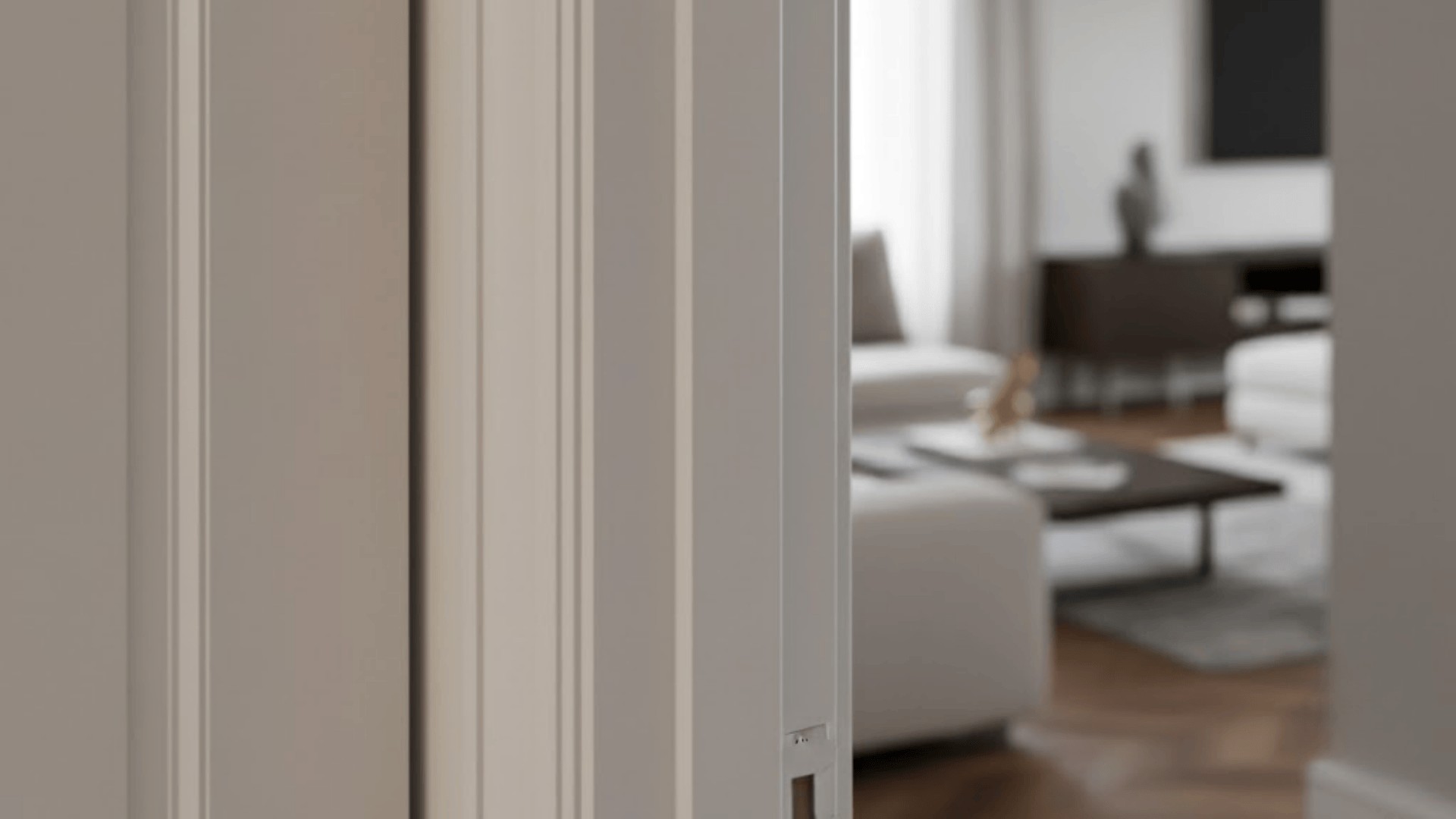
7. Natural Wood Trim for Warmth Against Modern White Walls
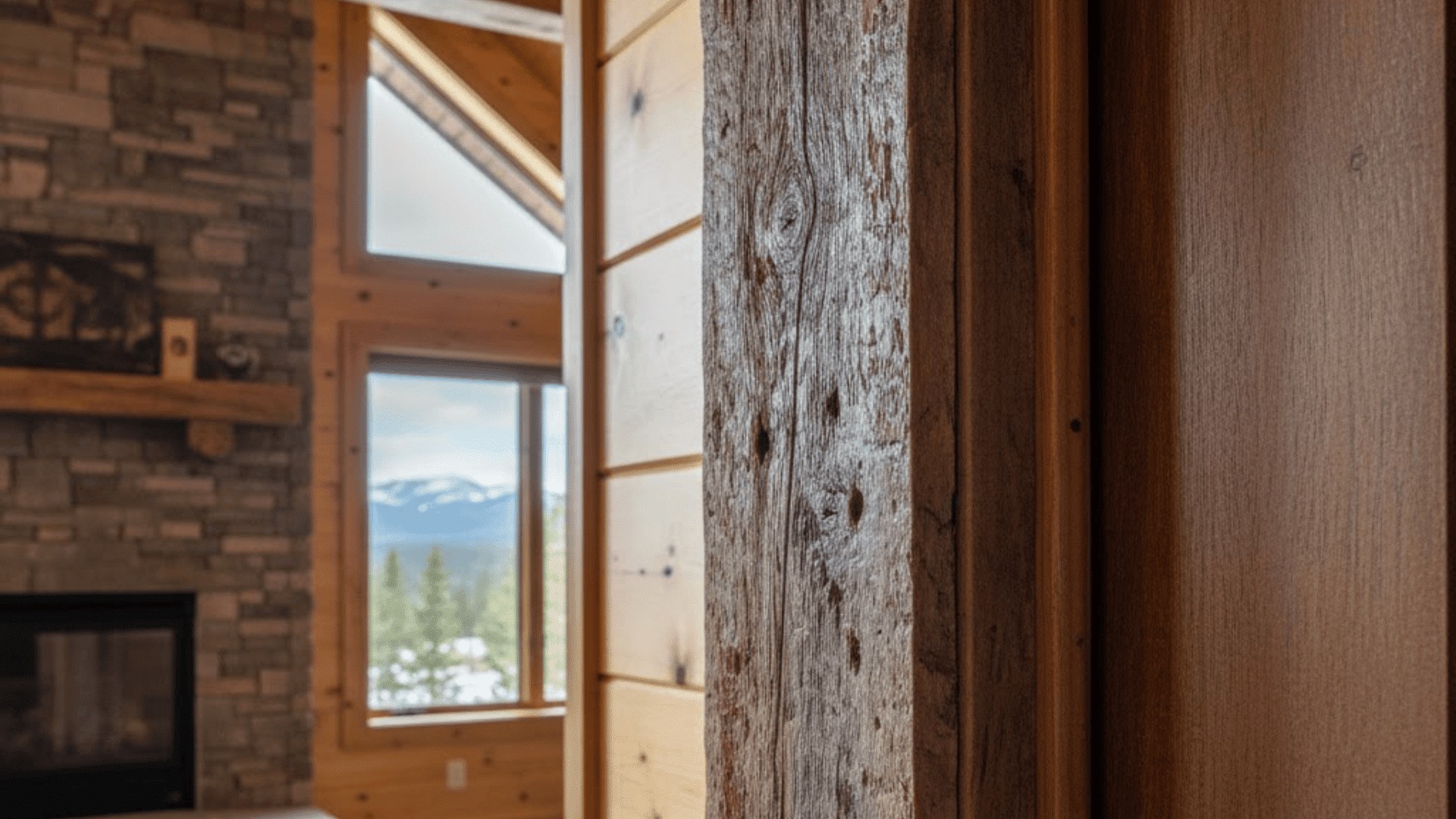
Modern white walls can sometimes feel sterile without organic elements, and natural wood door trim provides the perfect injection of warmth and texture. Unpainted clear-sealed oak, ash, or walnut casing introduces rich wood grain patterns that soften clean contemporary architecture. Natural wood trim creates an inviting organic modern or Scandinavian aesthetic that connects indoor spaces with nature. When specifying natural wood trim, ensure the species and stain tone complement your hardwood flooring or cabinetry. Treat the wood with a clear matte polyurethane or hardwax oil that protects against daily wear while preserving the raw, natural luster of the timber.
8. Fluted Trim Detailing for Subtle Architectural Interest
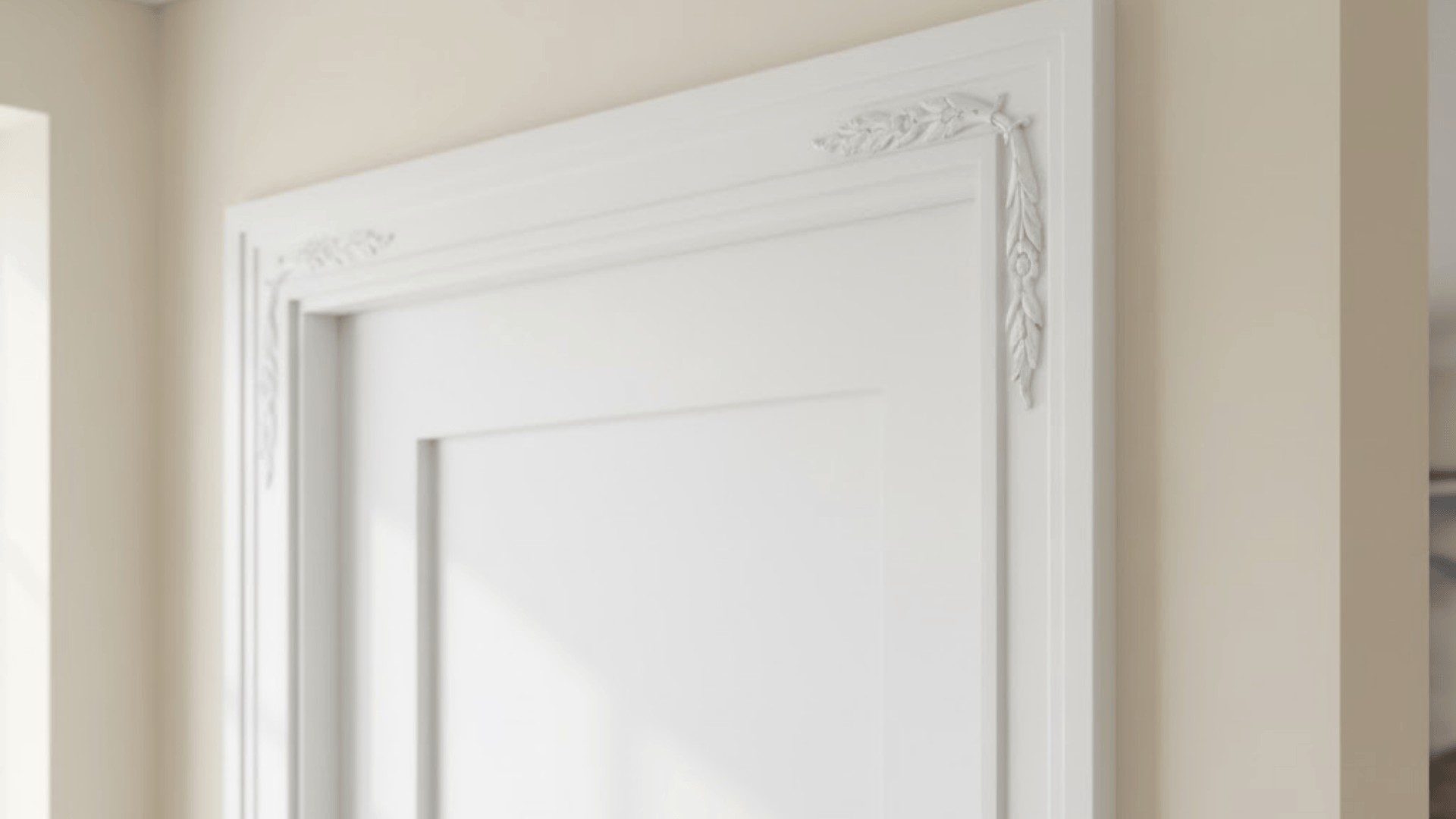
Fluted door trim features parallel vertical grooves carved along the casing's face, adding subtle rhythm, texture, and play of light to modern doorways. While fluting has roots in classical architecture, clean straight-cut flutes feel entirely fresh in contemporary spaces. The vertical grooves cast soft linear shadows that draw the eye upward, accentuating the ceiling height in hallways and entryways. Pair fluted door trim with simple square corner rosettes or cleanly mitered top corners to keep the profile grounded. A semi-gloss paint finish ensures the delicate grooved channels reflect light and clean easily with a microfiber cloth.
9. Slim, Low-Profile Trim for a Streamlined Modern Feel
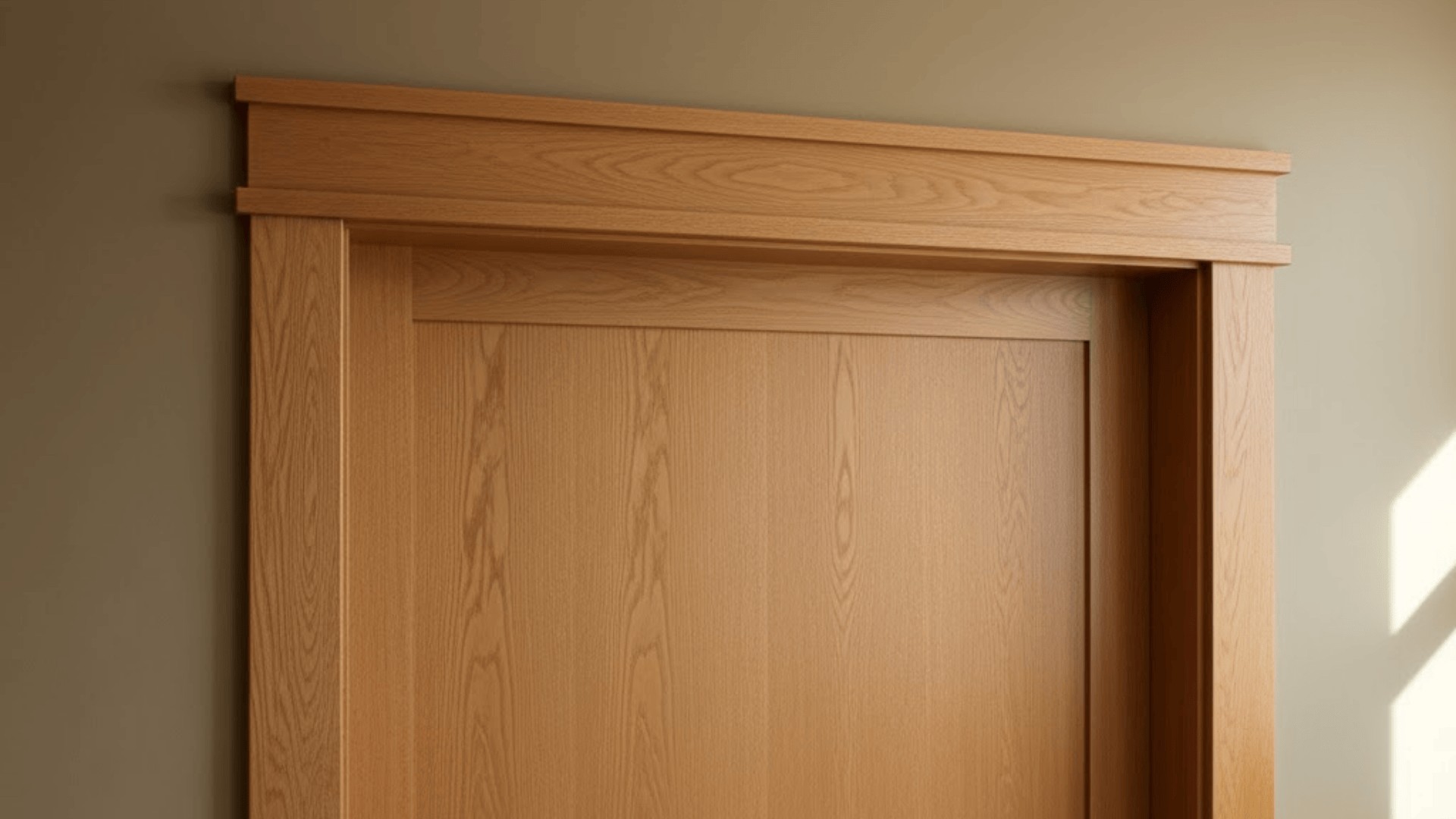
If you love the clean look of trimless doors but want the practical durability and cost savings of traditional casing, slim low-profile trim is the ideal compromise. Measuring just 1.5 to 2 inches wide and around 3/8-inch thick, this slender flat-stock molding hugs the door frame closely. It protects the drywall edge from vacuum cleaners and luggage while keeping the visual boundary exceptionally discreet. Low-profile trim looks best painted in the same color as the wall or in a soft off-white. Use high-density polyurethane or solid hardwood to ensure the slender profile remains perfectly straight and warp-free over time.
10. Two-Tone Trim (Dark Frame, Light Wall) for Contrast
A two-tone approach—pairing a dark painted door frame with light neutral walls and doors—creates a crisp, graphic picture-frame effect around room entries. This styling technique celebrates the door opening as an architectural focal point, creating depth in long corridors and transitional spaces. Consider painting the casing in rich charcoal, chocolate brown, or deep navy while keeping the surrounding drywall in soft warm cream. To anchor the look, carry the dark trim color down to the baseboards, creating a continuous grounding ribbon that ties the room's doorways and perimeter together with designer sophistication.
11. Square-Edge Trim for a Crisp, Contemporary Look
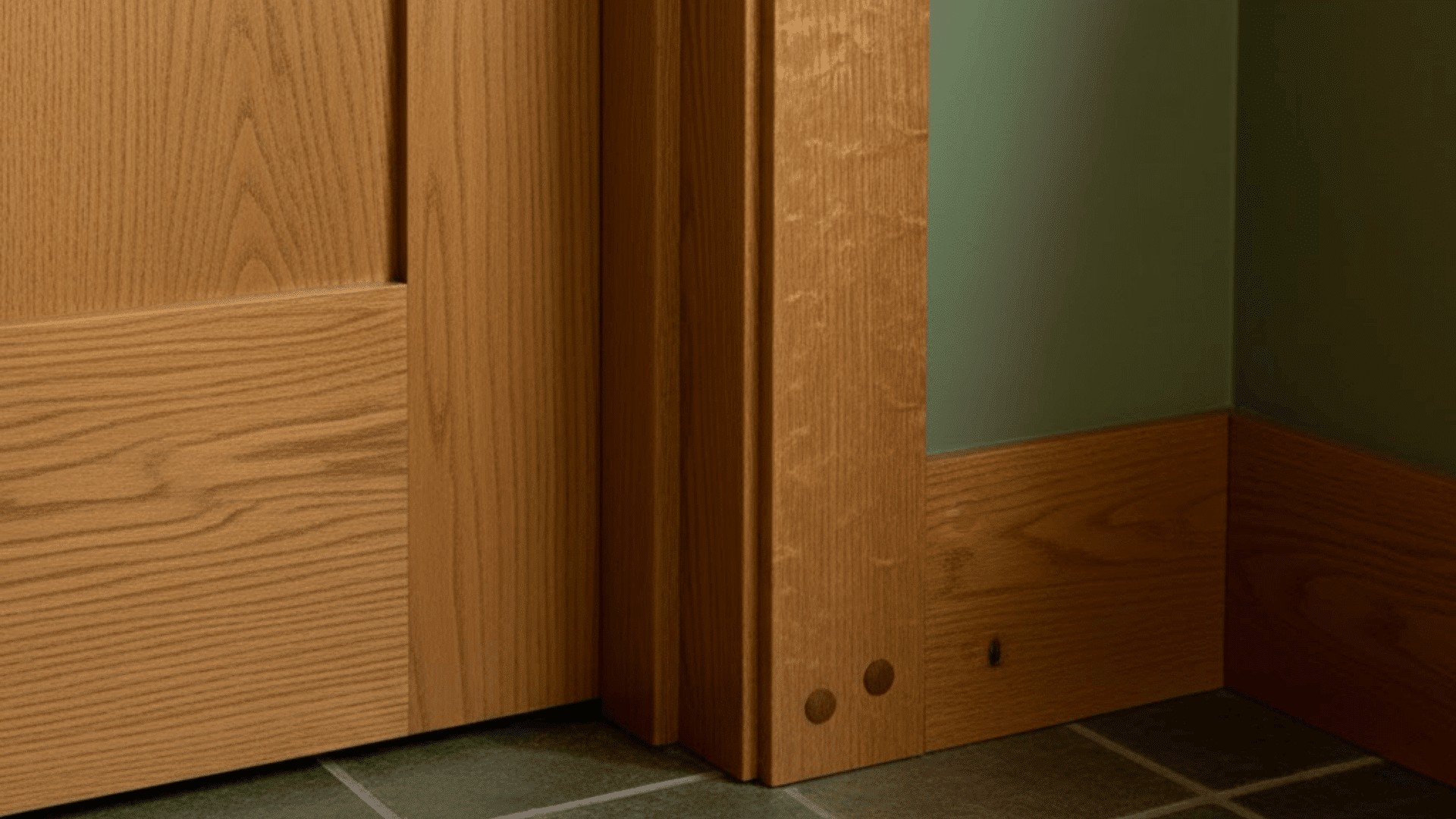
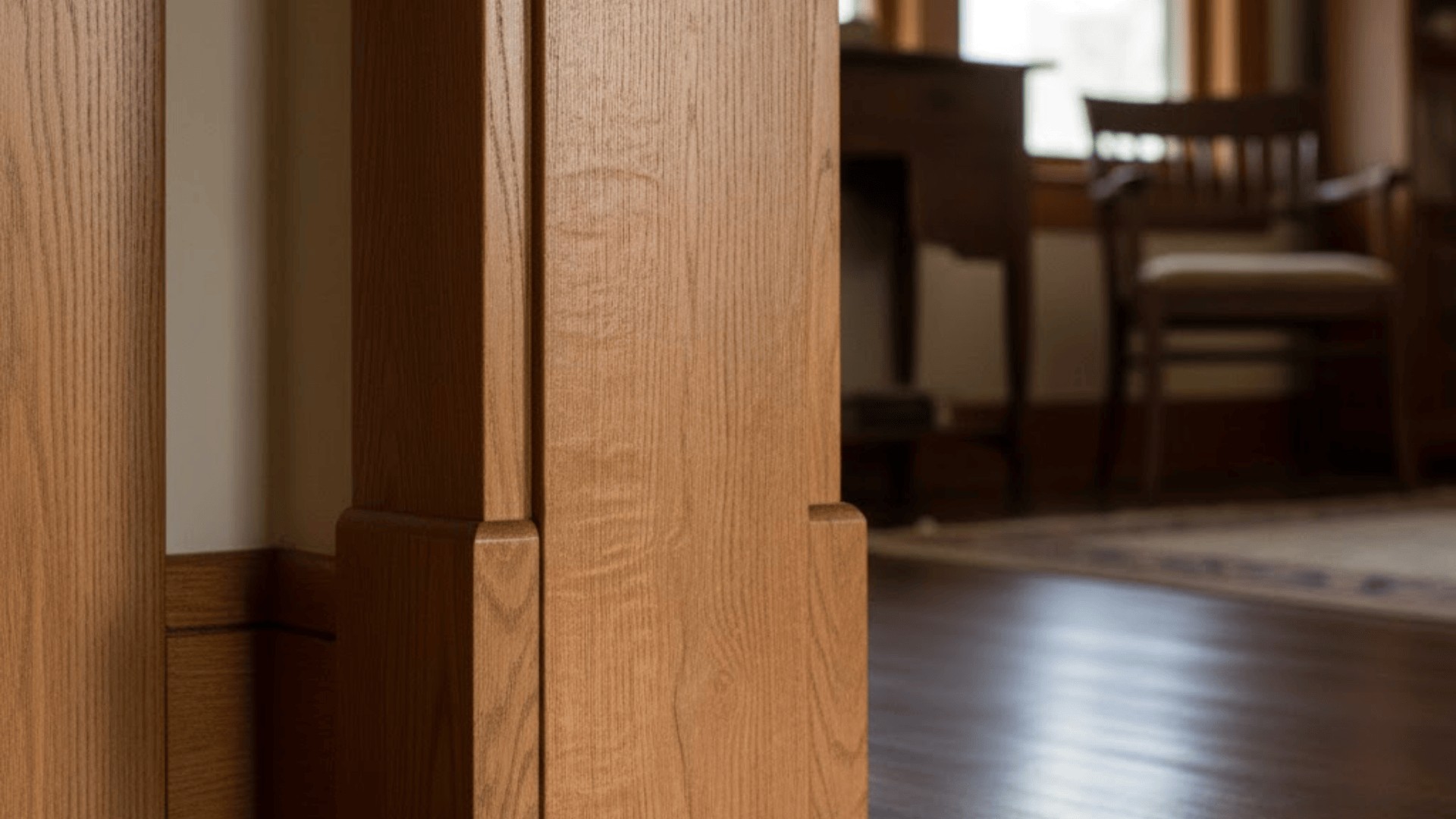
Traditional casing often features rounded easing along its outer edges, but modern contemporary interiors benefit immensely from true square-edge trim. Featuring precise 90-degree outer corners, square-edge flat casing establishes sharp shadow lines that define doorways with geometric precision. This style is often used in Craftsman-inspired modern hybrids and industrial lofts. Because sharp outer edges are more prone to chipping, choose primed poplar or high-density MDF and use a durable multi-coat paint system. Ensure all butt joints and miter corners are glued and nailed securely with 18-gauge brad nails for enduring stability and flawless alignment.
12. Trim with Integrated Shadow-Gap Detailing
Shadow-gap or reveal trim is a favorite technique among contemporary architects. It involves leaving a precise 1/2-inch recessed channel (reveal) between the door casing and the finished drywall. This recessed gap creates a floating effect, where the door frame appears detached and hovered within the wall plane. The continuous shadow line adds rich architectural depth and sophisticated modern refinement without adding bulky exterior molding. Specialized aluminum reveal beads (like Fry Reglet) make installation straightforward, providing clean, crack-resistant metal edges that produce crisp, permanent architectural shadows.
13. Matte Black Trim Paired with Matte Black Door Hardware
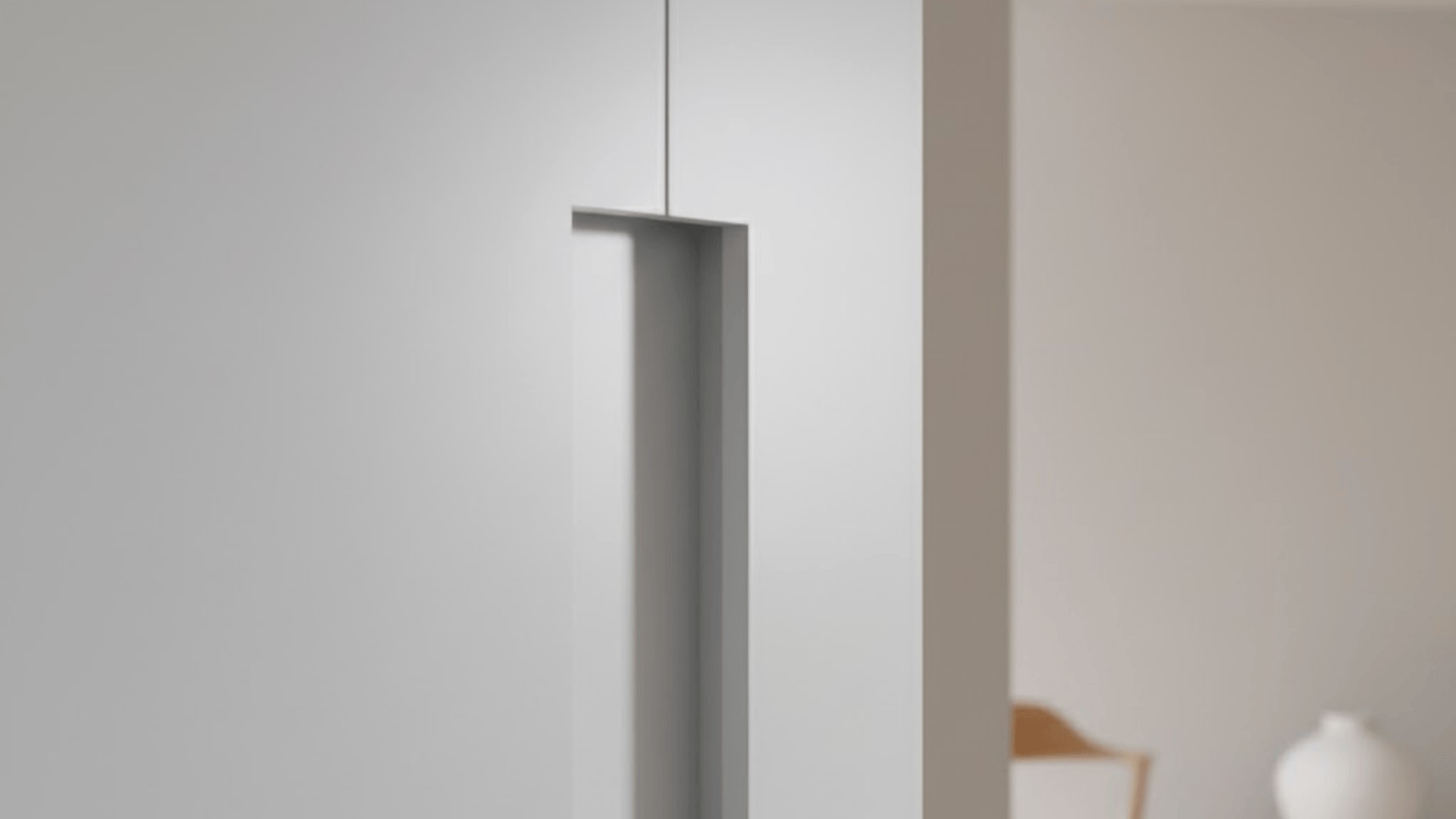
Creating a monochromatic dark entryway by pairing matte black door trim with matching matte black doors and hardware delivers an ultra-sleek, luxurious aesthetic. The deep black tones absorb light, giving the doorway a monolithic, sculptural presence. To keep the look cohesive, select architectural minimalist hardware such as squared tubular levers and square-corner hinges in an electroplated matte black finish. This dark ensemble pairs stunningly with warm wood flooring and light textured plaster walls, creating a high-contrast focal point that feels straight out of a high-end design boutique.
14. Wide Trim with a Stepped, Layered Profile
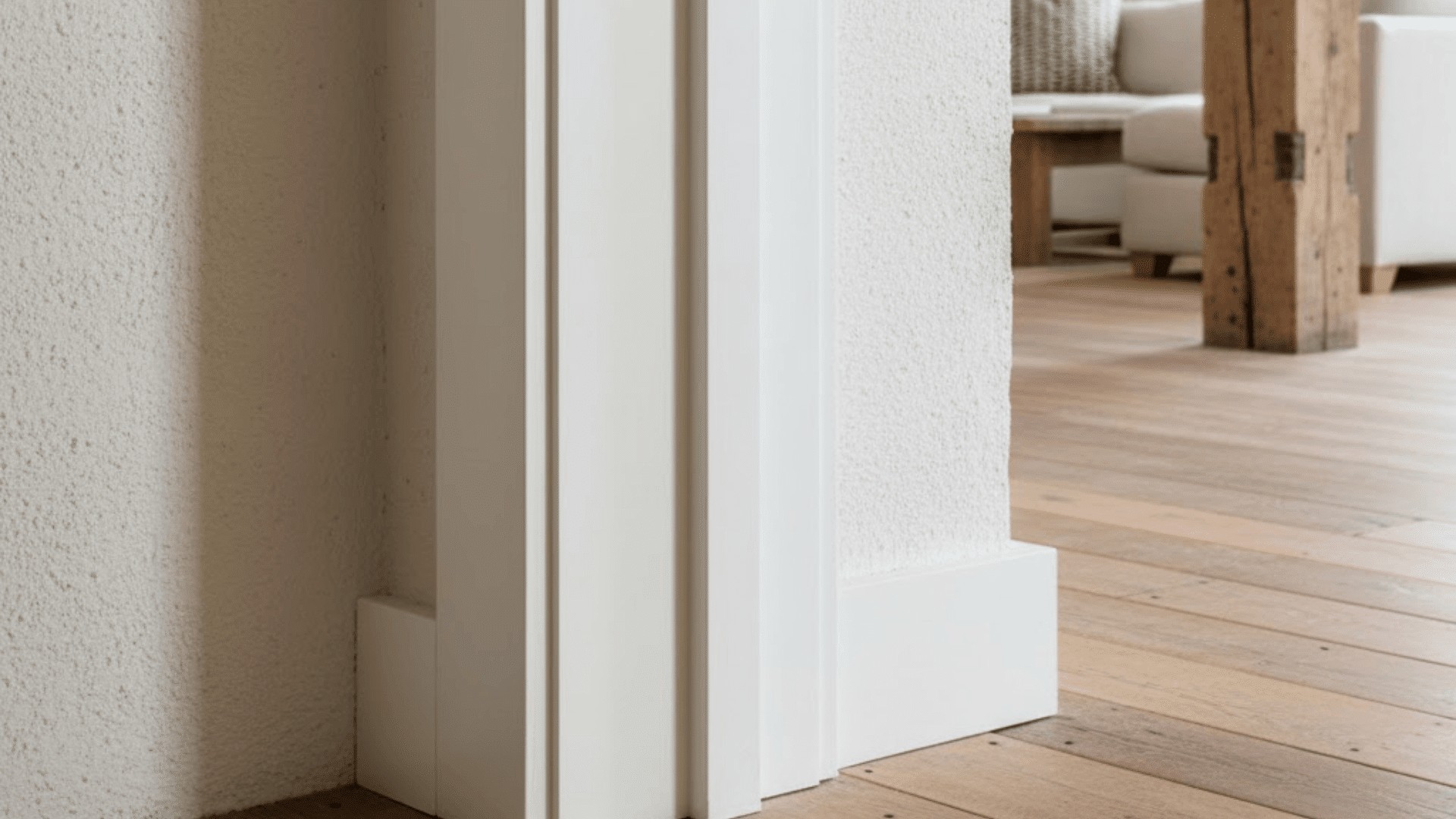
For modern homes that desire more depth than a simple flat board can offer, wide trim with a stepped, layered profile is the perfect solution. This profile uses flat, tiered steps of varying depths that create geometric shadow lines without traditional rounded curves. The staggered tiers catch ambient light at different angles, giving door openings a stately, custom-built feel that works beautifully in large living rooms and open-plan foyers. Paint the stepped casing in a clean white satin finish to emphasize the geometric tiers, and pair it with matching stepped baseboards for consistent architectural harmony.
15. Trim Painted a Bold Accent Color for a Playful Statement
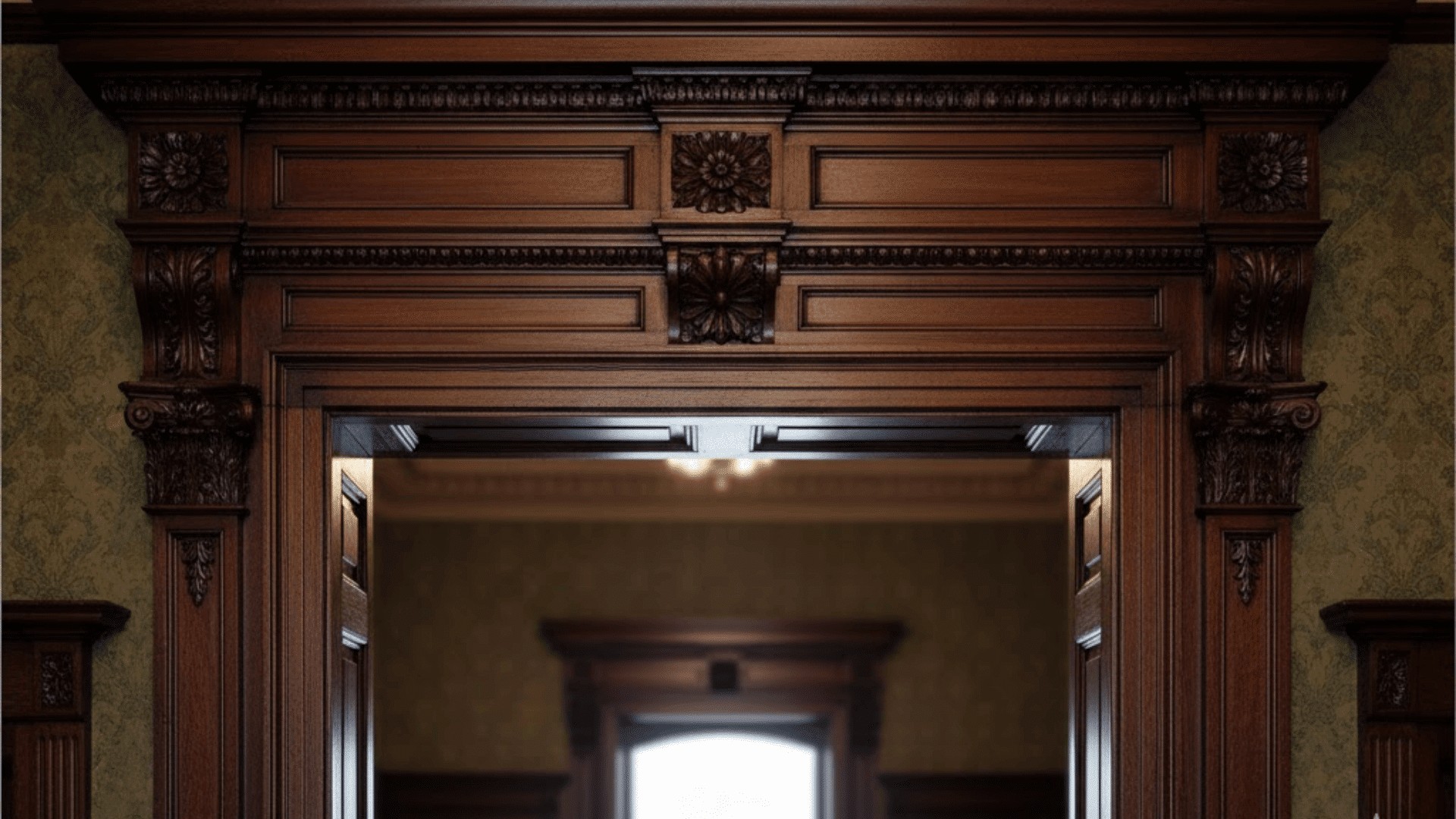
If you want to inject personality, joy, and unexpected creativity into your interior design, paint your door trim in a vibrant accent color. Cheerful mustard yellow, vibrant cobalt blue, olive green, or terracotta trim transforms an ordinary doorway into a playful architectural feature. This approach works especially well in children's rooms, home offices, and laundry spaces where design can be adventurous. Keep the adjacent wall surfaces in a quiet off-white or soft grey so the colorful trim remains the undeniable star of the room, turning everyday transitions into delightful visual moments.
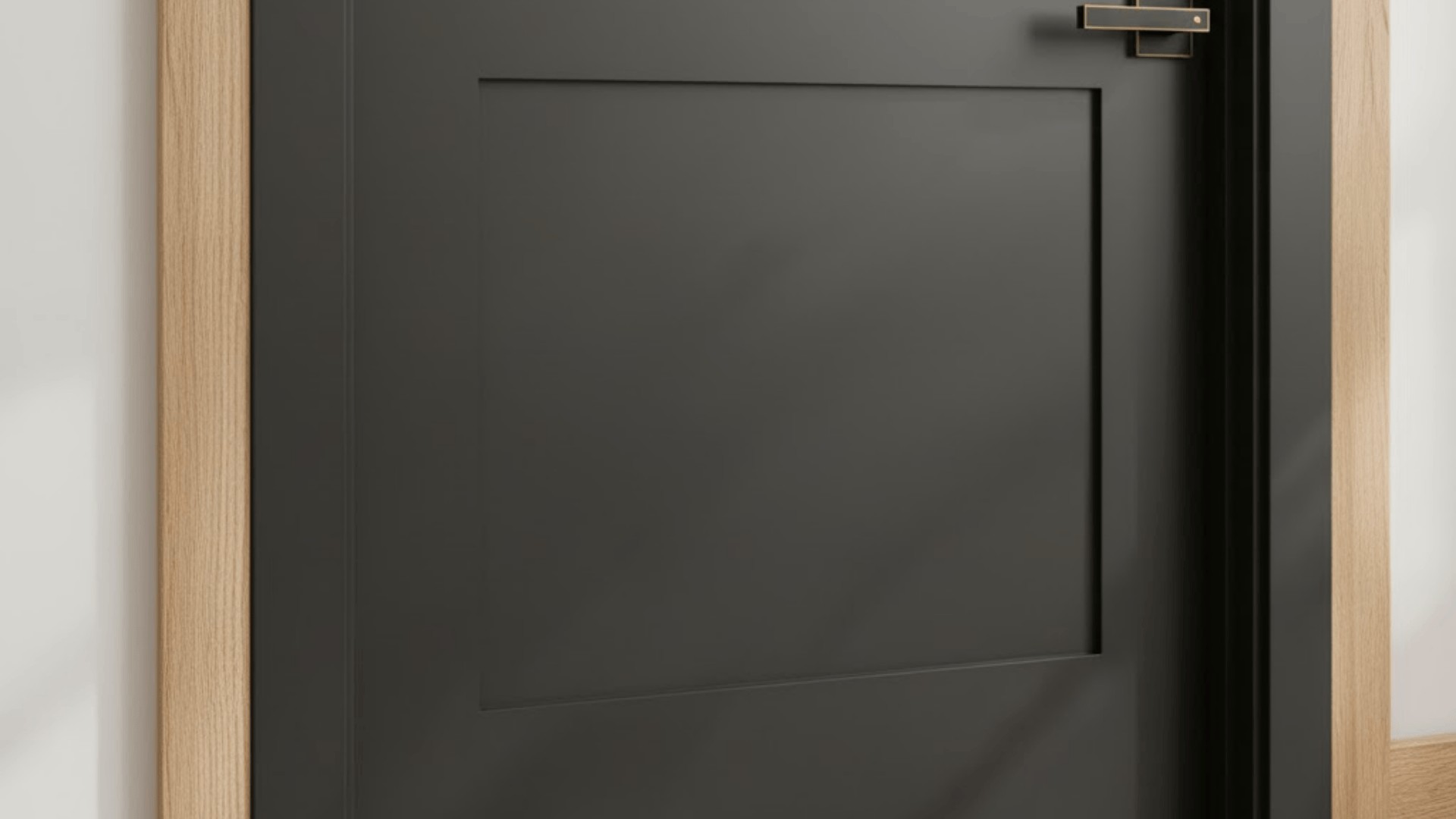
16. Natural Wood-Stained Trim for a Warm, Modern-Organic Look
Staining wood door casing in rich walnut, warm chestnut, or honey tones brings modern-organic elegance into the home. Unlike painted trim, wood-stained casing highlights the natural knots, swirls, and color variations inherent in natural timber. This trim style pairs exceptionally well with organic modern decor, lime-washed walls, linen drapery, and woven rugs. To prevent the wood trim from looking dated or orange-toned, choose a low-sheen matte clear coat and opt for stains with neutral or cool-brown undertones that feel contemporary, earthy, and refined across every room.
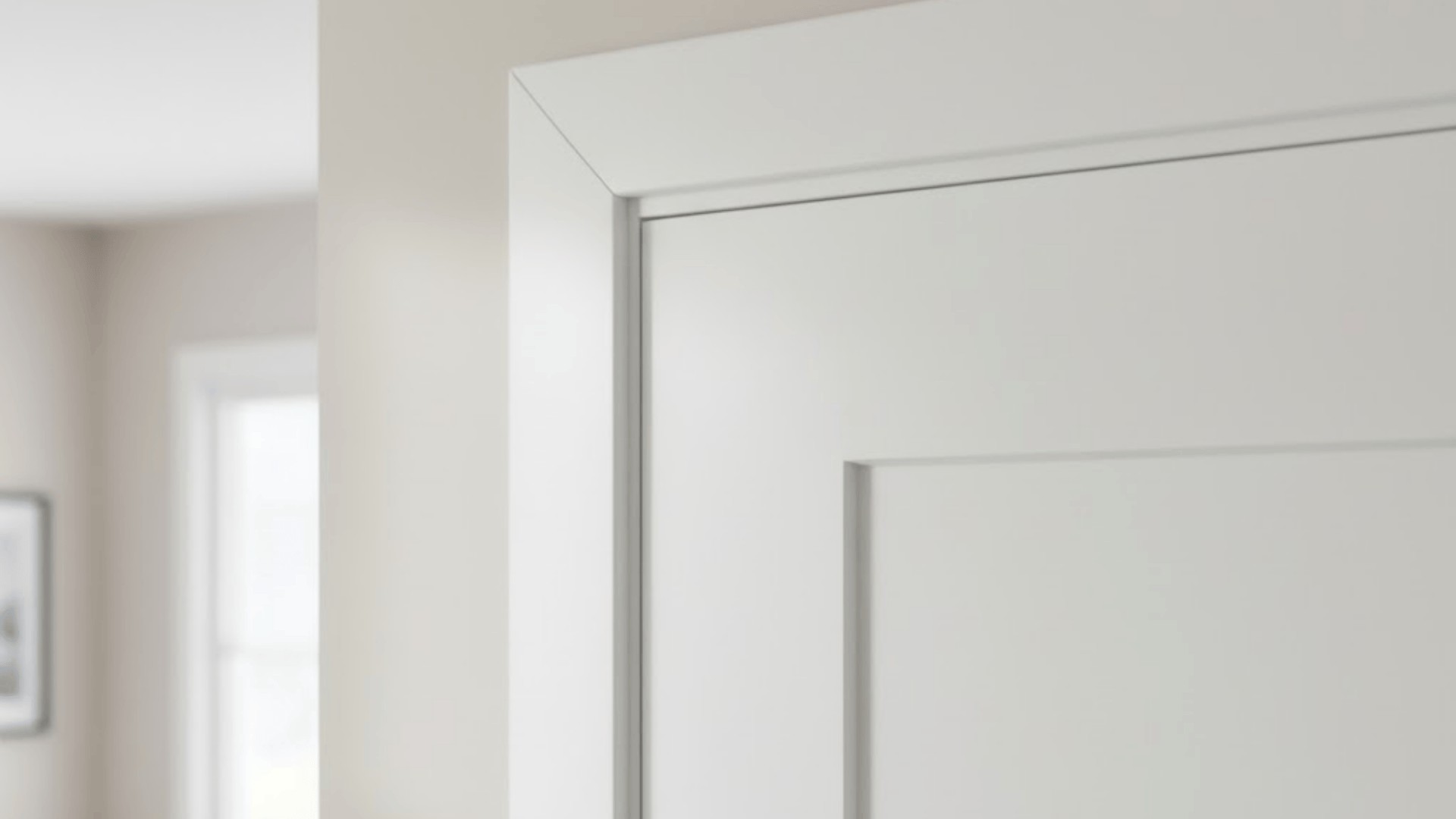
17. Trim That Wraps Continuously into Wall Paneling
For an integrated, high-end architectural look, design your door trim so it extends continuously into surrounding wall paneling, board-and-batten, or vertical slat walls. When the door casing shares the exact same depth, material, and spacing as the wall paneling, the door opening becomes an organic component of the overall wall construction. This unified treatment creates a bespoke, custom-tailored environment that elevates master bedrooms and formal dining areas. Paint the entire wall and trim system in a single saturated color like deep forest green or moody navy for an immersive, luxurious sanctuary.
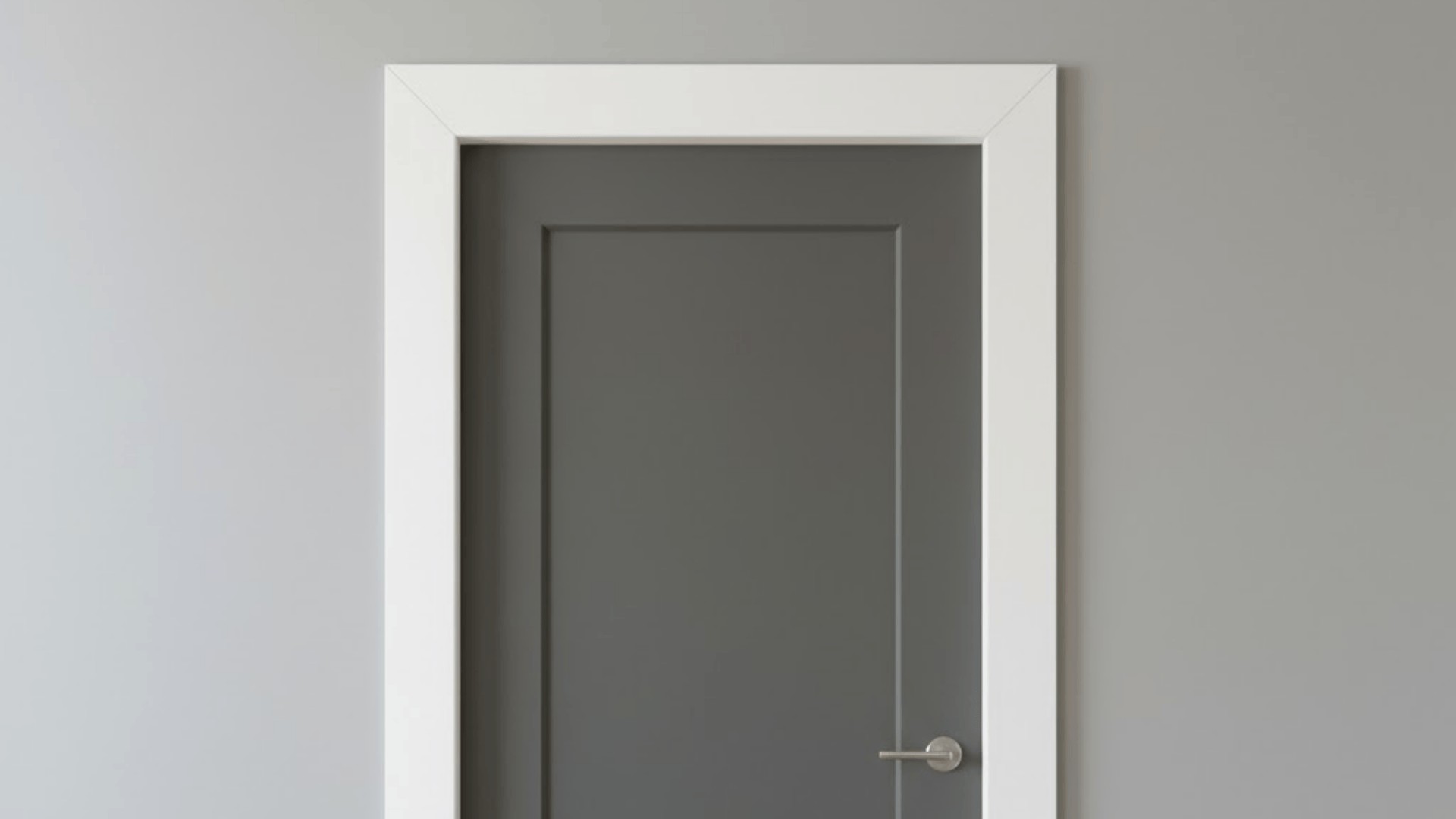
18. Rounded/Bullnose Trim for a Softer Modern Edge
While sharp square edges dominate contemporary styling, rounded or bullnose door trim provides a softer, warmer modern alternative. Bullnose casing features a gentle radius along its outer and inner edges, eliminating sharp corners and creating smooth, fluid transitions. This soft-edge profile is wonderful for homes embracing curvy, organic modern furniture, arched openings, and plaster finishes. Bullnose trim is also exceptionally child-friendly, as there are no sharp edges to bump into. Paint in a warm ivory or beige semi-gloss to accentuate the soft curvature and gentle light reflections.
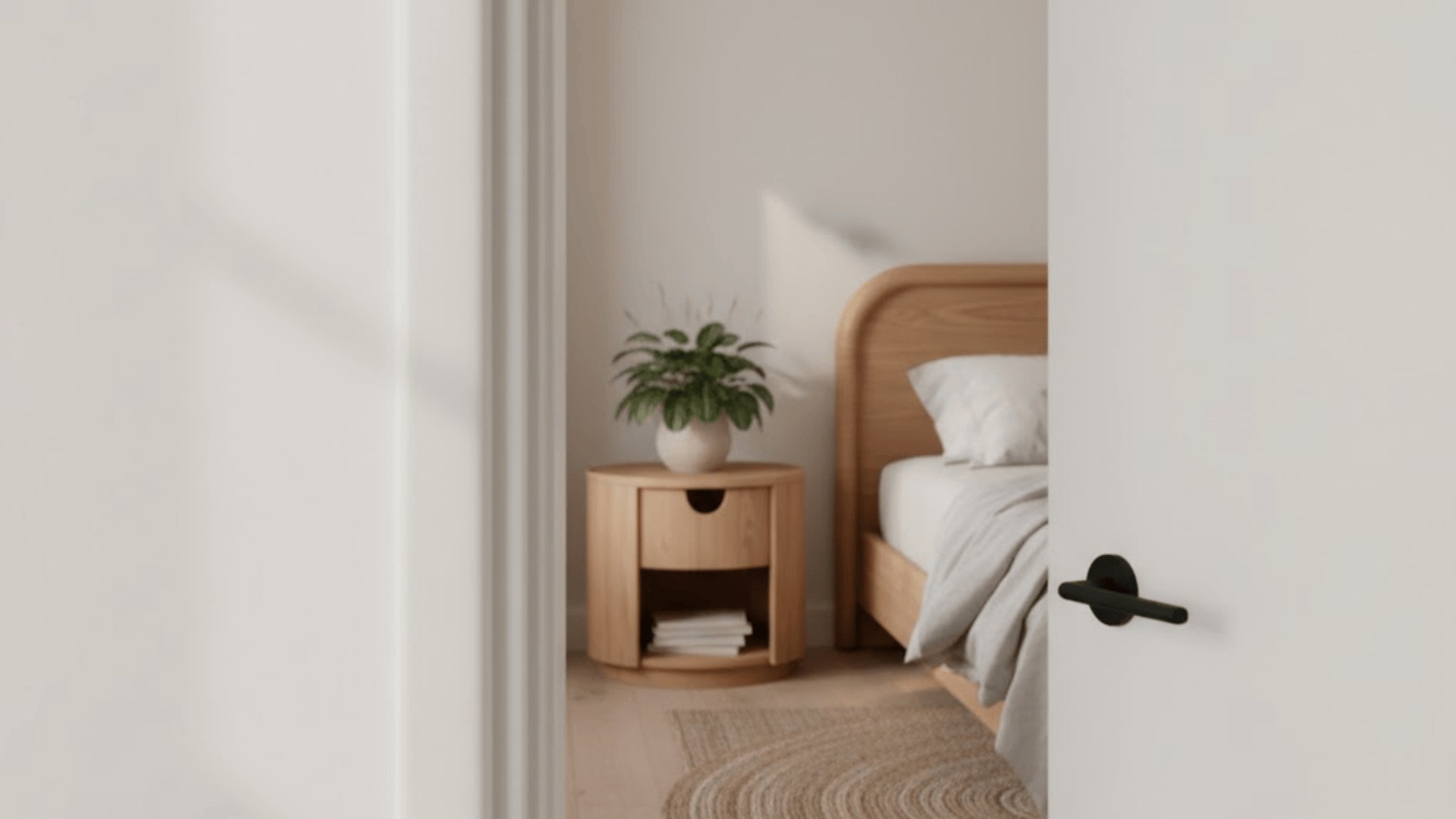
19. Glossy Painted Trim for a Polished, Reflective Finish
Applying a high-gloss lacquer or enamel paint to your modern door trim adds an instant touch of glamour and luxury. The reflective surface catches natural daylight and artificial ambient lighting, creating a lustrous gleam that contrasts gorgeously with matte wall finishes. Glossy trim works wonders in formal dining rooms, entries, and master suites where you want to highlight architectural millwork. Because high-gloss finishes reveal every imperfection, ensure the wood is meticulously sanded, filled with wood putty, and primed with an oil-based primer before applying two coats of top-grade gloss enamel.
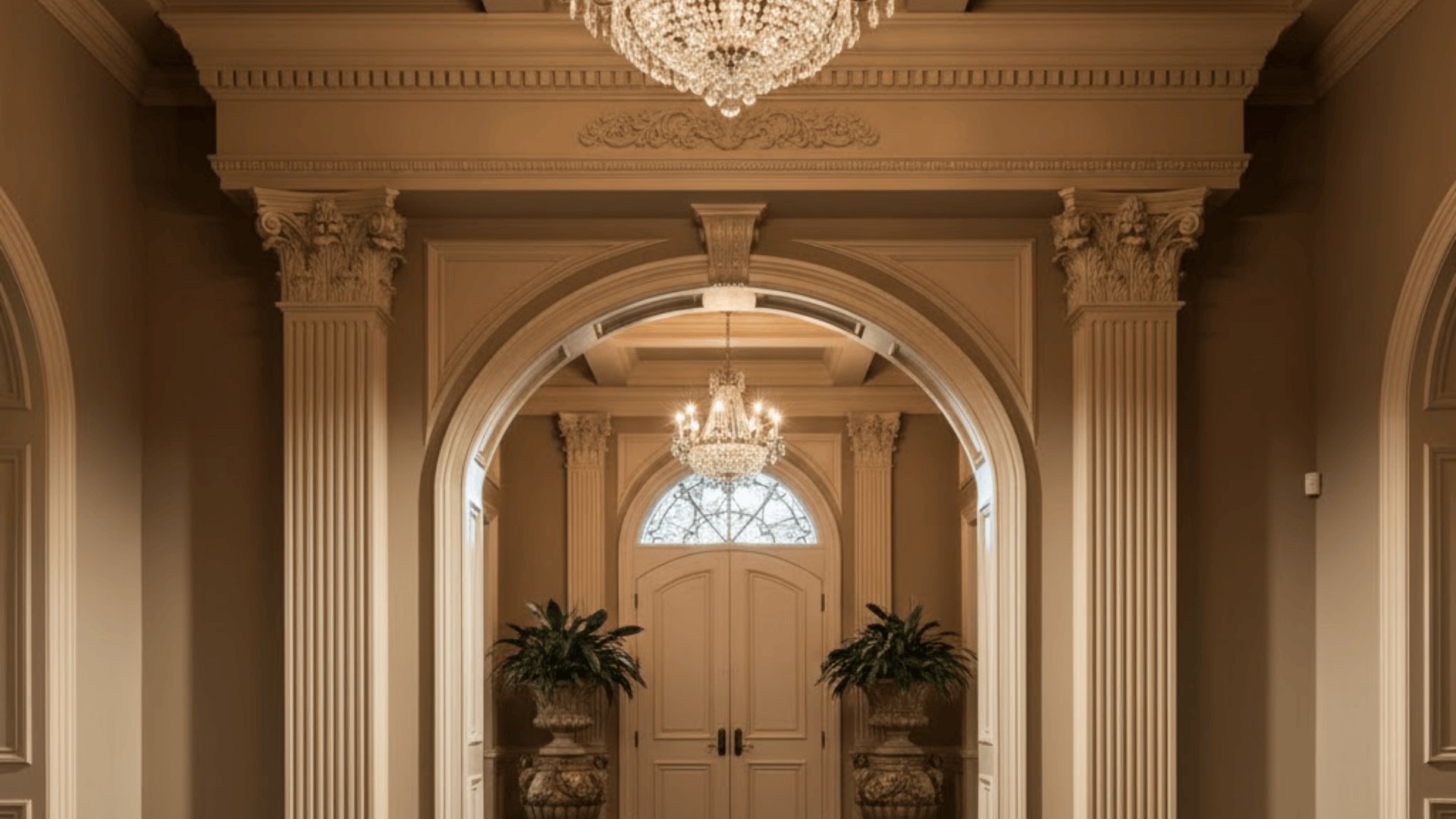
20. Trim Color-Matched to the Door for a Monochromatic Look
Painting both the door and its surrounding casing in the exact same contrasting color creates a bold, unified architectural statement. When a dark grey, navy, or sage door is framed by matching casing against a white wall, the entire opening acts as a singular design feature rather than two separate elements. This monochromatic framing technique gives standard interior doors the weight and presence of custom architectural portals. Complete the look by selecting metallic hardware in warm brass or polished chrome to create a dazzling jewelry-like contrast against the color-matched door ensemble.