1. Single-Step Border False Ceiling with Edge Lighting
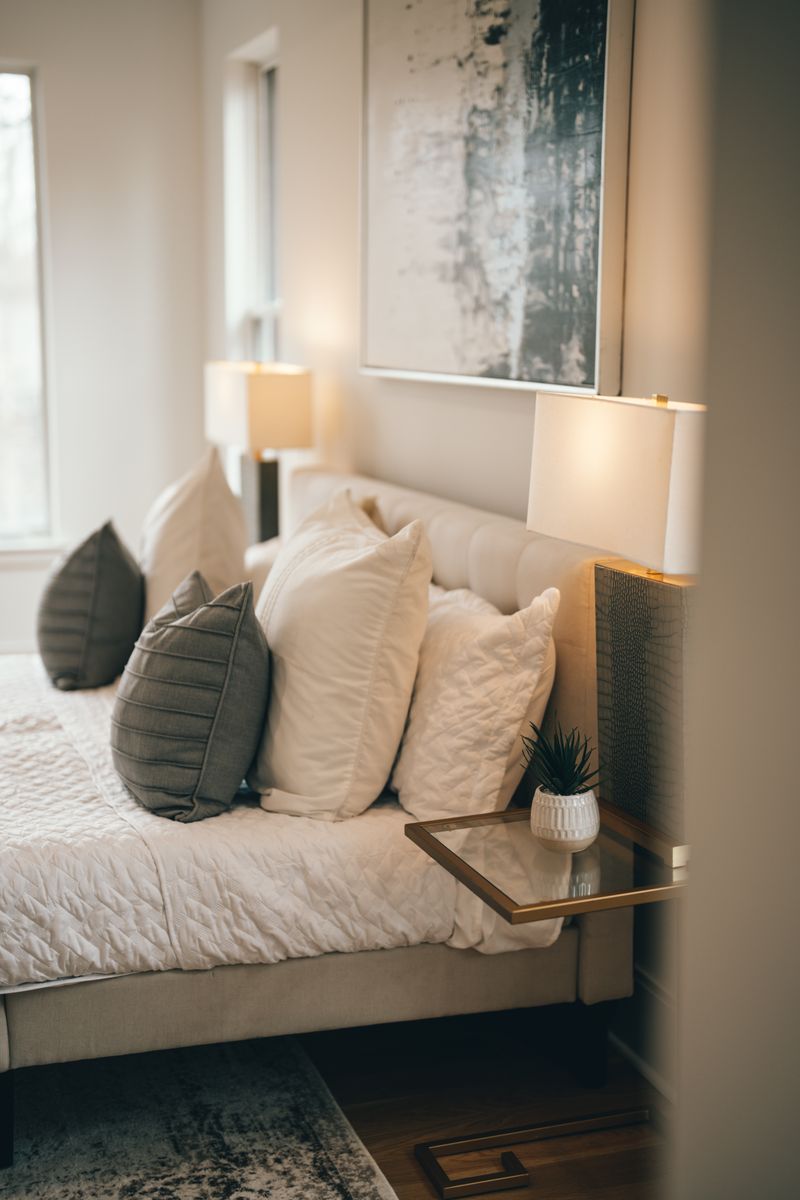
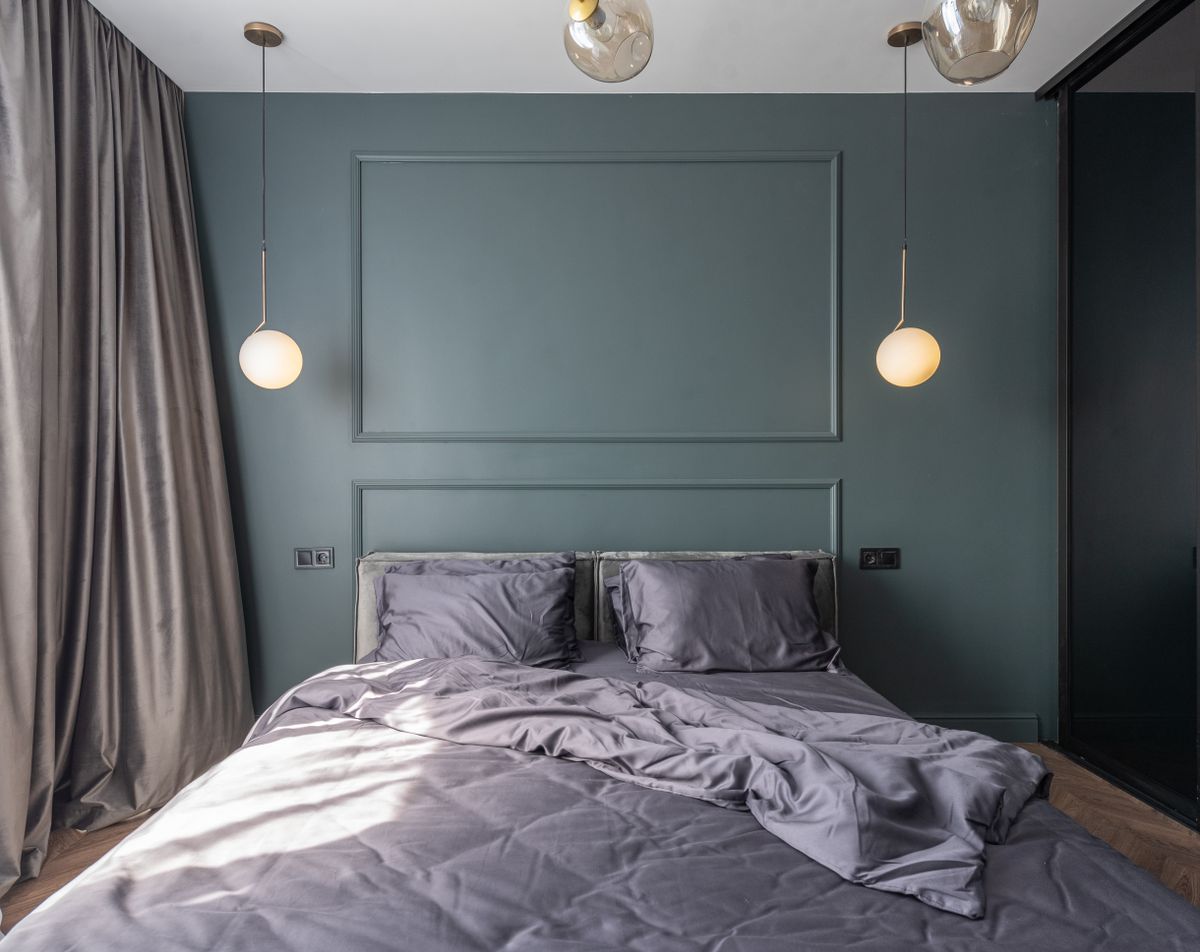
A single-step border ceiling drops slightly along the perimeter of the bedroom, leaving the main center area flat. Lay warm LED strip lights along the inner edge of the border. The light projects inward, washing the central ceiling in a soft, glowing highlight. This simple level change frames the sleeping layout cleanly, adding visual depth without looking heavy or cluttered.

2. Flat Ceiling with a Recessed Light Channel
This design maintains a flat ceiling profile but incorporates a narrow, recessed channel running around the perimeter. Install small, flush spotlight points inside the channel to project light down the walls. The recessed channel breaks up the plain plasterboard surface, creating shadow lines that add architectural depth, helping windowless layouts feel bright and modern.
3. Minimalist Tray Ceiling with One Subtle Level Change
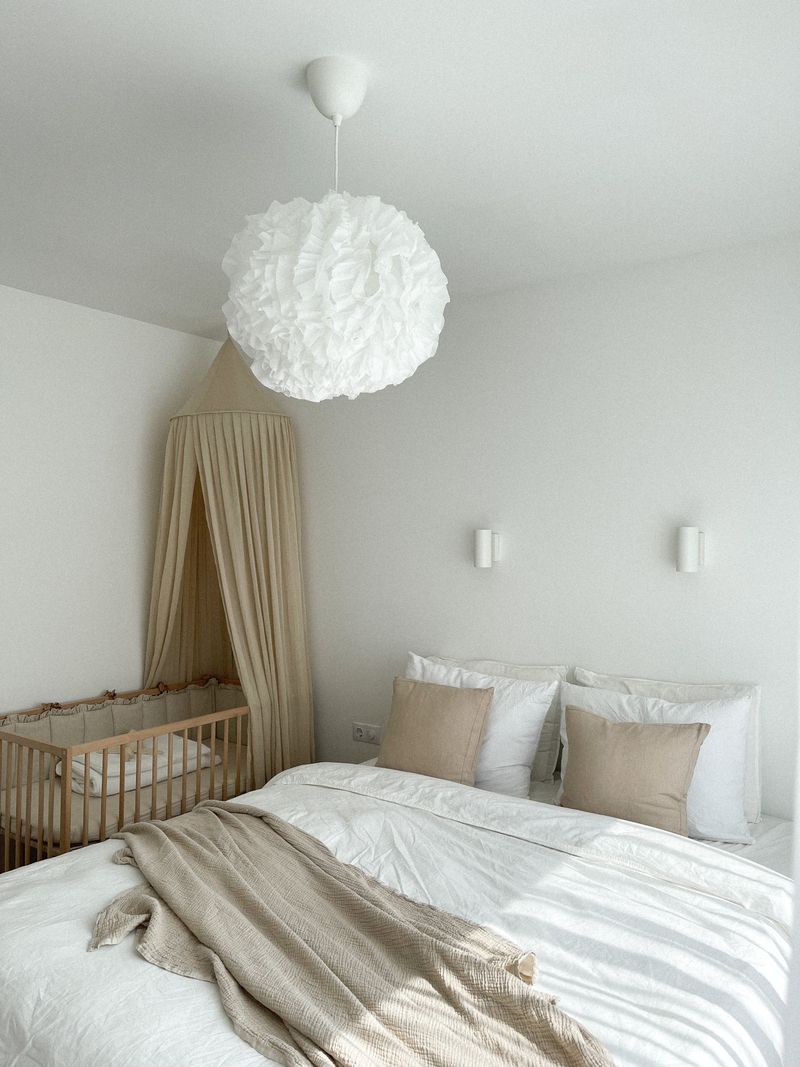
A minimalist tray ceiling features a single, shallow recessed panel in the center of the bedroom. The shallow level change creates a clean border around the central bed layout. Paint the tray a warm sand or cream to reflect natural morning daylight softly, establishing a quiet, restful environment that coordinates with wood furniture.

4. False Ceiling with a Single Centered Light Strip
Run a single, narrow recessed light strip down the center of a flat ceiling, aligning it with the middle of the bed. The continuous line of warm LED light guides the eye forward, visually lengthening the layout of a narrow bedroom. This minimalist detail provides focused ambient light, replacing bulky light fixtures with a modern, integrated light line.

5. Soft Curved-Edge Ceiling Detail for Gentle Depth
Soften the corners of a recessed ceiling panel by using rounded gypsum curves. The curved edges guide natural daylight smoothly across the plaster, casting soft shadows. Run hidden LED strip lights along the curves to create a floating ceiling effect, which coordinates beautifully with rounded headboards and organic bedroom styles.

6. Simple Wood-Tone Ceiling Trim for Definition
Add definition to a flat ceiling by installing a thin wood-tone trim along the wall boundaries. Select light oak or warm walnut molding strips to draw a clean border. The natural wood grain breaks up the flat white paint, bringing organic texture and warmth that coordinates with bedside tables and wooden flooring.

7. Single Accent Panel on an Otherwise Flat Ceiling
Mount a single, thin rectangular gypsum panel directly over the head of the bed, keeping the rest of the ceiling flat. Paint the panel a soft accent color to coordinate with your bedding. This subtle drop frames the sleeping area visually, defining the bed layout cleanly without requiring complex multi-level construction.
8. Shadow Gap Detailing for a Clean, Architectural Line
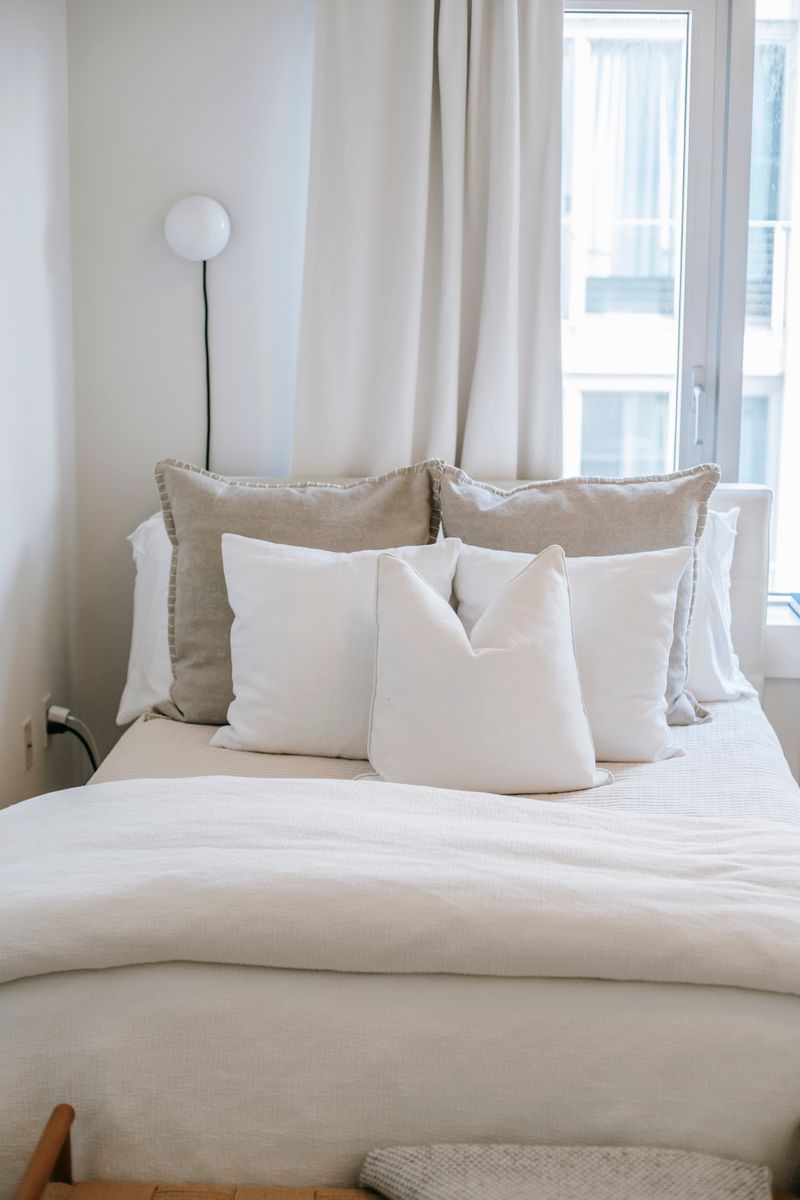
A shadow gap involves leaving a tiny, half-inch recess between the false ceiling edges and the walls. The gap creates a continuous dark shadow line that frames the room. This minimalist, architectural detail hides paint seams and makes the ceiling look like it is floating, adding modern depth without any extra bulk.
9. Matte-Finish Ceiling with Subtle Recessed Lighting
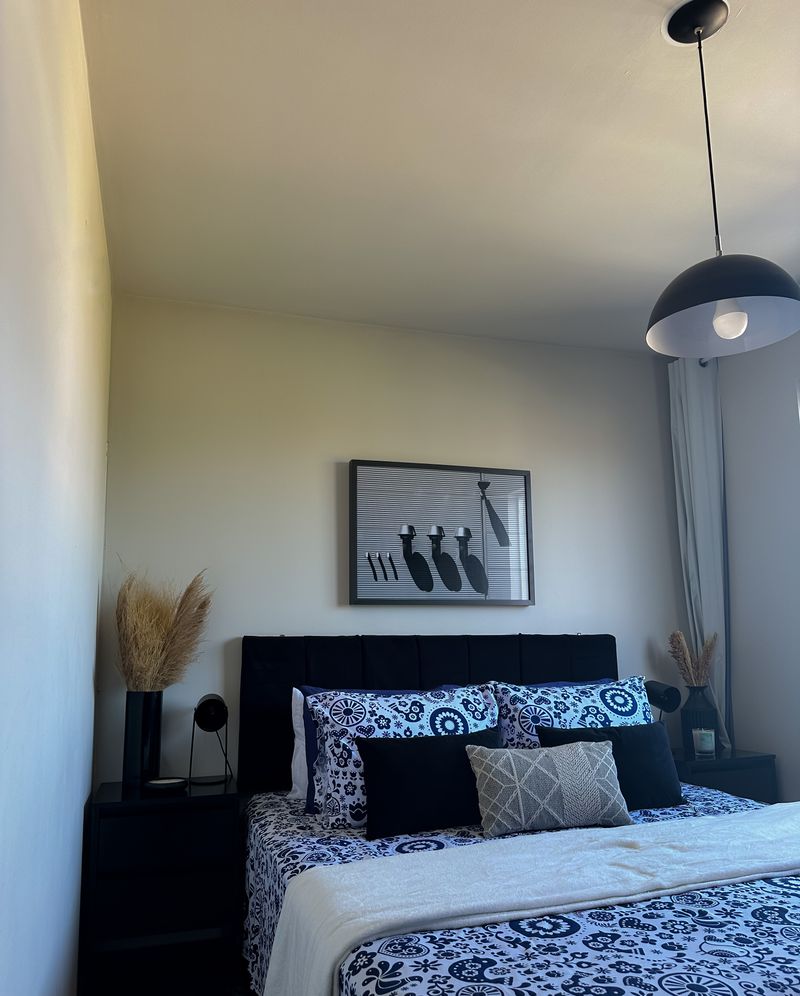
Using flat, matte white paint on a smooth plaster ceiling helps diffuse natural daylight evenly. Pair the matte finish with small, flush recessed spotlight points. Dimmable warm spotlights cast soft light cones along the walls, creating a cozy evening atmosphere that highlights the height of the bedroom cleanly.
10. Minimal Geometric Outline
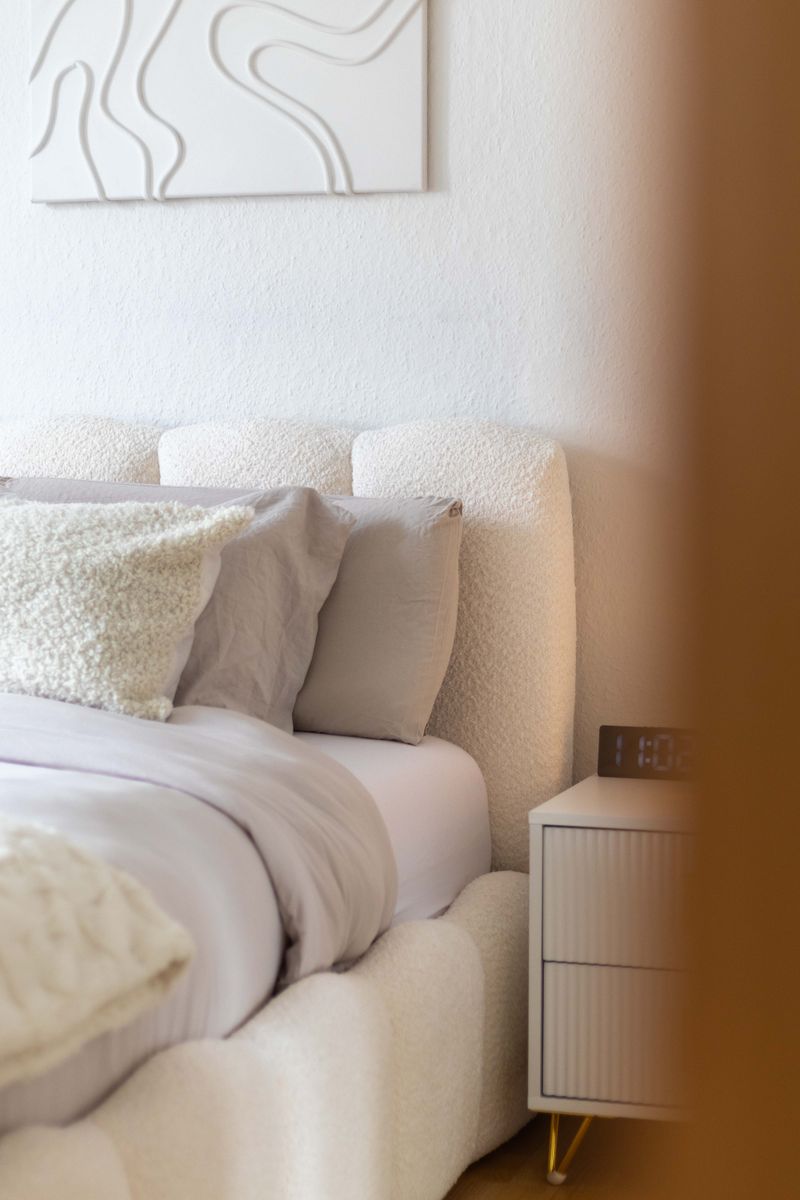
Paint a thin geometric border on a flat ceiling using a soft beige or wall-matching paint color. The simple colored outline acts as a visual frame that centers the layout of the bed. This paint technique adds graphic detail and dimension without the need to construct dropped gypsum panels overhead.
11. Single-Strip Cove Lighting for Indirect Depth
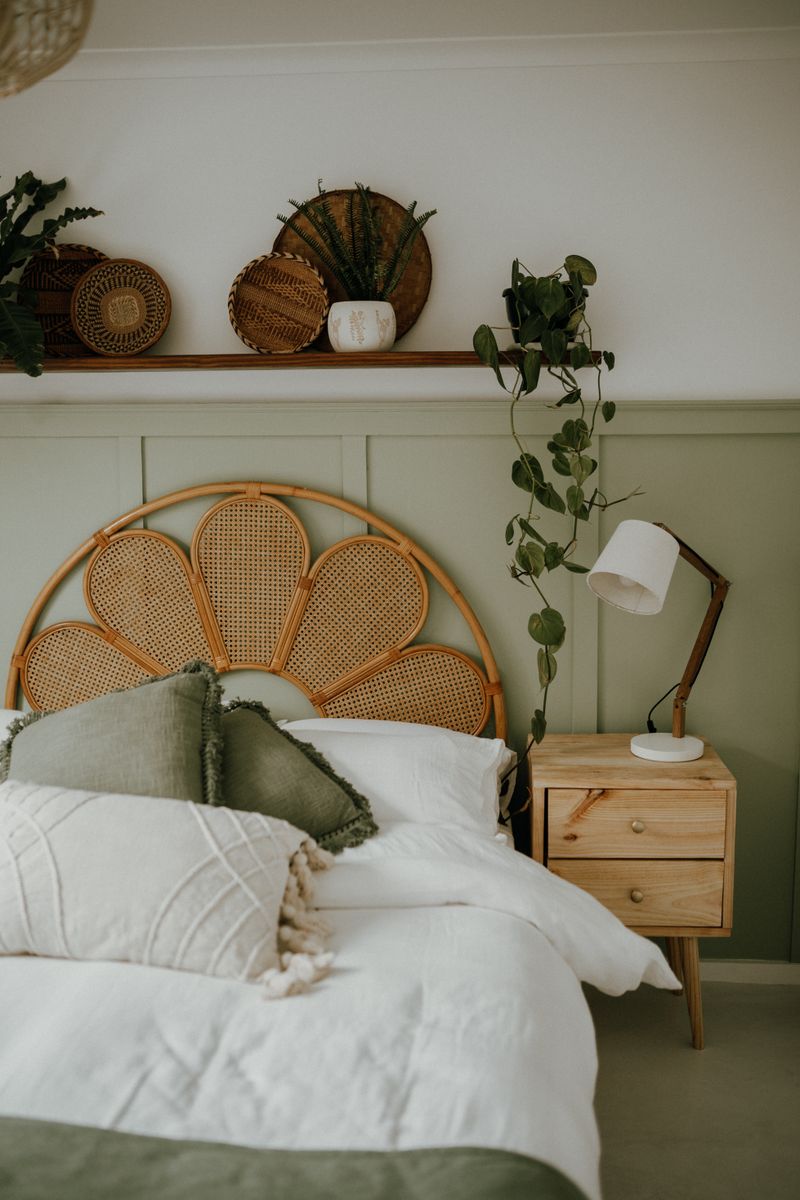
Install a single cove along one wall, such as behind the bed headboard. Run a warm LED strip light inside the cove to wash the vertical wall in indirect light. This single-strip cove lighting draws attention to the bed area, adding cozy, relaxing depth to the room while keeping installation simple.

12. Slight Ceiling Drop Over the Bed Area Only
Drop a single gypsum section slightly over the bed area, keeping the surrounding walkway flat. This level change visually separates the sleeping zone, helping the bed layout feel sheltered and cozy. Install dimmable spot points inside the drop panel to serve as quiet evening reading lights.
13. Textured Paint or Plaster for Subtle Depth
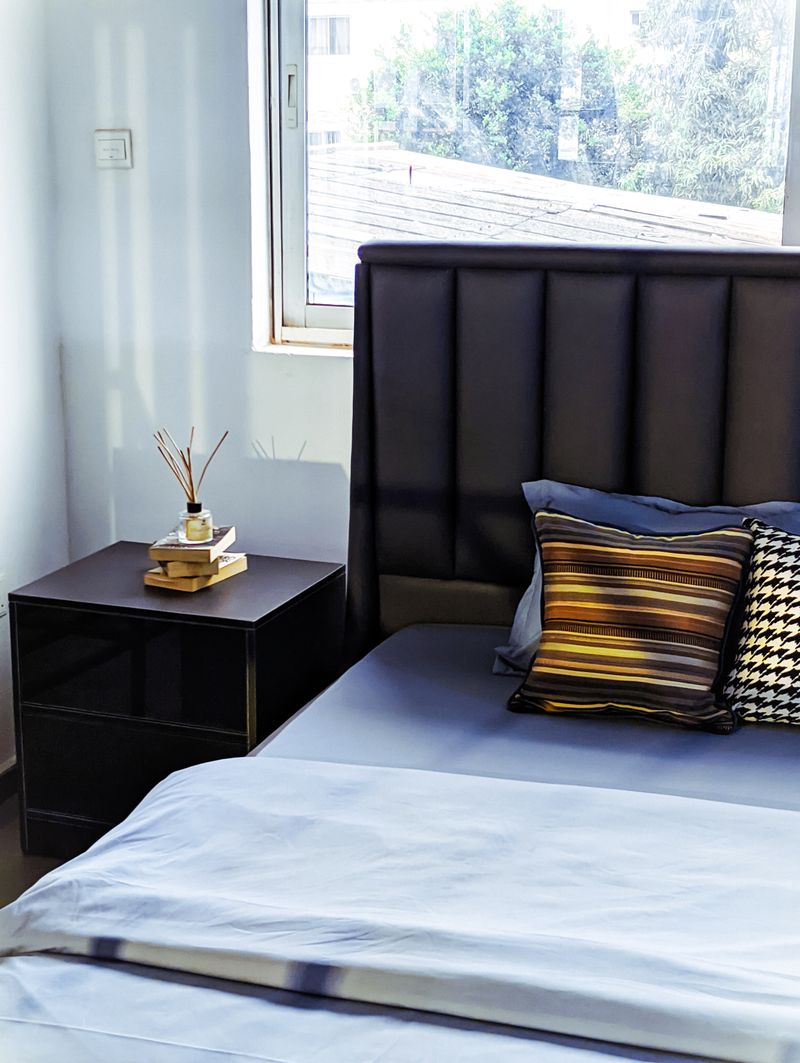
Apply textured paint or a thin layer of plaster to a flat ceiling to introduce tactile texture. The subtle mineral variations capture natural daylight at different angles, creating soft highlights that break up the flat surface without requiring dropped panels, keeping walkways looking bright and cozy.
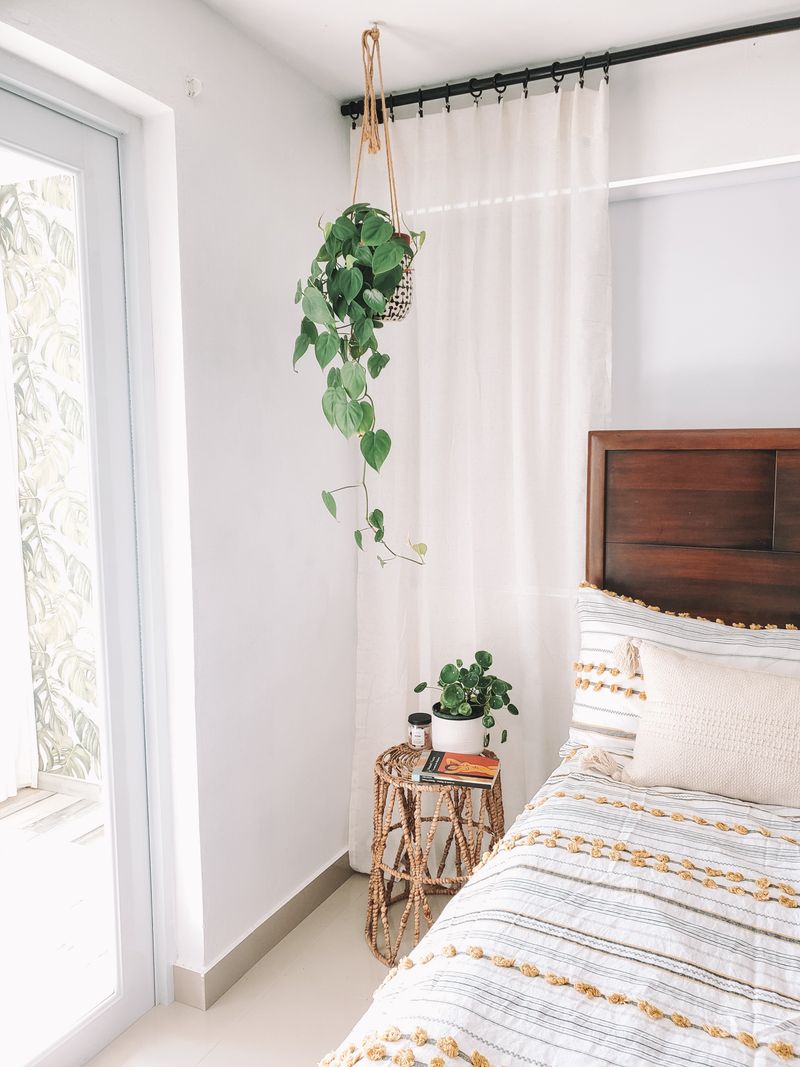
14. Thin Wooden Batten Detailing for Linear Depth
Mount parallel oak wood battens horizontally across a flat ceiling, leaving wide gaps between them. The continuous wood lines guide natural daylight from windows, visually lengthening the bedroom. The natural wood grain brings organic texture and warmth that coordinates with linen drapes and neutral colors.
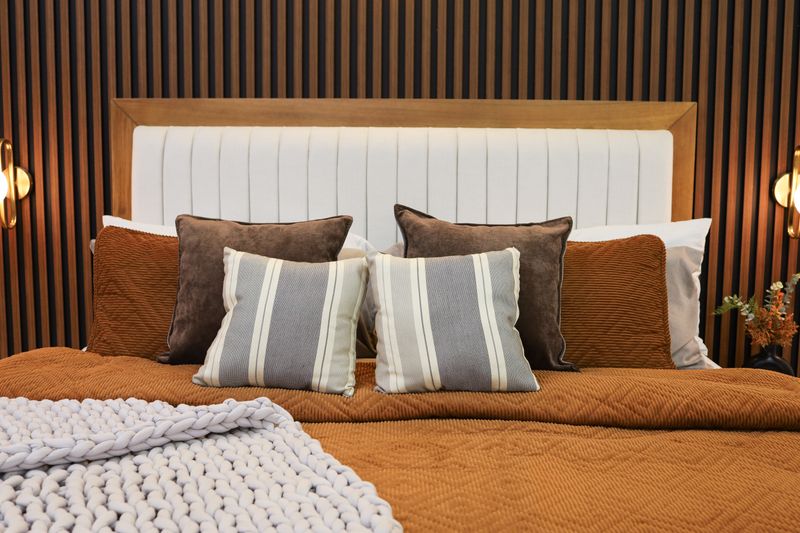
15. Simple Two-Tone Ceiling
Paint the main central ceiling panel a soft sand color and keep the surrounding borders white. This color contrast creates an illusion of depth, drawing the eye upward. The two-tone paint scheme coordinates with neutral walls, adding dimension and character without the need for structural plaster changes.