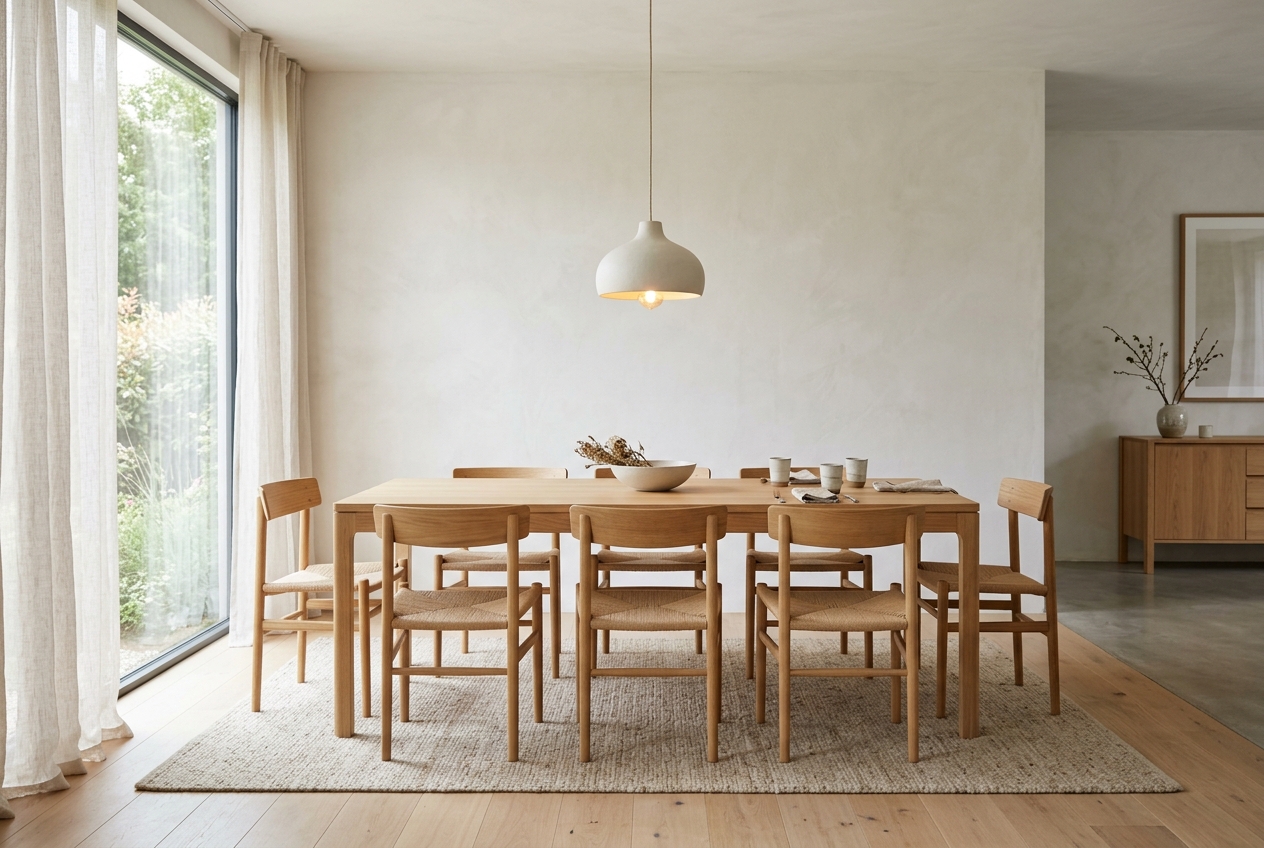
1. A Simple, Clean-Lined Dining Table as the Room's Anchor
The dining table is the heart of the room, and choosing a simple, clean-lined design sets the tone for the entire space. Look for a solid wood or stone table with straight, unadorned legs and a smooth surface. This creates a strong, functional anchor that doesn't overwhelm the room with ornate detailing. Keep the wood finish light—like white oak or natural ash—to maintain a bright, spacious feel, ensuring the table remains a beautiful backdrop for meals and family gatherings.
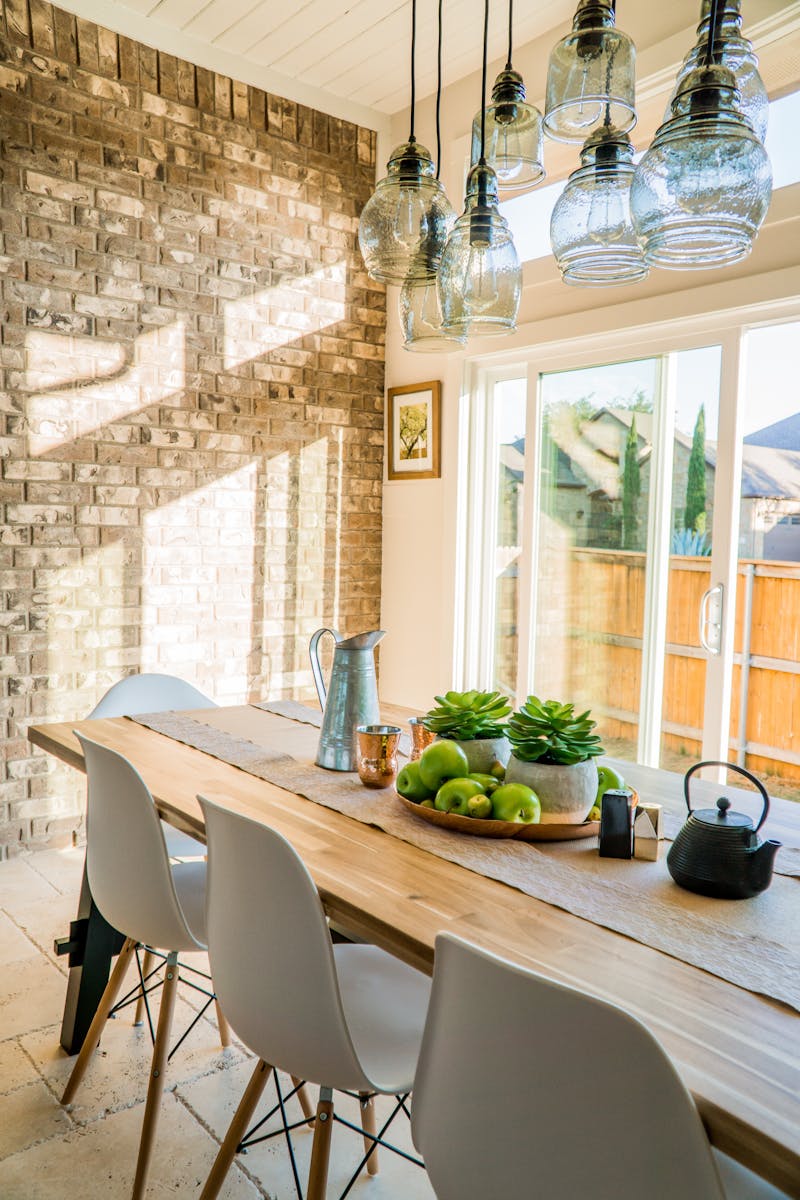
2. A Limited, Cohesive Color Palette
A limited color palette is essential for creating a calm, cohesive environment. Restrict your color choices to three or four neutral shades, such as soft cream, warm grey, beige, and matte black accents. By avoiding bright, contrasting colors on the walls and furniture, you create a seamless visual flow that allows your mind to relax. Paint the walls in a soft plaster white and coordinate the textiles to match, establishing a soothing, monochromatic background.
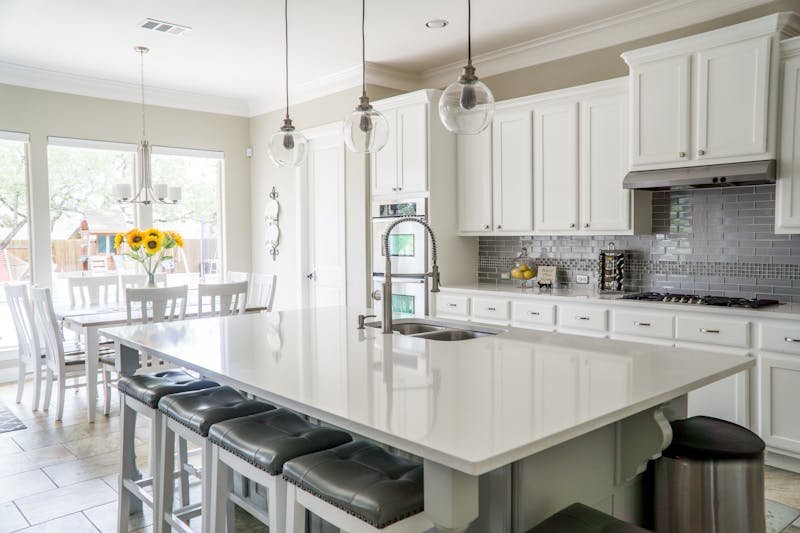
3. Chairs with Minimal Ornamentation
Choose dining chairs that feature clean, simple shapes and minimal ornamentation. Simple wooden chairs with slender spindles or molded plywood seats work beautifully in a minimalist dining room. Avoid heavy padding, elaborate carvings, or high backs that block the view across the room. Simple chairs maintain a lightweight visual profile, allowing natural light and air to circulate freely around the dining table.

4. A Single, Well-Placed Pendant Light Over the Table
A single pendant light positioned directly over the dining table serves as both a functional task light and a stylish design centerpiece. Select a pendant with a simple geometric shape, like a dome or cone, made of matte ceramic, frosted glass, or brushed metal. Hanging the light low creates a cozy pool of light during dinner, drawing family members together. Opt for a warm LED bulb to keep the dining experience intimate and relaxing.

5. Negative Space as a Deliberate Design Choice
In minimalist design, what you leave out is just as important as what you put in. Embrace negative space by keeping walls mostly blank and avoiding the temptation to fill every corner with furniture or potted plants. Allowing empty wall space around your dining table creates room for breathing, making the dining area feel airy and open. This deliberate lack of clutter helps your mind relax, directing attention to the dining experience.
6. Built-In or Streamlined Storage to Reduce Visual Clutter
To maintain a clean look, incorporate built-in cabinets or streamlined sideboards that hide dishes and table linens out of sight. Cabinets with flush handles and clean doors blend seamlessly into the walls, eliminating visual clutter. Keeping tableware tucked away behind solid doors prevents open shelves from collecting dust and looking messy, ensuring your dining space remains organized and calm.
7. Natural Materials in Simple Forms
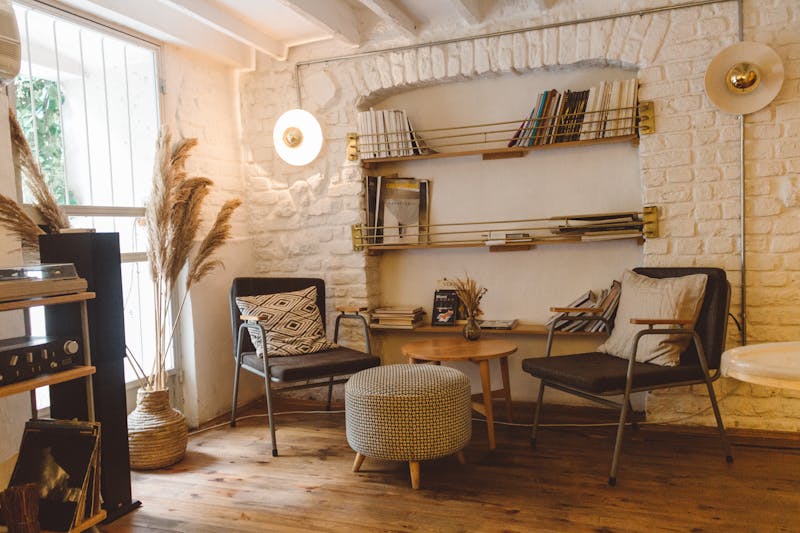
Using natural materials in simple forms is the secret to making a minimalist dining room feel warm and tactile. Incorporate light oak wood tables, honed stone trays, and raw linen table runners. The organic grains of wood and cold patterns of stone add natural texture without relying on busy wallpaper designs. Choose materials with matte finishes to keep the light soft and comfortable for family dinners.

8. One Intentional Piece of Art or a Single Sculptural Object
Instead of hanging a busy gallery wall, select one large piece of art or a single sculptural object to serve as a focal point. Hang a quiet, abstract painting or a black-and-white line drawing in a simple frame on the main wall. Alternatively, place a single textured ceramic vase on your sideboard. Choosing one meaningful piece draws the eye and gives the room character without adding clutter.

9. Unfussy, Sheer or Simple Window Treatments
Keep your window treatments simple to maximize natural daylight and maintain clean lines. Select sheer linen curtains or simple roller shades in neutral cream or sand tones. Avoid heavy velvet drapes, busy patterns, or elaborate valances that block daylight. Simple window panels soften the walls while allowing soft natural light to fill the room, keeping the dining space bright and airy.
10. Neutral Textiles Without Heavy Pattern
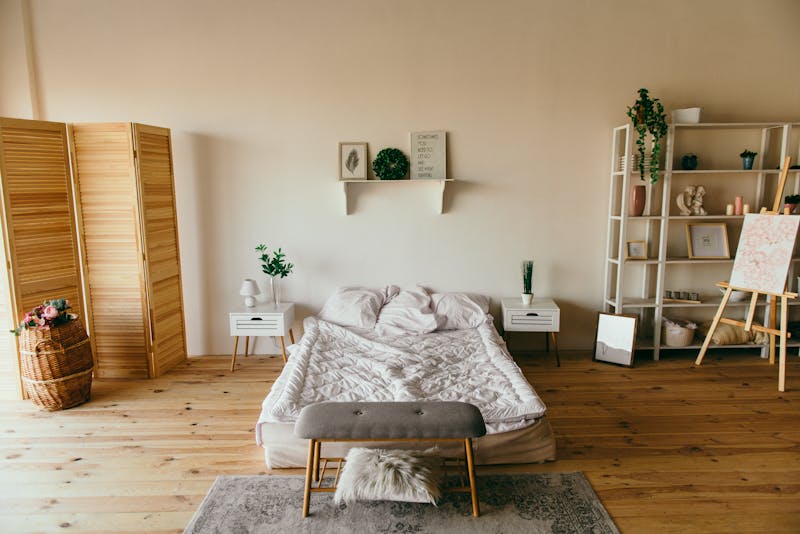
When choosing dining chair cushions, area rugs, or table runners, select solid neutral fabrics without busy patterns. Woven wool rugs in cream, linen runners in warm grey, and cotton chair pads in beige add cozy warmth underfoot without cluttering the eyes. Mixing different fabric textures—like flat-weave wool, rough linen, and smooth cotton—adds visual variety while keeping the color scheme simple.
11. A Functional Sideboard with Clean Lines
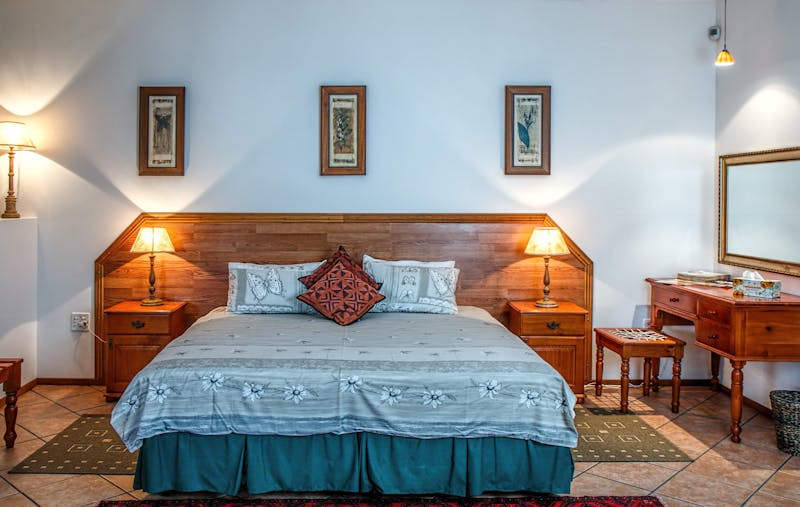
A functional sideboard with clean lines provides essential storage while keeping your dining room organized. Look for low consoles with handleless doors or simple wood pulls that match your dining table. Keep the sideboard surface mostly clear, using it to display a single vase or lamp. The hidden storage keeps serving bowls and candles organized, ensuring the room remains peaceful and uncluttered.
12. Soft, Natural Lighting Over Ornate Fixtures
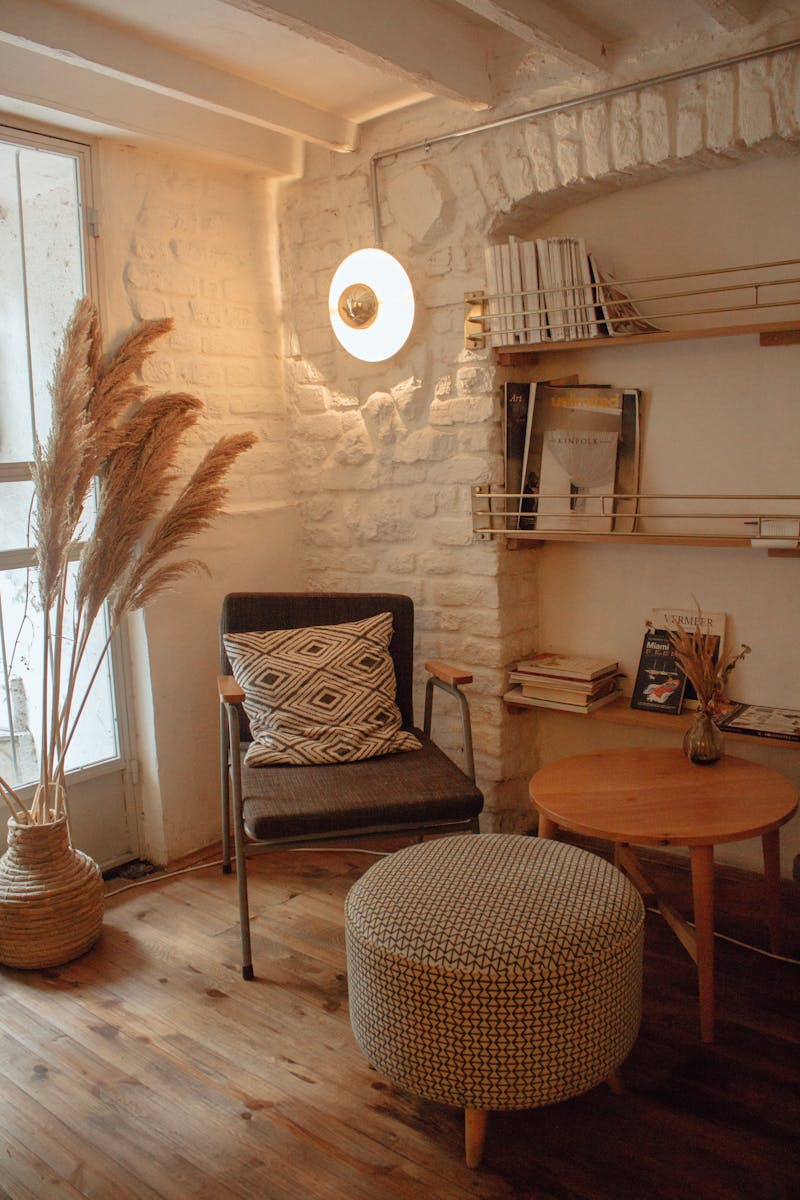
Prioritize soft, natural lighting by keeping window spaces open and clear. Natural daylight creates a warm, healthy atmosphere that cannot be replicated by artificial lights. Position your dining table near a window to catch the morning sun. For evenings, supplement the natural light with dimmable wall sconces or low floor lamps, avoiding bright, overhead fixtures to keep the mood relaxed.
13. Limiting Tableware to a Few Meaningful Pieces
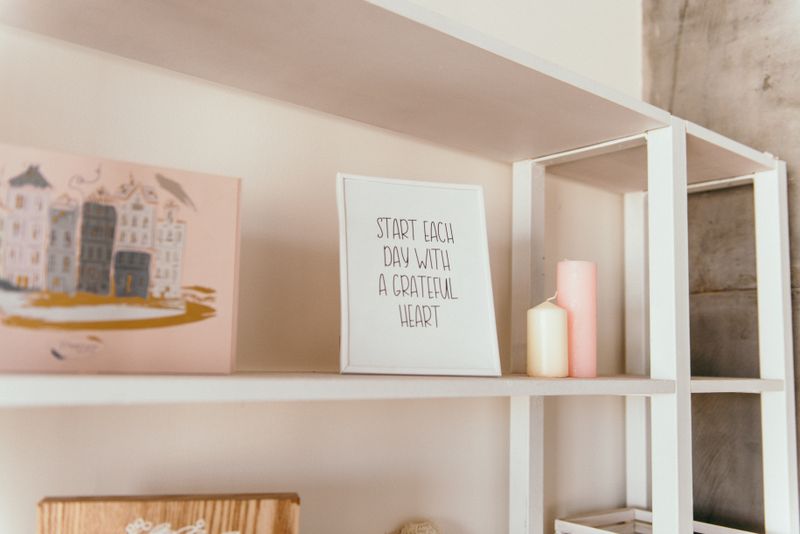
When setting the table, limit your dinnerware and serving pieces to a few high-quality, meaningful items. Choose simple ceramic plates, plain glassware, and clean cutlery in neutral tones. Avoid busy, colorful sets or decorative napkin rings. Keeping the table layout simple focuses attention on the food and conversation, creating a more relaxed, meaningful dining experience.
14. Keeping Surfaces Mostly Clear Between Uses
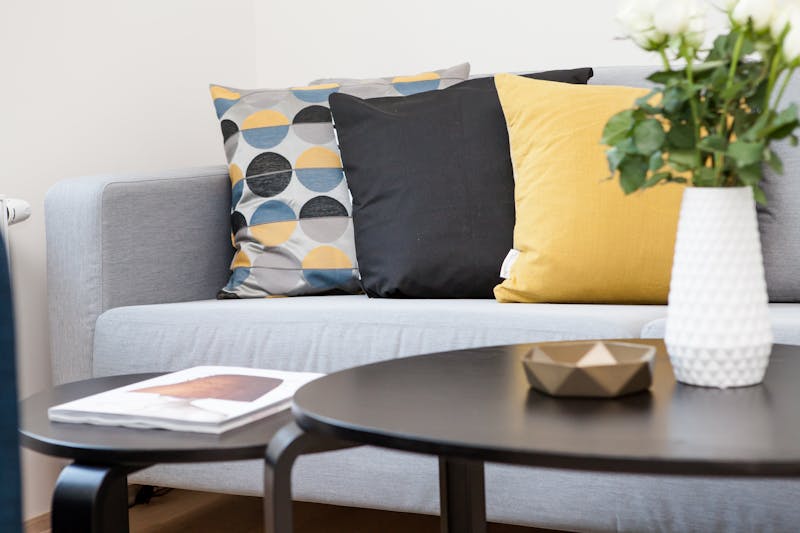
Make it a daily habit to keep your dining table and sideboard surfaces mostly clear between meals. Avoid using the table to stack mail, magazines, or work papers. Keeping the table surface clear ensures the dining room is always ready for meals, preserving the calm, peaceful atmosphere of the room throughout the day.

15. A Quiet, Monochromatic Color Scheme with Texture
A quiet, monochromatic color scheme using shades of white, cream, and beige is highly effective for dining spaces. To prevent a single-color room from looking flat, layer different textures like plaster walls, wood grains, linen runners, and woven rugs. This combination adds depth and tactile interest, keeping the space cozy and warm without relying on bright colors.
