1. Coffered Ceilings for Classic Depth
A coffered ceiling features a grid of recessed panels outlined by ornamental beams. This treatment creates a formal, three-dimensional depth, anchoring large open-plan living rooms or formal dining spaces. Coffered ceilings are best suited for rooms with heights of 9 feet or higher, as the beams drop down about 4 to 6 inches. Use MDF or poplar wood trim to avoid warping, and paint the grid in a semi-gloss white for easy dusting. Installation complexity is high, requiring precise carpentry skills. This style is not recommended for low-ceiling rooms, as it can feel heavy.

2. Tray Ceilings for Architectural Dimension
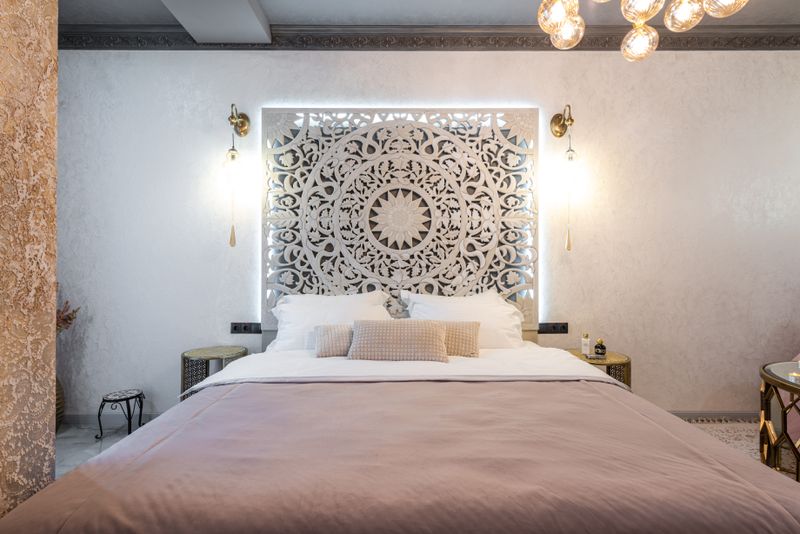
A tray ceiling features a single recessed center panel that steps up, creating a feeling of height. This style is excellent for bedrooms and living rooms, helping to center the bed or seating arrangement. It works well on ceilings starting at 8.5 feet, drop-stepping about 3 to 4 inches along the borders. Plasterboard (gypsum) is the standard material, requiring tape and joint compound finishing. Maintenance is minimal, requiring only light dusting along the recess ledge. The complexity level is moderate. For ideas on lighting this design, check out our guide on bedroom false ceiling designs.
3. Beadboard Ceilings for Historic Texture
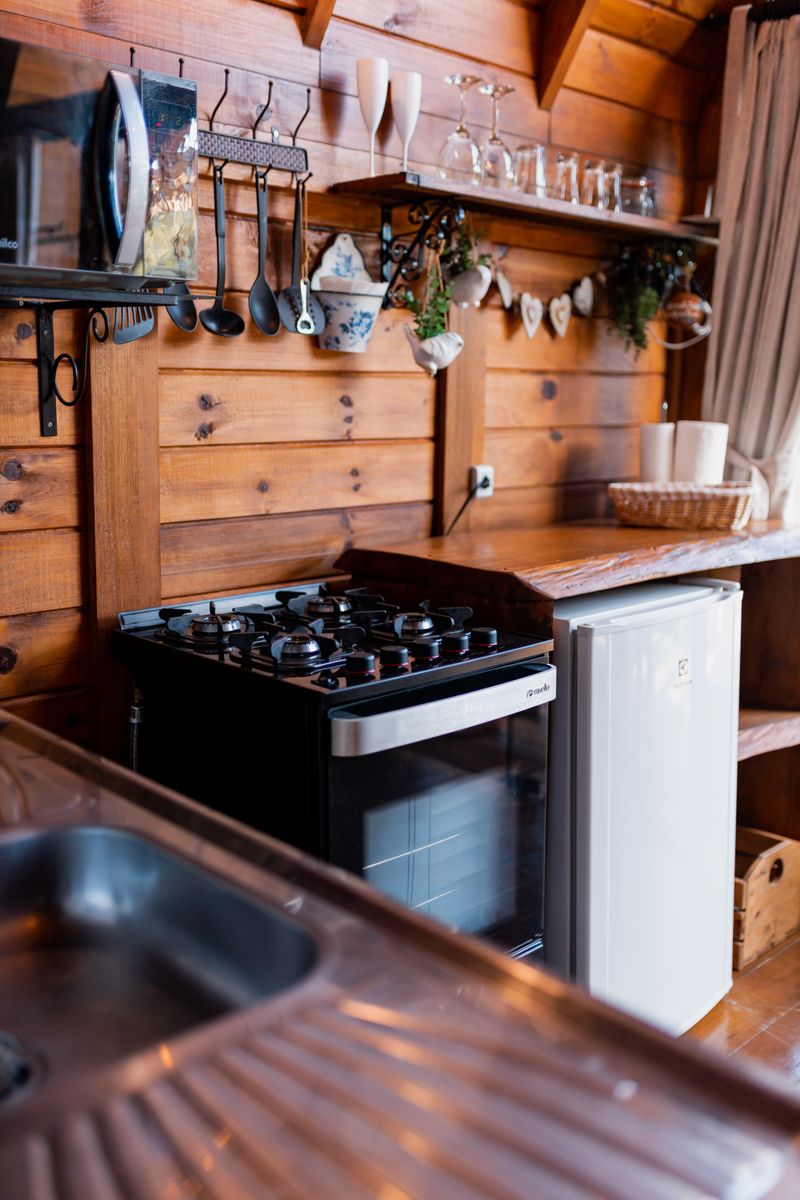
Beadboard features narrow wooden planks with small ridge details, bringing a cozy cottage or farmhouse look. This treatment works beautifully in kitchens, laundry rooms, and covered porches. It can be installed on standard 8-foot ceilings since the planks are thin (typically 5/16-inch). Select moisture-resistant primed MDF or solid pine planks, and paint them in a satin finish for easy wiping. The installation complexity is moderate, requiring nail guns to attach the tongue-and-groove boards. This style may look too busy in highly minimalist modern layouts.
4. Wood Slats for Modern Biophilic Design
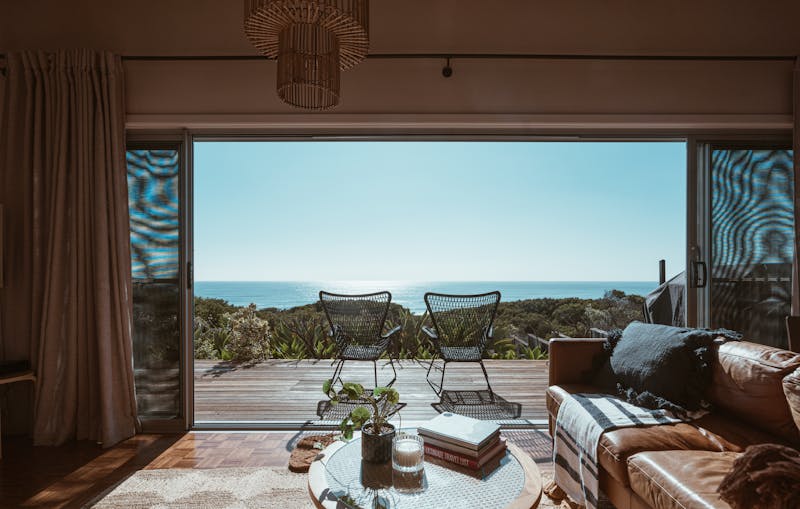
Parallel wood slats mounted over a dark felt backing create a sleek, linear pattern that absorbs sound. This biophilic treatment is ideal for home offices, media rooms, and entryways. It works well on standard ceiling heights (8.5+ feet) since slats are slim (about 1/2-inch thick). Select oak or walnut slats, which can be wiped down with a microfibre duster. The installation complexity is moderate. It is not recommended for spaces with high steam or grease, like small kitchens, as dust can settle between the slats.
5. Wallpapered Ceilings for Bold Accents
Wallpapering the ceiling draws attention upward, adding pattern and color. This treatment is best suited for small spaces like powder rooms, nurseries, and dining rooms. It works on any ceiling height, as it takes up zero headroom. Use durable, wipeable vinyl wallpaper, and ensure the drywall is primed before applying paste. The complexity is moderate but requires two people to hang paper overhead. This option is not recommended for high-humidity bathrooms where moisture can cause the edges to peel.
6. Exposed Wood Beams for Rustic Warmth
Exposed structural or decorative faux beams add architectural structure and rustic warmth. This treatment is ideal for double-height living rooms or open farmhouse layouts. It requires a high ceiling (9.5+ feet) to prevent the heavy timbers from looking low. Select solid pine or lightweight hollow box beams. Maintenance involves checking for cobwebs, and the installation complexity is high. It should not be used in low-ceiling, windowless rooms, as it can feel dark.

7. Painted Ceilings in Bold Colors
Painting the ceiling a color different from the walls changes the room's proportions. A light sky blue makes the ceiling feel taller, while a deep charcoal gray creates a cozy, intimate feel. It is suitable for study rooms, bedrooms, and media rooms of any height. Use a flat or matte paint finish to hide plaster bumps. Maintenance involves occasional dusting, and the complexity is low. It may not work well in rooms with minimal natural light if a dark paint color is used.
8. Decorative Molding for Traditional Elegance
Decorative crown molding and plaster ceiling medallions frame the ceiling, adding classical detail. This treatment suits historic homes, formal dining areas, and living rooms of any height. Lightweight polyurethane or plaster moldings are the standard materials, and they can be wiped with a duster. The installation complexity is moderate, requiring clean miter cuts. It may look out of place in highly contemporary or industrial designs.
9. Acoustic Ceiling Treatments for Noise Reduction
Acoustic ceiling panels made of felt, cork, or fiberglass reduce echo and absorb sound. This treatment is ideal for home theaters, music practice rooms, and open-plan living zones. Panels can be mounted flat, taking up less than 1 inch of height. Select fabric-wrapped panels that can be lightly vacuumed. The installation complexity is low. This option is not recommended for wet utility areas like bathrooms where fabric can absorb moisture.
10. Cove Lighting for Modern Ambiance
Cove lighting involves building a suspended drywall ledge along the walls to conceal LED strip lights. The light reflects off the ceiling, creating soft ambient illumination that is perfect for bedrooms and living rooms. It works on ceilings of 8.5+ feet, dropping about 2 to 3 inches. Use energy-efficient LED strips, and dust the ledge annually. The complexity is moderate. It is not recommended for rooms with uneven plaster ceilings, as the grazing light will highlight surface bumps.