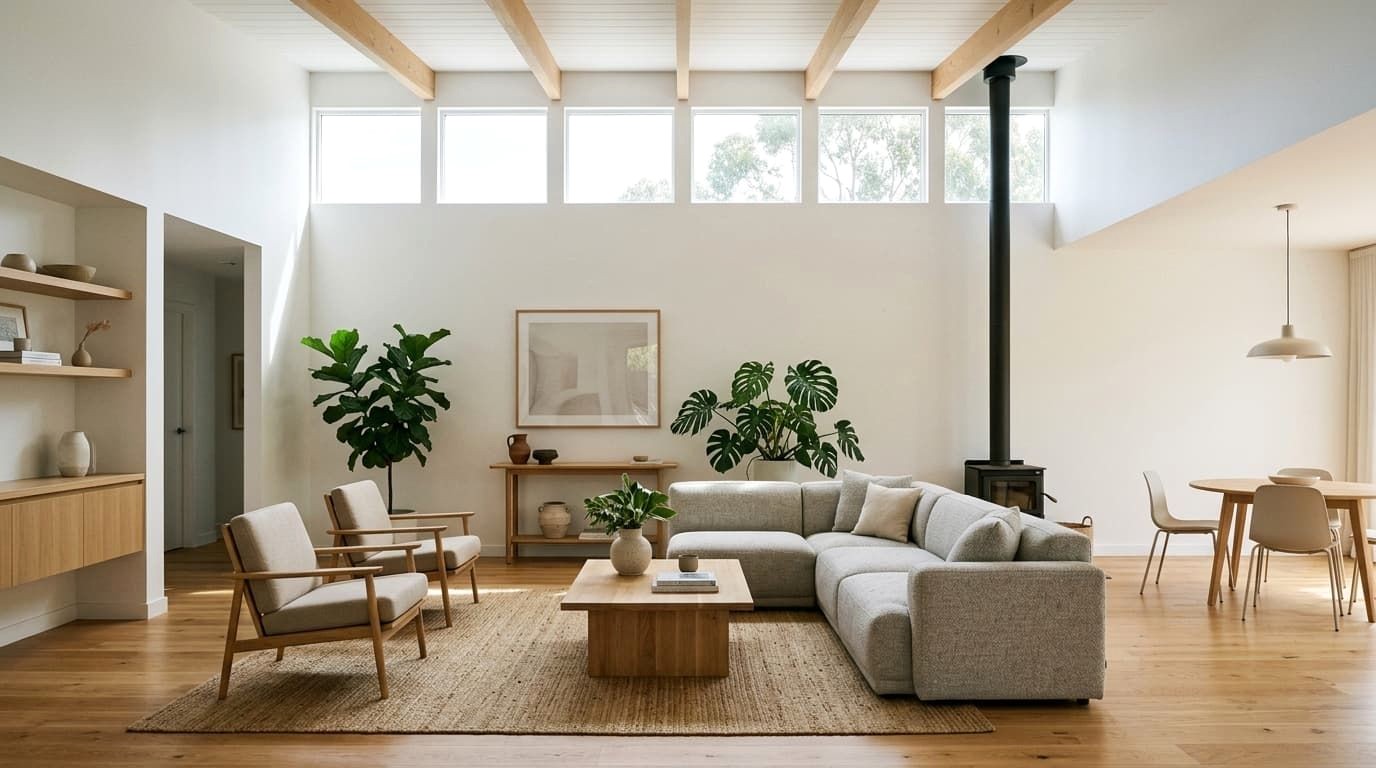
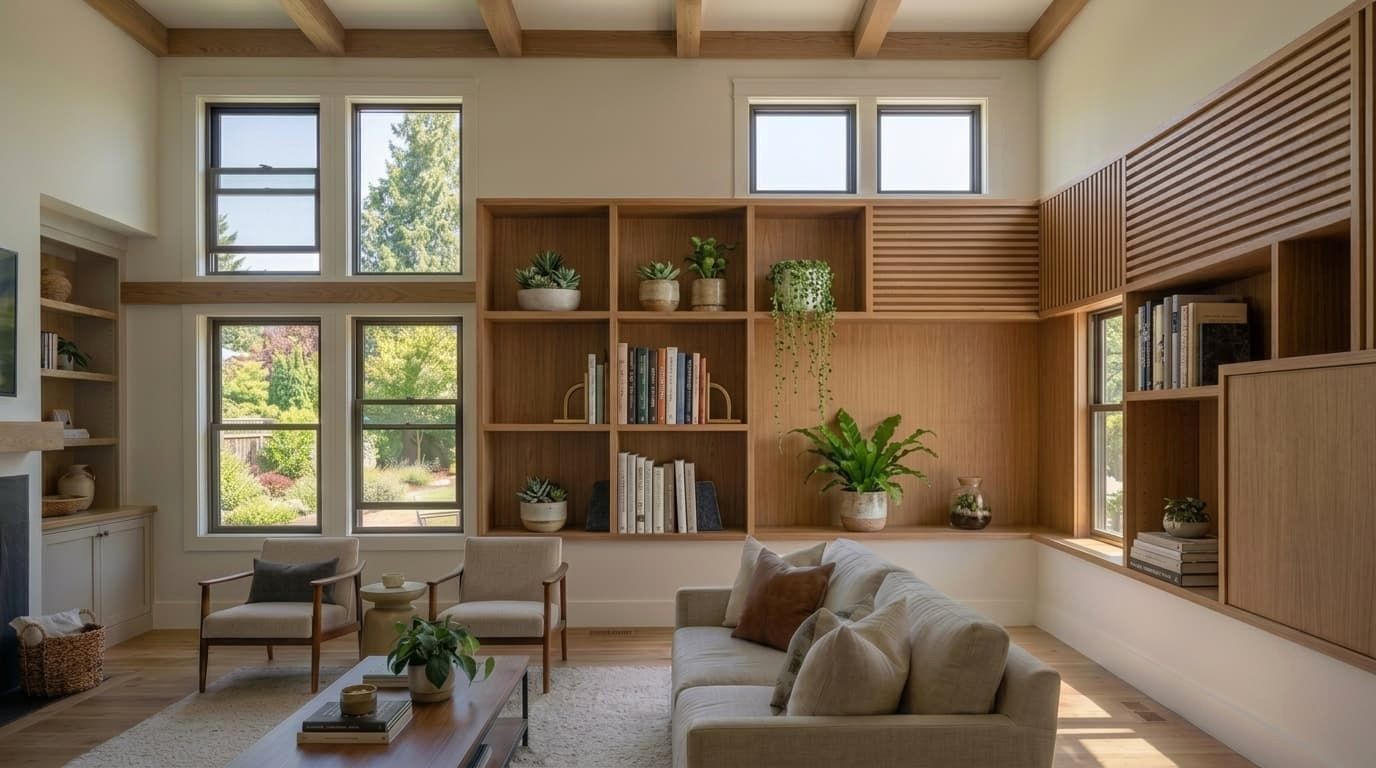
1. Double-Hung Windows for Classic, Versatile Function
Double-hung windows are among the most popular and versatile window styles in residential architecture. Featuring two operable vertical sashes that slide up and down independently, they offer superior natural ventilation. Opening the top sash allows warm, stale air to escape near the ceiling while opening the bottom sash draws in cool, fresh outdoor breezes. Modern double-hung units also feature tilt-in sashes, making interior cleaning of both exterior glass panes quick, safe, and effortless without requiring exterior ladders. Their balanced, symmetrical proportions make them an indispensable match for classic architectural styles, including Colonial, Victorian, Craftsman, Farmhouse, and Cape Cod homes. They perform exceptionally well in family bedrooms, busy kitchens, and living areas where adaptable ventilation and traditional gridded muntins enhance historic architectural charm.
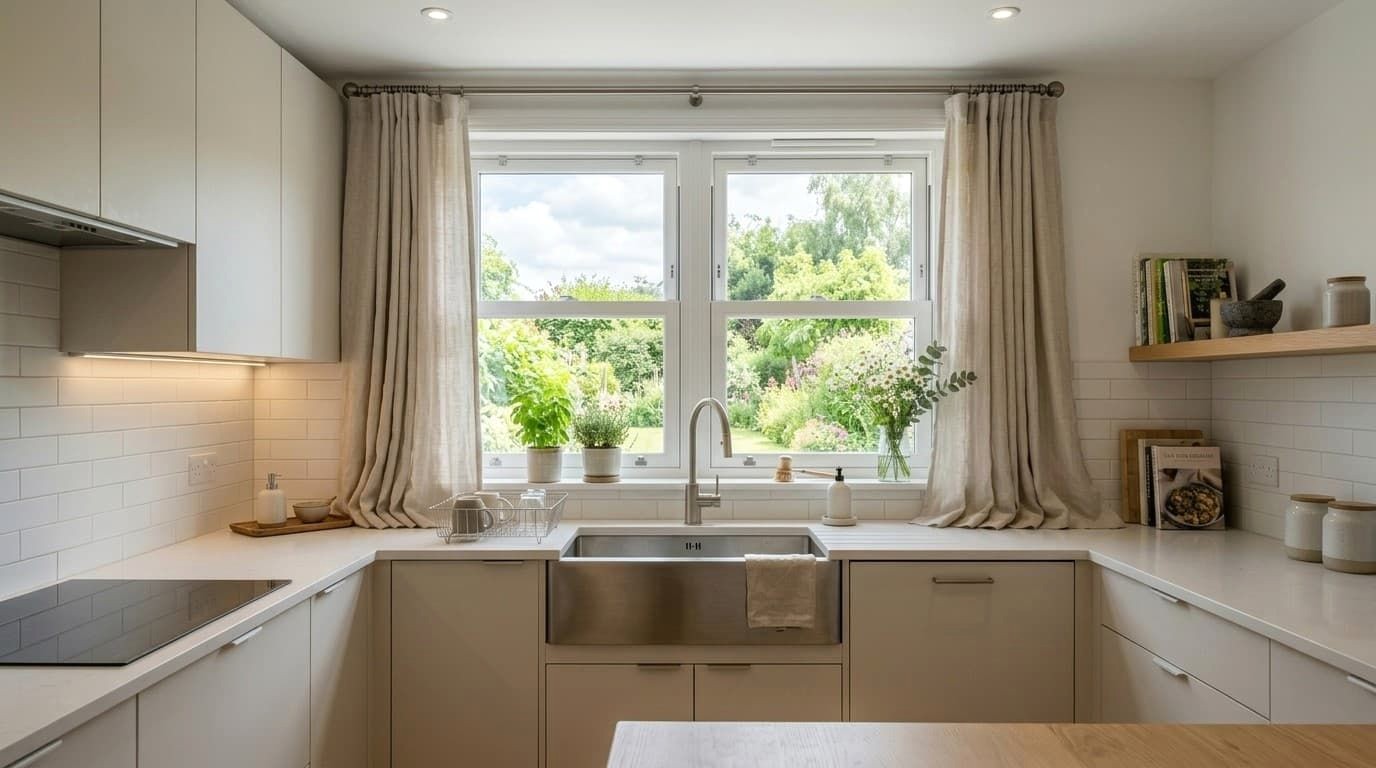
2. Casement Windows for Maximum Airflow and Modern Homes
Casement windows are hinged at the vertical side jambs and swing outward like a door using a smooth mechanical hand crank or push lever. Because the entire window sash pivots open past ninety degrees, casement windows capture passing side breezes and funnel fresh air directly into the home far more effectively than sliding designs. When closed and locked with multi-point latches, the sash presses tightly against durable weatherstripping, creating an exceptionally airtight seal that yields outstanding energy efficiency and draft resistance. With their clean, uninterrupted glass planes and minimal framing, casement windows are a natural fit for Mid-Century Modern, Contemporary, Scandinavian, and Prairie-style residences. They are particularly advantageous over kitchen sinks and in hard-to-reach stairwells where easy crank operation simplifies opening.
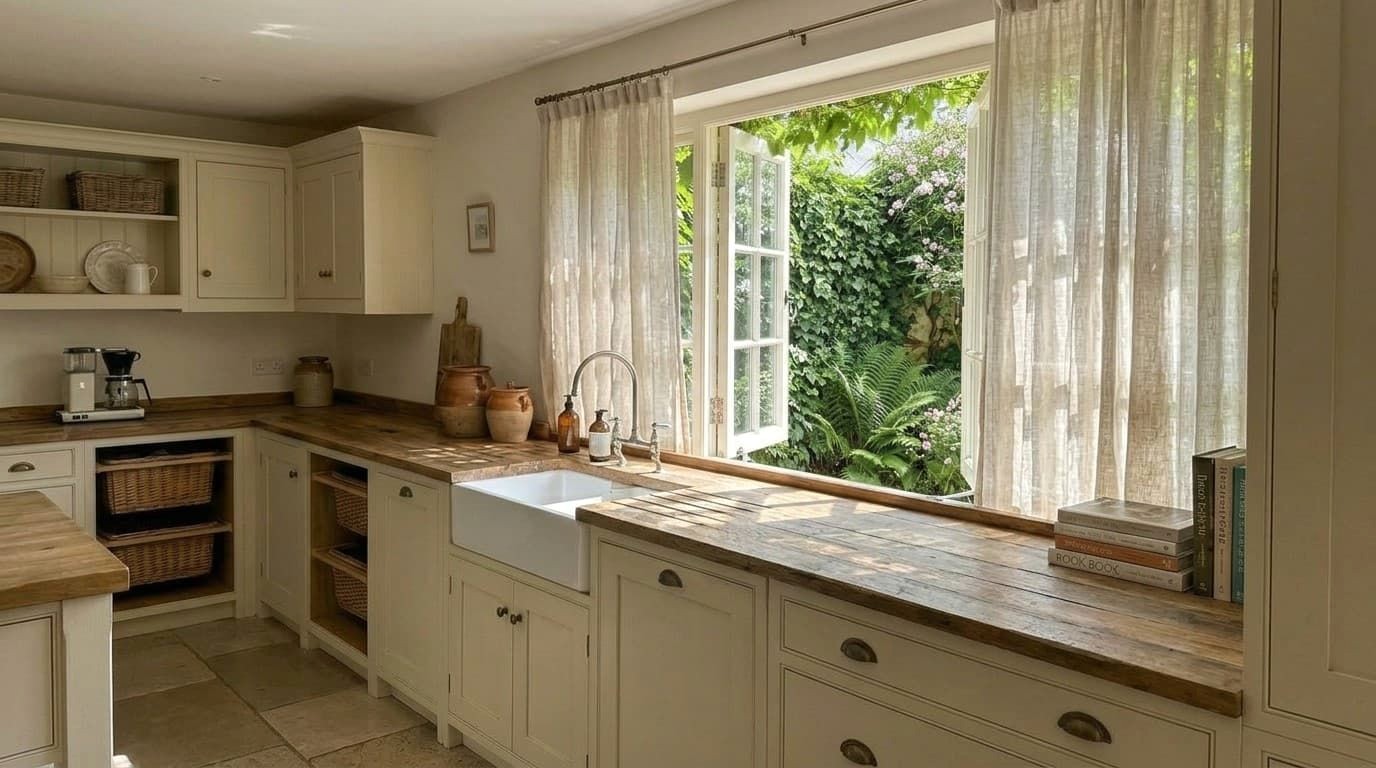
3. Picture Windows for Unobstructed Views and Natural Light
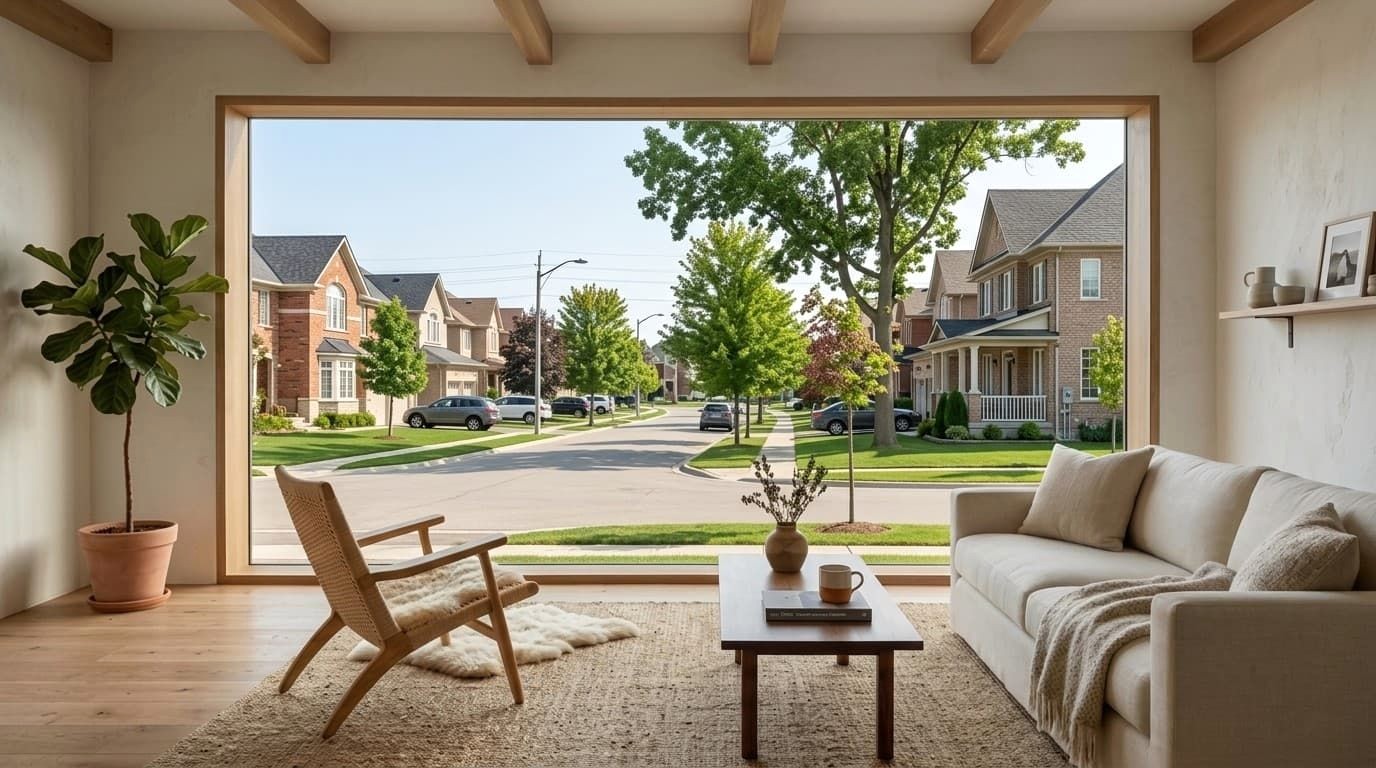
Picture windows are large, stationary, non-operable window units designed specifically to frame breathtaking outdoor vistas and flood interior living spaces with abundant natural sunlight. Because they contain no moving sashes, mechanical tracks, or horizontal meeting rails, picture windows provide completely clear, uninterrupted panoramic views of gardens, mountains, ocean horizons, and urban skylines. Without opening mechanisms, they boast superior airtight insulation values, eliminating air leaks entirely. Picture windows serve as stunning dramatic centerpieces in open-concept great rooms, formal living rooms, dining spaces, and double-height vaulted foyers across Modern, Coastal, Transitional, and Mountain-Modern architectures. For combined ventilation, designers frequently flank a central fixed picture window with operable casement or double-hung side units.
4. Bay Windows for Added Space and Architectural Interest
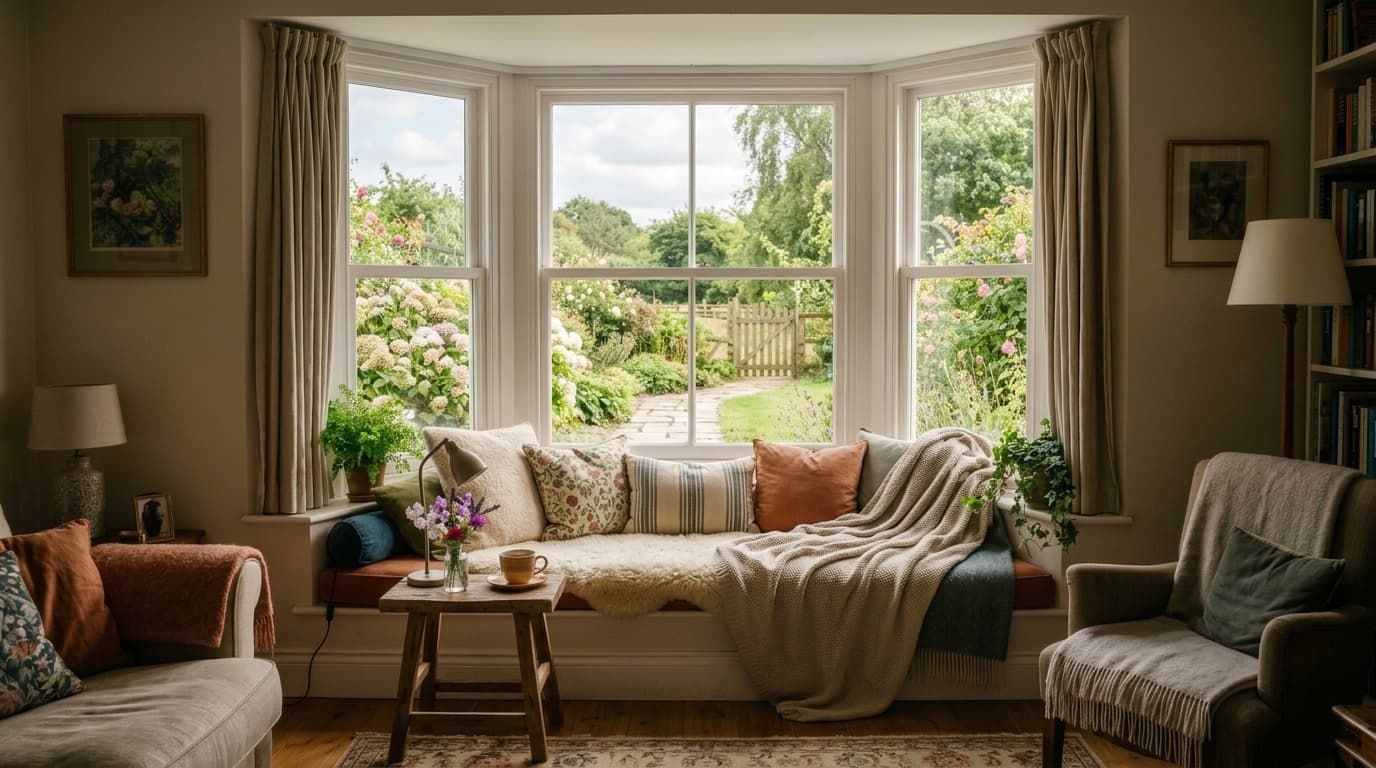
A bay window is a three-dimensional architectural installation composed of three distinct window panels that project outward past the exterior wall plane of the house. Typically configured with a large central fixed picture window flanked by two angled operable flanking windows (set at thirty, forty-five, or sixty-degree angles), bay windows create an expanded interior footprint. This alcove provides the perfect nook for a built-in upholstered window bench, a sunny breakfast dining banquette, or an inspiring study desk. Bay windows dramatically enhance exterior curb appeal with rich dimensional depth, making them iconic staples of Victorian, Queen Anne, Traditional English, and Craftsman homes. They maximize daylight intake by capturing sunlight from multiple angles throughout the day.
5. Sliding Windows for a Simple, Space-Saving Design
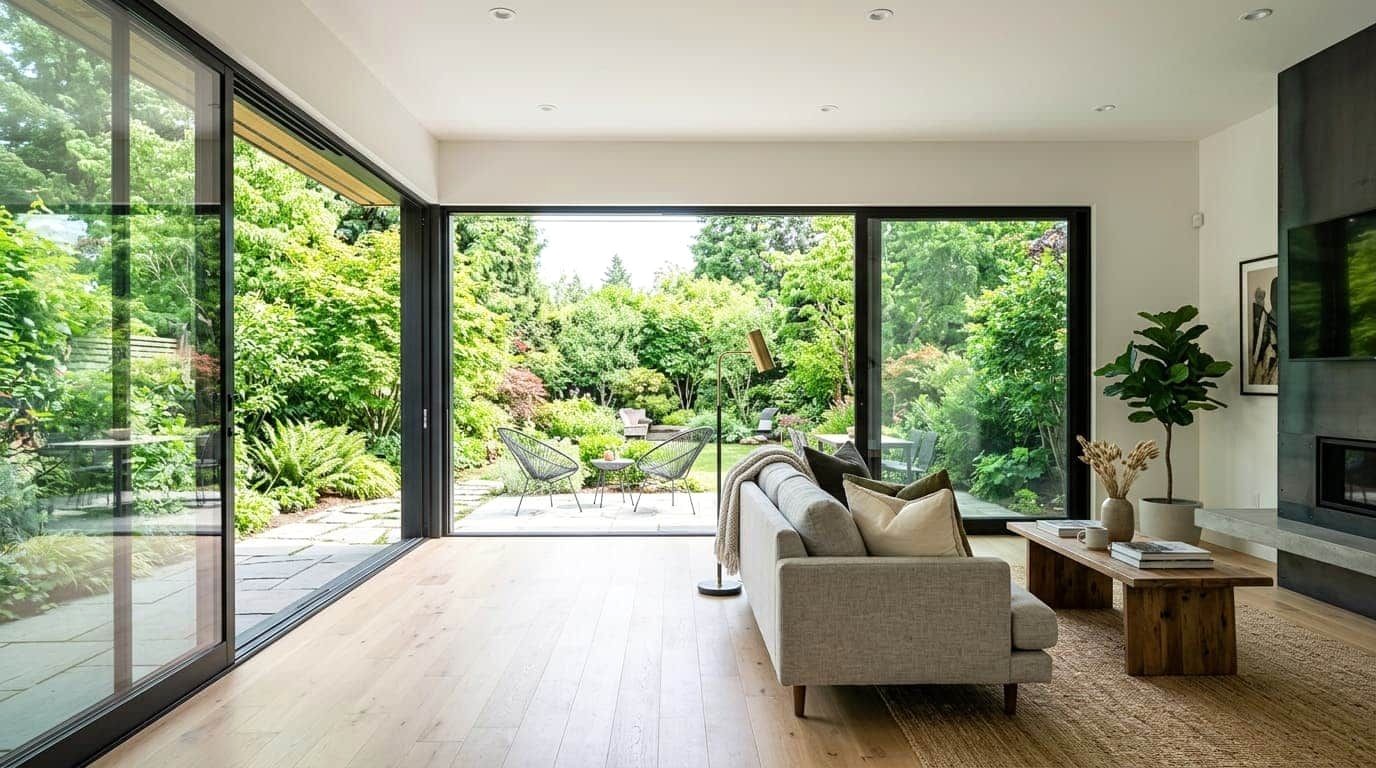
Sliding windows—also known as horizontal gliding windows—operate by moving horizontally along top and bottom tracks past a stationary sash. Because sliding windows open sideways without swinging inward or outward, they require zero interior or exterior clearance. This makes them ideal for walkways, narrow patios, covered porches, and rooms where exterior shrubs or furniture would obstruct projecting sashes. Featuring wide, horizontal glass orientations, sliders provide expansive landscape views and generous ventilation with minimal effort. Their streamlined, horizontal lines make them a favorite choice for Ranch-style houses, Mid-Century Modern homes, contemporary condominiums, and compact secondary bedrooms where easy-gliding operation and space-efficiency are paramount.
Looking for Budget-Friendly Decor Alternatives?
Browse our handpicked styling lookbook with verified vendor links and affordable material alternatives.
6. Awning Windows for Ventilation Even in Light Rain
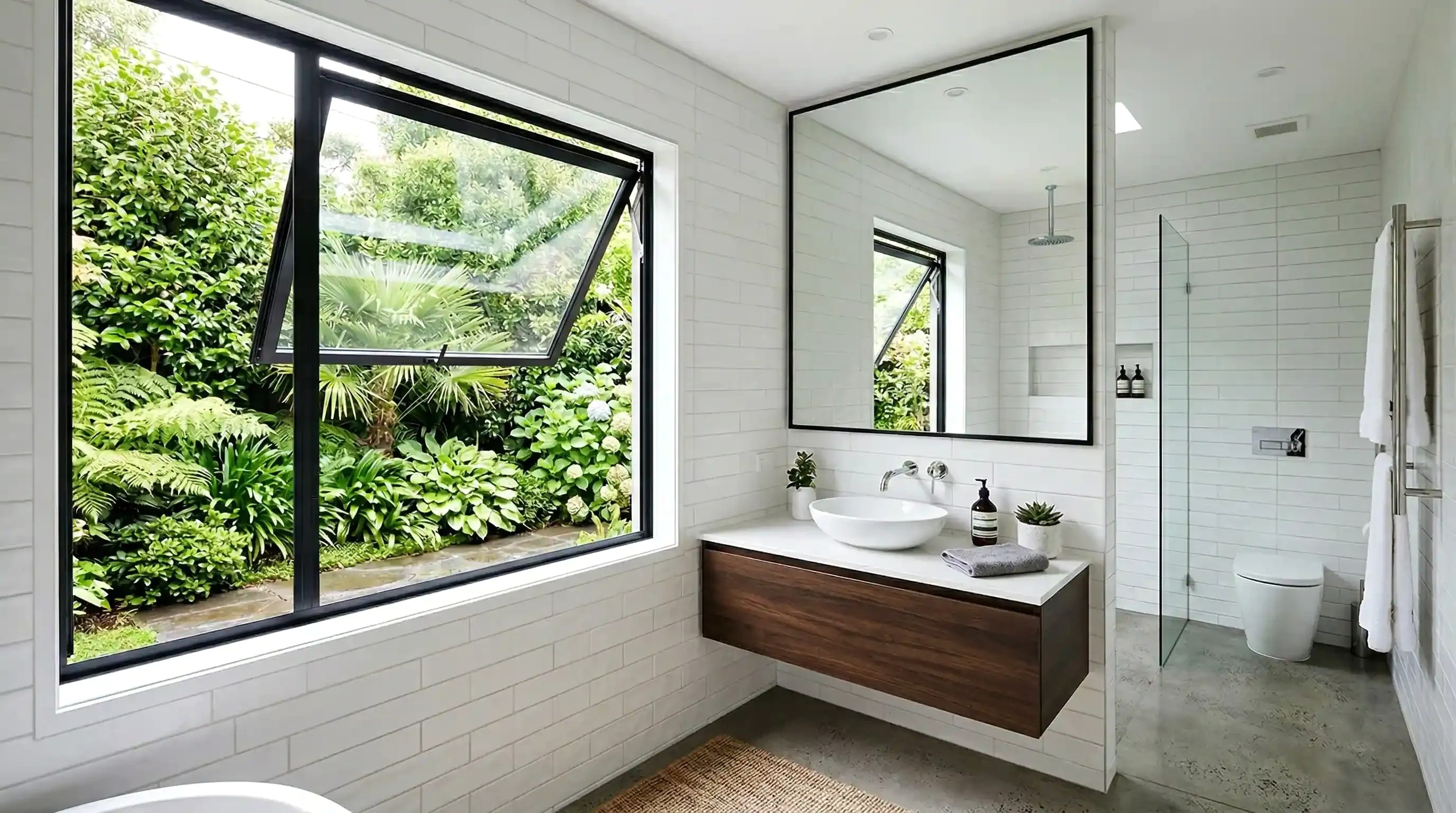
Awning windows are hinged horizontally along the top jamb and swing outward from the bottom edge using a crank mechanism. When opened, the glass sash creates a protective glass canopy or awning over the opening that sheds rainfall away from the sill, allowing you to enjoy continuous fresh air circulation even during rainy weather. Awning windows are frequently placed high up on bathroom and bedroom walls to deliver gentle natural airflow and diffuse daylight while preserving complete lower privacy from street views. They also pair seamlessly beneath larger fixed picture windows in Modern, Industrial, and Transitional homes, offering an airtight seal when latched and dependable, weather-resistant ventilation year-round.
7. Transom Windows for Added Light Above Doors or Windows
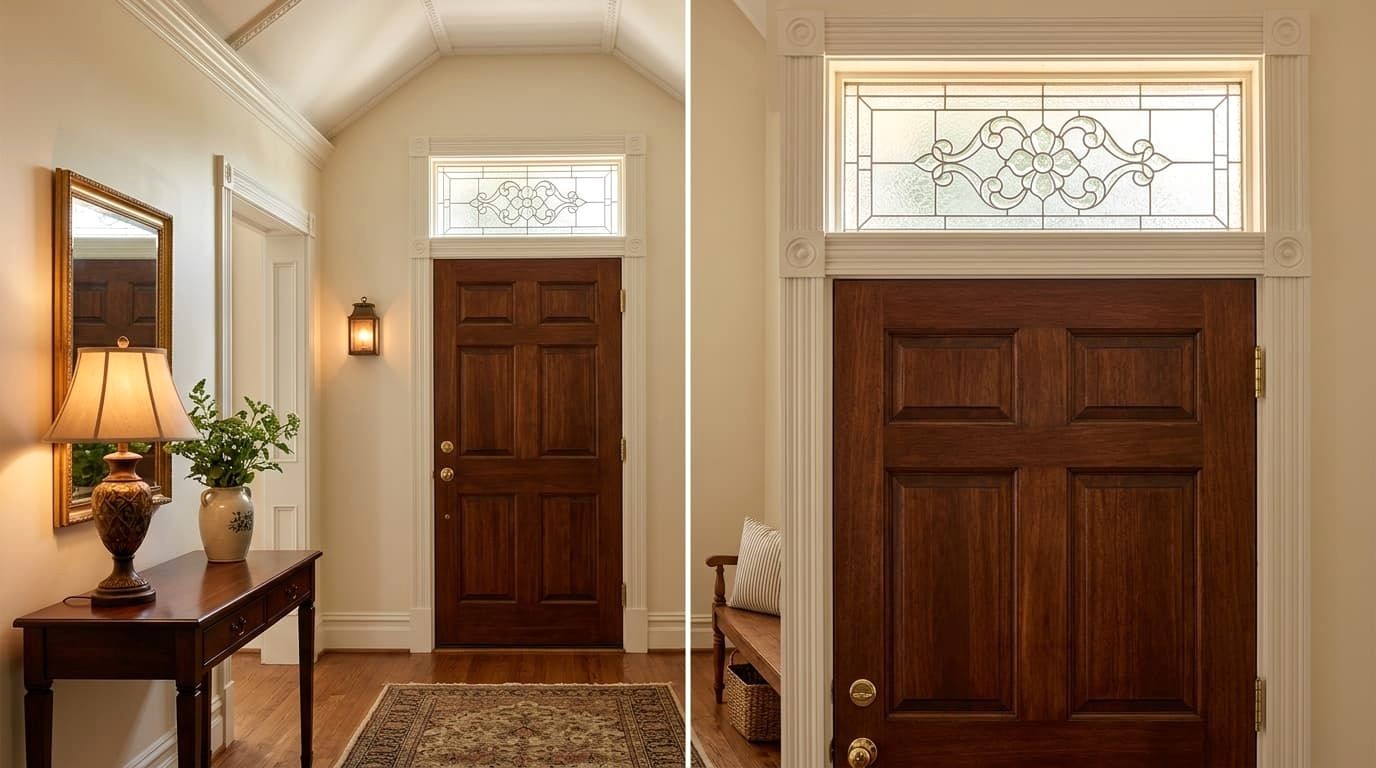
Transom windows are narrow, horizontal decorative glass units installed directly above exterior entry doors, interior doorways, or standard window headers. Historically used to facilitate cross-ventilation between interior rooms before air conditioning, modern transoms are primarily employed to introduce high-angle natural light deep into interior hallways, foyers, and master bathrooms while maintaining privacy. Available in fixed rectangular panes, arched fanlights, or with decorative geometric grilles, transom windows elevate ceiling sightlines and add architectural prestige to French country, Craftsman, Modern Farmhouse, and Georgian architecture. They turn standard doorways into grand, sunlit focal points that make entryways feel open, tall, and welcoming.
8. Bow Windows for a Rounded, Dramatic Architectural Feature
Bow windows are a graceful architectural variation of bay windows, constructed using four, five, or six similarly sized window panels arranged in a gentle, sweeping curved arc that projects outward from the home's facade. This curved configuration creates a softer, more rounded exterior silhouette that adds undeniable luxury and period elegance to grand Victorian, Colonial Revival, and stately Traditional homes. Inside, the sweeping curvature delivers an immersive panoramic view of surrounding landscaping and garden pathways while flooding the room with panoramic daylight. Bow windows can combine stationary and operable casement panels, creating a sun-drenched sanctuary in formal living rooms, dining rooms, and expansive primary suites.
9. Garden Windows for a Small Greenhouse-Style Kitchen Accent
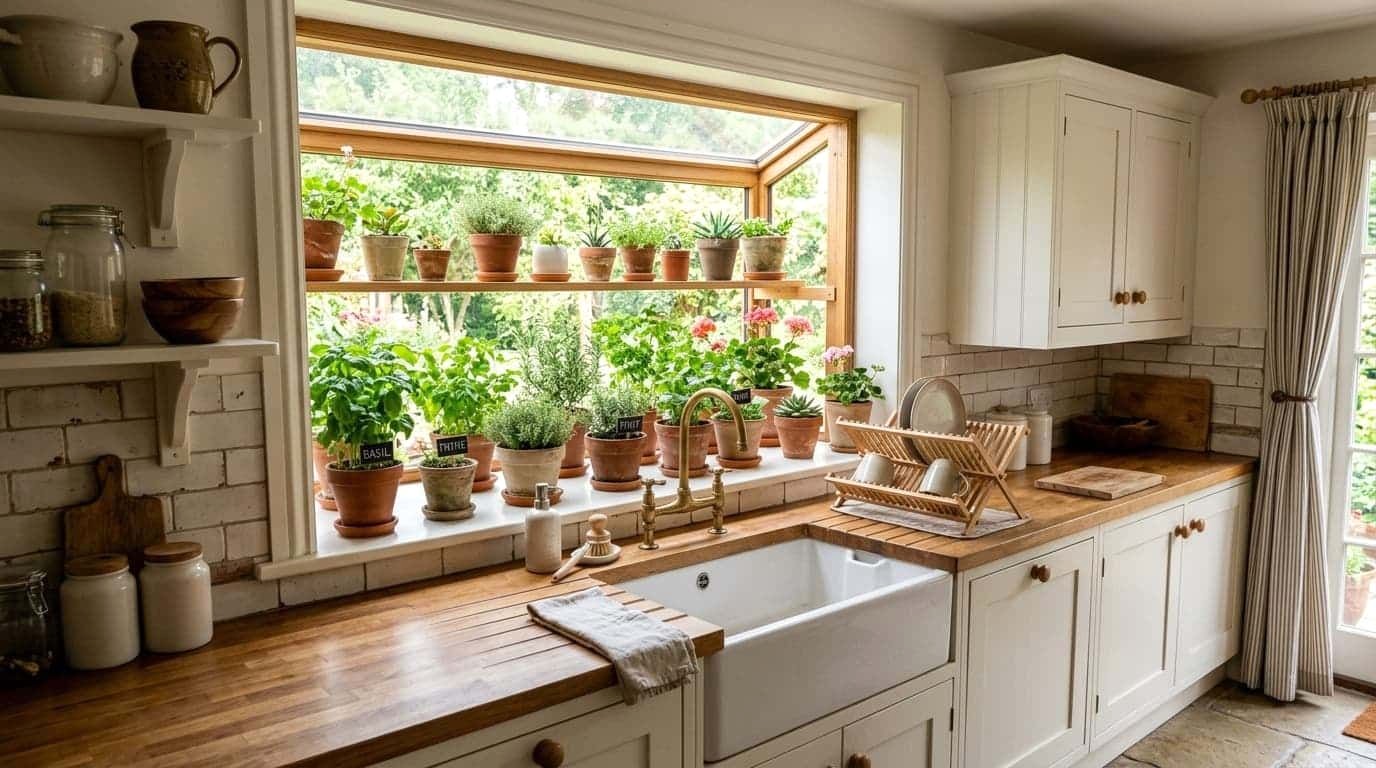
A garden window is a specialized miniature greenhouse window that projects outward like a small three-dimensional glass box, complete with a glass roof, side operable vents, and an interior shelf ledge. Specifically engineered for culinary enthusiasts and indoor gardeners, garden windows capture abundant sunlight from above and both sides, creating the ideal microclimate for cultivating fresh culinary herbs, potted succulents, African violets, and seed starts right at your fingertips. Typically installed directly above kitchen sinks, garden windows brighten the food prep zone, open up cramped kitchen sightlines, and provide side ventilation louvers that exhaust steam and cooking odors efficiently.
10. Floor-to-Ceiling Windows for a Modern, Open Feel
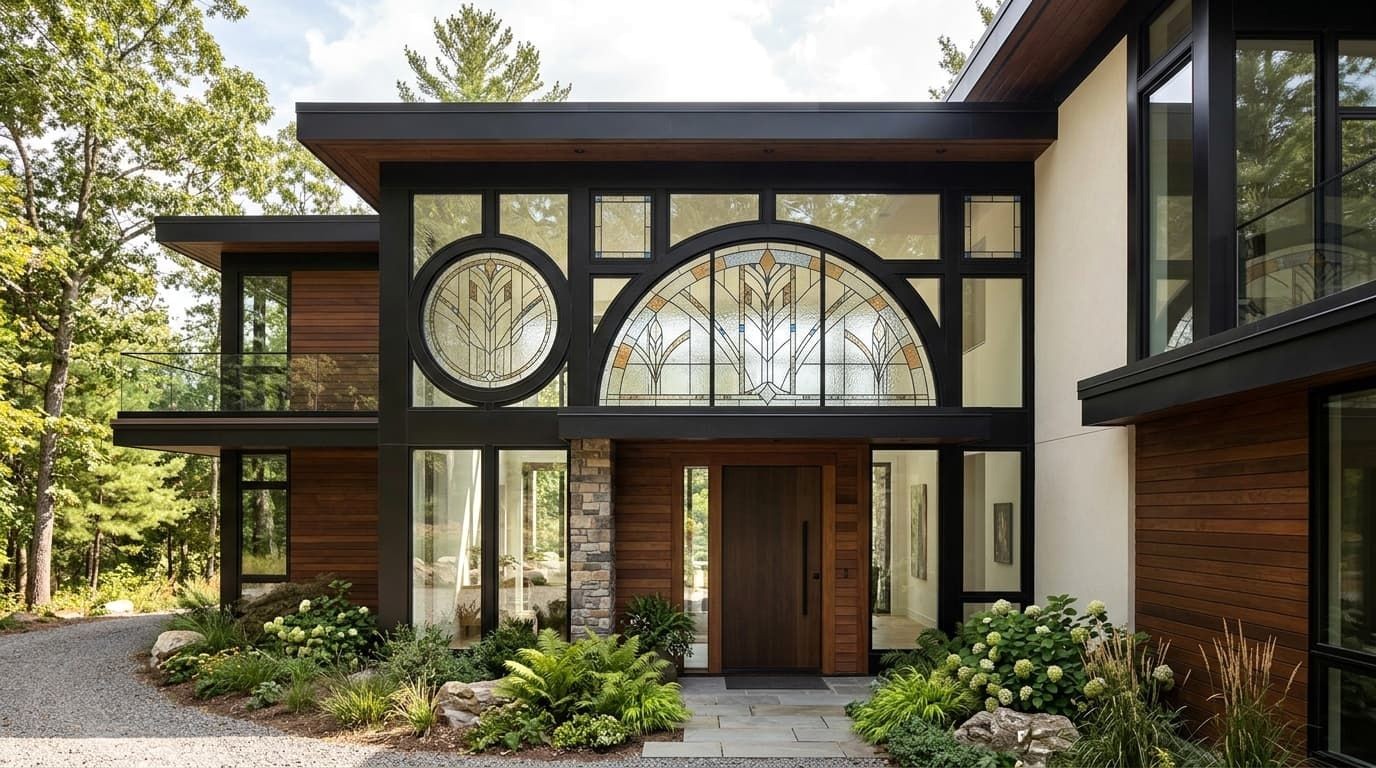
Floor-to-ceiling windows—often referred to as window walls or architectural glass facades—extend continuously from the finished floor plane up to the ceiling rafters. By virtually erasing the visual boundary between interior living spaces and the outdoor environment, floor-to-ceiling glass creates an expansive, airy atmosphere that maximizes natural daylight and frames outdoor landscape vistas like living artwork. Common in Modern, Minimalist, Industrial, and High-End Luxury architectures, these dramatic window walls make interior rooms feel significantly larger and more connected to nature. Constructed with heavy-duty thermally broken aluminum framing and high-performance low-E insulated glass, they deliver exceptional structural strength and thermal performance for luxury residences.